
Last month I did something stupid.
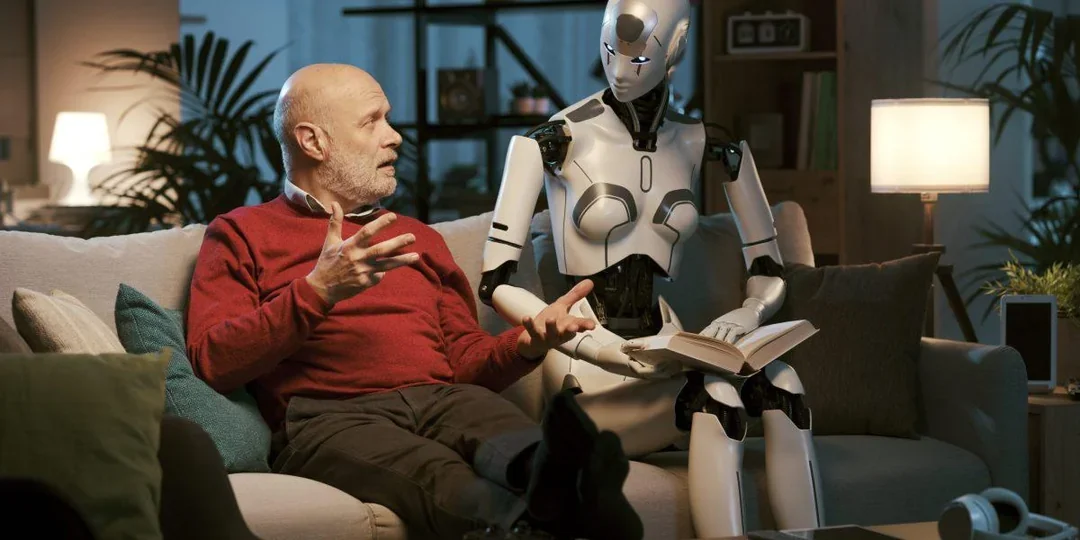
I let artificial intelligence run my life for three weeks straight. And I’m not talking about asking Siri what the weather’s like. I mean everything. What I ate for breakfast, when I went to bed, how much money I could spend on drinks with friends, whether I should actually go out with those friends in the first place. My reasoning? If AI can demolish chess grandmasters and write halfway decent sonnets, it could probably sort out my mess of a daily routine. Spoiler alert: I was wrong. Really wrong. Three weeks in, I was eating the exact same oatmeal every single morning, my best friend asked if I’d “found Jesus or something,” and I’d discovered that living efficiently and actually living are two completely different things.
When the Algorithm Knows Better (Or Thinks It Does)
It started out pretty tame, honestly. I downloaded a bunch of lifestyle apps, decision-making tools, AI assistants. Basically anything that promised to optimise my existence. The AI looked at my sleep data and informed me I needed to wake up at 5:47am. Not 5:45. Not 6:00. Exactly 5:47am. I asked why such a weirdly specific time, and it gave me this whole speech about circadian rhythms and REM cycles and sleep architecture. Okay then.
Things escalated fast. Within maybe four or five days, the AI had basically reorganised my entire life. Breakfast became a rotation of six meals that hit all my nutritional targets. My workouts followed this incredibly specific pattern. Hard days, easy days, rest days, all calculated down to the rep. Even my downtime got the algorithm treatment. Twenty-three minutes of social media per day. Not twenty, not twenty-five. My entertainment budget? Divided up with the precision of an accountant during tax season.
The truly weird thing is that parts of it actually worked. I slept better than I had in years. My energy didn’t crash at 3pm anymore. But there was this nagging feeling I couldn’t shake. I wasn’t really choosing anything. I was just following orders from my phone.
The Casino Parallel Nobody Talks About
This is where it got genuinely strange. The AI, after analysing how I spent money, actually suggested I try Sun Vegas Casino games as what it called a “calculated entertainment option with measurable risk parameters.” I know how that sounds. But the reasoning was kind of fascinating in a dystopian way. Instead of randomly dropping cash on whatever caught my eye (concerts, bar tabs, impulse purchases), I could set hard limits and get my entertainment fix within clear, defined boundaries.
What really got me was how the AI treated gambling exactly like everything else it was managing. Just another spreadsheet item. It calculated house edges, suggested bankroll limits, treated it like meal prep or cardio. Zero moral judgement. No sense of the human side of it. Pure maths.
I didn’t actually do it, for the record. But it made me realise something uncomfortable about where we’re heading. An AI can absolutely tell you the optimal blackjack strategy or the statistical edge on any given bet. What it can’t do is tell you whether you should be gambling at all. It can optimise your approach but it has no concept of the actual human experience. The rush, the regret, the whole emotional landscape that comes with it.
The Efficiency Trap
Week two is when I started to crack. I’d become this incredibly efficient, perfectly optimised person. I’d also become completely miserable.
My AI-managed life had cut out all the waste. Problem was, it had also cut out everything spontaneous. No more running into someone and grabbing an unplanned coffee that turns into a two-hour conversation. No spur-of-the-moment decisions to try that new Thai place everyone’s talking about. No lazy Sundays where I did absolutely nothing productive and felt great about it.
The AI couldn’t factor in the value of wasted time. It didn’t get that sometimes the best moments happen when you’re supposed to be doing something else. That the stories you tell for years usually come from when plans completely fell apart. That a little chaos and disorganisation can lead you to things you’d never find on a schedule.
I noticed my friends changing how they dealt with me. The “want to grab dinner tonight?” texts stopped coming. They knew I’d have to consult my app, check my meal plan, calculate if it fit my macros and my budget. The easy spontaneity that makes friendships feel alive got replaced by this awkward dance of advance planning and calendar Tetris.
What I Learned From My Robot Overlord
Here’s what those three weeks taught me: AI is genuinely brilliant at solving specific, defined problems. It can absolutely help you sleep better, dial in your nutrition, manage your schedule. But life isn’t just a collection of problems waiting to be solved.
The algorithm couldn’t understand why I’d want to stay up until 2am talking with an old friend who was going through a breakup, even though it tanked my sleep score. It couldn’t grasp why I’d ditch my optimised breakfast for chocolate chip pancakes with my seven-year-old niece. It saw every choice as an isolated data point instead of what they actually are. Threads in the messy, complicated fabric of being human.
I’m making my own decisions again now. Though I’ll admit, I kept some of the AI’s better ideas. I still track my sleep patterns. I’m more aware of what I’m eating and when. But I’ve also taken back the beautiful, inefficient chaos of human existence. Sometimes I make decisions that are objectively terrible. Sometimes I waste entire afternoons. And you know what? That’s exactly how it should be.
The real takeaway? AI makes a fantastic tool for improving specific parts of your life. It makes an absolutely terrible life coach. Optimisation has its place, sure. But so does spontaneity, mess, and the occasional spectacularly bad decision that turns into the story everyone wants to hear at parties. My life’s probably less efficient now than it was during my three-week experiment. But it feels like mine again. And no algorithm in the world could put a number on what that’s worth.