
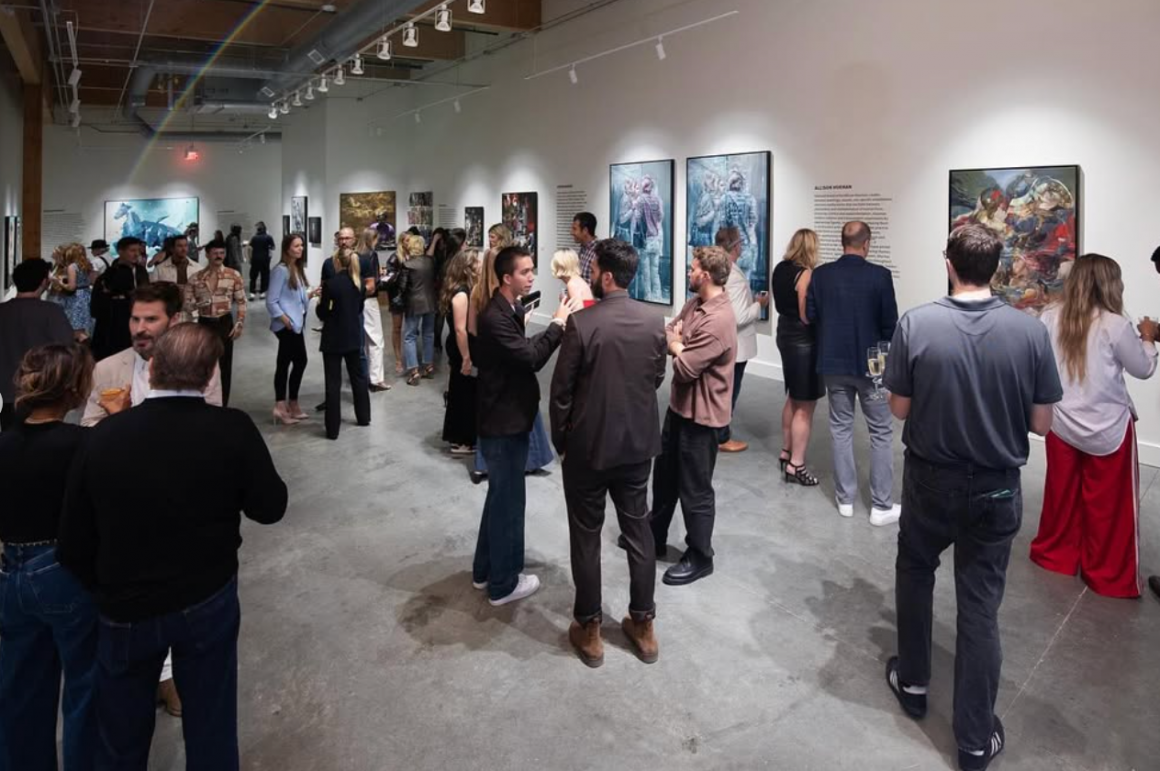
Walk into a gallery on opening night and you’ll feel it immediately.
The low hum of conversation. The quiet pause in front of a painting. The way two strangers begin talking because a piece on the wall sparked a question neither expected.
Art galleries play a vital role beyond the art market and have always been about more than transactions. They are cultural engines—places where ideas surface and communities gather around shared creative energy. In cities large and small, galleries help shape local identity, support working artists, cultivate informed collectors, and even influence economic development.
Spaces like CASS Contemporary in Nashville, Tennessee, demonstrate how intentional programming and thoughtful curation can ripple outward into the broader community.
Every city tells a story. Galleries help write it.
By curating exhibitions that respond to social issues, that celebrate regional narratives, or that spotlight underrepresented voices, galleries influence how communities see themselves. Art becomes a lens through which a neighborhood can examine its past, reflect on its present, and imagine its future.
Organizations such as Americans for the Arts are central to coordinating and defining the role arts institutions play in civic engagement and cultural vitality. When a gallery brings together artists and audiences around timely themes—whether sustainability, identity, or social change—it becomes a forum for dialogue, not just display.
At CASS Contemporary, exhibitions spark that dialogue. Programming often bridges contemporary visual culture with broader discussions about environmental responsibility and creative impact. The result is an evolving conversation that reflects the community it serves.
For artists, galleries are more than white walls. They are launchpads.
Through gallery exposure, artists gain access to professional presentation, strategic curatorial guidance, and established collector networks that would be difficult to build independently. For established artists in particular, galleries provide sustained visibility, deeper contextualization of their work, and opportunities to expand their audience across new markets and regions.
Galleries also play an important role in reinforcing the professional stature of working artists. Thoughtful curation and presentation position artwork within broader cultural and artistic conversations, supporting long-term career growth and contributing to a sustainable creative economy.
Exhibitions at CASS Contemporary primarily feature established and internationally recognized artists, offering collectors access to museum-caliber work. On select occasions, such as during the recent “Paint it Forward” exhibition, where established artists selected emerging artists to present work alongside them, the gallery expanded its programming to include new voices, reflecting a commitment to community engagement while maintaining its core focus on distinguished contemporary artists.

Informed collectors don’t just buy art. They invest in meaning.
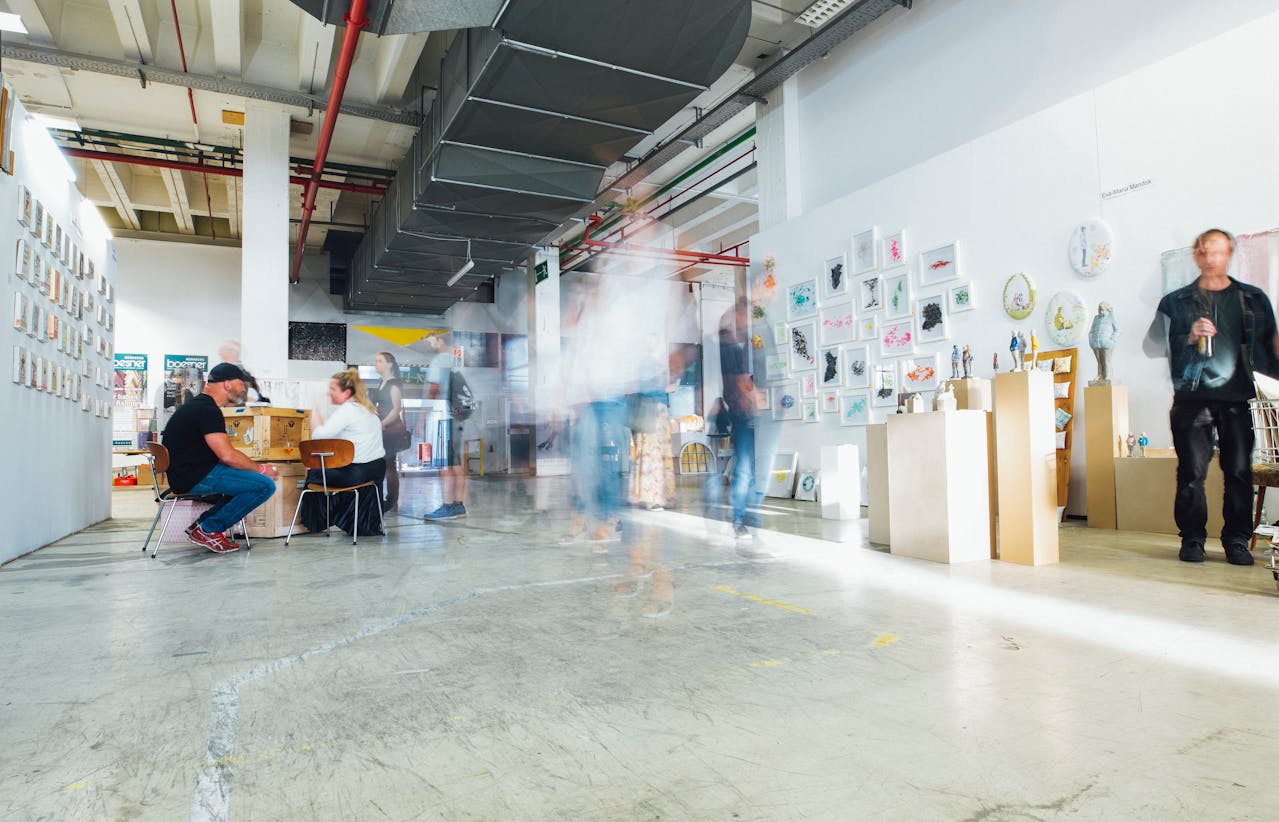
An art market cannot thrive without educated, engaged collectors. Galleries serve as classrooms as much as showrooms.
Through artist talks, curated walk-throughs, and free-flowing information available from approachable staff, galleries demystify the collecting process. They explain mediums, editions, materials, and artistic intent. They answer questions without gatekeeping.
This educational role is particularly significant as younger generations step into the art world. Millennials and Gen Z collectors often value transparency, impact, and authenticity as much as aesthetics. They want to understand who they are supporting and why the work matters.
Online platforms like Artsy have expanded access to information and buying opportunities, but physical galleries remain essential. Seeing work in person builds confidence and deepens the audience’s connection. It also forms long-lasting relationships between collectors and artists.
CASS Contemporary’s exhibitions and programming model this approach by creating welcoming spaces for dialogue. Whether a visitor is a first-time buyer or a seasoned collector, the emphasis is on kinship, not intimidation.
Creativity fuels more than inspiration. It fuels economies.
According to data from the National Endowment for the Arts and the Bureau of Economic Analysis, the arts and cultural sector grew at twice the rate of the total U.S. economy between 2022 and 2023, contributing $1.2 trillion.
Galleries help generate revenue for artists. They also collaborate with local vendors, and they draw visitors who dine, shop, and explore nearby businesses. Opening nights and exhibition events can increase foot traffic in surrounding neighborhoods, indirectly supporting revitalization efforts.
Creative economies thrive when artists are bolstered by infrastructure. Galleries provide that infrastructure by handling promotion, logistics, and audience engagement so artists can focus on their practice.

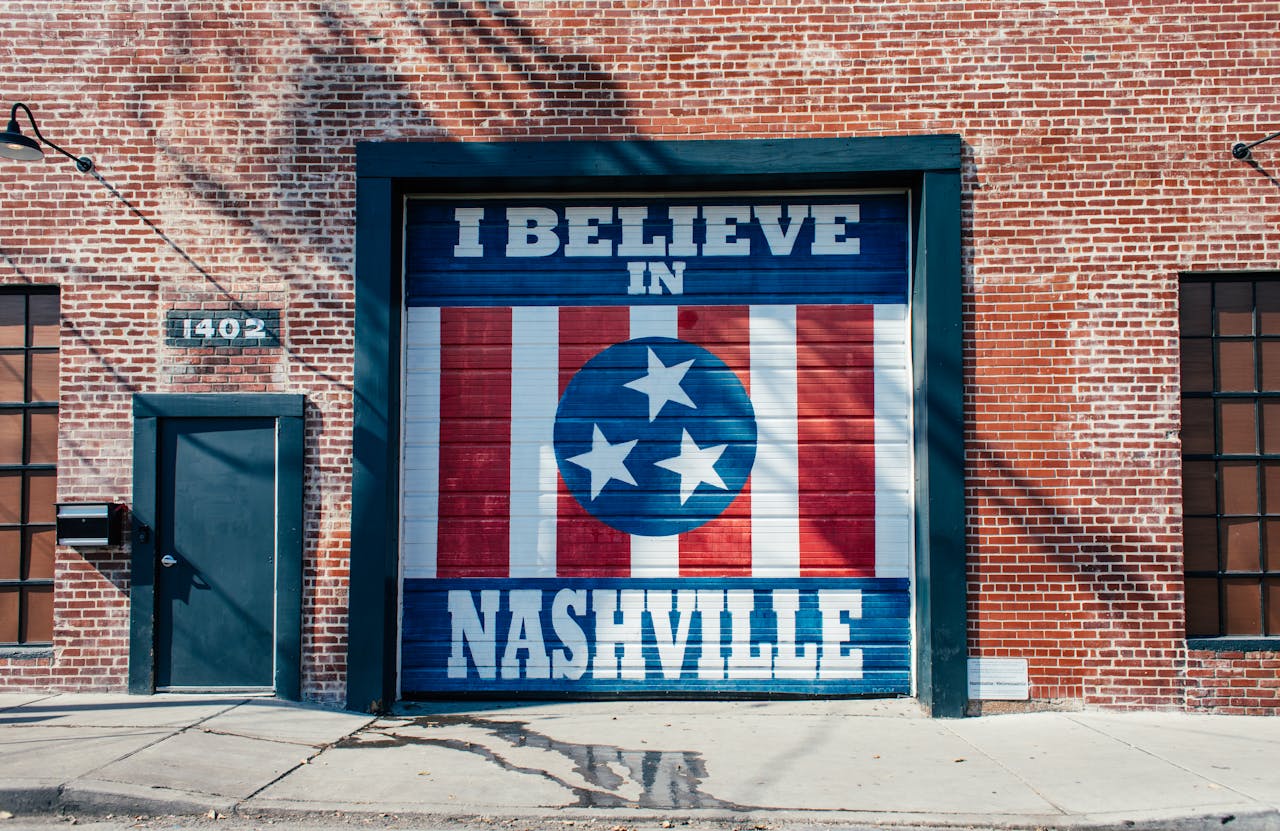
Art can transform a building. It can also transform a neighborhood.
Historically, galleries have often been early indicators of neighborhood transformation. Creative spaces can activate underutilized buildings, invite community gathering, and nurture pride of place.
When thoughtfully integrated, galleries avoid becoming symbols of displacement and instead serve as partners in sustainable development. They host educational programming. They collaborate with schools and nonprofits. They create accessible entry points into contemporary art.
Located in Wedgewood-Houston, CASS Contemporary has become part of the neighborhood’s creative momentum, contributing to its evolution as one of Nashville’s most dynamic arts districts. Through thoughtfully curated exhibitions and consistent community engagement, the gallery helps reinforce Wedgewood-Houston’s identity as a destination where contemporary art, design, and culture intersect.
Galleries help humanize development. They remind communities that growth is not solely about infrastructure, but also about culture.
Community is built through shared experience. Art makes that possible.
Nashville is often defined by music, but its visual arts community is rapidly shaping the city’s cultural identity in new ways. As the city expands, so does the need for spaces that encourage discourse, reflection, and links beyond commercial development. Galleries are becoming part of that cultural infrastructure.
Conversations about mental health, belonging, and civic engagement increasingly overlap with discussions about art. Creative spaces offer environments where reflection and community coexist—where individuals can encounter new perspectives and process shared experiences in tangible ways.
Research from the National Endowment for the Arts has shown the value of the connection between arts engagement and community well-being. Participation in the arts can strengthen social cohesion and provide a greater sense of civic involvement. In other words, cultural spaces don’t just inspire us, they bring us together.
Galleries promote this type of collective experience. An opening reception becomes a gathering place. An artist talk becomes a forum. A single artwork can unite people who may not otherwise cross paths and shift conceptualizations.
This civic role may be one of the most valuable contributions galleries make because they create room for curiosity. They invite people to slow down and engage face-to-face, in a place of shared culture.
Looking Beyond the Frame
When viewed narrowly, galleries appear to operate solely within the art market. But step back, and their influence becomes both clearer and much broader. They shape cultural identity. They support artists. They educate collectors. They stimulate local economies. They ignite dialogue.
Spaces like CASS Contemporary illustrate how intentional curation and programming can extend far beyond the walls of an exhibition itself. By amplifying creative voices and welcoming diverse audiences, galleries become civic anchors—steady but powerful forces within their communities.
As cultural enrichment is increasingly recognized as essential rather than optional, the role of galleries will only grow. Not simply as places to buy art, but as places to gather, learn, question, and connect.