

From personal style to self-care, the modern man’s approach to looking his best is evolving.
Dr. Heaton explains what men should know about veneers, the appeal of a less invasive approach, and how LUX No-Prep Veneers offer another option for enhancing your smile.
A great smile can make an impression before you ever say a word. And just as men have become more intentional about skincare, grooming, fitness, and personal style, cosmetic dentistry is increasingly part of the conversation around looking and feeling your best.
For men who have considered improving their smiles but hesitated at the thought of extensive dental work, there may be another option worth exploring: no-prep veneers.
Dr. James Heaton, founder and owner of Smiles of Chandler and founder and creator of LUX No-Prep Veneers, takes an approach to smile enhancement centered on preserving natural tooth structure whenever clinically appropriate. Rather than assuming a dramatic transformation requires extensive dental work, his philosophy focuses on finding the right solution for each individual, with an emphasis on thoughtful planning and natural-looking results.
What Are Veneers, and How Do They Work?
Veneers are thin, custom-made coverings bonded to the front surfaces of teeth to improve their appearance. They can address concerns such as discoloration, chips, gaps, uneven tooth shapes, and worn teeth. Depending on the patient’s needs and goals, veneers may be made from porcelain or composite resin.
Each veneer is designed to change the shape, color, size, and overall appearance of the teeth while maintaining a natural-looking result. The planning process is essential: the shape and shade should complement the patient’s facial features, smile, and existing teeth rather than simply making them look as large or as white as possible.
The goal is a smile that enhances the individual’s appearance while still looking natural and feeling comfortable.
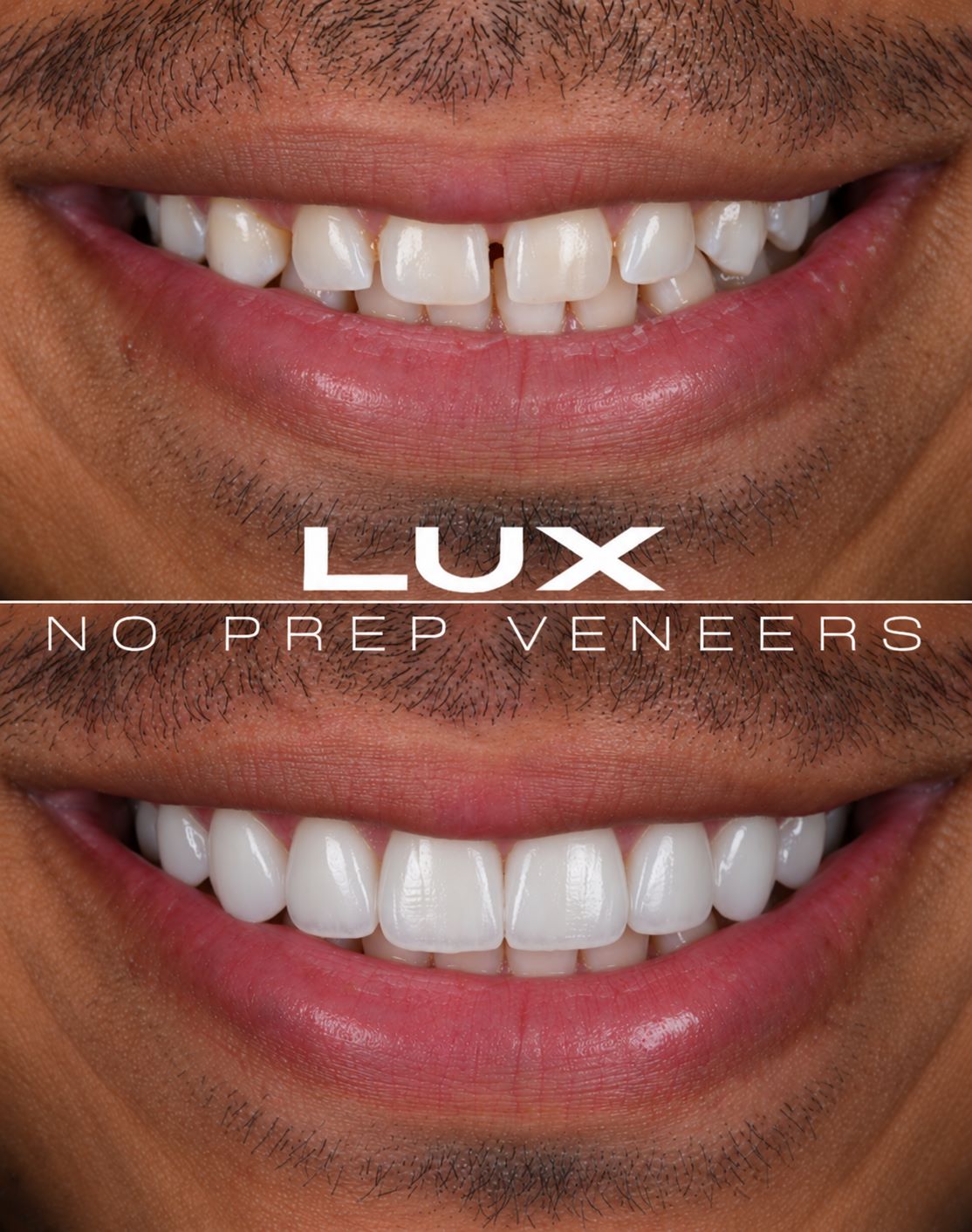

Porcelain vs. Composite: What’s the Difference?
Porcelain and composite veneers can both improve the appearance of teeth, but they differ in aesthetics, durability, stain resistance, and placement. Porcelain is highly resistant to staining and can closely mimic the light-reflecting properties of natural enamel. Composite resin may be easier to repair or modify and can be appropriate for certain more conservative treatments.
The right material depends on the patient’s teeth, goals, bite, and long-term expectations. There is no single option that works best for everyone, which is why a personalized treatment plan matters.
Do Veneers Damage Your Natural Teeth?
One of the biggest considerations for anyone exploring veneers is how much natural tooth structure needs to be altered to achieve the desired result. Traditional veneers may require some preparation of the teeth, while certain patients may qualify for minimally invasive or no-prep approaches.
As Dr. Heaton explains:
“Preserving healthy enamel whenever clinically appropriate is an important consideration when planning cosmetic dentistry.”
That principle is central to the appeal of no-prep veneers. However, no-prep does not automatically mean zero preparation for every patient. Tooth position, bite, existing tooth structure, and the degree of change desired all influence whether this approach is suitable.
The Appeal of Veneers Without Extensive Dental Work
Traditional veneers have long been associated with dramatic smile transformations, but not every patient wants—or needs—the same level of intervention. For men interested in improving their smiles while preserving more of their natural teeth, no-prep and minimal-prep options may offer an alternative.
Traditional veneers typically require some preparation of the natural tooth to accommodate the restoration and achieve the desired shape. No-prep or minimal-prep veneers are designed to preserve more natural tooth structure and, in select cases, may require little or no enamel removal.
Dr. Heaton emphasizes that the term no-prep should not be taken to mean that veneers can simply be placed over anyone’s existing teeth without careful planning.
“The important thing for patients to understand is that no-prep veneers aren’t simply about putting a veneer over an existing tooth without preparation. Proper diagnosis, case selection, design, and bonding are critical to creating a result that looks natural and functions properly.”
The distinction matters because placing a veneer without adequate space or appropriate planning can produce a bulky appearance or compromise the result. The priority should always be choosing the treatment that achieves the patient’s goals while preserving as much healthy tooth structure as clinically possible.
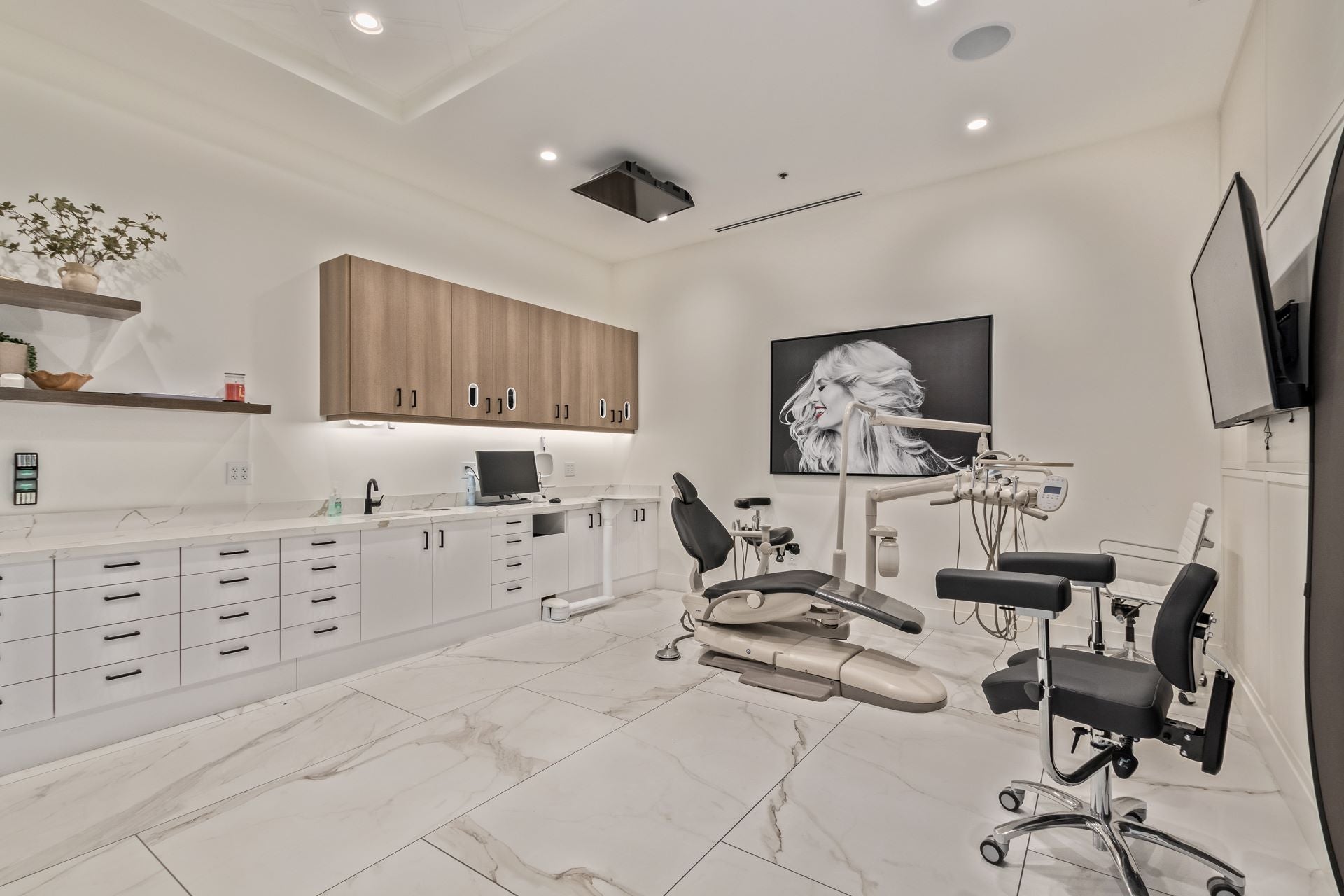

Meet LUX No-Prep Veneers
Dr. Heaton developed LUX No-Prep Veneers around the principle of preserving natural tooth structure whenever possible. Rather than taking a one-size-fits-all approach, LUX is designed around the patient’s existing teeth, facial characteristics, smile, and individual goals.
For appropriate candidates, this approach may allow cosmetic improvements with minimal or no alteration of the natural teeth. The emphasis is on thoughtful smile design and individualized treatment planning rather than pursuing a standardized look.
For men who want to enhance their smiles without automatically committing to traditional veneer preparation, LUX offers an option to discuss with a qualified cosmetic dentist. A clinical evaluation is still necessary to determine whether the approach is appropriate and what, if any, tooth preparation may be required.
How Long Do Veneers Last?
Veneer longevity depends on the material, quality of placement, patient’s bite, oral hygiene, and habits such as teeth grinding. Well-made porcelain veneers can last many years, but they are not necessarily a lifetime restoration.
Good oral hygiene, regular dental visits, and addressing habits that place excess stress on the teeth can help maintain the restorations. Patients should also understand the long-term maintenance involved before committing to treatment.
How Much Do Veneers Cost?
There is no universal price for veneers. Costs vary depending on the material, number of teeth being treated, complexity of the case, laboratory work, and preparation required.
While price is naturally a consideration, it shouldn’t be the only factor. Treatment planning, diagnosis, smile design, materials, and the clinician’s experience all influence the result and its long-term success. A consultation should provide a clear understanding of the proposed treatment, costs, alternatives, and ongoing maintenance.
Are Veneers Reversible?
Traditional veneers generally involve some degree of tooth preparation, meaning the procedure should be considered irreversible. Certain minimally invasive or no-prep cases may require little or no alteration of the natural tooth structure, but not every patient qualifies.
Before moving forward, patients should understand how much enamel will be altered, what alternatives are available, and what the treatment means for their long-term dental health.
Who Is a Good Candidate for Veneers?
A good candidate generally has healthy teeth and gums, cosmetic concerns that veneers can appropriately address, and realistic expectations about the outcome. Factors such as enamel availability, tooth position, bite, gum health, existing restorations, and grinding habits all influence whether veneers are appropriate.
For some patients, veneers may be an effective solution. For others, a different treatment may better address their concerns. The first step is an evaluation that considers both aesthetics and oral health.
The New Smile Upgrade
For the modern man, investing in appearance doesn’t have to mean chasing an obvious transformation. Sometimes, the most effective upgrade is a subtle one that complements your features and helps you feel more confident.
Veneers can offer a way to address imperfections that have bothered you for years, while newer approaches place greater emphasis on preserving natural tooth structure where clinically possible. LUX No-Prep Veneers are one option for patients who may be suitable for a more conservative approach.
The key is understanding your options before making a decision. A consultation with an experienced cosmetic dentist can help determine whether traditional veneers, no-prep veneers, or another treatment is the right fit for your smile.