
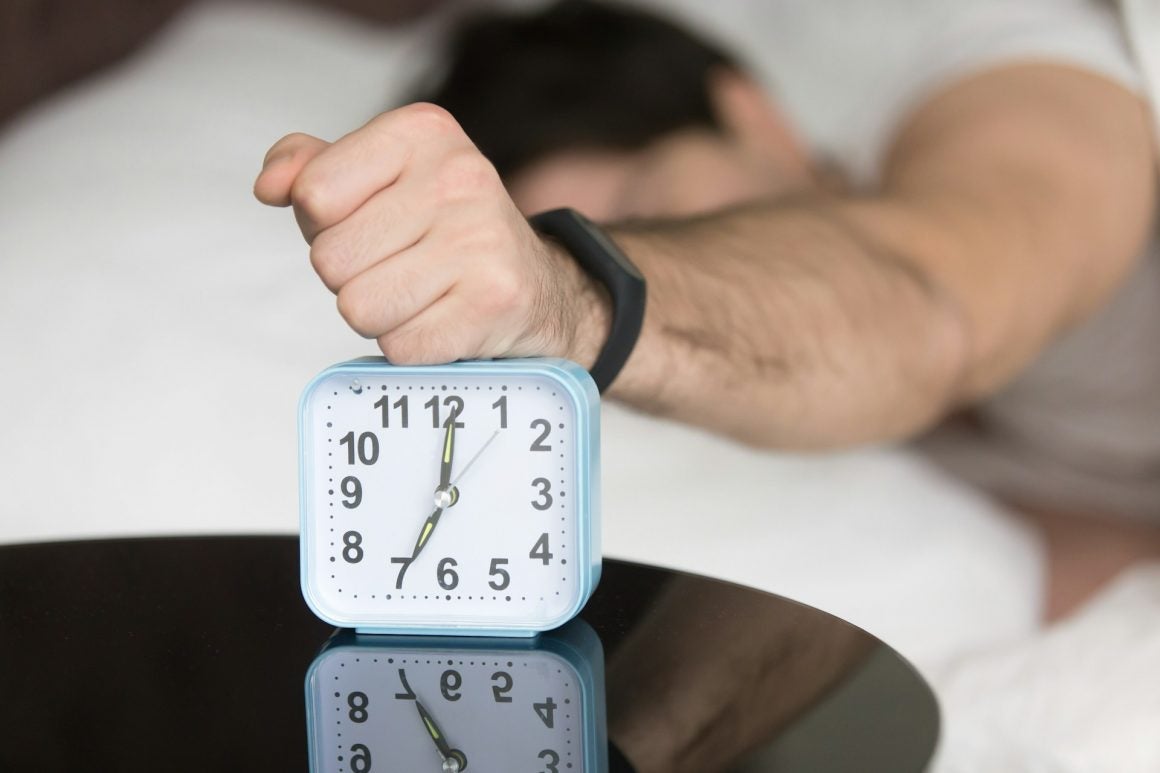
How much sleep do you get?
The amount may carry much significance for your weight loss journey. According to research, sleep may be the missing component for individuals trying to lose weight.
Getting enough sleep is a problem in itself. Many people struggle through the night and barely get the required hours of rest. Some adults have recorded fewer than seven hours of sleep, which is not enough.
Sleeping well is linked to other healthy habits and results. This article discusses how getting good sleep positively affects your weight.
1. Short Sleep and Weight Gain
You can think of waking up from a good sleep as getting a great start to your day – much like the simple, engaging thrill you get from a casual game in a live casino, where it’s all about enjoying the experience. But many factors can cut that good sleep short. This includes extended work hours and stress. Further, some studies have linked short sleep to a higher body mass index (BMI).
Longer sleep time, around 7 to 9 hours, reduces the tendency to obesity in adults. A good night’s rest keeps you within a healthy weight. But poor sleep habits can affect your nervous system and add to stress levels.
2. Keep Appetite in Check
With enough sleep, there’s less time to worry about meals and snacks. This helps to prevent an increase in calorie intake and your appetite.
One study showed that individuals who experienced sleep deprivation have increased calorie intake. Lack of sleep increased their food cravings and portion sizes.
3. Boosted Metabolism
A good sleep habit may help you improve metabolic actions. Low metabolism can increase your risk of developing cardiovascular disease and type 2 diabetes. Also, lack of sleep may leave your body struggling to break down fat cells into energy.
Improving your sleep hours will aid digestion and increase energy. Your body gets the time it needs to work on those fat cells.
4. May Improve Food Choices
There’s a high chance of choosing healthy foods over less healthy options. This is because lack of sleep affects your decision-making. It becomes harder to form or choose nutrition-dense meals.
Nights of inadequate sleep will make a bowl of ice cream more appealing. There’s also less self-control with poor meals, and a tendency to eat anything you see.
5. Improved Energy for Physical Activity
You can get up and running after quality sleep hours. Good sleep and physical activity share many things in common, including improved health and well-being.
Many studies have shown that exercise helps to reduce the time it takes to sleep. When you’re motivated to exercise, there’s a tendency to lose weight. Besides, less sleep means fewer lost calories per day.
The impact is quick, too. You don’t need to wait for weeks or months. People who do 30 minutes of moderate aerobic exercise may see a difference in sleep quality that same night.
Conclusion
If you want to lose weight, sleep is one thing you must get right. While other factors exist, there’s no replacement for good sleep. It can help reduce hunger and calorie intake, boost physical activity, and improve food choices. All these add to your weight loss goals.
Check your sleeping habits today and resolve to improve them. Seven to nine hours of sleep per night is a healthy range.