
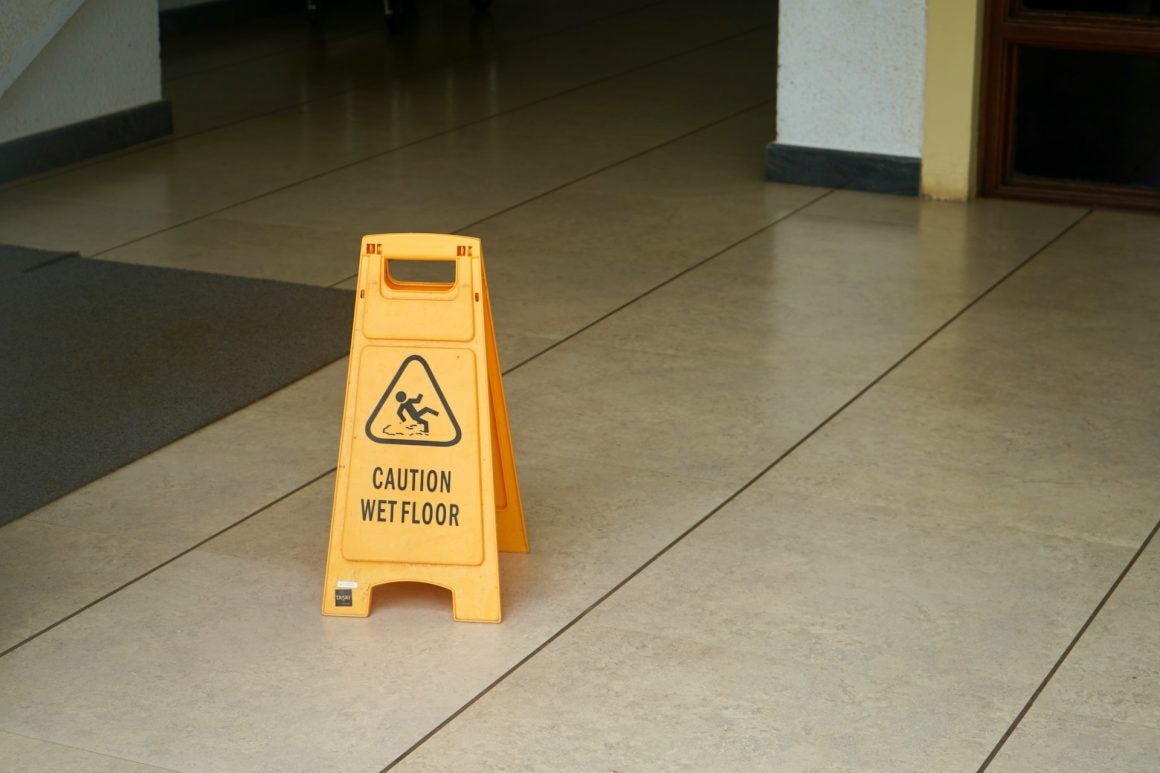
Slip and fall cases in California are often harder to prove than people expect.
Courts require clear evidence linking a hazard directly to the property owner’s own actions. Personal injury claims often hinge on small details that courts take seriously. Weather and lighting frequently shape how a judge views the accident. Prior complaints about a hazard also strengthen an injured person’s case. If you take photos and see a doctor within a day or two, your case starts strong.
Proving Fault Requires Strong Clear Evidence
Salamati Law Personal Injury Attorney gathers evidence quickly, often within days of an accident, to protect your claim. Proving fault generally means clearly showing the property owner knew about a dangerous condition. Photos and witness statements often capture details that insurance companies cannot easily dispute later. A detailed incident report adds another important layer of proof for your case. Photos and detailed notes from the scene help you succeed when building a fall injury claim in California courts. Surveillance footage can also help clearly prove exactly when and how a fall happened. Without solid proof on record, insurance companies will often deny otherwise valid claims.
Notice Rules Can Complicate Your Case
California law requires proving the property owner had actual notice of the hazard. This notice can be direct, meaning the owner clearly already knew about it. Constructive notice applies when the hazard existed long enough to be clearly noticed. Property owners often argue they had no reasonable time at all to fix it. Judges will carefully weigh exactly how long a hazard existed before the accident occurred. Short timeframes between the hazard appearing and the fall can often hurt claims.
Comparative Fault Often Reduces Compensation
California clearly follows a comparative fault rule across most personal injury cases today. If you share partial blame for an accident, your compensation amount will likely be reduced Wearing improper footwear or simply ignoring posted warning signs may quietly increase shared fault. Insurance companies often lean on that rule to justify offering you a much lower settlement. Courts will examine both parties’ overall behavior carefully before assigning any percentage of fault. Even a fairly small percentage of fault can quietly shrink a final award.
Insurance Companies Frequently Dispute Injury Severity
Insurance adjusters often question whether the fall actually caused the reported injuries. They may argue that an old injury explains the pain being reported now. Insurers sometimes request an independent medical exam to challenge how serious your injuries are. Gaps in your treatment history can give insurers a reason to downplay your injuries. Seeing your doctor regularly builds a clear paper trail showing how your injury has progressed. That kind of consistent care makes it much harder for insurers to downplay what you went through. Without that record, insurers often offer far less than your case deserves.
Missing Documentation Can Weaken Legal Claims
Missing photos or witness contact information can seriously weaken an otherwise strong case. Delayed reporting also gives property owners extra time to quietly alter conditions. Written incident reports filed with the property will help establish a clear timeline. Medical records directly tie injuries to the exact date of the fall. Each piece of documentation you gather adds more weight to your claim. Without it, even a fairly strong valid case can become difficult to win.
Proving a slip and fall case takes more than bad luck. You need real evidence, not vague memories of what happened. A single photo can capture details no one thought to write down. Witness names matter too, since people forget faces after a few weeks. Documenting the scene early keeps your case from resting on guesswork. Waiting too long often means losing evidence you can never replace. Taking a few minutes now to gather proof protects your claim later.