
Walk down any city street on a Saturday morning and you will spot it immediately.
A line outside a coffee shop with plants spilling from the windowsill. A boutique with soft lighting and an aesthetic that begs for a mirror selfie. A cozy wine bar where the playlist feels like the soundtrack to a movie you wish you were in. These places have something intangible that makes people not only stop in but stay. They are warm, fun, Instagrammable and more than anything, they feel good to be in.
We are living in a moment where people are choosing experiences as much as they are choosing products. A cup of coffee is no longer just caffeine. It is ritual. It is atmosphere. It is the moment the barista remembers your name or the track in the background that makes your morning feel like a scene from a coming-of-age film.
Boutiques are the same. You could buy that sweater online, but trying it on in a store that smells faintly like vanilla, where the hangers glide smoothly across metal racks and the mirror lighting flatters your skin tone? That is where the magic is.
So how do these spaces pull it off? It is not one thing. It is a careful mix of design, sound, lighting, and energy. A formula that feels natural but is rarely accidental.
The Rise of the Vibe-First Hangout Space
Trendy spots today are built around ambiance. We have shifted from purely functional locations to curated micro worlds. In a fast, scroll-heavy culture, people want somewhere that slows them down. Somewhere they can sip an iced matcha and talk, or browse jewelry they do not need but definitely want. If it looks good, sounds good, and makes you feel like the best version of yourself, customers return. They post about it. They bring friends.
Even celebrities know the power of a vibe. We see pop stars photographed leaving minimalist coffee shops holding oat milk lattes. Reality stars drop boutique shopping hauls on Instagram within hours. Part of the story is what they buy, but most of it is where they bought it. The environment becomes part of personal branding.
Good Decor Is Not Just Aesthetic, It Is Emotion
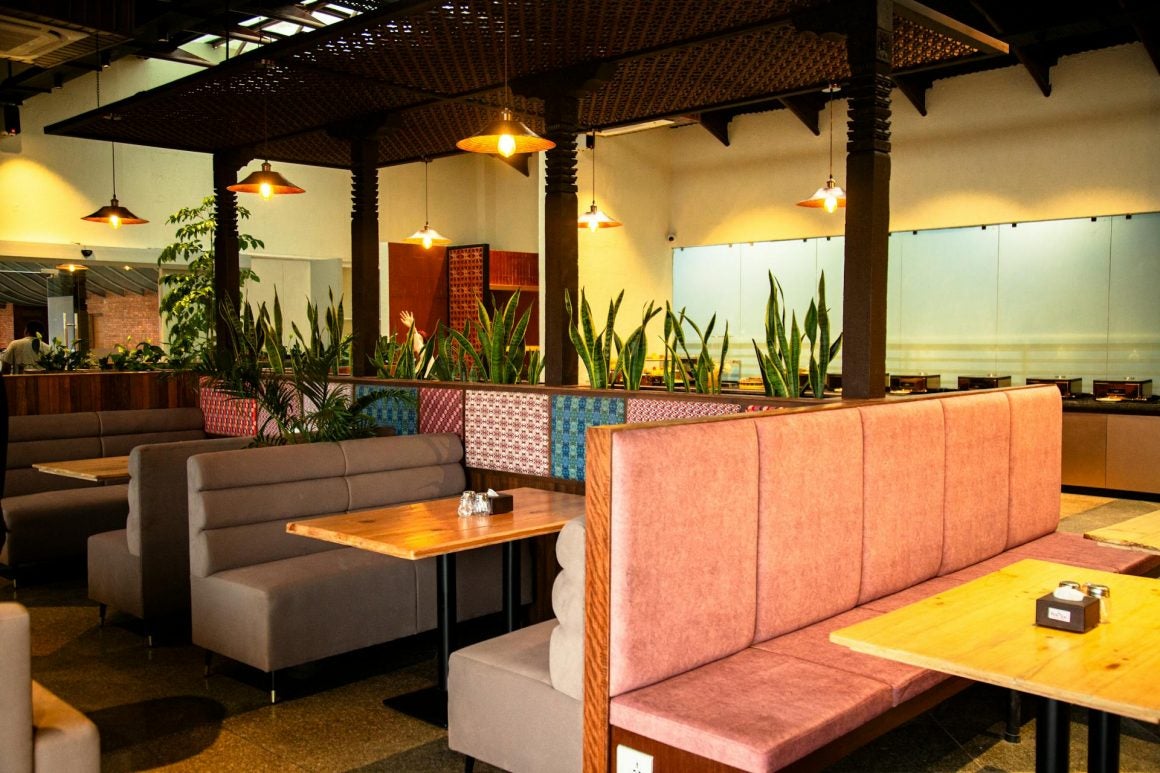
A well designed café tells a story. Warm wood tables and greenery give comfort. Industrial concrete and matte black fixtures feel modern and sleek. Pastel walls and mismatched chairs feel artsy, easy, perfect for journaling or catching up with a friend.
Boutiques lean into design too. Velvet seating invites you to sit and stay. Soft curtains around fitting rooms add a layer of privacy. Even product displays, when done thoughtfully, guide the eye and spark curiosity.
Nothing here is accidental. Spaces that feel good work because they consider how people move, what makes them relax, and how to keep them engaged longer than five minutes.
Think of it like this:
- Bright white lighting makes a space feel clean but can feel harsh.
- Warm diffused lighting makes faces look softer and photos prettier.
- A comfortable layout encourages browsing instead of rushing out.
- Small details invite delight: fresh flowers, candles, handwritten menus.
The best spots make people think, I could stay here for hours.
Lighting Sets The Mood More Than People Realize
Lighting is the quiet star of ambiance. Too bright and a room feels clinical. Too dim and people strain to see menus or colors of clothing. The sweet spot is warm, flattering, soft and layered.
Here is where cafés and boutiques shine:
- Morning hours often pair with natural daylight, coffee steam, light chatter.
- Afternoons feel gentle, relaxed, perfect for laptop sessions or browsing racks.
- Evenings switch to a moodier tone in bars or wine cafés, signaling shift and unwind time.
Adjusting light levels through the day helps spaces feel alive rather than static. People feel it, even if they cannot pinpoint why.
Scent, Texture, Tiny Details People Love
Ever walked into a bakery and immediately felt comfort from the smell alone? Scent memory is powerful. Many small retail spaces are using fragrance strategically. Subtle vanilla, soft citrus, freshly ground espresso. Nothing overwhelming. Just enough to make the brain say stay.
Textural details matter too:
- Soft napkins instead of thin paper ones
- Linen tablecloths on weekend brunches
- Smooth oak shelving that feels handcrafted
- A bar counter with tactile stone instead of cold metal
People do not always notice these decisions, but they notice how the space makes them feel.
Music: The Invisible Ingredient Behind The Atmosphere
Play the wrong playlist and a space feels off. Play the right one and everything syncs. It is why so many cafés and boutiques treat music like décor rather than background noise. The soundtrack becomes part of the experience, guiding the mood just as much as lighting or scent.
Morning playlists tend to be mellow acoustic, indie or soft R&B to ease people into the day. Lunchtime might bring subtle pop or light funk to keep energy up. By evening, wine bars and late-night cafés often shift to something moodier, cooler, with velvet-smooth beats that feel like conversation fuel.
Instead of relying on unpredictable streaming mixes, many owners use curated music for cafés selections so the vibe stays consistent. It means they can match playlists to time of day or brand personality, rather than worrying about a sudden jump from soulful jazz to children’s sing-alongs mid-latte.
Good sound does something quietly powerful. It smooths out the room, helps conversations flow, creates rhythm. It makes people linger without noticing why. When you think about the last café you loved, chances are the music is one of the first things your memory pulls forward.
Why It Works: People Return To Places That Feel Like Them
The reason feel good spaces succeed is simple. People want identity. They want connection. A coffee shop that feels mellow and stylish becomes someone’s personality spot. A boutique with curated racks becomes a place to express taste. A bar with candlelight and lo-fi beats becomes date night worthy.
Customers return because the environment becomes comforting, familiar and mood boosting. In a world where everything moves fast, these spots feel like a pause button. A space to breathe.
What makes someone come back is not only the latte quality. It is how the spot made them feel while drinking it.
How Businesses Are Leaning Into The Trend
Cafés, coffee shops and boutiques are experimenting more with immersive touches:
- Monthly pop up art walls
- Rotating playlists based on seasonal themes
- Cozy corners built for reading or conversation
- Window seats made for people watching
- Community events, trivia nights, mini markets
It is experience-driven retail. It is hospitality blended with lifestyle.
People want more than coffee. They want a moment worth remembering.
Creating A Feel Good Space Is About Atmosphere, Not Perfection
No one remembers the exact chair model or paint brand. They remember how the room made them feel. The best spots balance aesthetics with warmth. They feel curated but not stiff. Photogenic but not fragile. Stylish but still comfortable.
And people come back to places that make them feel like themselves, only slightly better.
The next time you sip a latte in a café that feels effortless, remember: someone chose that lighting. Someone curated that playlist. Someone arranged those chairs so conversations flow. It is design, psychology, and creativity working quietly to give you a moment of calm or joy or inspiration.
The spaces we love are not accidents. They are crafted. And that is why we return.