
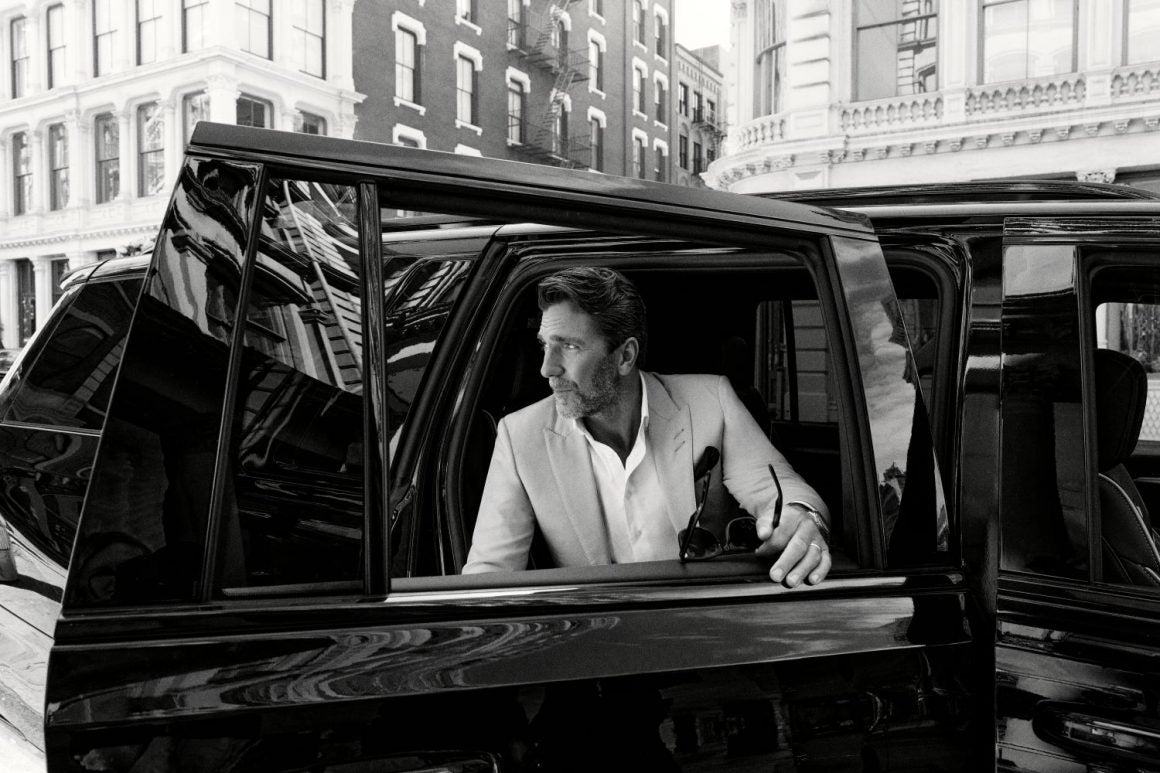
Henrik Lundqvist spent 15 NHL seasons getting into the right position before the puck arrived.
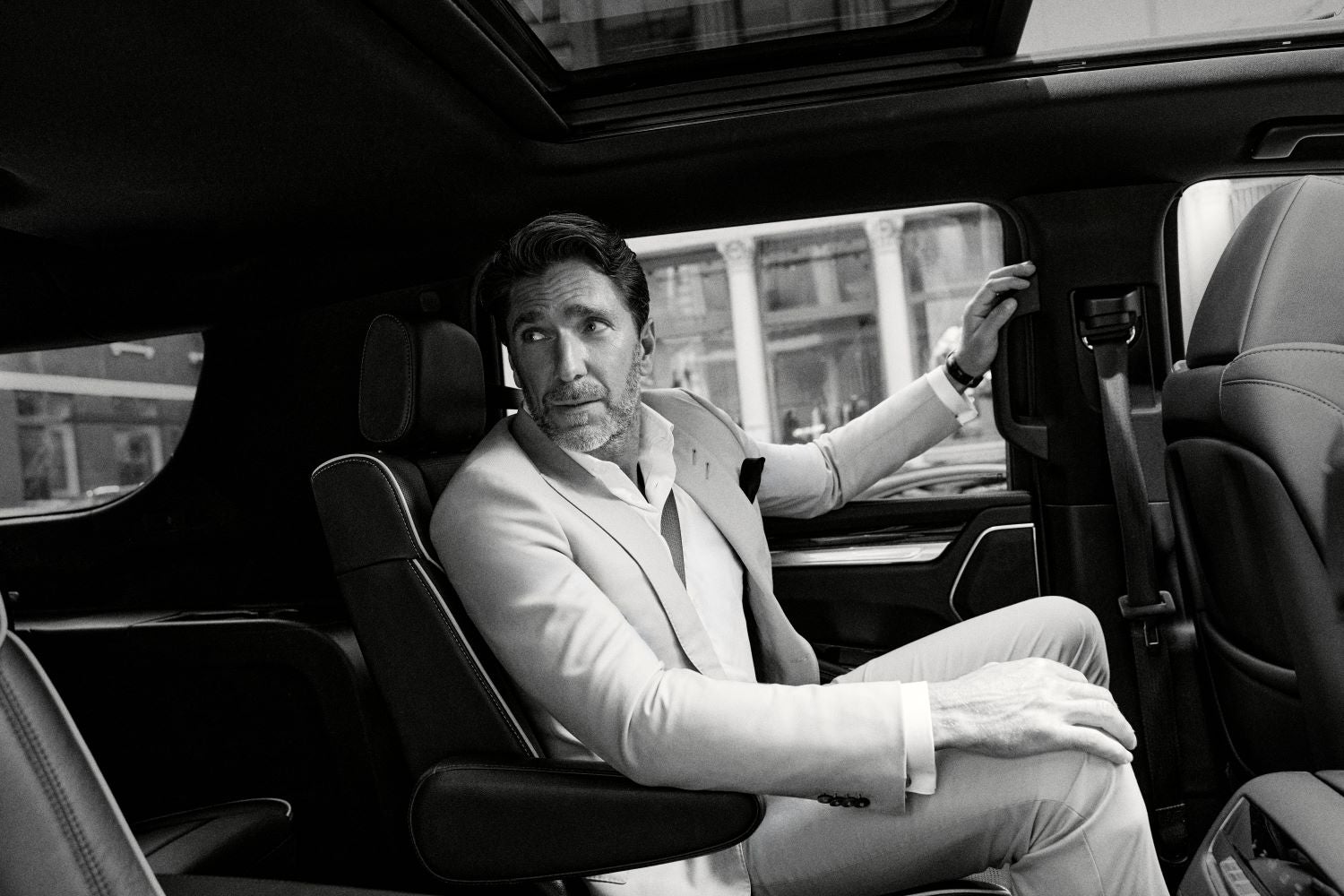
Now an NHL analyst for the TNT network, he still values getting ready before he gets there—starting in the back seat.
For the Rangers legend, the ride to Madison Square Garden was never just a drive. It was the last stretch of mental ice before the real thing: a chance to rehearse movements, sharpen his positioning and get his nerves under control. Now, through Lyft Black’s “The Art of Arrival” campaign, he’s putting that overlooked part of his preparation in the spotlight.
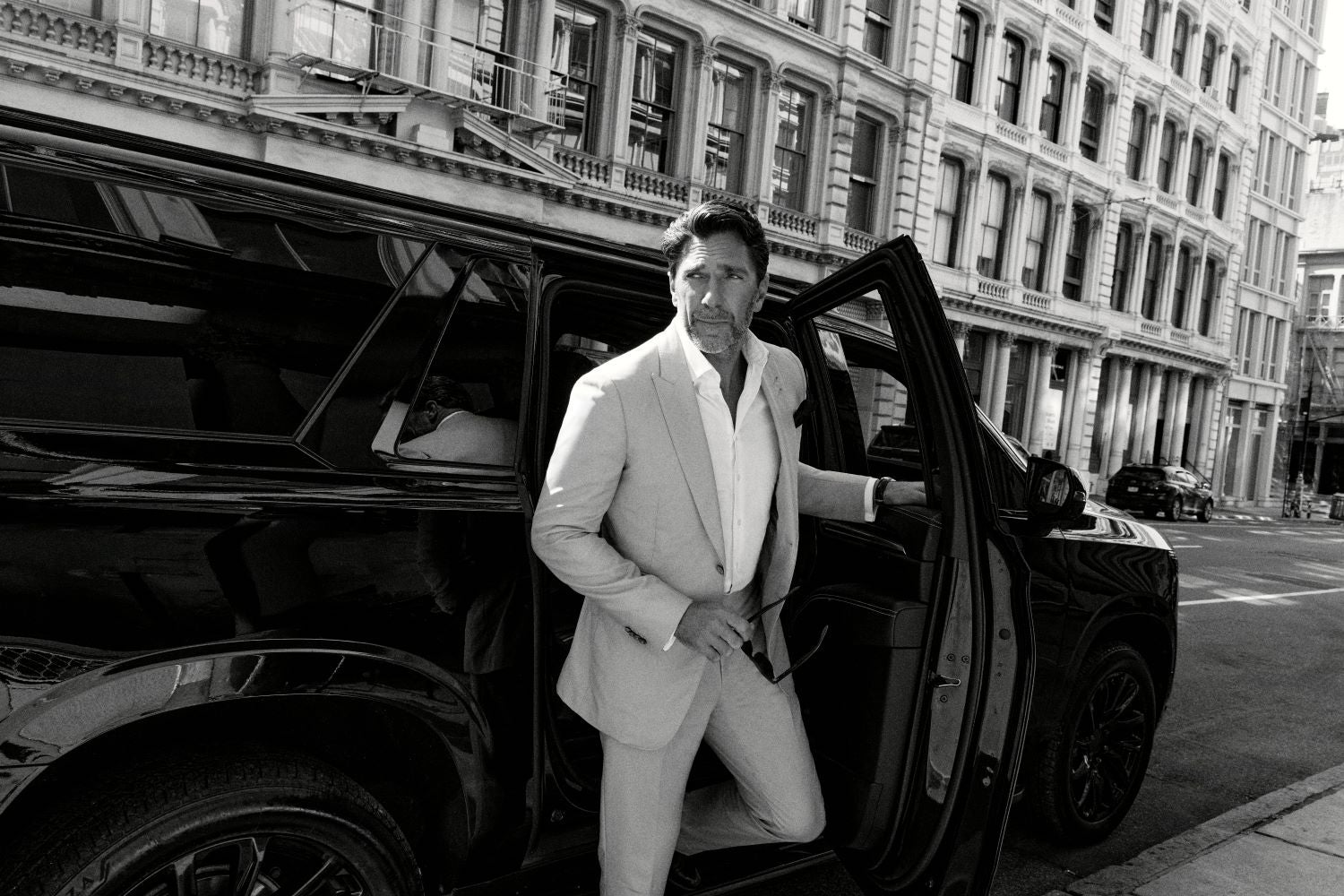

“That car ride before you arrive, that’s kind of my moment,” he told Swagger in an exclusive interview. “What’s ahead? What are the important things I need to be aware of?”
There’s a reason to listen when Lundqvist talks about preparation. Across 887 regular-season NHL games, all with New York, he collected 459 wins and 64 shutouts. He earned the 2012 Vezina Trophy as the league’s best goaltender, entered the Hockey Hall of Fame in 2023 and left the Rangers with more than 50 franchise records. For a particularly cold-blooded measure of his competitive wiring, consider this: he won six consecutive Game 7s, an NHL record.
Those numbers weren’t built on reflexes alone.
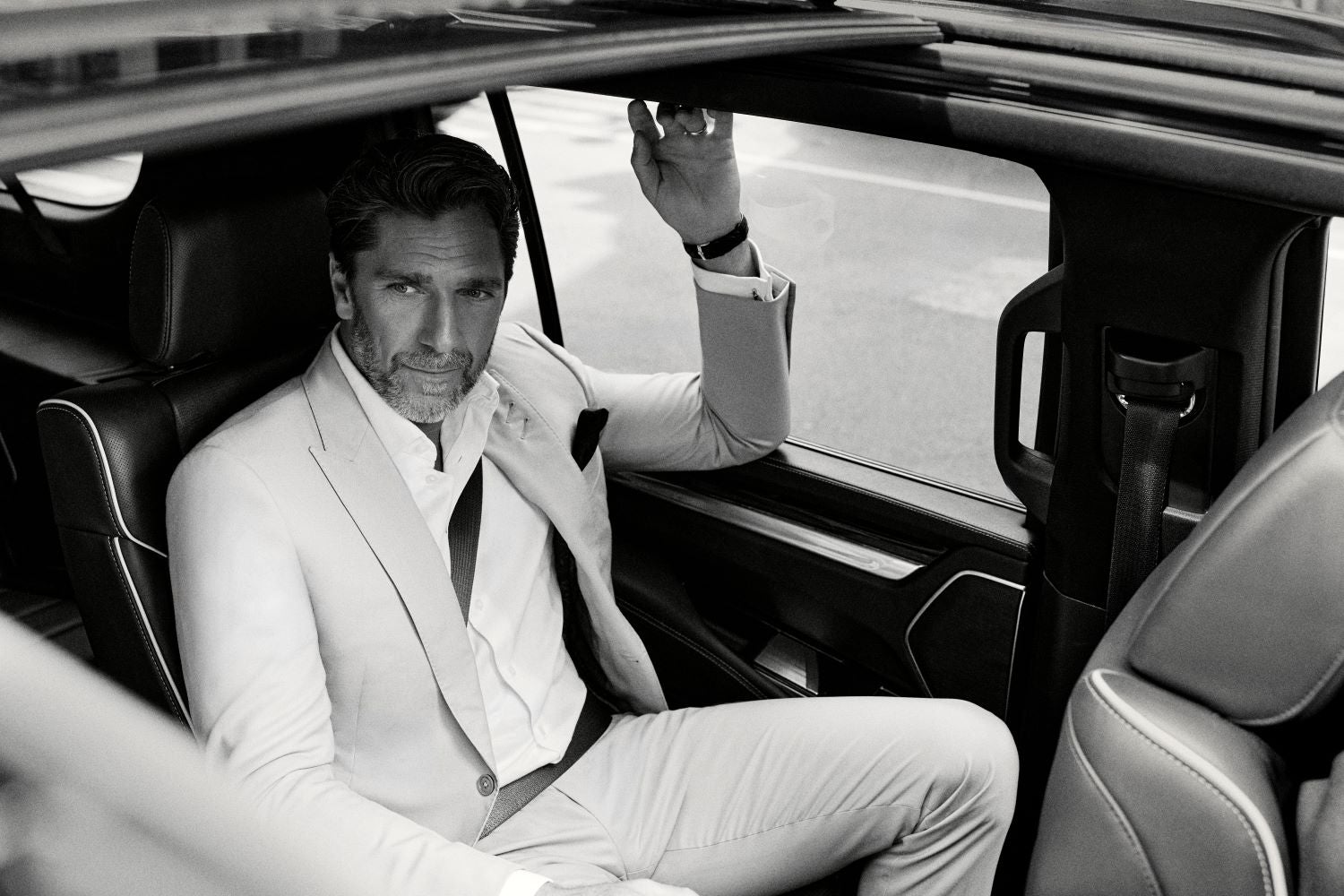
Before games, Lundqvist would use the journey to the Garden to work through the details: how he needed to move, where he needed to position himself, how he would make the saves. Sometimes he considered the opponent. Always, he was trying to reach the same destination mentally before arriving physically.
“Preparation has always been a big thing for me,” he told Swagger.
That makes his Lyft Black partnership more than a retired athlete showing up in an ad. “The Art of Arrival” puts the premium ride’s quiet, reflective interval at the centre of the story. In Lundqvist’s black-and-white campaign vignette, he travels down Eighth Avenue past the arena where he built his career. The setting is unmistakably New York; the ritual is unmistakably his.
He describes enjoying Lyft Black’s elevated experience as “the quiet before it’s time to ramp it up.” For a man whose working life once involved reading danger through a screen of bodies, a little uninterrupted thinking time has obvious appeal.
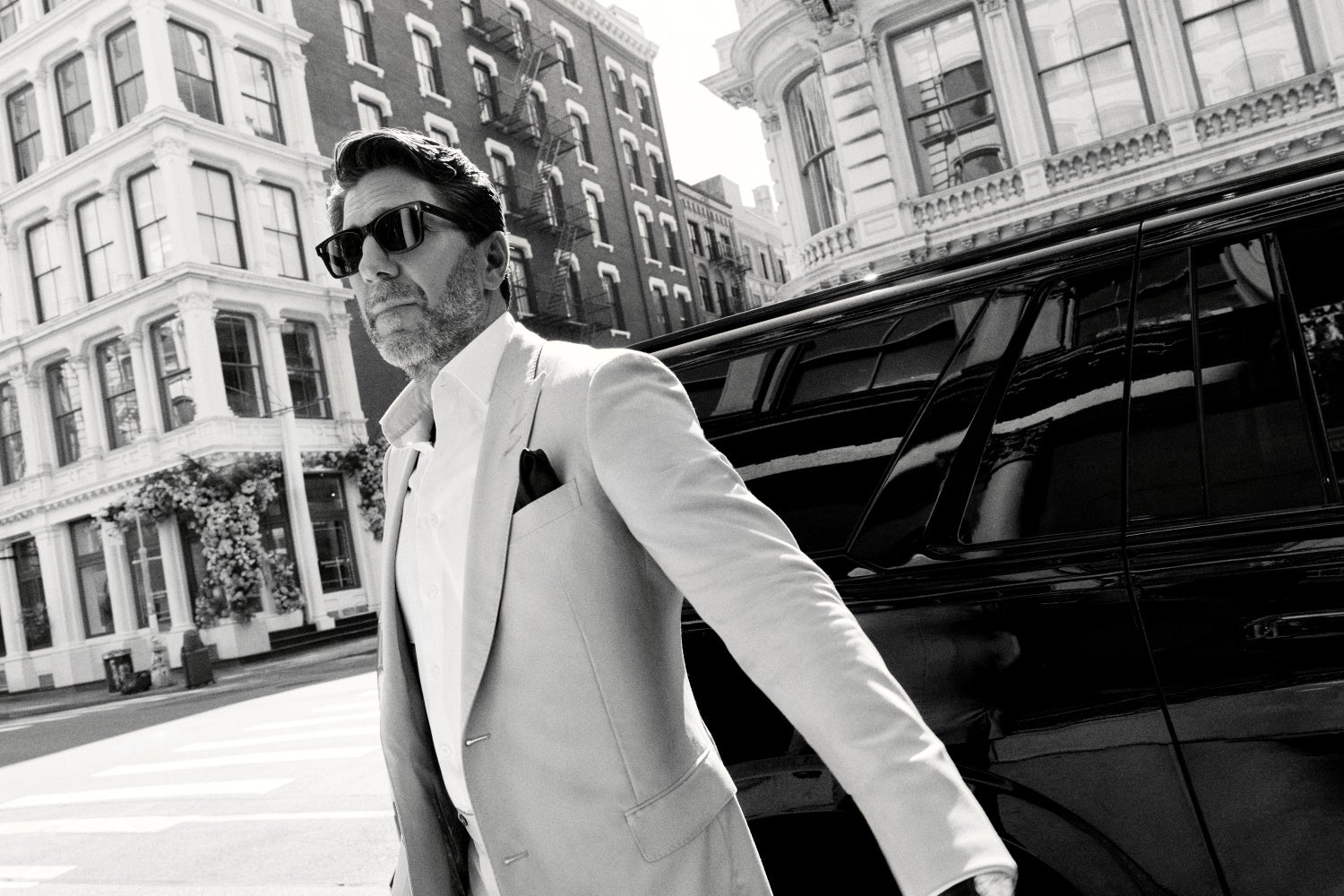
Lundqvist still goes to the Garden. These days, though, he’s preparing to talk about the game rather than stop the puck. Broadcasting and speaking engagements require their own version of getting locked in, and he still values that interval between leaving one thing, and stepping into another.
The transition has also preserved something he prized about playing: belonging to a team.
“It’s the people you’re working with that makes it fun,” he told Swagger.
He enjoys watching hockey. But the off-camera camaraderie—the laughs, the personalities, the shared work—is what makes broadcasting feel connected to the life he knew in the dressing room.
Away from work, New York has opened up, too. Playing every other day and travelling constantly often made staying home the sensible off-day option. Now he gets out more, taking in concerts and Knicks games. He remembers watching a Knicks playoff game at a bar and soaking up the city’s energy, this time without being responsible for the result.
Ask Lundqvist for a goaltending lesson short enough to deliver at a red light, and he doesn’t start with glove position.
“Goaltending is 90% mental,” he told Swagger.
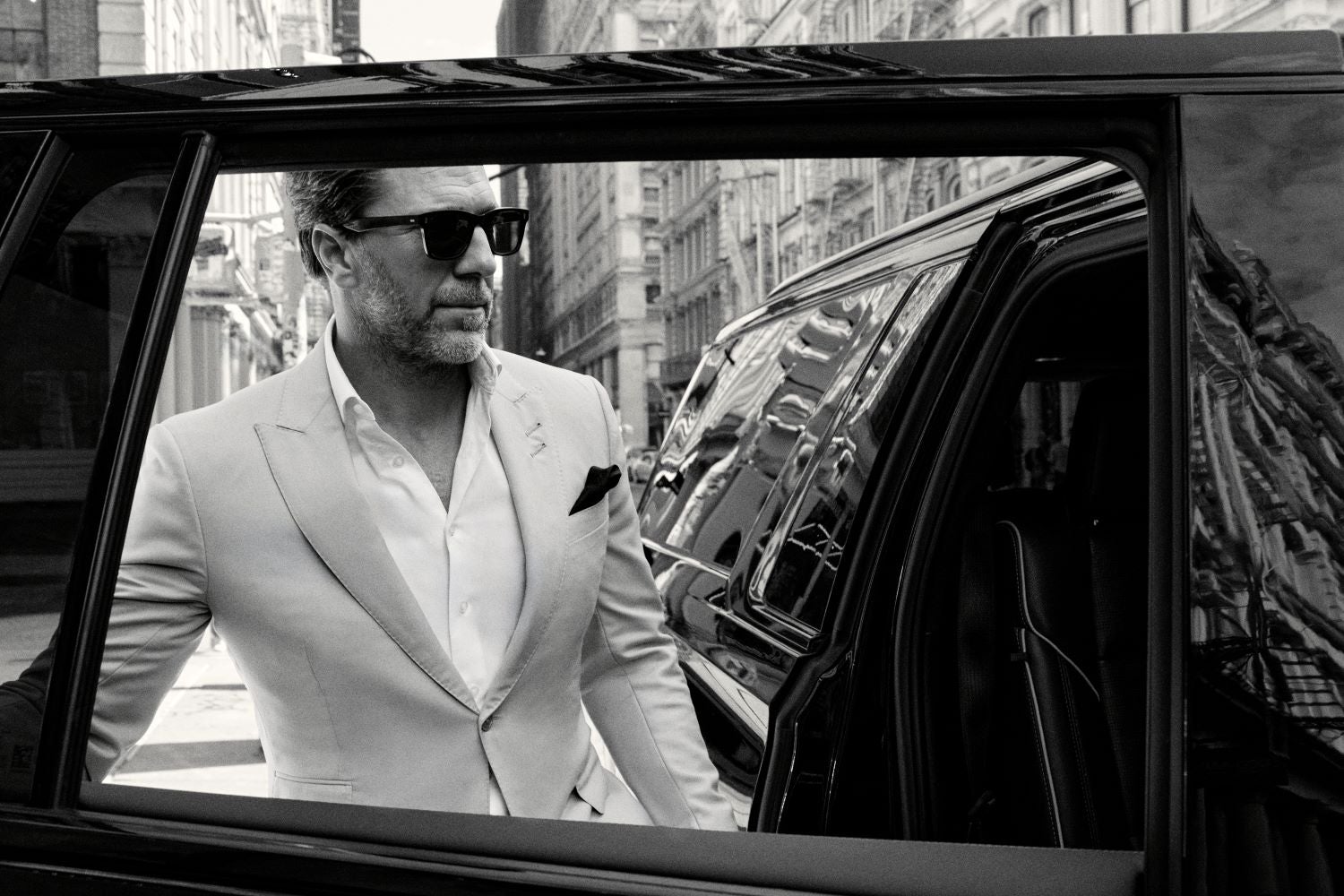
His point is that athletic ability needs a clear mind behind it. After running a goalie camp for 20 years, he stresses understanding how you react under pressure—and recognizing that no two players handle it exactly alike.
That thinking gives “The Art of Arrival” its strongest connection to Lundqvist’s career. Before the broadcast, or the next demand on his attention, the ride offers space to collect himself.
For all the records, accolades and awards, his own career summary is simpler. “I got to live my dream.”