
By Jeff Silverstein
Few hotels exude a sense of place or embody a neighbourhood quite the way Gladstone House does in Toronto.
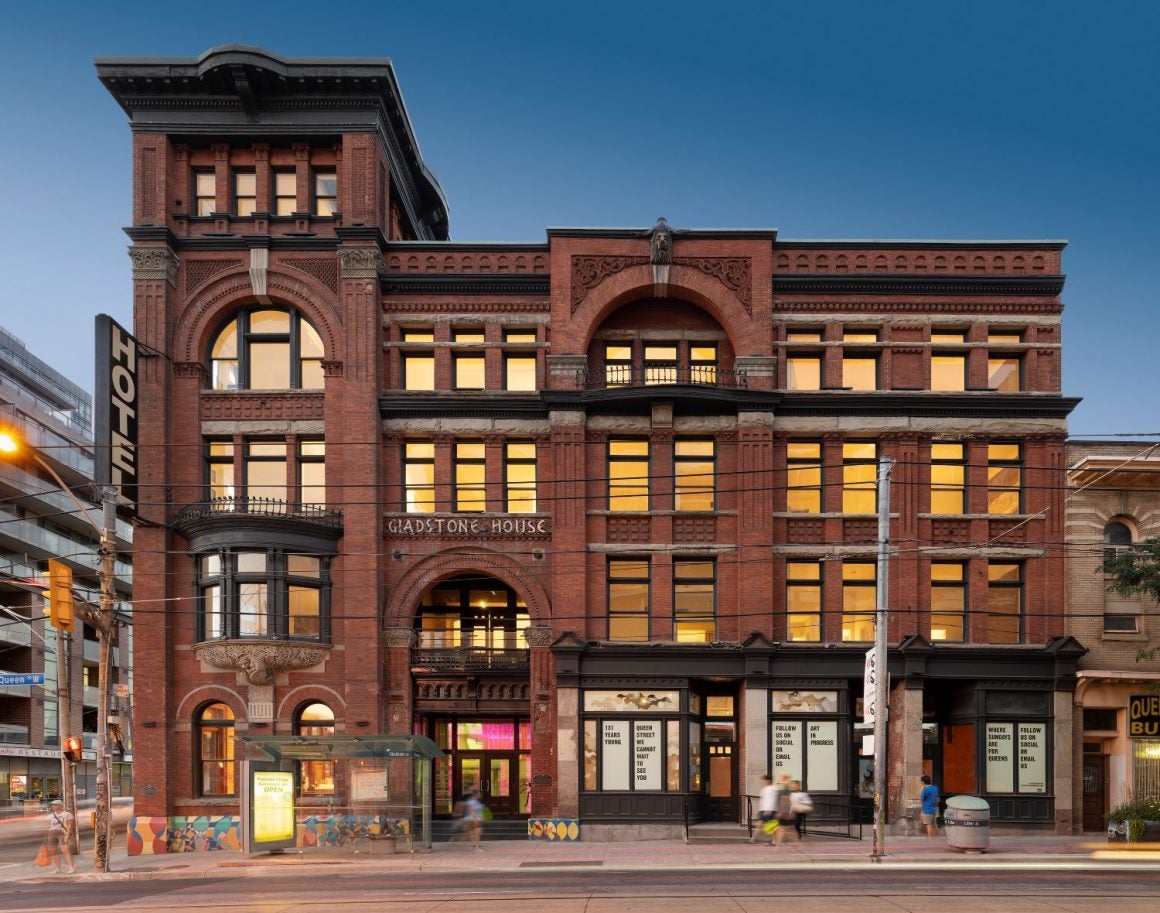
Located in a part of town known as West Queen West just on the eastern edge of Parkdale, this landmark boutique hotel is not only the oldest continuously operating hotel in Toronto, but also possibly the coolest.
The hotel is full of personality, and that cool factor that appeals to creatives so much comes from its unique and quirky feel. There’s nothing polished or corporate here. Instead, Gladstone House has become shorthand for a distinct kind of Toronto hospitality – a place where heritage, design, and culture converge.

Opened in 1889 and designed by George Martell Miller with its trademark red brick, arched passageways and gargoyles, for years the hotel sat proudly across the street from two railway stations that have long since been demolished, which made it a hub for travelers as well as exhibitors and visitors from the nearby Canadian National Exhibition.
Even then, it was always more than a place to lay your head. It offered a sense of community and a place to relax over a drink. Railway employees and nearby factory workers even used the hotel for long-term stays – think Airbnb for the 19th and early 20th century gig workers and travelers.
That mixed-use gave it a neighborhood feel right from the get-go. But by the late 20th century, the neighbourhood’s economic fortunes took a turn for the worse, and the hotel’s reputation followed suit. And while it soon became something of a flophouse, it never stopped being a space for people who lived, drank, and gathered there.
The hotel’s fortunes took a dramatic turn in the early 2000s with new ownership and an ambitious heritage restoration/revitalization project that effectively recast the building from a rough around the edges hotel into a boutique destination rooted in local creativity.
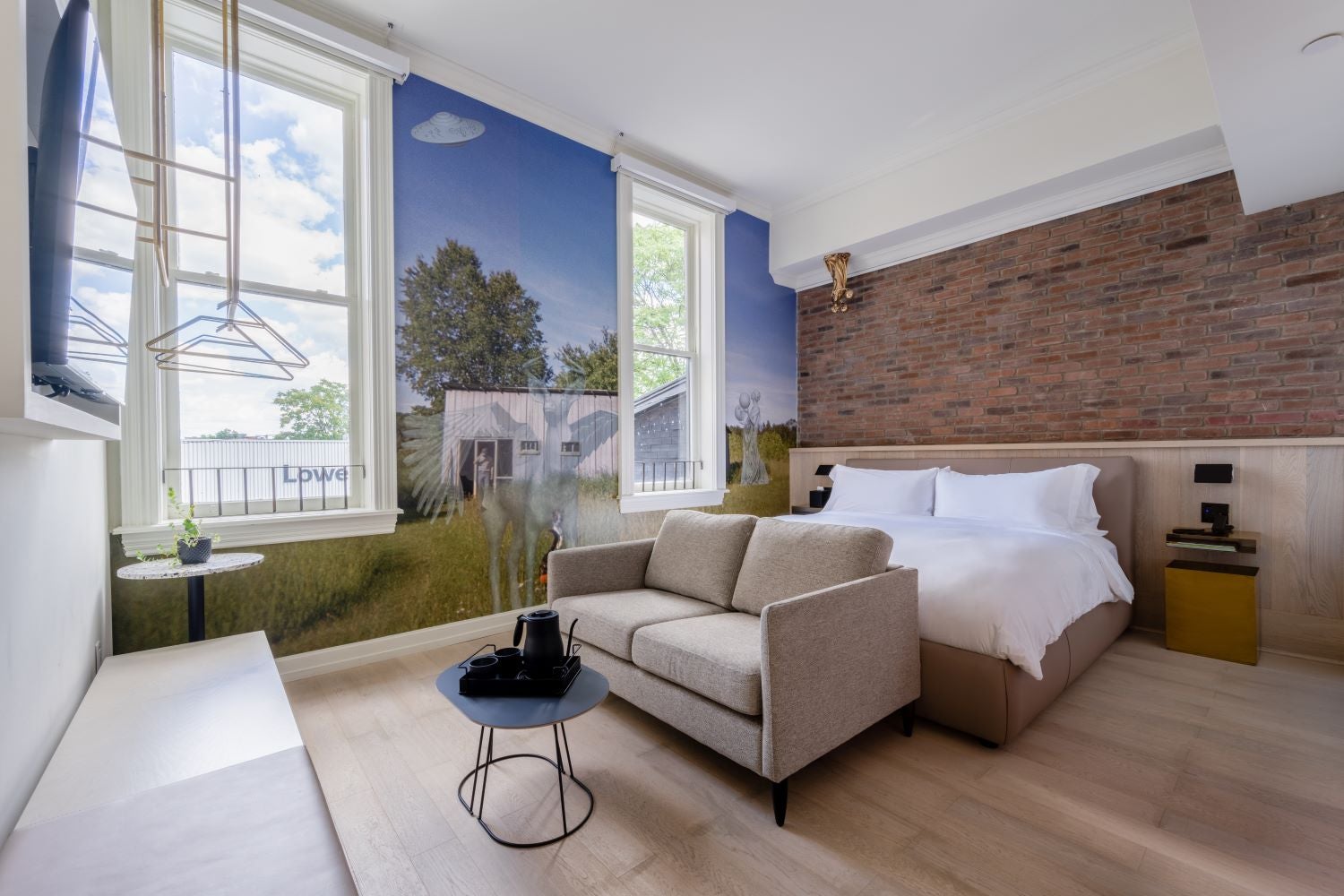
The revitalization project has cleverly preserved historic details like exposed brick, grand old interiors, and other original character while layering in contemporary design, giving guests the feeling that they are staying inside a piece of the city’s history.
There is no corporate branded experience here, and no two room are the same. Instead, the hotel has become a showcase for local creativity where public spaces feature art and cultural activity, which reinforces the idea that the hotel is part gallery, part gathering place, and part accommodation.
Indeed, ever since it re-opened in 2005, the hotel has cemented its place as one of Toronto’s major cultural hubs. Art installations, burlesque shows, music, theatre, dining and even the odd trivia night are now a part of the fabric of the hotel.


That evolution from railway-era lodging house to neglected flophouse, and finally to an arts-driven boutique hotel is a classic Toronto story about saved cultural heritage.
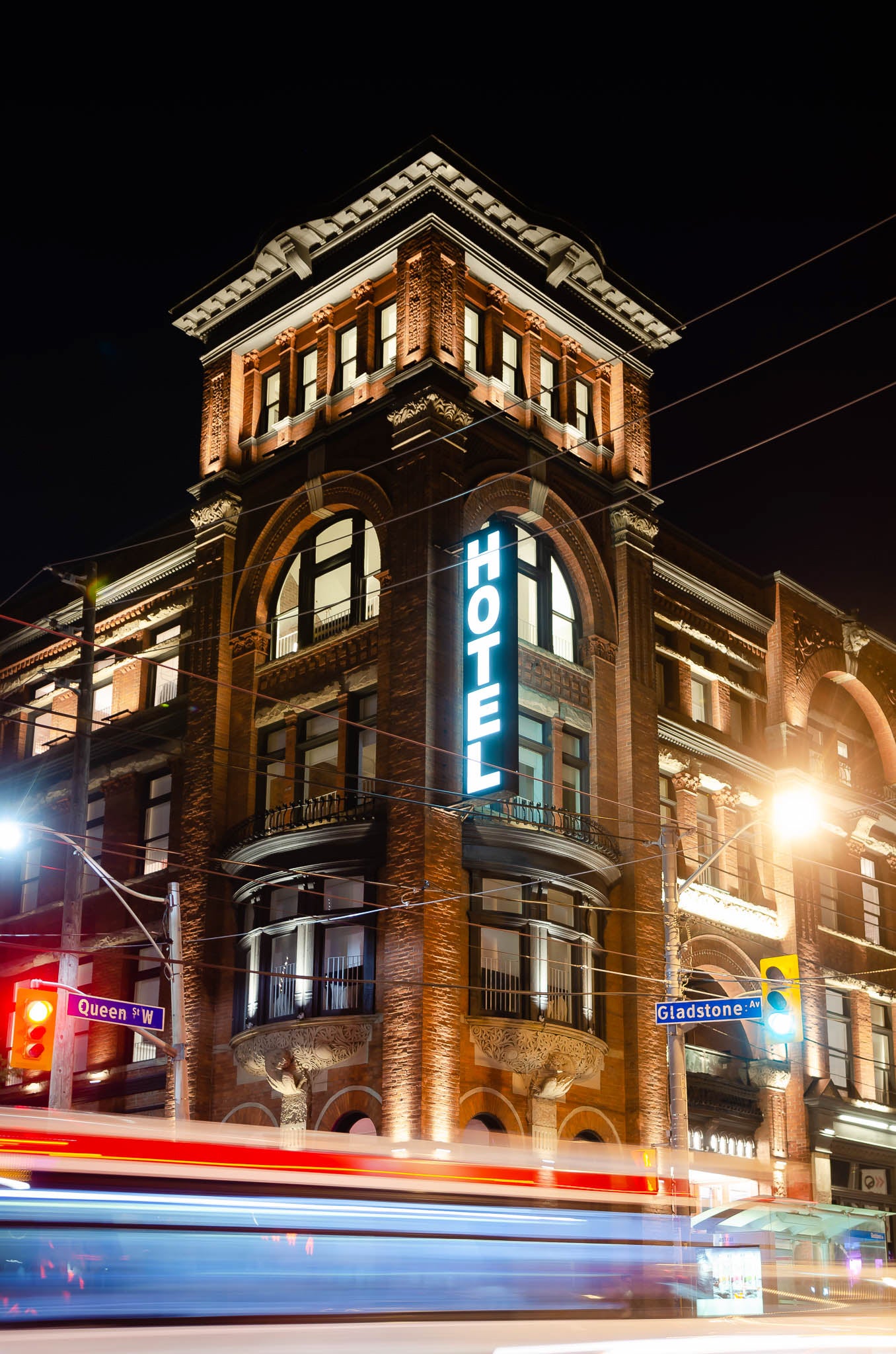
Thankfully, the exterior of Gladstone House has changed very little over the years. Only minor changes were made to the beautiful Richardsonian Romanesque facade. New lights now highlight the architectural details, and a new black-and-white sign has replaced the iconic vertical illuminated HOTEL sign.
Inside, the design team led by Elastic Interiors made sure to honour the history of Gladstone House while giving it a fresh look.
Throughout the hotel, historical and contemporary elements are interwoven.

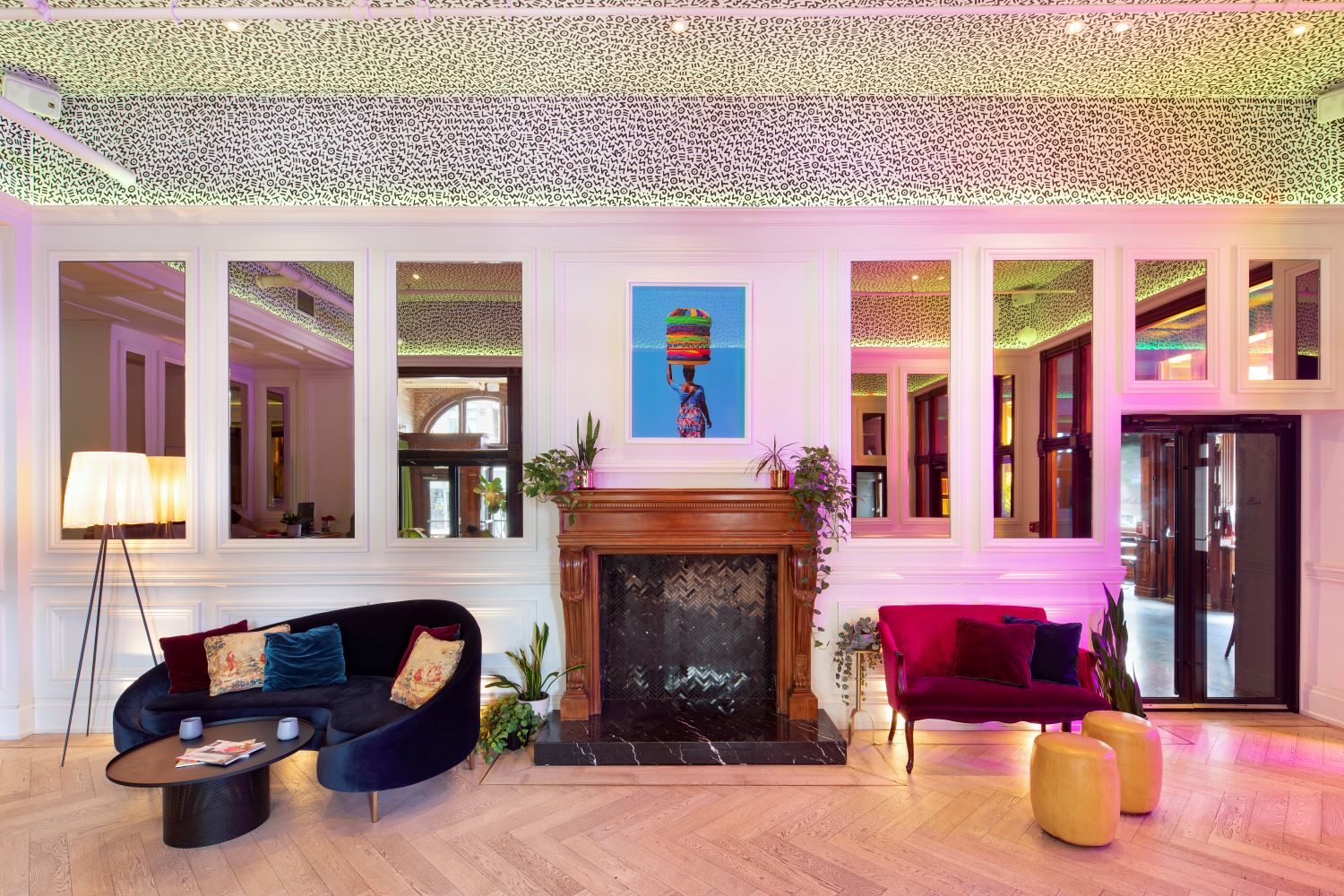
In the lobby, the vintage hand-operated elevator was preserved (it’s only one of about five remaining in Toronto) and original millwork around the entrance is complemented by new millwork in a heritage style. The check-in desk even incorporates vintage materials, and the furniture combines new pieces with reupholstered vintage pieces.
That same old meets new vibe is on full display in the Gladstone Bistro, a bright and spacious space that serves a superb all-day breakfast starting at 7am, as well as Cassette, part retro-inspired diner, part performance venue serving nostalgic classics with inventive cocktails.
“The hotel’s aesthetic is a constant conversation between the historical and the contemporary,” says Lee Petrie, curator at Archive Hospitality Group, owners and operators of the hotel. “There is a clear stylistic relationship between the exterior and interior, and the hotel offers all the comforts our guests expect.”
In many ways, Gladstone House feels like someone’s fabulously comfy house. There are warm and tactile elements throughout – exposed original brick, velvet upholstery and curtains, and real plants! And art plays a huge role in creating that warmth and personality.
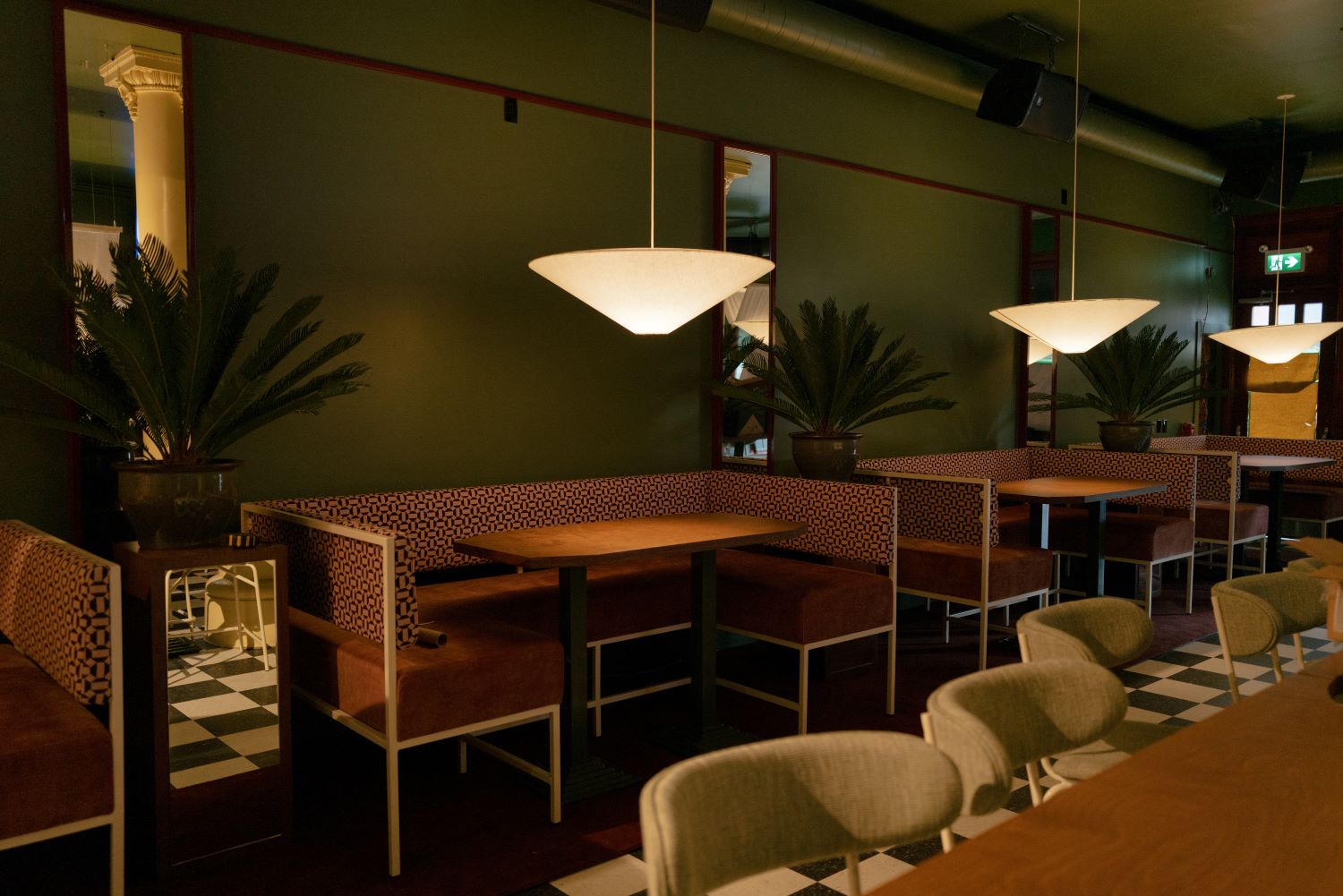

“We focus on collaborations with local artists, musicians, creatives, and cultural organizations that already have a strong connection to the city,” says Laura Squires, general manager at Gladstone House. “The goal is to create programming that feels relevant to the community and reflective of what’s happening in Toronto in real time, rather than something designed purely for hotel guests.”
The balance helps the hotel feel woven into the cultural fabric of the city. It’s a place visitors can experience Toronto, but also a place where locals still feel a sense of ownership. “We want our programming to feel authentic and consistent, where guests can expect a certain quality, a great time, and to maybe discover something new,” Squires says. “Our programming isn’t treated as something separate from the hotel experience; it’s part of the identity of the property and really what makes us unique.”
What makes Gladstone House a cultural landmark now is that it not only has become more than just a hotel with its arts and community programming, but it has helped kickstart a transformation of the entire neighbourhood, giving it a creative energy and a new identity.
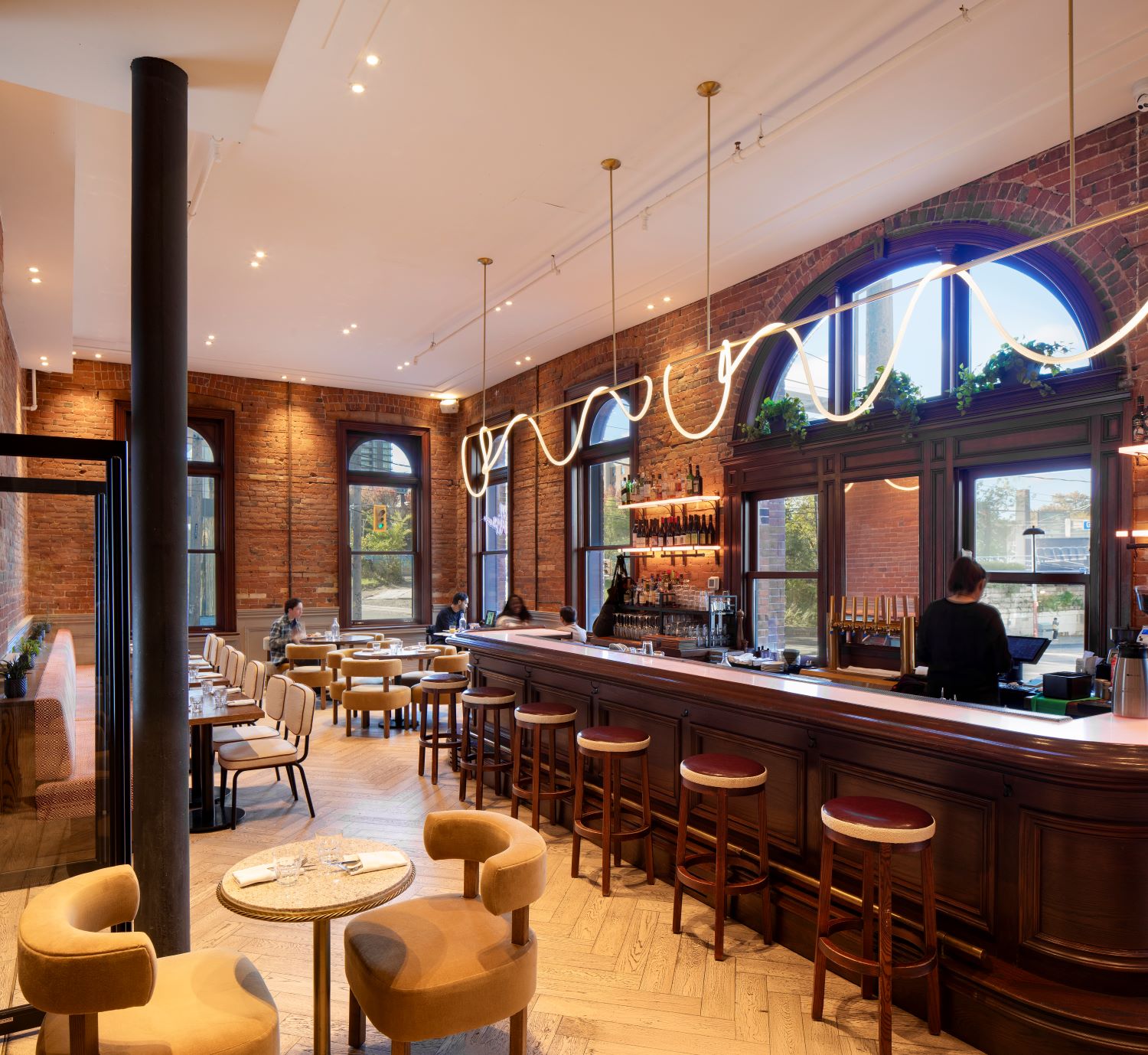

Its location on Queen Street West matters as much as the building itself. The area has long been associated with Toronto’s creative scene, and Gladstone House reflects and amplifies that identity through events, classes, and community use. The hotel feels plugged into the city’s arts scene rather than detached from it.
“The hotel has been part of the neighbourhood’s evolution for a long time,” says Squires. “It helped create space for artists, creatives, and independent businesses at a time when the area was still changing, and that legacy continues today. As the neighbourhood has grown, the hotel has stayed connected to the community.”
In doing so, the hotel has become synonymous with a “sense of place”. It doesn’t just sit at the northeast corner of Queen and Gladstone, but it is grounded in the neighborhood’s creative identity, heritage, and social energy.
Its restored Victorian bones, and ongoing arts programming make it feel like it’s part of Toronto’s cultural fabric – a living expression of Toronto rather than a generic place to stay.
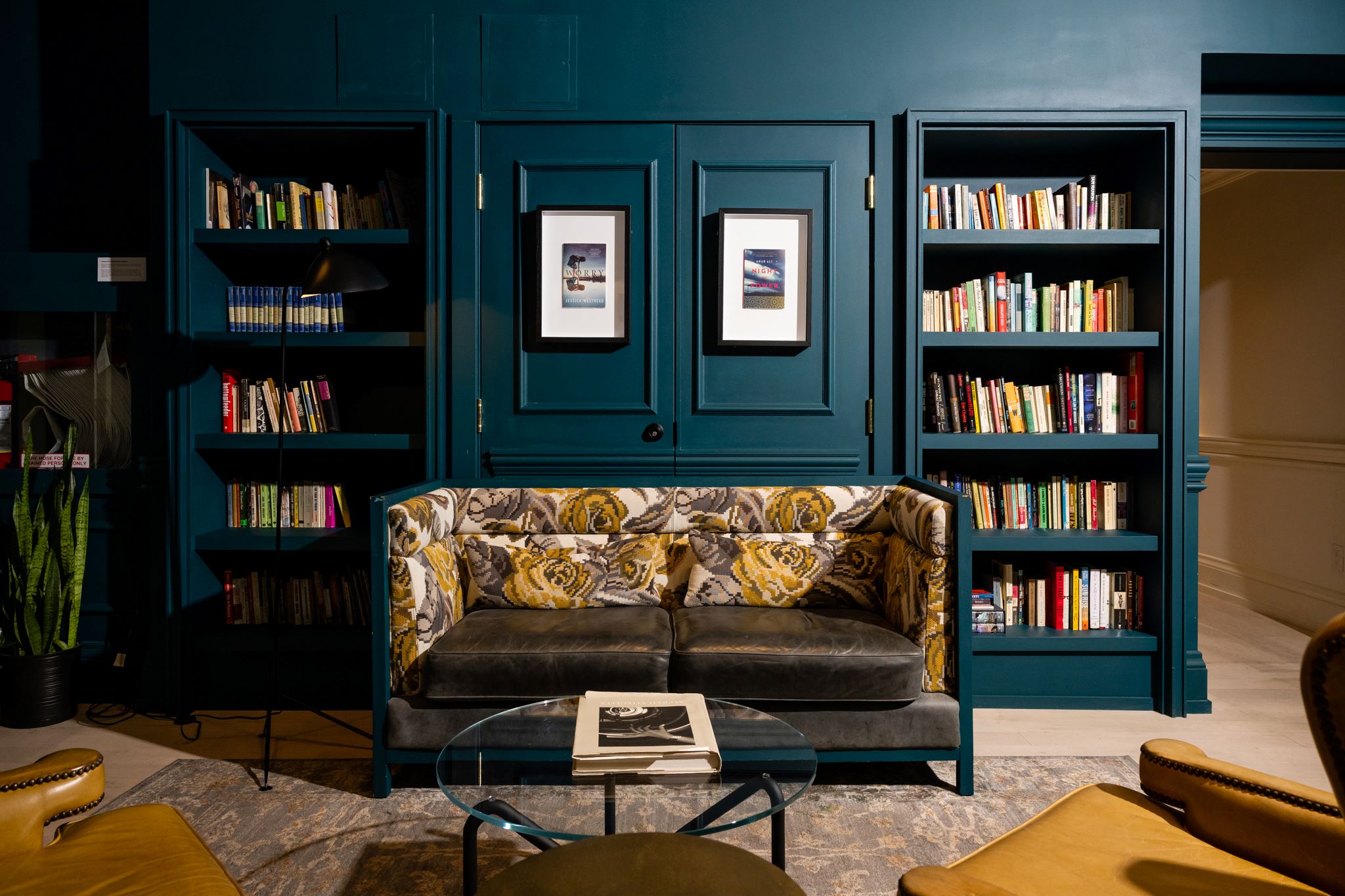

“At Gladstone House, the connection to the neighbourhood has always been really important,” says Squires. “We’re not trying to create a version of Toronto that could exist anywhere else; the goal is for the hotel to really reflect the area’s history, the character of the west end, and the people who shape it. A lot of that comes through in the details, from the art and design to the programming and partnerships we choose to invest in.”
Reinforcing that distinctive vibe is original art in all 55 guest rooms showcasing art by local and regional artists, giving guests a uniquely local experience and further connecting the hotel to the community.
“The design of the hotel allows both hotel guests and visitors off the street to explore the exhibitions in the public spaces,” says Petrie. “We not only have an opening celebration when the exhibitions change over every four months, but also the public spaces are open daily for anyone to view. We also have an Artist Residency program in our art studio – art is being made in the hotel. Three artists work at a time in a large studio on the lower level, with the door open so they can engage with guests and visitors. Each residency lasts three months, and since the program launched in 2021, we’ve welcomed close to 50 artists. “
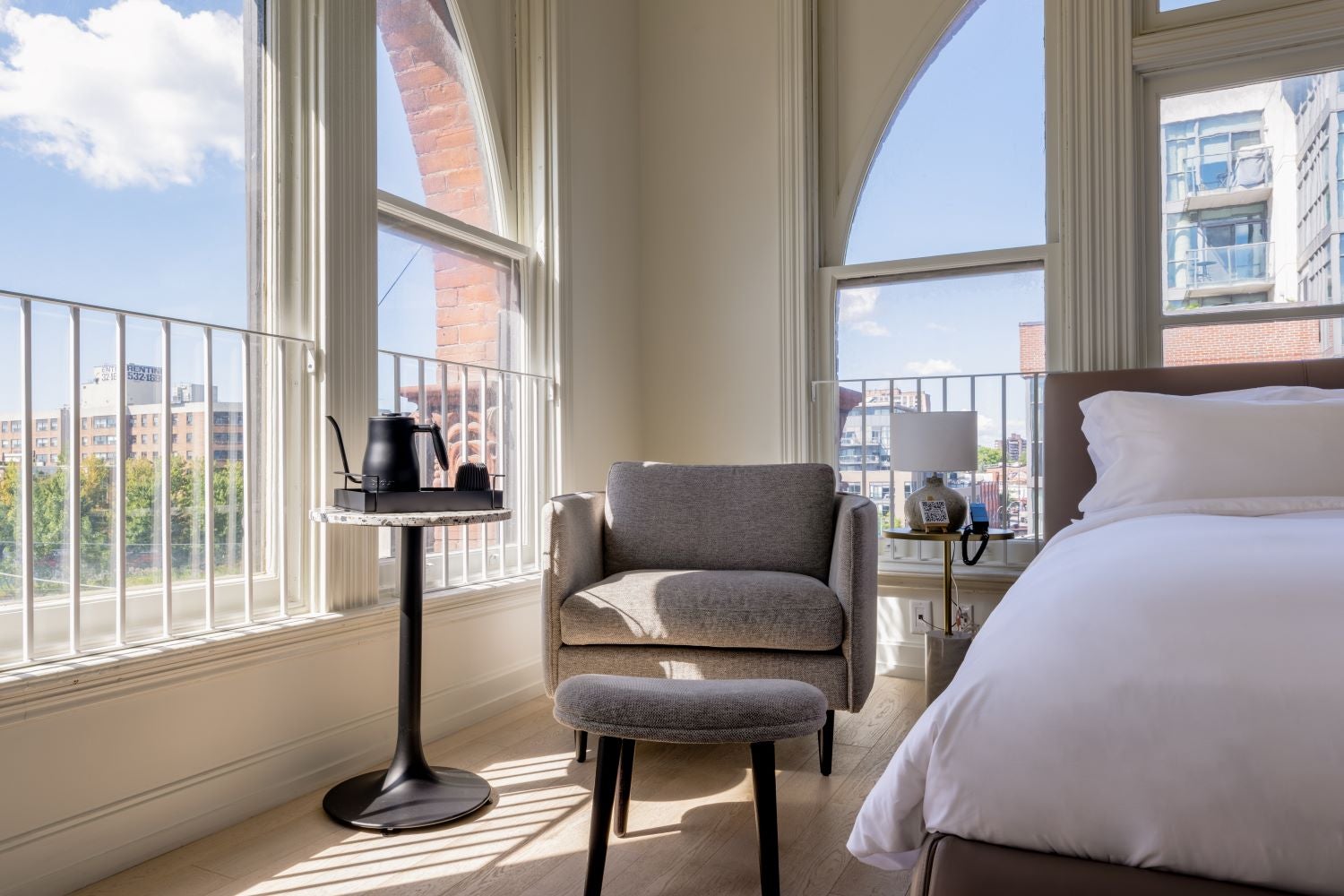
“Creativity is built into the identity of Gladstone House, so the design and public spaces are meant to feel expressive, layered, and a little unexpected, much like the neighbourhood itself,” says Squires. “We work with artists and collaborators who have a real connection to the city, and that helps the spaces feel personal and unique rather than overly polished or generic. The public life of the hotel is just as important. Between exhibitions, events, live music, community gatherings, and day-to-day activity, there’s a constant sense of movement and interaction. We want it to feel like a place people genuinely spend time in, not just pass through.”
This is a place I return to time and time again – a place where architecture, art, and community all converge and a comfy bed is just a phone call away.
If you Go:
Gladstone House
1214 Queen St West, Toronto, Ontario M6J 1J6
416-531-4635
info@gladstonehouse.ca