
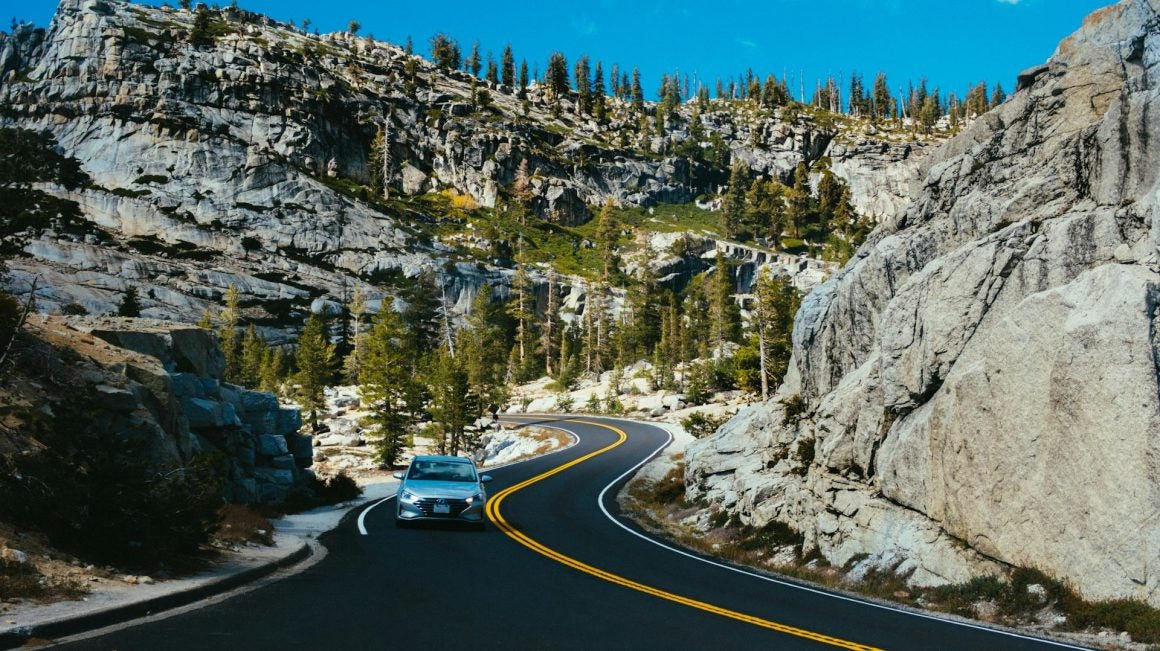
There is a specific kind of magic that happens when you pull out of your driveway with a full tank of gas and no immediate obligation to be anywhere.
For a lot of us, the last few years have been a blur of digital meetings and structured schedules. We have become experts at navigating the virtual world, but we’ve slowly lost touch with the physical one. Honestly, I think we’ve forgotten what it feels like just to be. This is why the classic road trip is making such a massive comeback. It is not just about getting from point A to point B. It is about the space in between. It is about the quiet moments at a rest stop in the middle of nowhere and the way the light hits the dashboard at sunset.
When you decide to take a long drive, you choose to reclaim your time. In a world that demands instant responses, being behind the wheel offers a rare form of sanctuary. You cannot answer an email while you are merging onto the interstate. You cannot scroll through social media when you are navigating a winding mountain pass. You’re forced to be present. That presence is where the real value of travel lies.
And isn’t that what we’re all looking for?
We often think of vacations as grand events that require passports and long flights, but some of the most profound shifts in perspective happen just a few hundred miles from home. I remember sitting in my car once, just watching the hum of the laptop at midnight before a trip, wondering if
I didn’t even know how to relax anymore.
Preparing for the Path Ahead
Before you can truly enjoy the freedom of the open road, you have to handle the practicalities. A good road trip is built on a foundation of preparation. You check your tires, you change your oil, and you make sure your documentation is in order. It’s about peace of mind. Part of that mental clarity comes from knowing you are protected. Whether you’re driving an old vintage truck or a brand new electric vehicle, having reliable car insurance is the silent partner in every mile you cover. It’s the safety net that allows you to focus on the playlist and the scenery rather than the “what ifs” of the highway.
Preparation also means packing with intention. Most people overpack for big trips, bringing gear they will never use. For a road trip, the goal should be comfort and utility. You want the layers that keep you warm during a late-night drive through the desert. You want the snacks that remind you of being a kid. But more than physical items, you need a sense of curiosity. If you see a sign for a roadside attraction that looks slightly ridiculous, pull over.
Those are the stories you end up telling later.
The goal is to move away from the efficiency of everyday life and lean into the spontaneity of the journey. But how often do we actually let ourselves wander? Maybe not enough.
The Psychology of the Open Road
There’s a psychological phenomenon that occurs during long-distance driving. Psychologists often refer to it as a “flow state.” When you’re engaged in a task that requires focus but also allows for reflection, your brain begins to process thoughts differently. You know, many people find that their best ideas come to them while driving. The steady hum of the road acts as a sort of white noise for the soul. It clears away the clutter of daily anxieties and leaves room for big picture thinking.
We spend so much of our lives indoors. Walls, screens, and artificial light surround us. Getting out on the road breaks that cycle. You see the geography change. You watch the trees transition from oak to pine. You feel the temperature drop as you gain elevation. And that’s the point. This connection to the environment is vital for our well-being. It reminds us that the world is much larger than our immediate circle of concern.
It gives us a sense of scale that’s hard to find in a city or an office. We need to take a broader view sometimes.
Finding Connection in Unexpected Places
One of the most underrated aspects of a road trip is the human connection. When you stop in a small town for lunch, you aren’t just getting fuel for your body. You’re getting a glimpse into a different way of life. Taking the time to talk to a local business owner or a fellow traveler at a scenic overlook adds layers to your experience. These interactions are often brief, but they’re meaningful. They remind us of our shared humanity.
In a digital age, these face-to-face moments are becoming increasingly rare. We tend to stay in our bubbles, interacting only with people who think as we do. The road forces you out of that bubble. It introduces you to different dialects, different foods, and different perspectives. You might find yourself having a deep conversation about life with a stranger at a diner in Nebraska.
Those moments are the “souvenirs” that actually matter.
They don’t take up space in your suitcase, but they stay with you long after you return home.
Have you ever noticed how the smallest encounters stay with you the longest? It’s beautiful, actually.
The Art of the Return
The end of a trip is often met with a sense of melancholy. You see the familiar landmarks of your own neighborhood and realize the adventure is over. However, the true success of a road trip is measured by how you feel when you step back through your front door. You should return feeling a little more grounded and patient. The road has a way of smoothing out the rough edges of our personalities.
The perspective you gain from the journey should inform your daily life. You might find that you’re less rushed in traffic or more appreciative of the quiet moments in your morning routine.
You realize that you don’t always need a destination to justify a drive. Sometimes, the act of moving is enough. So, what is stopping us from leaving today?
We’re all just travelers in one way or another, trying to find our way through the landscape of our lives. As you plan your next escape, remember that the vehicle is just a tool. The highway is just a path. The real destination is a version of yourself that’s a little more awake. And maybe that is all we really need.