

At first glance, HBO’s 7 Days in Hell—the 2015 mockumentary starring Andy Samberg and Kit Harington—plays like pure cartoon lunacy.
A fictional Wimbledon match stretches on for an entire week, careers implode in real time, and tennis tradition is dragged gleefully through the mud.
But as writer Murray Miller has noted, much of the special’s most outrageous material isn’t invented. It’s exaggerated, reframed, and weaponized for comedy—but it’s rooted firmly in tennis history. The joke works because the sport itself has long flirted with the absurd.
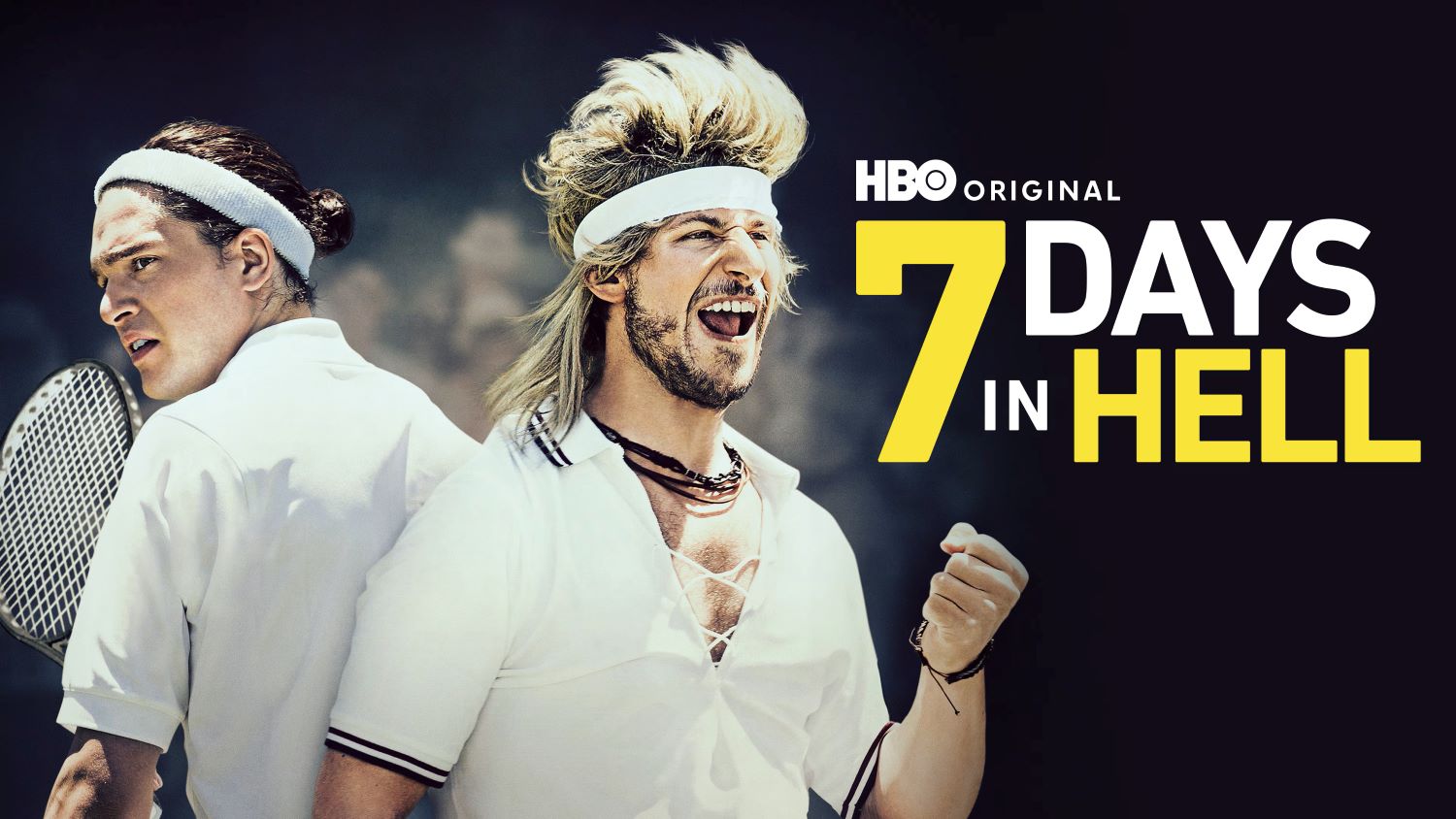

Here are 10 moments from 7 Days in Hell that sound fake—but aren’t.
1. Marathon tennis matches really happen
The film’s central conceit—a match lasting seven days—is a satirical escalation of a real outlier: John Isner vs. Nicolas Mahut at Wimbledon in 2010, an 11-hour, 5-minute contest spread over three days. The match was so disruptive it directly led to rule changes across the sport. According to Murray Miller, that match directly inspired the mockumentary.
2. Wimbledon once had no final-set tiebreak
Until 2019, Wimbledon required players to win the final set by two full games, no matter how long it took. That antiquated rule is precisely what allowed matches like Isner–Mahut to spiral into endurance tests bordering on the farcical.
3. A line umpire really did die after being hit by a serve
In 1983, Dick Wertheim, a 61-year-old line umpire at the U.S. Open, was struck in the groin by a serve from Stefan Edberg. Wertheim fell from his chair, hit his head on the court, and later died from complications related to a blood clot. The ball didn’t kill him—but it set off the fatal chain of events.
4. Wimbledon weather delays are legendary
Before Centre Court’s retractable roof, rain delays routinely stretched matches across multiple days. Suspensions, resumptions, and scheduling chaos were baked into the tournament—mirroring the film’s deliberately maddening stop-start structure.
5. Björn Borg really launched an underwear empire
After retiring, Swedish icon Björn Borg founded The Björn Borg Collection, a fashion brand now best known internationally for its underwear. The idea that a tennis legend might pivot into intimate apparel isn’t a gag—it’s branding history. Murray Miller says he was actually a loyal supporter of the brand long before scripting something similar.
6. Anatomically aggressive underwear exists
Yes, underwear designed with a hole specifically for the scrotum is real. Companies like SacFree market products that promise testicular “freedom” and ventilation. 7 Days in Hell merely points the camera at the obvious punchline. Miller says he was given a pair as a joke birthday gift and hopes that including a version in the comedy special helped boost sales at SacFree.
7. Wimbledon has, in fact, had streakers
The most infamous incident occurred at Wimbledon in 1974, when a nude streaker ran onto Centre Court during a men’s match—an event often cited as the first major streaking moment in modern sports. Security policies tightened considerably afterward.
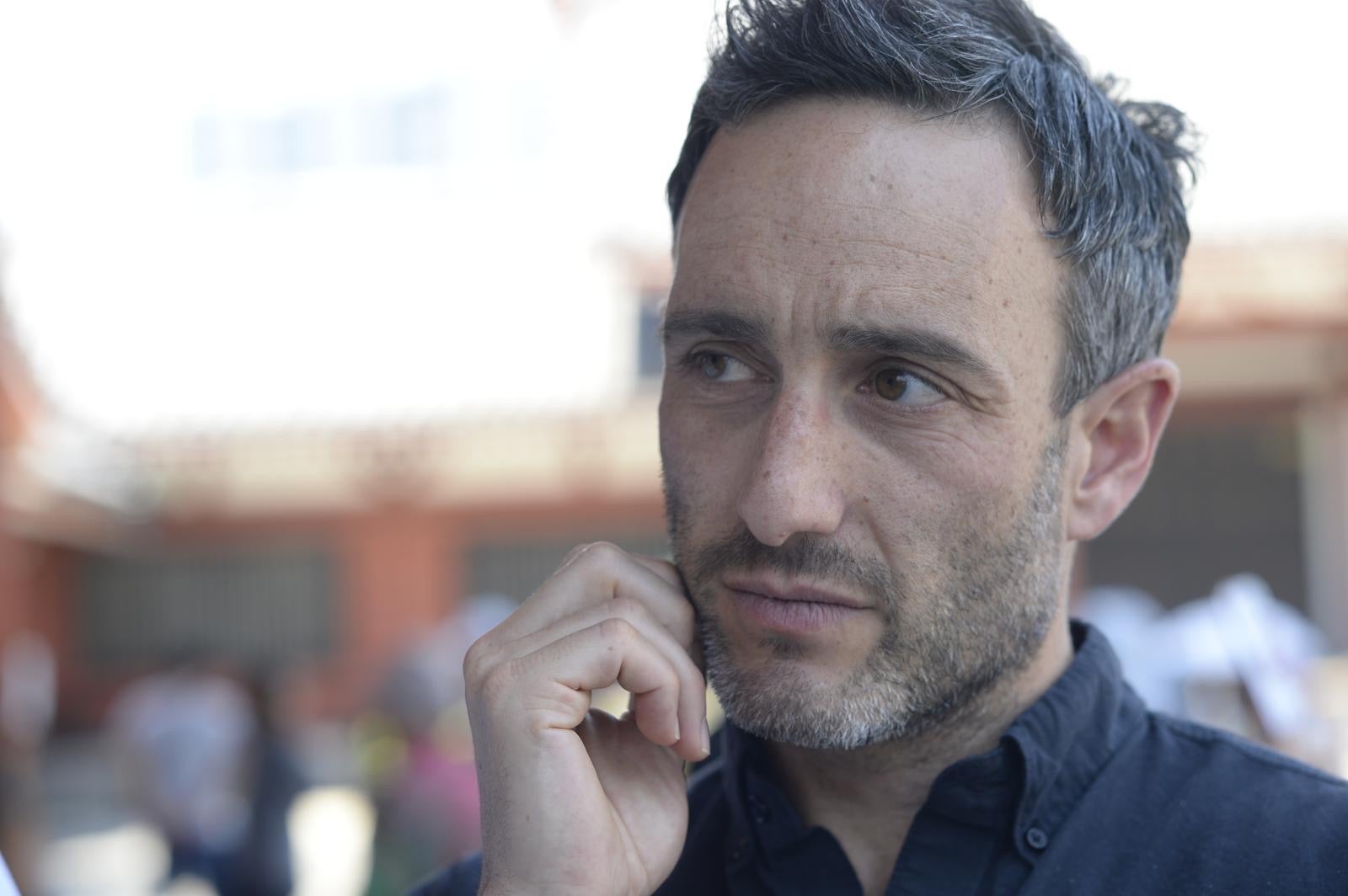

8. Tennis stars have a long history of volatility
The exaggerated personas of Aaron Williams and Charles Poole parody a real lineage of combustible talent—from John McEnroe to Marat Safin to Nick Kyrgios. Tennis has never lacked for brilliance paired with emotional implosion.
9. Players do collapse from exhaustion at Grand Slams
Extreme heat, five-set formats, and marathon matches have led to real physical breakdowns. In the 2009 Australian Open semifinal, Fernando Verdasco repeatedly collapsed late in a 5-hour, 14-minute match against Rafael Nadal, requiring immediate medical attention afterward.
10. The Williams sisters weren’t the only tennis-playing siblings
Venus and Serena Williams trained alongside their half-sisters Lyndrea and Isha Price during childhood in Compton and Florida. While only Venus and Serena reached the professional pinnacle, the family’s multi-sibling tennis upbringing is real—not mythmaking.
The punchline works because the truth is stranger
7 Days in Hell succeeds not because it invents madness, but because it exposes how much madness was already there. By anchoring its satire in tennis’s real structural flaws, outdated traditions, and extreme personalities, Murray Miller turns a mockumentary into a distorted mirror.
The comedy lands because the foundation is real—even when the execution is completely unhinged. And if you need a reminder of just how far the sport has flirted with absurdity, 7 Days in Hell is now streaming on Max.