

A quiet shift in how the internet gets built is currently playing out across the tech industry, upending a decades-old corporate pipeline.
For years, the tech sector relied on a strict assembly line: brand designers handled the logos, product designers mapped the user interfaces and software engineers wrote the code to make it all work. Today, early-stage startups are increasingly bypassing this fragmented chain for a single, hyper-generalist role: the “full-stack designer.”
This new wave of creators owns the entire process, taking a company from its initial visual identity and 3D motion graphics straight through to the final, shipped front-end code.
Axel Piccioni would know. The 25-year-old self-taught designer from Argentina is a self-described full-stack designer. He is also the co-founder of Filter, an independent design and engineering studio, Piccioni has become a go-to fixer for venture-backed startups, creating client work for companies like Figma, Azura and Coinbase.
But while some industry executives are skeptical of the role of the full stack designer, it is more than just cutting costs.
“A full-stack designer means everything a user sees, touches, or experiences comes from a single, coherent perspective,” says Piccioni. “Engineering is just one material in the stack; it isn’t the whole point of the project.”
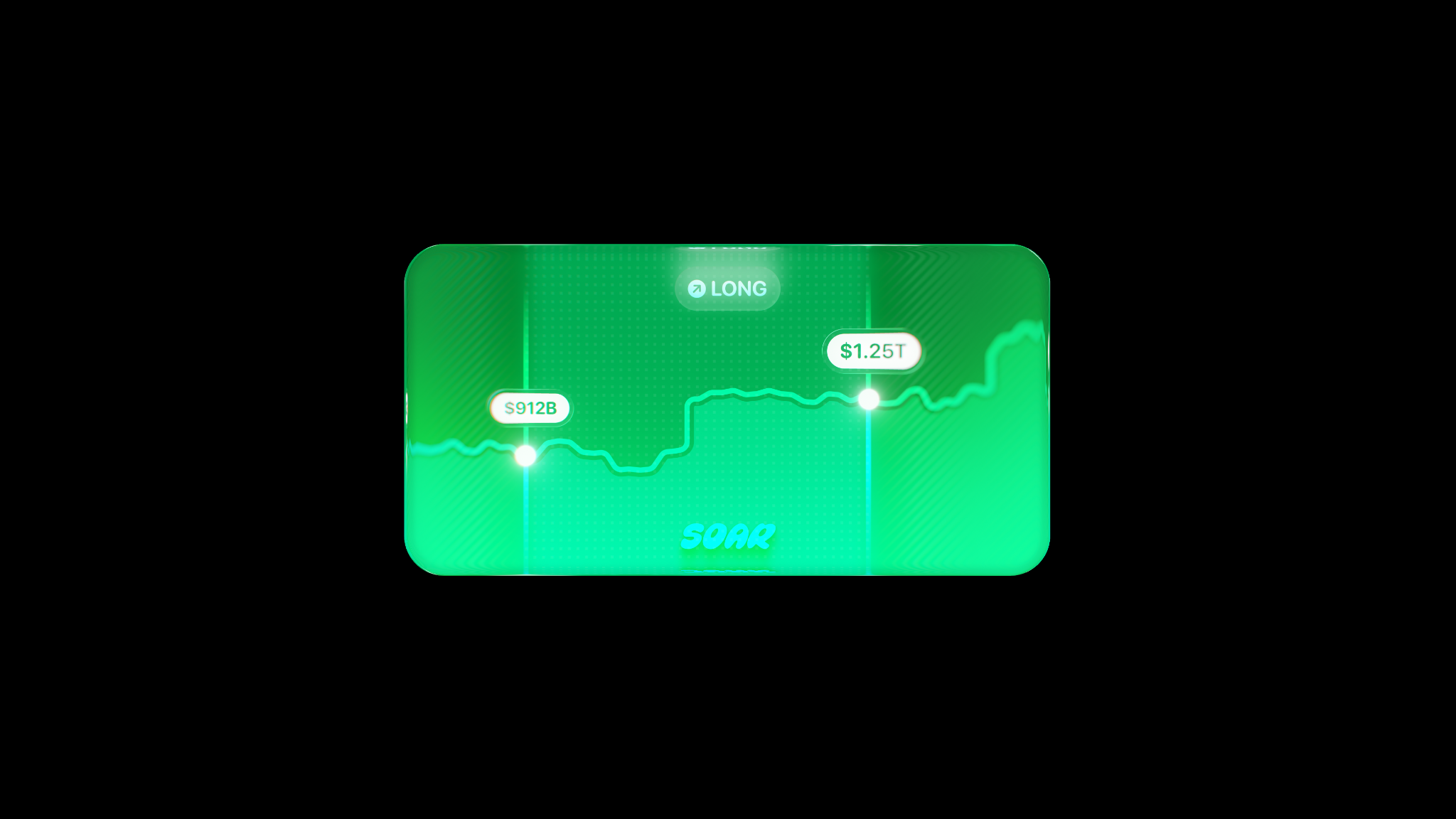

Piccioni was an early adapter of the multi-faceted role. At 21, he was the sole end-to-end product designer for Cubby, an AI law-study platform that went on to raise a $2.75 million seed round. He later built the brand and platform for Rhythm, a Solana-based protocol launched out of MoonPay Labs that was quickly acquired. If that wasn’t enough, he designed the brand and interface for Azura, an on-chain trading platform that raised $6.9 million in a round led by Initialized Capital and has since cleared more than $2 billion in trading volume.
But to Piccioni, who started messing around on computers as a child, making graphics for online creators, he says the role only became realistic over the last few years.
“Historically, one person physically couldn’t handle brand, product, motion and production code at a competitive level; there just weren’t enough hours in the day,” said Piccioni. “But modern design tools are component-driven, motion has transitioned into code, and AI has drastically cut down the time it takes to execute tasks. The bottleneck isn’t manual labor anymore. The limit today is strictly taste, style and research.”
By removing the traditional “handoff” where designers pass static visual files to separate engineering teams, full-stack designers are cutting out the typical friction points that muddy a product’s launch.
“The handoff is usually where the original quality gets diluted,” Piccioni says. “A static mockup can’t convey the true intent of a digital product: the exact timing of a transition, the weight of an animation curve, or how a screen flows. When the person who designs the interaction is the same person writing the code, the final result is tighter, faster, lighter and feels more intentional.”

This type of tight turnaround is catching the attention of early-stage founders who need to get to market immediately. For the website for Octane Security, for example, Piccioni personally built the website, front-end code, and pitch materials so the company launched with a single voice. The startup then subsequently raised $6.75 million, months after the website was launched.
Skeptics in the design world often argue that the full-stack model creates jacks-of-all-trades who are masters of none, or that it’s a convenient excuse for companies to squeeze three jobs out of one person. Piccioni agrees those are real risks for mediocre execution, but argues that the criticism misses where the industry is headed in 2026 and beyond. While massive corporations with thousands of employees will always need hyper-specialized teams, small, agile startups face a different reality.
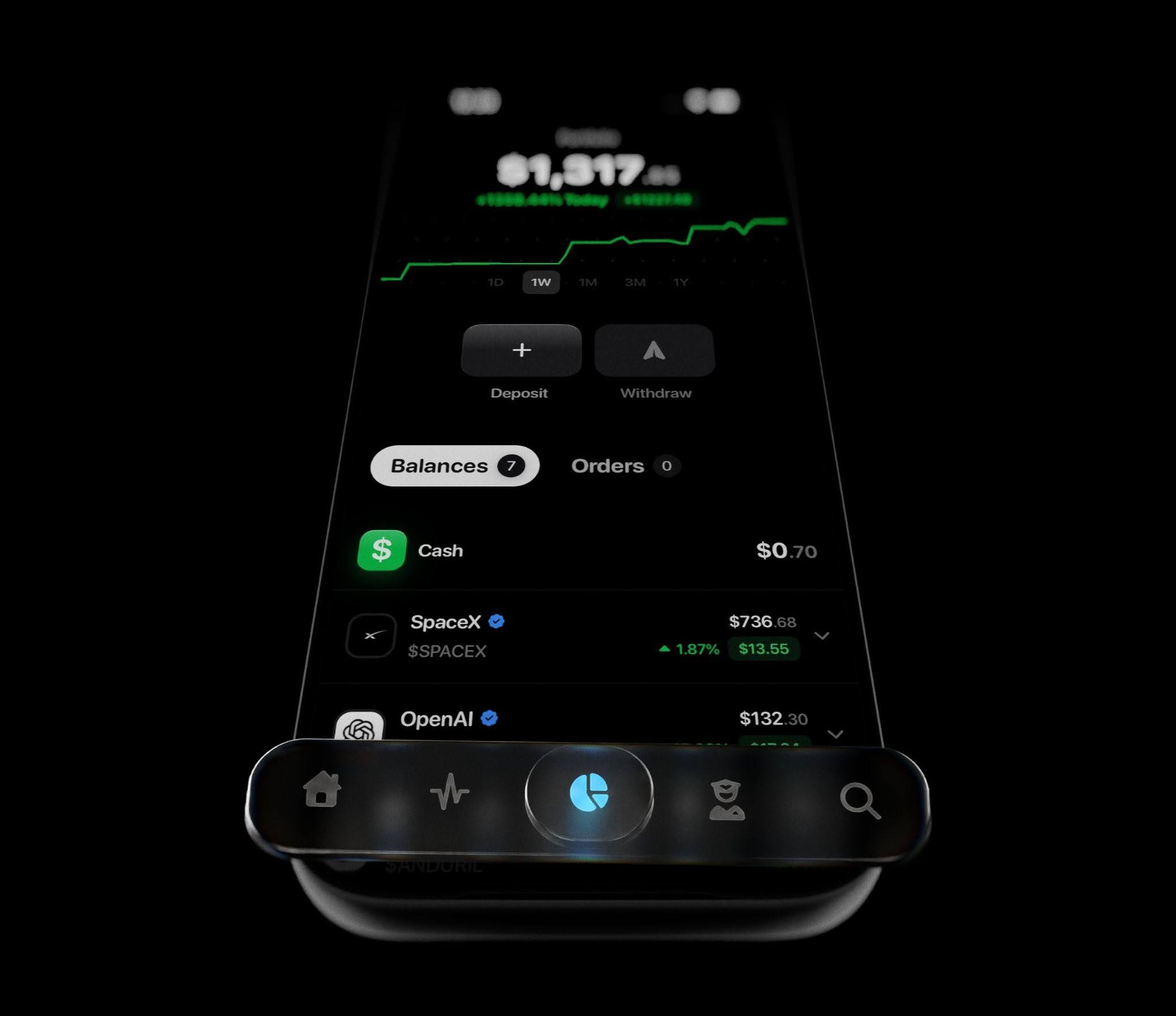
Piccioni would know. He is walking the walk as the founding designer and product lead at SOAR, a financial platform aimed at making private-company pricing transparent.
“Startups aren’t looking to coordinate across three separate specialists; they are looking for speed and visual consistency,” Piccioni says. “When your brand, marketing, interface, and motion all come from one head, everything aligns by default. Modern users notice when a product feels unified. Ultimately, the internet rewards teams that can move fast and ship—and full-stack designers ship.”