
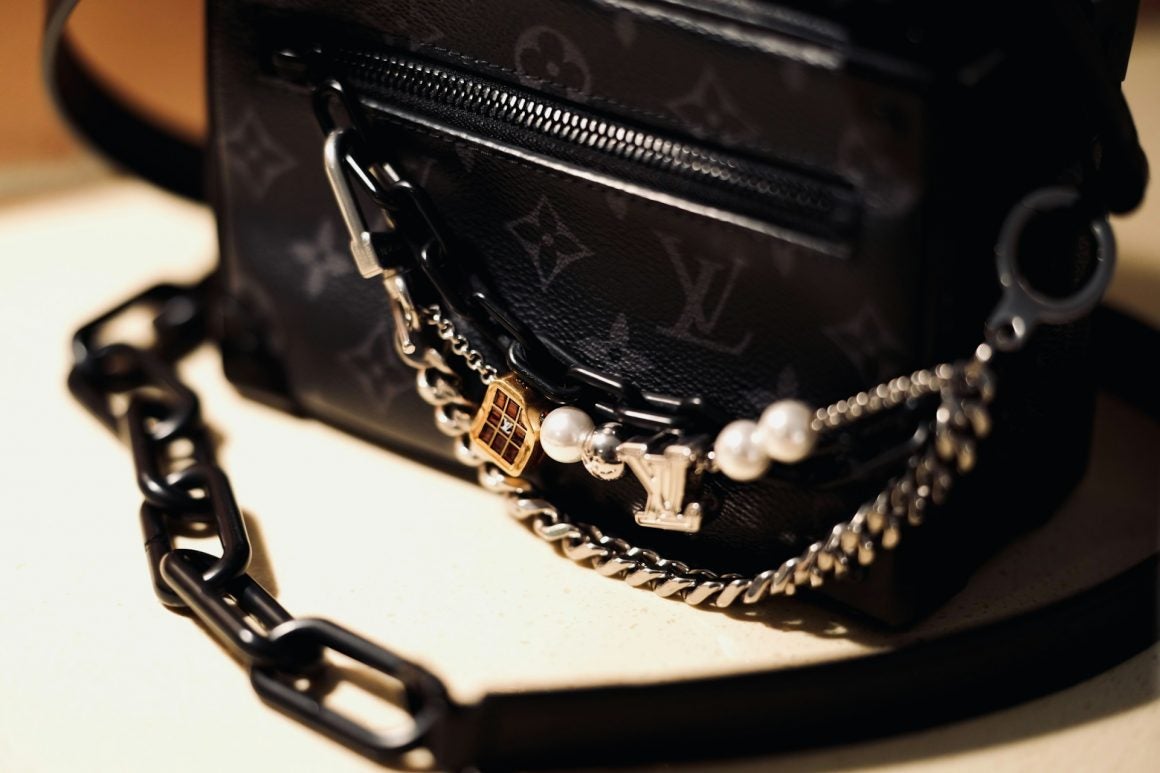
Luxury fashion has long transcended mere clothing—it is a language of identity, heritage, and cultural expression.
In an era where personal style is both curated and broadcast globally, accessories like handbags have become powerful symbols of taste, investment, and artistry. From the structured elegance of a decades-old silhouette to the bold geometry of a new-season release, luxury items carry stories of craftsmanship, innovation, and legacy.
Yet with so many options—and an increasingly complex resale market—discerning shoppers are seeking more than just products; they want trusted pathways to authenticity, rarity, and editorial insight. This article explores the evolving luxury landscape, examining why iconic pieces endure, how Paris continues to shape global aesthetics, and what makes thoughtful curation essential in today’s digital marketplace—all without brand promotion, but with clarity on how consumers can navigate this refined world with confidence.
The Enduring Appeal of Luxury Handbags
Few fashion items command the same blend of desire, utility, and collectibility as the luxury handbag. More than a vessel for essentials, it is often the centerpiece of an outfit—a statement of personal philosophy. What makes these pieces timeless is not just their logos, but their construction: hand-stitched leather, precisely engineered hardware, and designs refined over generations.
Collectors and enthusiasts often begin with iconic models—the quilted Chanel 2.55, the minimalist Celine Luggage, or the instantly recognizable monogrammed styles from Louis Vuitton. These bags endure not because they’re trendy, but because they embody balance: heritage meets function, tradition meets modernity.
For those exploring this space, discovering authentic pieces—whether current-season releases or rare archival editions—requires access to reliable sources. Platforms that specialize in verified luxury goods offer a valuable bridge between aspiration and acquisition. For example, curated selections that include sought-after classics like Louis Vuitton handbags, alongside contemporary interpretations from other houses, allow shoppers to explore with assurance of provenance and condition.
Paris as the Heart of Global Fashion
Paris remains the undisputed capital of luxury fashion—not merely for its historic maisons, but for its enduring design philosophy: effortless chic. Rooted in restraint, precision, and an almost poetic attention to detail, the Parisian approach favors quality over quantity, silhouette over spectacle.
This ethos influences how luxury is presented and consumed worldwide. Even brands based outside France often debut collections in Paris, acknowledging its symbolic weight. More importantly, Paris-based platforms inherit this sensibility—curating not just products, but narratives. They emphasize how a structured tote can anchor a fluid dress, or how a vintage-inspired bag can refresh a modern ensemble. It’s fashion as dialogue, not display.
Curated Luxury vs. Mass Luxury Consumption
Why Curation Matters in High-End Fashion
The difference between browsing thousands of SKUs and engaging with a thoughtfully edited selection is profound. True curation involves intention: understanding which pieces resonate across seasons, which designers push boundaries meaningfully, and which items hold long-term value. It also includes rigorous authentication, transparent sourcing, and contextual storytelling—elements often missing in mass-market retail.
In high-end fashion, less is more. A tightly edited offering signals expertise, not limitation.
Mixing Timeless Icons with Contemporary Pieces
Modern luxury wardrobes thrive on contrast. A classic Chanel flap bag might be paired with avant-garde tailoring from a Seoul-based designer; a Dior Saddle bag could elevate relaxed linen separates. This “mix & match” approach—championed by Parisian stylists—celebrates individuality while honoring craft. It rejects rigid brand loyalty in favor of stylistic harmony, where heritage and innovation coexist.
Accessing Rare and Exclusive Pieces
Interest in archival and limited-edition luxury items has surged in recent years. Collectors seek discontinued colorways, early-production models, or special collaborations that tell a unique story. These “Ultimates”—such as rare Louis Vuitton pieces from past collections—are prized not for their novelty, but for their scarcity and historical significance.
However, acquiring such items carries risk. Without proper verification, buyers may encounter misrepresented condition, counterfeit materials, or inflated pricing. Reputable platforms mitigate these concerns by offering authenticated, pre-vetted pieces with full transparency—making rare finds accessible without compromising trust.
Trust, Authenticity, and the Online Luxury Experience
When purchasing high-value fashion online, consumers prioritize three things: authenticity, service quality, and editorial integrity. They want to know a piece is genuine, arrives in perfect condition, and aligns with their aesthetic vision.
This is where specialized platforms distinguish themselves. 24S, for instance, operates as LVMH’s dedicated e-commerce destination, rooted in Paris and aligned with the group’s luxury standards. It offers authenticated products directly from brand partners, features strong editorial content that contextualizes trends, and maintains a distinctly Parisian perspective on style—blending iconic houses like Celine and Dior with emerging voices. Its focus on verified exclusives, including archival selections, supports informed, confident shopping without hype or pressure.
The Broader Luxury Landscape
While certain handbags capture headlines, luxury fashion is a rich ecosystem. Houses like Chanel uphold artisanal traditions through Métiers d’Art ateliers; Celine redefines minimalism with architectural precision; Dior merges romanticism with modern femininity. Together, they shape global conversations—not through competition, but through complementary visions of beauty and craftsmanship.
Emerging designers further enrich this landscape, often gaining visibility through Paris Fashion Week or collaborations with established institutions. The result is a dynamic, layered market where legacy and innovation feed one another—offering consumers a spectrum of choices that reflect diverse values and aesthetics.
Conclusion
Today’s luxury fashion landscape is defined not by logos alone, but by intentionality—both in creation and consumption. Iconic handbags endure because they represent mastery; emerging designers thrive because they challenge norms; and Paris remains central because it champions style as an art form.
As e-commerce evolves, the role of trusted, curated platforms becomes ever more vital. They don’t just sell products—they provide context, assurance, and access to the full breadth of luxury, from timeless staples to rare treasures. In doing so, they honor the core promise of true luxury: that every piece, when chosen with care, tells a story worth wearing.