Drop us a line if you’re interested in getting involved.
Whether it be sponsorship, contribution, feature or other,
we would love to hear from you!
Drew Williams
Kristen Anzelc
Derek Williams
Jenny Lawson
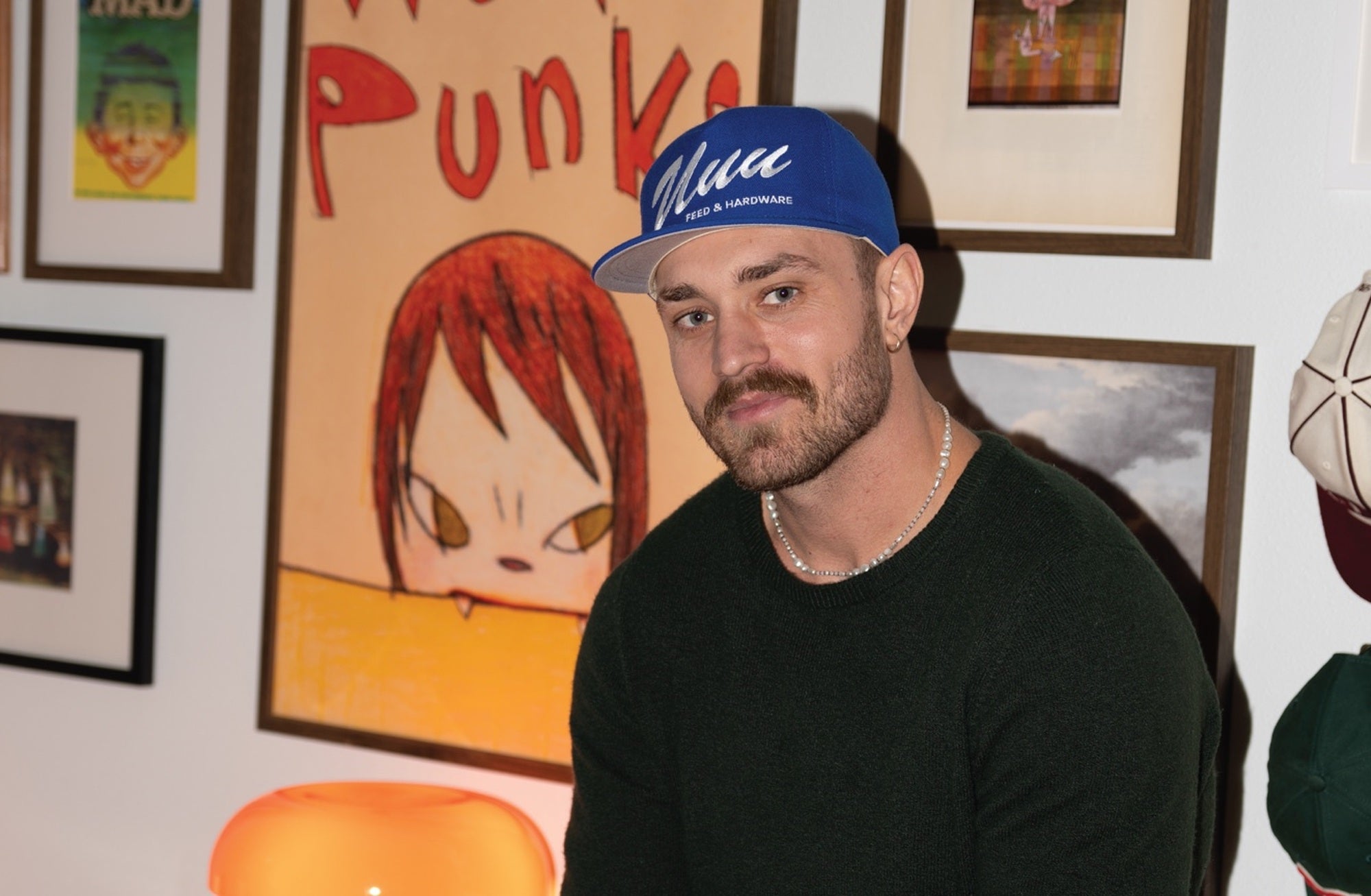
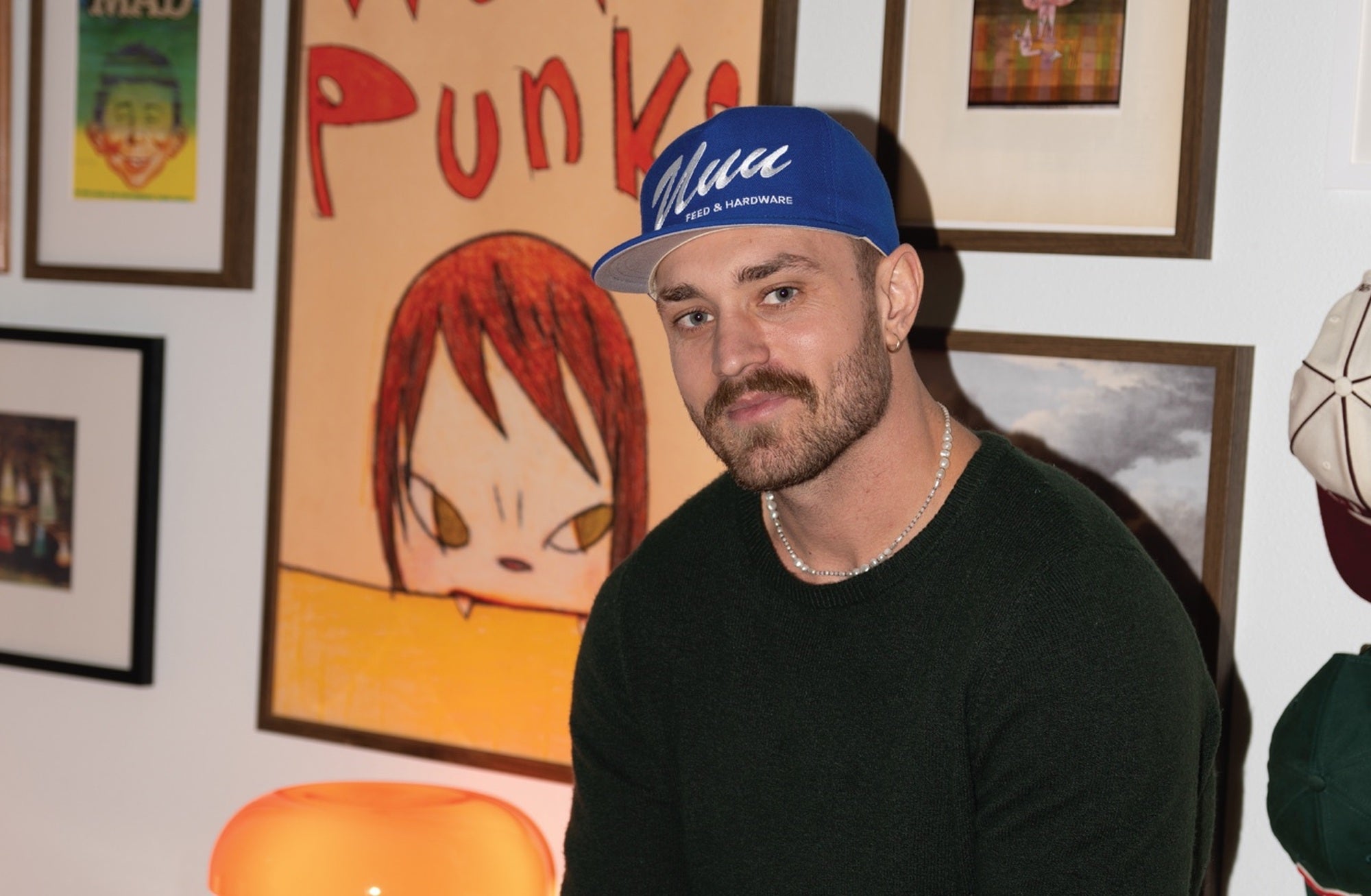
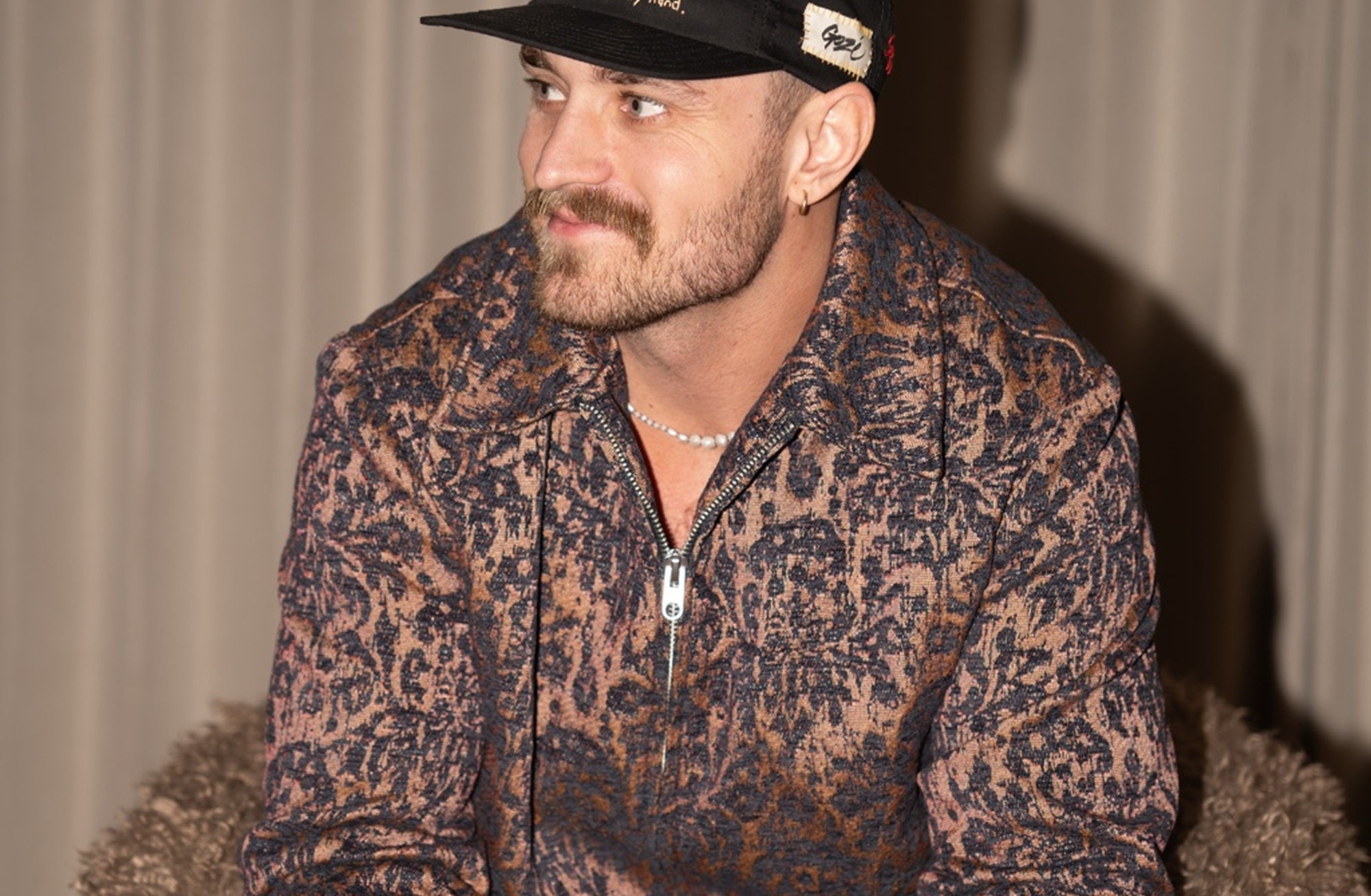
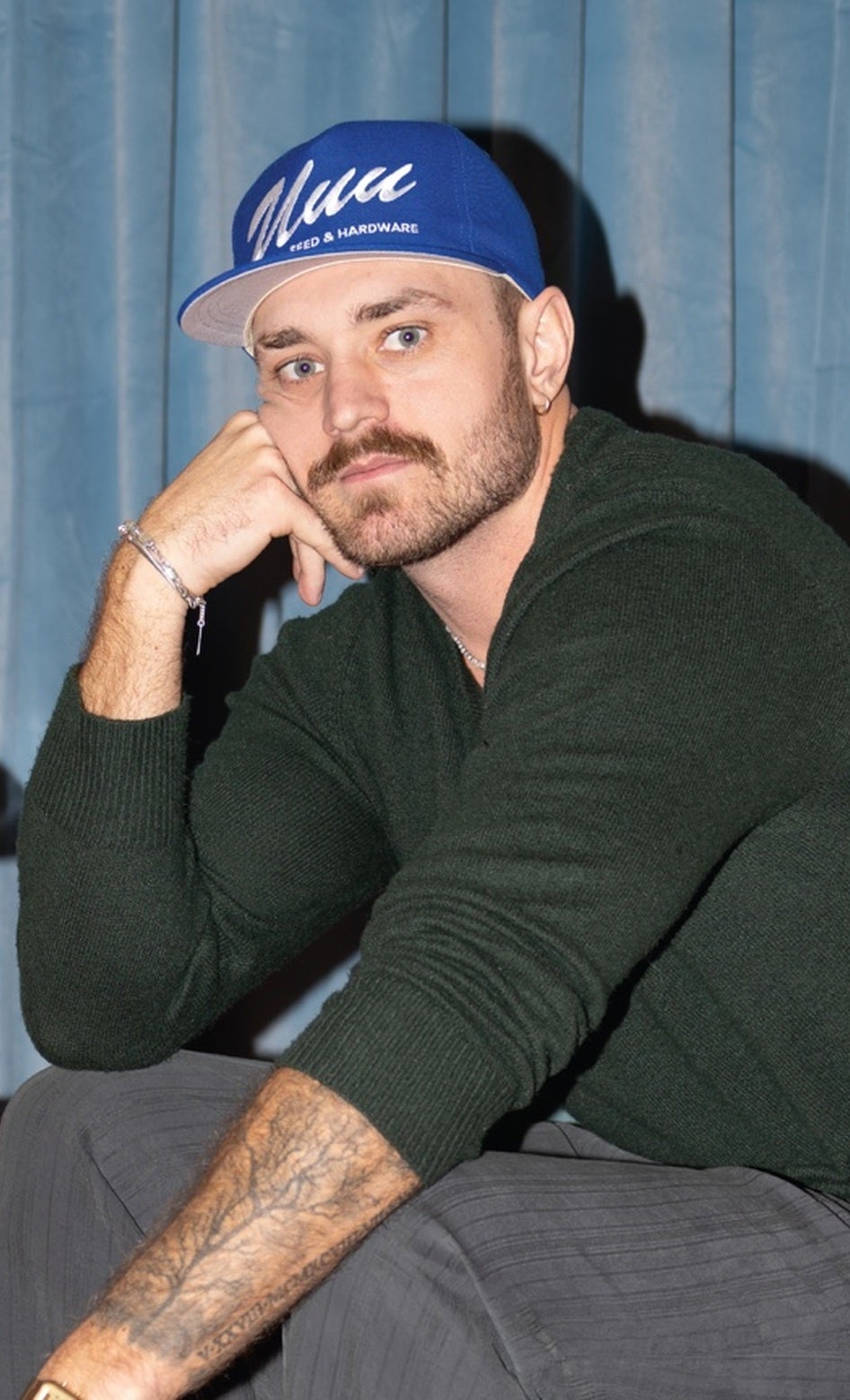
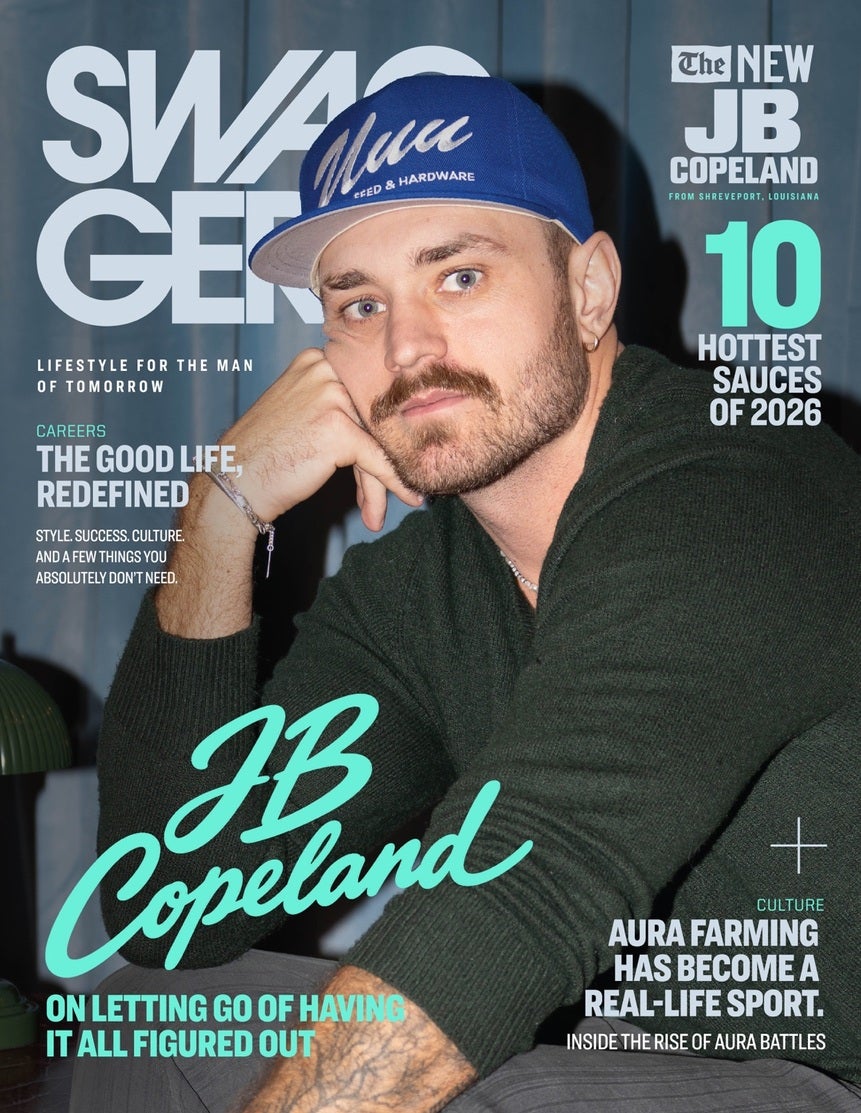
JB Copeland has built a community of millions around a simple idea: you don’t have to have everything figured out to talk honestly about what you’re going through.
The 31-year-old creator, author and mental health advocate reaches nearly 2.8 million followers across social media platforms, where he talks openly about addiction, recovery, relationships, self-worth and the often uncomfortable work of figuring out who you are.
Long before that, Copeland’s identity was tied almost entirely to football. A former University of North Carolina player, he grew up surrounded by sports—his father played, his younger brother played and his uncles all played football. For a long time, being an athlete was simply who he was.
“In my head back then, being a football player is what made someone lovable or made someone likable,” Copeland tells SWAGGER.
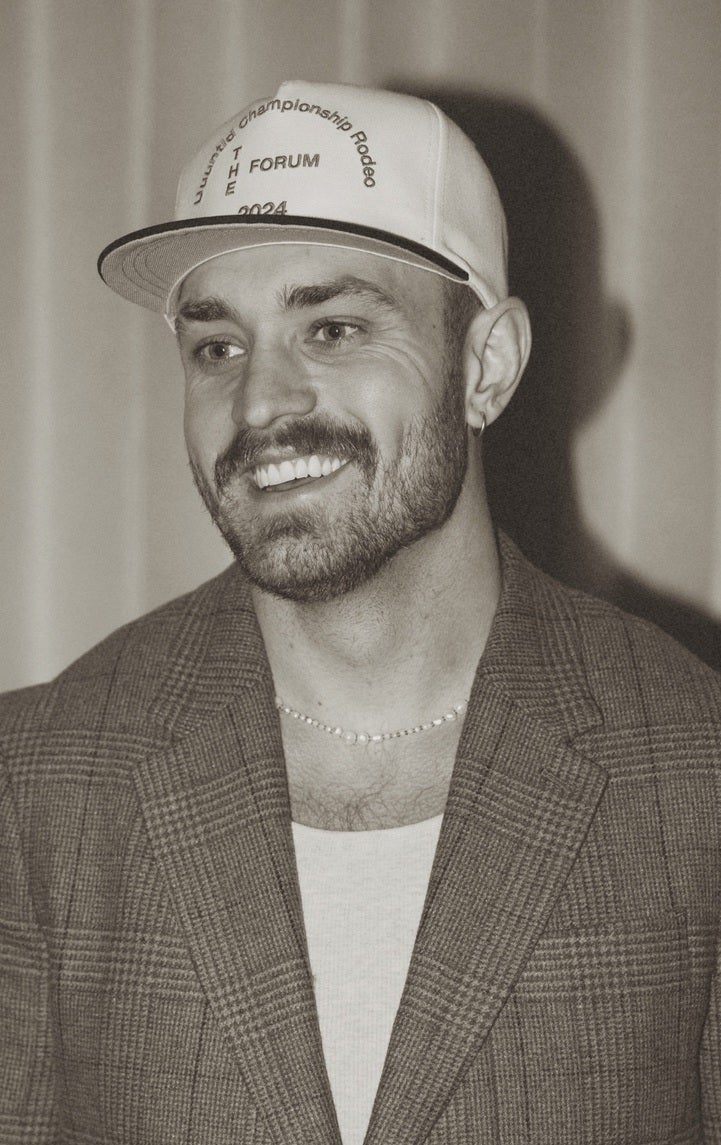
“Who actually am I? What is my identity? Who am I without a sport? Who am I without performing?”
When concussions forced him to retire during his junior year of college, he was left trying to figure out who he was without the thing that had defined him for so long.
“I just kind of was like, I don’t know who I am. I don’t know what I’m supposed to do,” he recalls. “Who actually am I? What is my identity? Who am I without a sport? Who am I without performing?”
Looking back, Copeland can see how closely achievement had become tied to his sense of worth.
“For some reason, I felt like I wasn’t enough or I was unlovable just as I am,” he says. “And I needed a mask to perform to figure out how to get that love.”
Those questions were unfolding alongside an addiction Copeland says had begun years earlier. He was already struggling with substance use in high school; in college, cannabis became increasingly difficult to step away from, while football injuries introduced him to pain medication. Kratom would later become part of that pattern, too.
By 2022, Copeland had reached a point where he checked himself into rehab. He remembers the experience as isolating at times, particularly being away from home, without his phone and separated from the people he normally relied on. But it also changed the way he thought about what it meant to be open about struggling. That experience would later inspire him to make videos about mental health and recovery, hoping that sharing what he had been through might help someone else feel less alone.
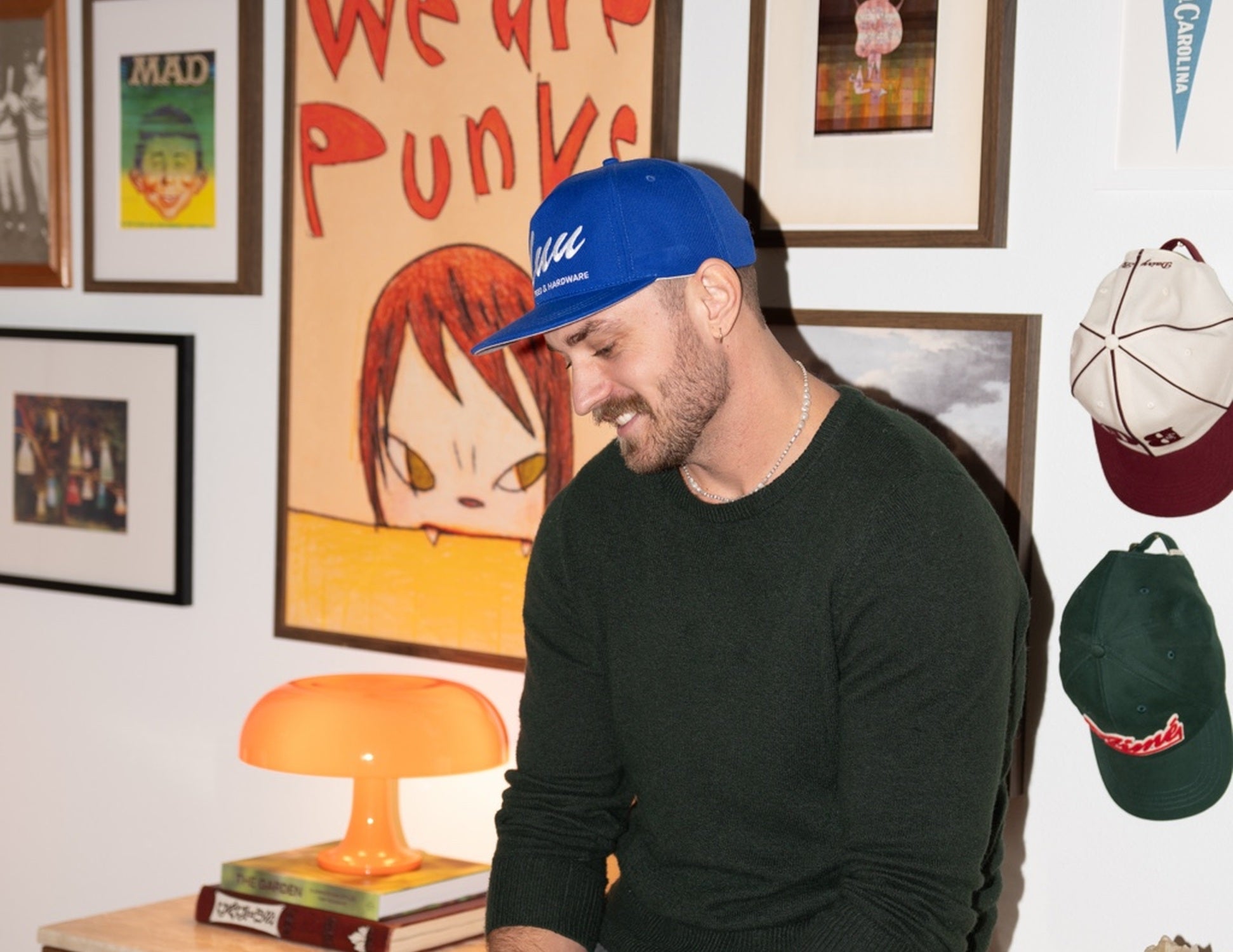
“I don’t have it figured out. I mess up daily.”
“I feel like what I’ve seen up to this point is that people that post mental health stuff try to ‘guru’ it a bit and act like they have it all figured out,” he says. “And I just didn’t want to do that. Because I don’t have it figured out. I mess up daily.”
Much of the time, Copeland says, the videos he makes are really directed at an earlier version of himself.
“When I make videos, I’m making the video for me four years ago, or for me last week, or for me last night,” he says. “It’s a very personal thing of me trying to talk to the scared and insecure part of me.”
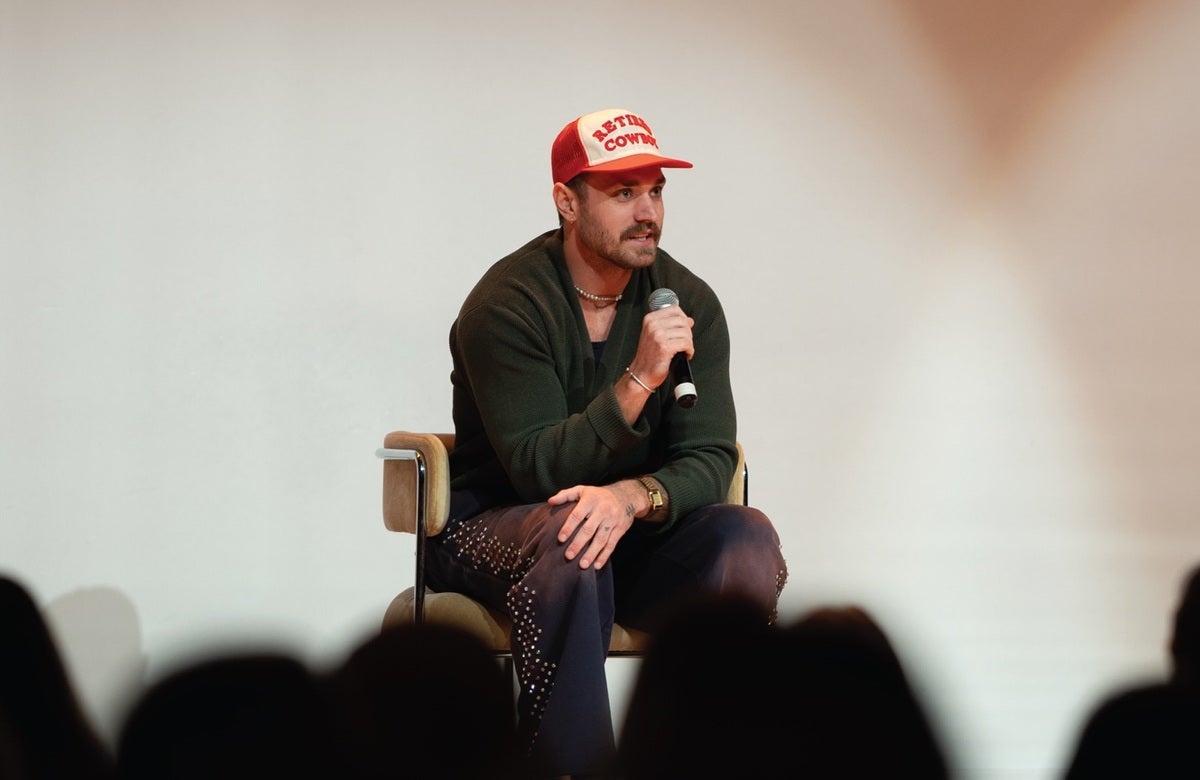
That openness has also shaped the way he talks about masculinity. Copeland is less interested in redefining what a man should look like than in making room for men to say when they are struggling.
“I think a lot of men are just scared to be open and vulnerable, because we’ve been taught that being vulnerable and open isn’t safe,” he says. “It’s just an act of courage for a guy to be like, it might not be safe, but I’m just gonna do it anyway, because it’s healthy.”
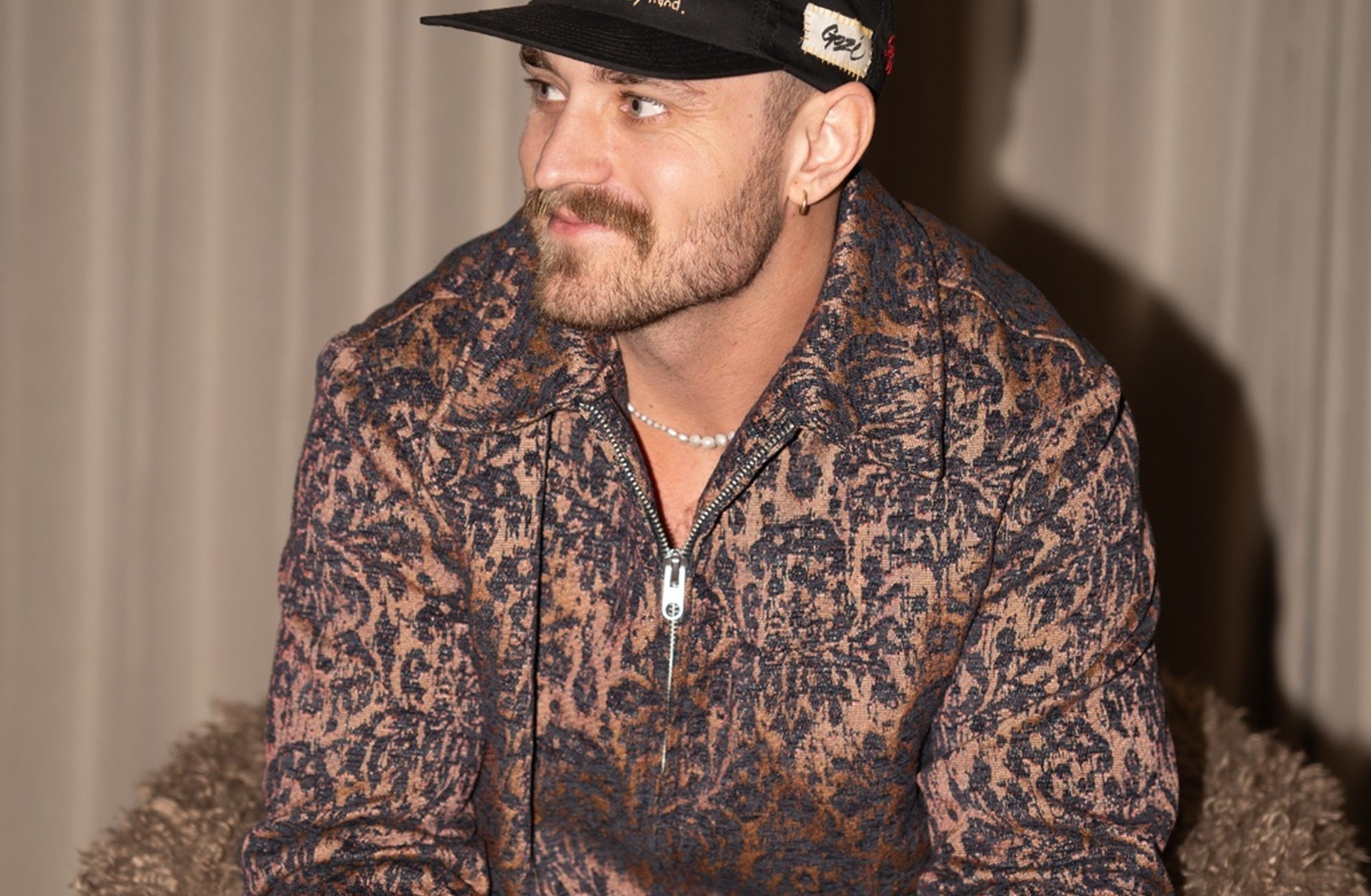
He laughs about being a masculine guy who also wears “some pretty sweaters sometimes” and the occasional pearl necklace. For him, the point is not the label. It is whether fear of that label gets in the way of growth.
“If I don’t do that, then I’m never going to grow. And if I’m never going to grow, then I’m never going to make any impact or help anyone or be of service to anyone,” he says.
Writing became another way for Copeland to explore those ideas. In 2025, he released his debut book, Sappy Medium: The Rough Draft, with Intelligent Change. The collection brings together short writings, letters and reflections on healing, grief, self-trust and the nonlinear process of growing into yourself.
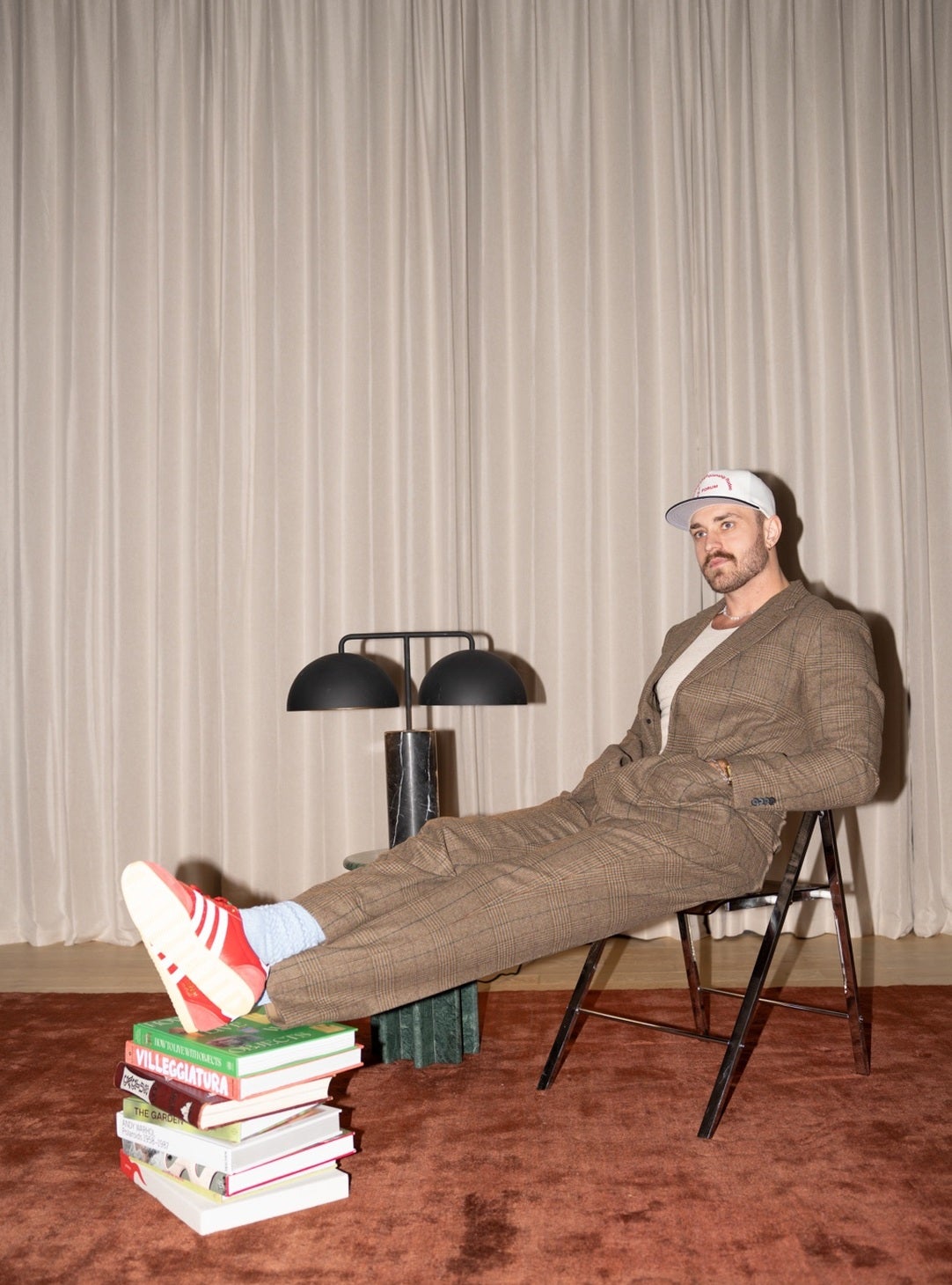
“It’s really me exploring hope and my lows and my highs,” he says. “I think people just resonate with it because it’s just the ups and downs of trying to evolve and trying to grow.”
The Rough Draft was never the only version Copeland had in mind. When Intelligent Change originally approached him about creating a journal, he proposed something more visual: a coffee-table book combining his writing with art and quotes. Copeland says that larger project is now finished, though a release date has yet to be announced.
His latest series, Whatever Works, turns the same curiosity outward. The premise is simple: ask someone to name one thing in their life that genuinely works for them and give them 60 to 90 seconds to talk about it. There is no suggestion that their answer should work for everybody else.
Right now, Copeland’s answer is meditation and prayer. He grew up in church, moved away from prayer for a time and has more recently found himself returning to it while figuring out what faith means to him personally.
“I feel like God is what works for me right now,” he says. “Trying to understand that relationship and trying to accept God’s love.”
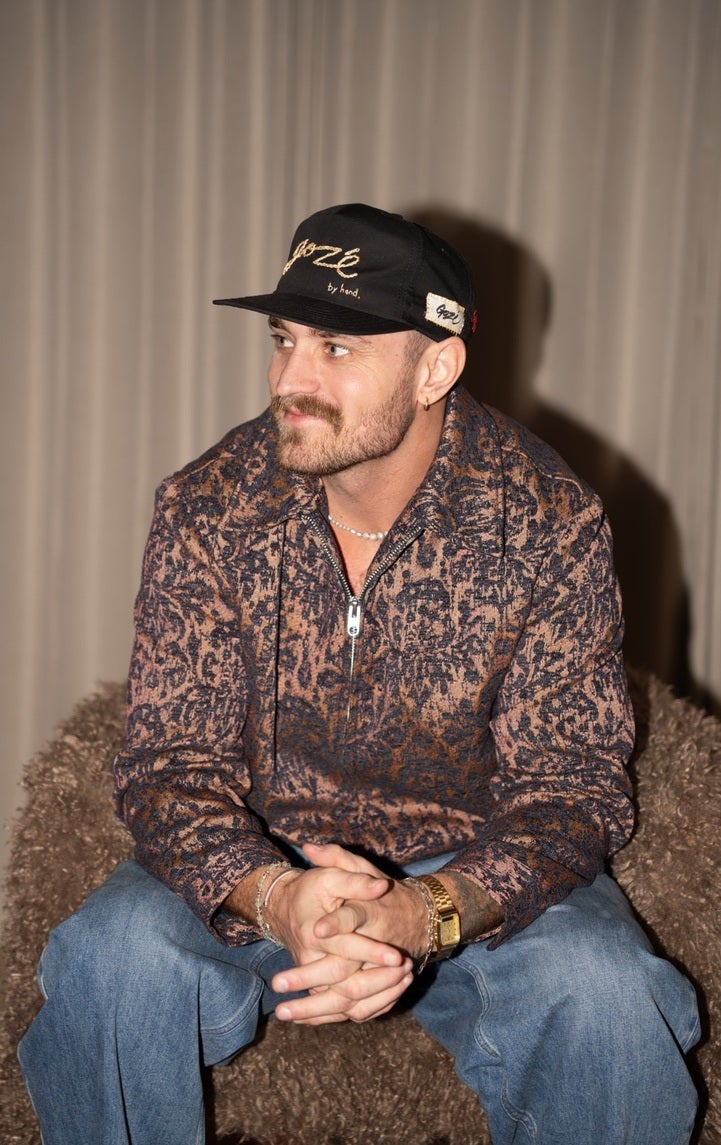
His wife, Chloe, has been beside him through much of that evolution.
“She is the person that at my lowest saw me as someone that I couldn’t see,” he says. “If I wouldn’t have had that person seeing me that way and believing in me that way and seeing past all of my garbage and the things that I was trying to work through, I don’t think that I ever would have made a change in my life.”
Copeland isn’t saying much yet about what comes next. There are projects in motion, but the larger goal is already clear: to make work that helps people understand themselves, find what genuinely supports them and feel less alone along the way.
It brings the conversation back to the question of worth that has followed him from football through addiction and recovery.
“If there’s one thing that I hope that I can bring,” Copeland says, “it’s helping reveal how lovable you actually are.”
You can follow JB Copeland on Instagram and TikTok at @jb_copeland, and find Sappy Medium: The Rough Draft through Intelligent Change.
SWAGGER Magazine is North America's Men's Luxury Magazine. We focus our content on everything men love. Gear, Tech, Fashion, Rides, Sports, Health & Fitness, Food, and Feature Men and Women who possess SWAG.
How did we do? We release short features like this regularly. Know someone that has "SWAGGER"? Contact Us!