
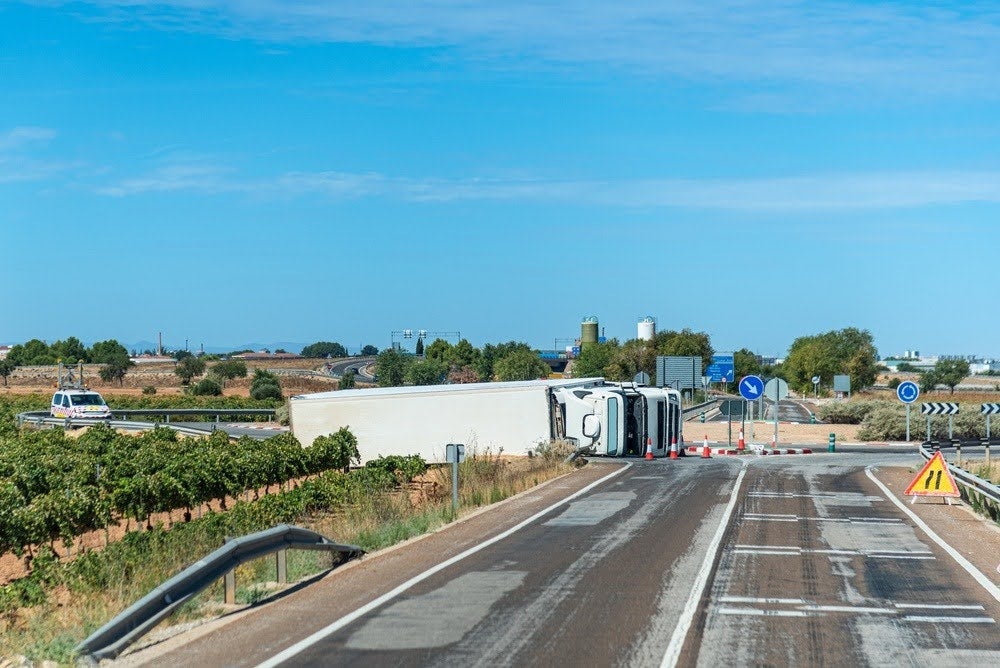
The questions asked after an 18-wheeler crash are rarely the same as those asked after a regular car accident.
A large truck can be part of a much bigger operation involving a driver, trucking company, cargo, route, and vehicle. Each part can raise a different issue about what happened on a San Antonio, TX, road.
That means the lawyer looking into the crash may need to go beyond the basic question of who hit whom. 18-wheeler accident lawyers in San Antonio, TX, may ask about the people, work, truck, and trip connected to the collision. The reason behind those questions starts with what makes these crashes different.
The Crash May Be Only the Starting Point
The place where the vehicles hit is important, but it may not answer every question about the crash. A lawyer may need to look at what each vehicle was doing before the collision and how the events developed.
An 18-wheeler can take longer to slow down, needs more space to turn, and may behave differently from a passenger car. The road, traffic, direction of travel, and actions of other drivers can all matter. On busy San Antonio, TX, roads, these details may help explain how the crash developed instead of leaving the focus only on the final impact.
Why Lawyers Ask About the Trucking Company
An ordinary car accident may mainly involve the drivers and their vehicles. An 18-wheeler can have a longer chain of people and businesses behind it.
A lawyer may ask who owned the truck, who employed the driver, who arranged the trip, and who was responsible for different parts of the truck’s operation. These questions are not simply about finding more names. They help show how the truck was being used and who was connected to its journey.
A company based in San Antonio, TX, may have a different role from a carrier passing through the city. The details of that relationship can therefore lead to questions that would not normally arise after a basic two-car collision.
Why the Driver’s Work Can Become Part of the Questions
The driver is an important part of any 18-wheeler case, but the focus may go beyond the person behind the wheel. The driver was usually carrying out a job, following a route, or completing a particular trip.
What was the driver expected to do?
Questions may focus on the purpose of the trip and the work the driver was carrying out. Knowing what the driver was supposed to be doing can add useful context to the events before the crash.
How was the trip organized?
The route, destination, timing, and instructions connected to the trip can raise separate questions. A lawyer may need to understand how the journey was planned rather than looking only at what happened on the road.
What was happening before the crash?
The events before the collision may provide details that are not obvious from the crash scene. This can include where the truck had been, what it was doing, and how the journey had been progressing.
Why the Cargo Can Change the Questions
An 18-wheeler does not usually travel empty. The load inside or attached to the truck can become another part of the case.
Questions may involve what the truck was carrying, how the load was arranged, and who was involved in preparing it for transport. The type of cargo and the way it was handled can help explain what the truck was doing and how the trip was organized.
This adds another layer that is often missing from a normal passenger vehicle crash. The cargo is not just something being carried in the background. It can be part of the circumstances surrounding the journey.
Why the Truck Itself Needs Different Questions
A large commercial truck has features that are not found on most passenger vehicles. Its size, equipment, and purpose can all affect the questions raised after a crash.
A lawyer may need to ask what type of truck was involved, how it was being used, and whether other parts of the vehicle need to be considered. The answers may depend on the specific truck and the circumstances of the San Antonio, TX, crash.
The point is not to assume that every 18-wheeler case has the same issues. It is to understand what made that particular vehicle and trip relevant to what happened.
The Questions Reflect the Complexity of the Crash
An 18-wheeler accident can involve a driver, a trucking company, a vehicle, a load, and a particular journey, all within the same event. Each connection can raise its own questions.
For 18-wheeler accident lawyers in San Antonio, TX, asking those questions is part of examining the facts of the case and identifying which details deserve closer attention. The goal is not to treat every truck crash as the same. The questions should fit what actually happened.
A truck crash may begin with one collision, but the questions surrounding it can reach much further. Looking beyond the impact can reveal why these cases often require a different way of examining the facts.