

For decades, the term men’s girdle carried baggage far beyond the garment itself.
It often conjured images of restrictive undergarments, medical necessity, and a quiet sense of embarrassment. While women’s shapewear has largely undergone a cultural rebrand over the past two decades, the male equivalent has remained trapped in outdated perceptions.
That perception, however, is beginning to shift. Changes in attitudes toward body image, greater openness around men’s wellness, and the emergence of fashion-conscious shapewear brands are helping redefine what a men’s girdle represents in today’s market.
Why “Girdle” Became a Taboo Word and Why That’s Changing
The stigma surrounding the male girdle did not emerge by accident. Historically, shapewear for men was marketed primarily as a corrective or medical solution. Products from the 1960s through the 1980s emphasized functionality over aesthetics, often implying that the wearer needed to conceal or “fix” something about their appearance.
That messaging reinforced feelings of shame. Rather than serving as a confidence tool, a girdle for men was frequently presented as a private necessity instead of a lifestyle or fashion choice.
Today, however, conversations around men’s body image are becoming more open. Younger generations are generally more willing to discuss confidence, appearance, fitness, and self-improvement without the same degree of embarrassment. As societal expectations surrounding male appearance increase, so does awareness of the pressures many men experience.
Research suggests these pressures are more widespread than many people assume. A 2024 study published in the National Library of Medicine found that approximately 50% of adult men report wanting to lose weight while pursuing a lean, muscular physique, reflecting growing societal expectations around male appearance and muscularity. Similarly, a Forbes Health survey found that 31% of men reported feeling pressure to get in shape because of appearance expectations, highlighting that concerns about physical presentation extend well beyond fitness alone.
As discussions around mental health and self-care continue to evolve, they have also broadened the definition of wellness to include how people choose to present themselves. This shift is encouraging consumers to view products like shapewear less as symbols of insecurity and more as practical tools for comfort, support, and confidence.
The transformation mirrors what occurred in the women’s shapewear market. Products once associated with restrictive girdles were gradually repositioned as styling and confidence-enhancing garments. A similar evolution is now taking place for men’s girdles, where the focus is increasingly on personal choice rather than correction.
From Old-Fashioned to Fashion-Forward: The Modern Men’s Girdle Evolution
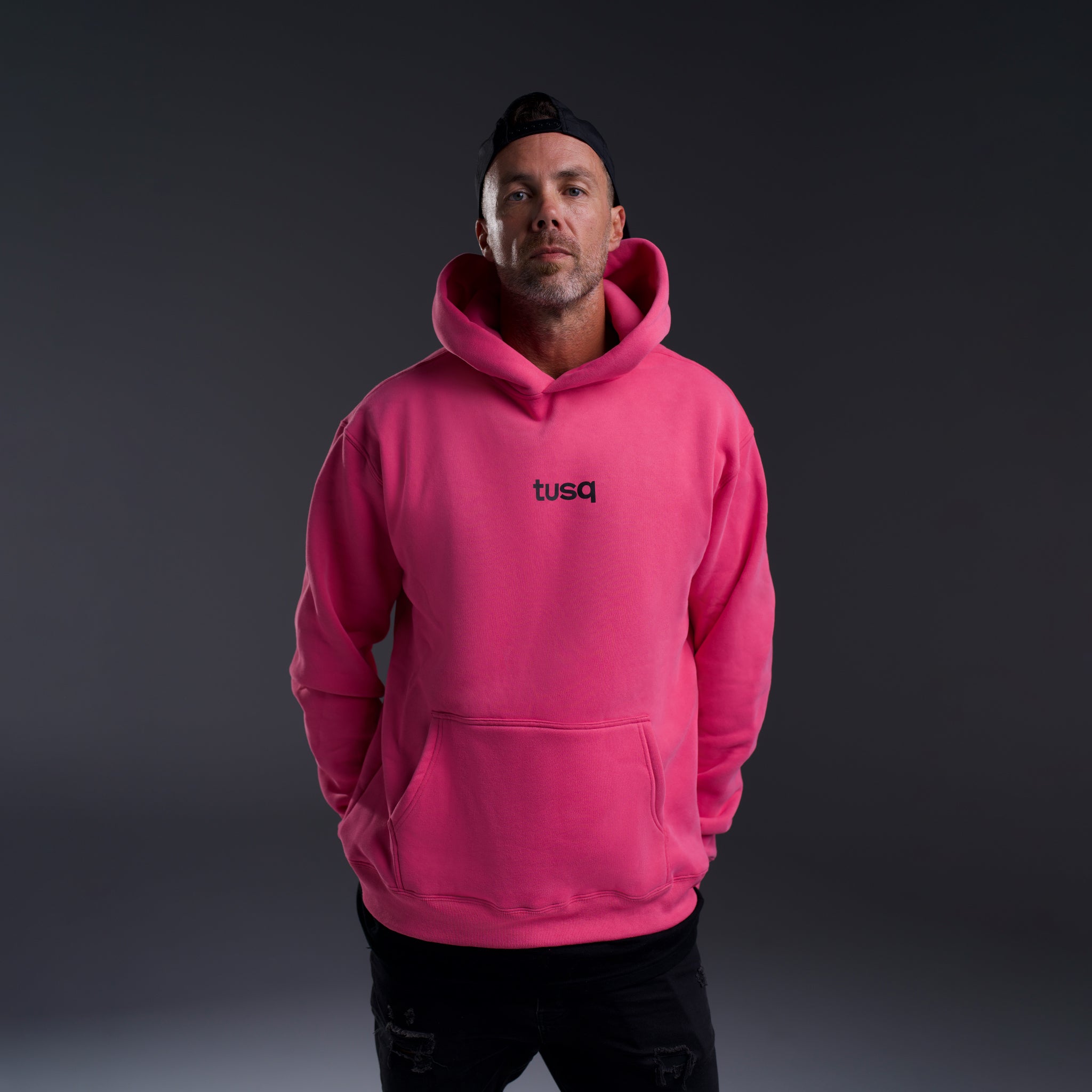

The difference between traditional shapewear and modern designs extends beyond marketing language.
Older versions of the man girdle often relied on rigid construction, clinical aesthetics, and limited color options. Many were difficult to put on, uncomfortable for extended wear, and designed to remain completely hidden.
According to Luke Hanvey, Founder and CEO of Tusq, the conversation around men’s shapewear is increasingly shifting from concealment to functionality, reflecting broader changes in how men view confidence and personal style rather than simply body correction.
Today’s products reflect a different philosophy. Advances in fabric technology have introduced breathable nylon-spandex blends that provide targeted compression while maintaining flexibility and comfort. Seamless construction and lightweight materials make modern men’s girdle products significantly more practical for daily use.
Design has evolved as well. Contemporary shapewear increasingly borrows visual cues from premium menswear rather than medical garments. Some styles feature patterns, tailored silhouettes, and dual-purpose functionality that allows them to be worn either underneath clothing or as standalone apparel.
This evolution reflects a broader cultural shift. Instead of communicating “hide your body,” modern shapewear increasingly emphasizes comfort, confidence, and personal presentation, reflecting the direction many brands and industry observers believe the category is heading.
An Industry Responding to Changing Consumer Expectations
One example of this broader shift is Tusq, a brand founded by Luke Hanvey after he recognized the limited options available to larger men seeking supportive shapewear. Rather than framing men’s girdles primarily as corrective garments, the brand reflects a growing industry trend toward viewing shapewear as part of everyday menswear, placing greater emphasis on comfort, style, and versatility alongside functionality.
More broadly, the category itself is evolving beyond its traditional medical or corrective image. As brands introduce more contemporary designs and consumers become more open to conversations about body confidence and personal style, men’s shapewear is increasingly being positioned as a practical wardrobe choice rather than something to be hidden or associated with stigma.
How to Talk About Men’s Shapewear Without Embarrassment
Language plays a significant role in shaping perception.
Terms such as shapewear, compression wear, body shaper, confidence wear, and men’s girdle often describe overlapping categories. Yet different words carry different emotional associations.
The discomfort many men feel around shapewear is frequently tied less to the garment itself and more to what they believe the garment says about them.
One challenge within the industry is that women often purchase shapewear for male partners or family members because men feel uncomfortable shopping for it directly. That behavior highlights how stigma continues to influence purchasing decisions.
Open conversations can help reduce that hesitation. Discussing compression garments in practical terms fit, comfort, support, and styling removes much of the emotional weight attached to older terminology.
As attitudes continue to evolve, the category may become less defined by secrecy and more by functionality and personal preference.
Practical Insights for Consumers
- Evaluate products based on functionality rather than outdated stereotypes. Comfort, support, and fit are often more important than labels such as “girdle” or “shapewear.”
- Separate confidence from social stigma. A garment designed to improve fit or provide support is ultimately a personal choice, much like selecting tailored clothing or athletic wear.
- Focus on comfort and versatility when shopping. Modern shapewear increasingly prioritizes breathable materials, flexibility, and designs that integrate naturally into everyday wardrobes.
- Remember that consumer attitudes evolve. Products once viewed as embarrassing can become widely accepted when conversations shift from hiding imperfections to enhancing confidence and personal style.