
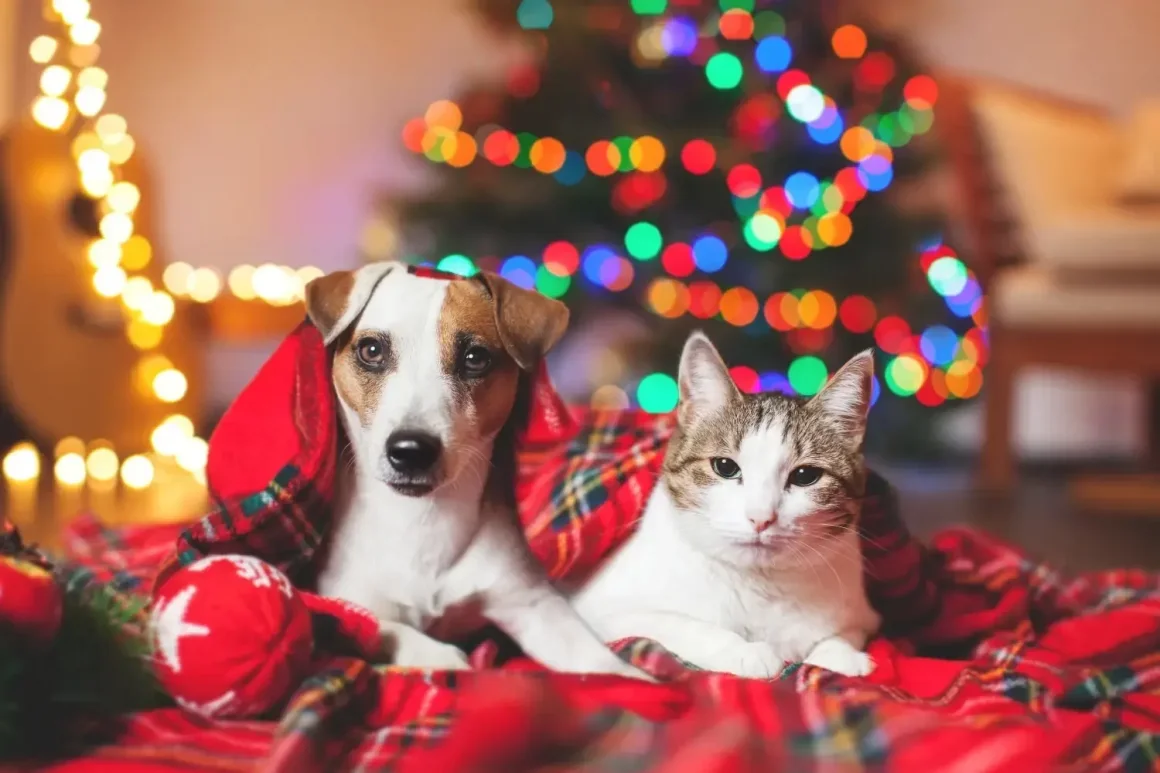
The holidays bring fuller kitchens, richer food, and homes decorated with festive plants — all of which can pose hidden dangers for pets.
While dogs are often blamed for food mishaps, cats are particularly vulnerable to toxic plants and rich leftovers. Veterinary clinics consistently report an increase in pet emergencies during the festive season, making awareness and prevention especially important.
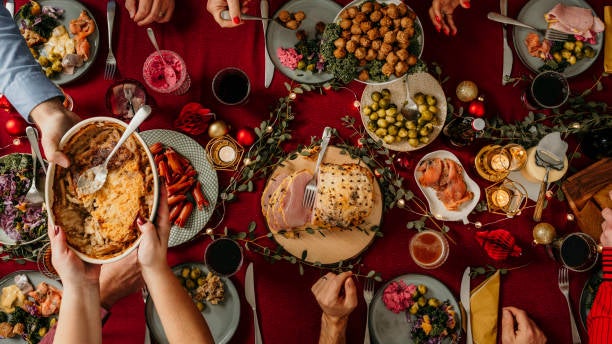

Cooked Bones, Especially Poultry (Dogs and Cats)
Cooked bones are unsafe for both dogs and cats. Cooking causes bones to splinter easily, creating sharp fragments that can damage the mouth, throat, stomach, or intestines. Poultry bones are particularly dangerous due to their tendency to fracture and can result in choking, internal bleeding, or intestinal blockages that require emergency treatment.
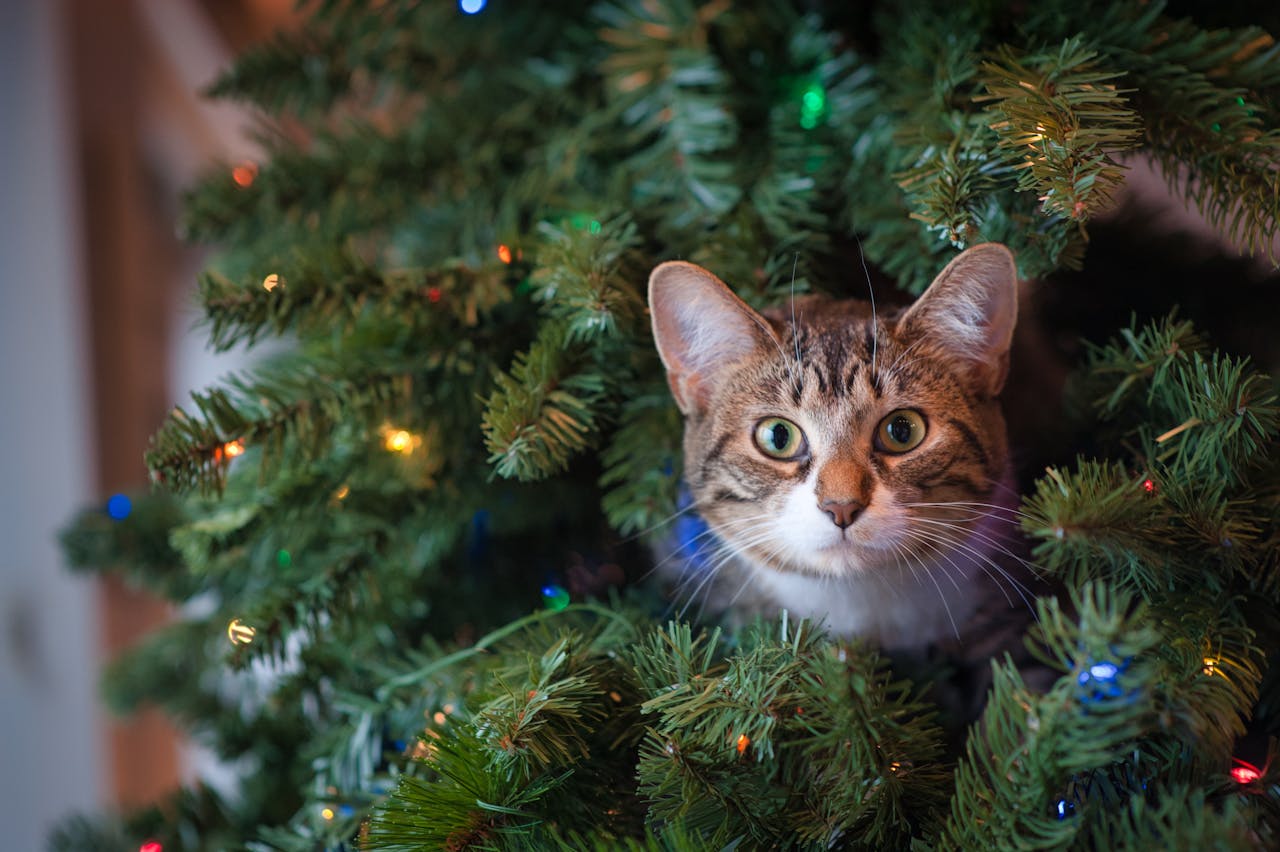

Stuffing, Gravy and Sauces (Dogs and Cats)
Many holiday sides contain onion, garlic, leeks, or chives, all of which are toxic to dogs and cats in any form — raw, cooked, powdered, or dried. These ingredients damage red blood cells and can lead to anemia, lethargy, and breathing difficulties. Gravies and sauces are also high in salt and fat, increasing the risk of digestive upset, pancreatitis, and salt toxicity.
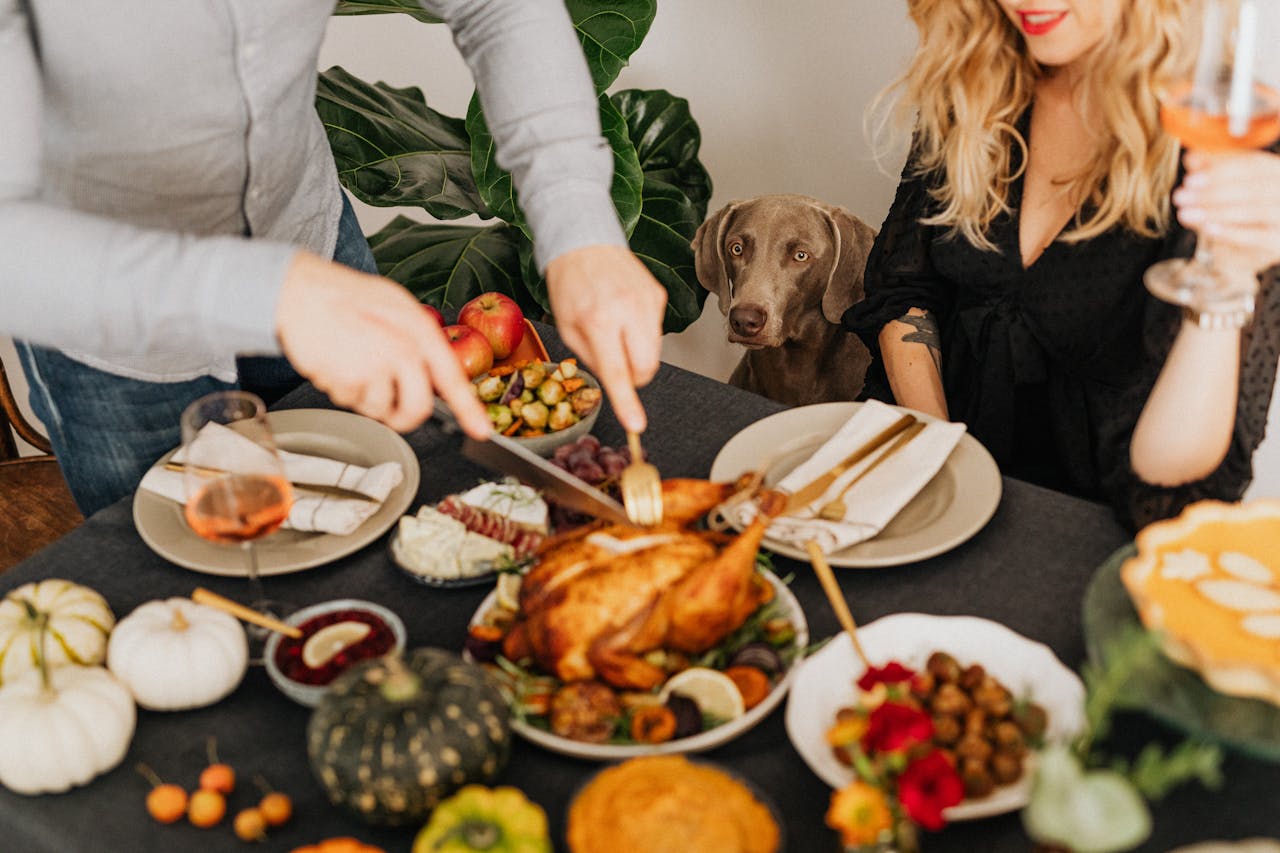

Chocolate (Dogs and Cats)
Chocolate is toxic to both dogs and cats due to theobromine and caffeine, compounds pets cannot metabolize properly. Ingestion can cause vomiting, diarrhea, tremors, abnormal heart rhythms, seizures, and, in severe cases, death. Dark chocolate, baking chocolate, and cocoa powder pose the greatest risk due to their higher cocoa content.
Christmas Pudding, Mince Pies and Fruitcake (Dogs and Cats)
These festive desserts often contain raisins, currants, and sultanas, which are toxic to dogs and cats. Ingesting even small amounts can lead to acute kidney failure, sometimes with delayed or minimal early symptoms. This risk also applies to trail mixes, baked goods, and sauces containing dried fruit.


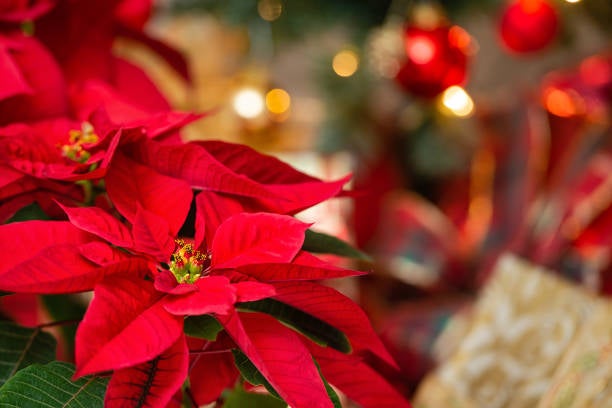
Poinsettias and Festive Plants (Higher Risk for Cats, Harmful to Dogs)
Poinsettias are a popular Christmas decoration and a common source of pet exposure, especially for cats who are naturally drawn to plants. While generally considered mildly toxic, ingestion of poinsettia leaves or sap can cause mouth irritation, drooling, vomiting, and gastrointestinal upset in both dogs and cats. Cats are at higher risk due to grooming, as sap can transfer from fur to mouth. Other festive plants such as holly and mistletoe can cause more serious reactions, and lilies are extremely dangerous for cats — even small exposure can be fatal.

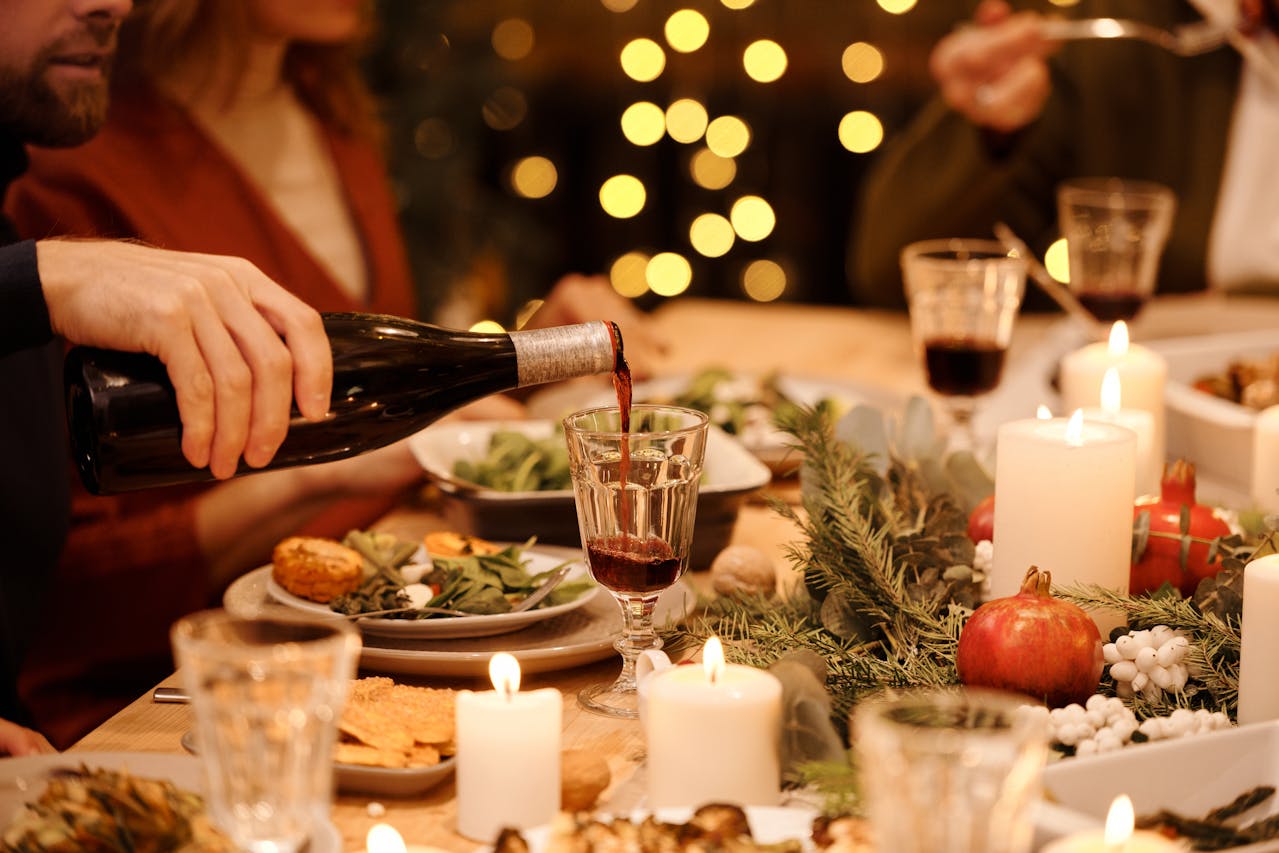
Alcohol and Alcohol-Containing Foods (Dogs and Cats)
Alcohol is extremely dangerous for pets, including cats, who are particularly sensitive due to their size and liver metabolism. Even small amounts can cause vomiting, disorientation, tremors, low blood sugar, respiratory distress, and potentially death. Be mindful of hidden sources such as liqueur chocolates, rum-soaked desserts, and wine-based sauces.

Fatty Meats and Dairy (Higher Risk for Cats, Also Dangerous for Dogs)
Rich meats, skin, and trimmings are difficult for pets to digest and can trigger pancreatitis in dogs and cats. Dairy products such as cream and butter often cause vomiting and diarrhea, particularly in cats, who are commonly lactose intolerant.
If you want your pets to feel included in the festivities, focus on treats, toys, and fun activities instead of food.
For Dogs:
-
Festive chew toys or durable plush toys
-
Treat-dispensing puzzle toys to keep them mentally engaged
-
Holiday-themed chew treats that are formulated specifically for dogs
-
Interactive games like hide-and-seek with toys or scent games
For Cats:
-
Catnip or catnip-filled toys
-
Feather wands, interactive balls, or laser toys for play
-
Treats made for cats that support dental health or hydration
-
Puzzle feeders or small “gift boxes” with toys hidden inside for exploration
By providing toys and engaging activities, you can make pets feel part of the holiday fun without risking their health. This approach keeps celebrations safe, interactive, and festive for both dogs and cats.
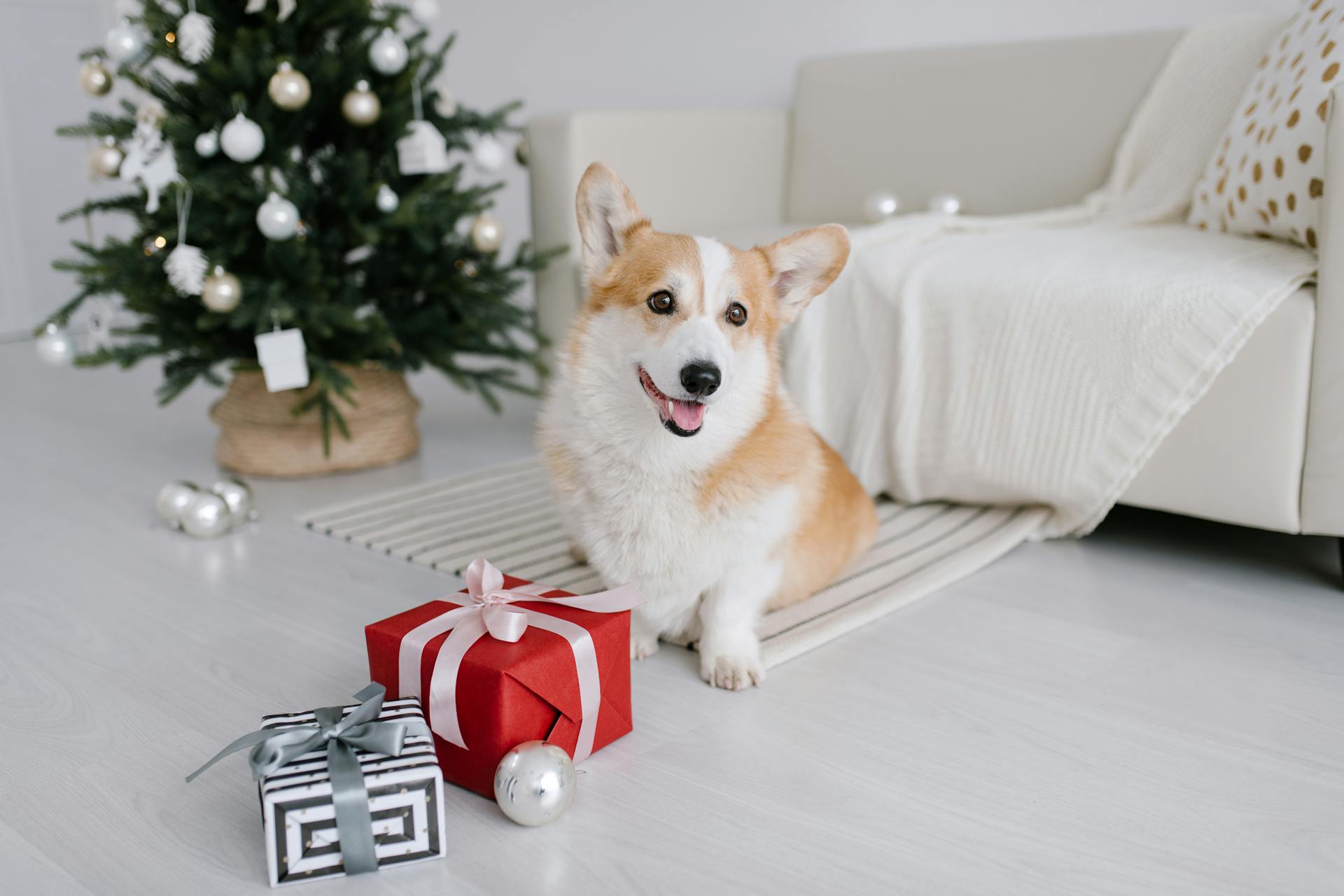

Preventing holiday accidents comes down to management. Keep festive food and plants out of reach, clean spills immediately, secure rubbish bins, ask guests not to feed pets, and discourage cats from jumping onto decorated tables or plant displays. Never assume something is safe because a pet has eaten it before — toxicity varies by species, size, and individual sensitivity.
The takeaway is simple: a pet-safe Christmas means thinking beyond the table. By being mindful of both what’s served and what’s displayed, you can ensure your dogs and cats enjoy the festive season safely — without an emergency trip to the vet.