
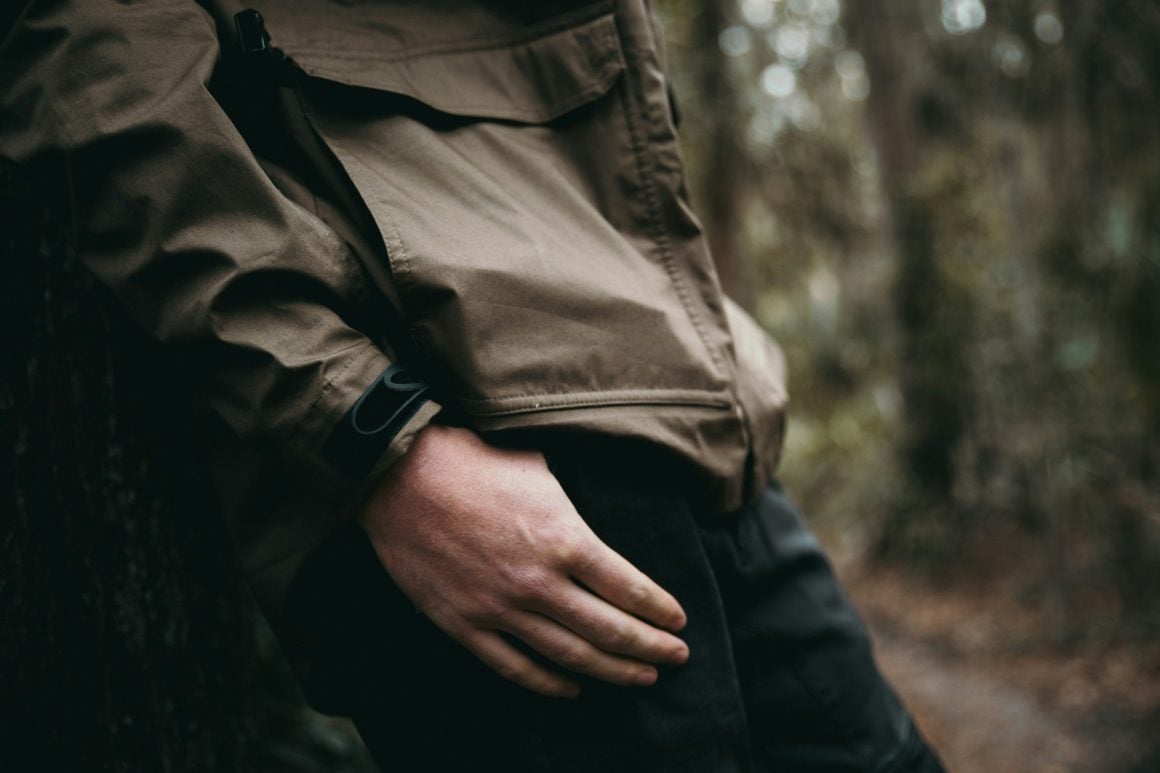
Anyone who works in construction, law enforcement, emergency response, landscaping, or any other physically demanding field knows that the clothing on their body takes as much punishment as the tools in their hands.
Kneeling on concrete, pushing through dense brush, climbing ladders, carrying heavy equipment, and spending hours exposed to weather all take a measurable toll on fabric. Torn seams, blown-out knees, and fabric that loses its shape can reduce mobility, eliminate pocket functionality, and even create safety hazards on the job.
This is why purpose-built garments like tactical pants have crossed over from military and law enforcement use into a much broader range of active professions. They are made for environments where clothing must survive repeated stress without restricting the person wearing it. Durable workwear is built around the assumption that it will be subjected to conditions that would destroy an ordinary garment within weeks.
The Real Cost of Cheap Clothing
It is tempting to save money by buying inexpensive pants, shirts, and outerwear for physical work. However, these savings can disappear quickly when you have to replace those items every few months. Each replacement carries not just the cost of the new garment but also the time and inconvenience of acquiring it.
Durable workwear inverts this equation. A pair of pants made from 500D or higher nylon with double-stitched seams and reinforced high-wear zones may cost twice as much as a budget alternative, but it can last three to five times longer. Over the course of a year, the per-wear cost ends up being significantly lower. For employers outfitting entire crews, this difference multiplies across every worker on the payroll.
Mobility and Range of Motion
The use of mechanical stretch fabrics and articulated patterning is one of the most important advances in modern workware. Gusseted crotches allow a full range of leg movement for climbing, squatting, and kneeling. Stretch panels at the waistband and behind the knees prevent binding during dynamic tasks. Articulated knee construction lets the fabric bend naturally with the joint rather than bunching or pulling tight.
These design features matter most in professions where unrestricted movement is directly tied to safety and performance. A firefighter climbing a ladder, a patrol officer vaulting a fence, or an electrician contorting into a crawl space all need their clothing to move with them. Rigid, poorly fitting garments slow people down and create unnecessary fatigue over the course of a long shift.
Protection From the Environment
Sun, rain, wind, mud, chemicals, and temperature extremes all degrade fabric over time. Durable workwear addresses these threats through material selection and applied treatments.
Durable water repellent (DWR) coatings cause moisture to bead and roll off the fabric surface. UV-resistant dyes prevent fading and fiber degradation from prolonged sun exposure. Ripstop weaves incorporate reinforcing threads at regular intervals to prevent small tears from spreading across the fabric.
For workers in outdoor trades, these features are necessities that keep clothing functional across seasons and weather conditions. A pair of pants that soaks through in light rain or fades to a washed-out shade after two months of sun exposure is not performing at the level the job demands.
Pockets, Attachment Points, and Organization
In active work environments, the number, size, placement, and closure method of pockets directly affects how efficiently someone can carry and access the items they need throughout the day. Multi-tools, flashlights, pens, radios, phones, and identification all need a designated, secure place.
Durable workwear typically has deeper cargo pockets with hook-and-loop or snap closures, internal dividers, and reinforced pocket openings. Some designs include integrated knife clips, badge loops, or magazine pockets. This kind of functional design reduces the number of trips back to a vehicle or toolbox as well as the time spent fumbling through a single overstuffed pocket.
Workplace Safety and Injury Prevention
Clothing might not seem like protective equipment in the same way a hard hat or safety harness is, but it plays a supporting role in preventing injuries. Many injuries in workplaces involve slips, falls, contact with objects, and overexertion. These are all scenarios where the condition and fit of the clothing can make a difference.
Pants with reinforced knees reduce the impact of repeated kneeling on hard surfaces. Snag-resistant fabrics prevent clothing from catching on equipment or exposed hardware. Properly fitted garments that stay in place during physical activity reduce distractions and tripping hazards.
An Investment That Works as Hard as You Do
Durable clothing equips people with garments that match the demands of their work. When the fabric holds up, the seams stay intact, the pockets keep functioning, and the fit remains comfortable, the clothing does what it was designed to do: stay out of the way and let the worker focus on the job. In active environments where every piece of equipment earns its place, using workwear built for durability is one of the smartest investments a professional can make.