
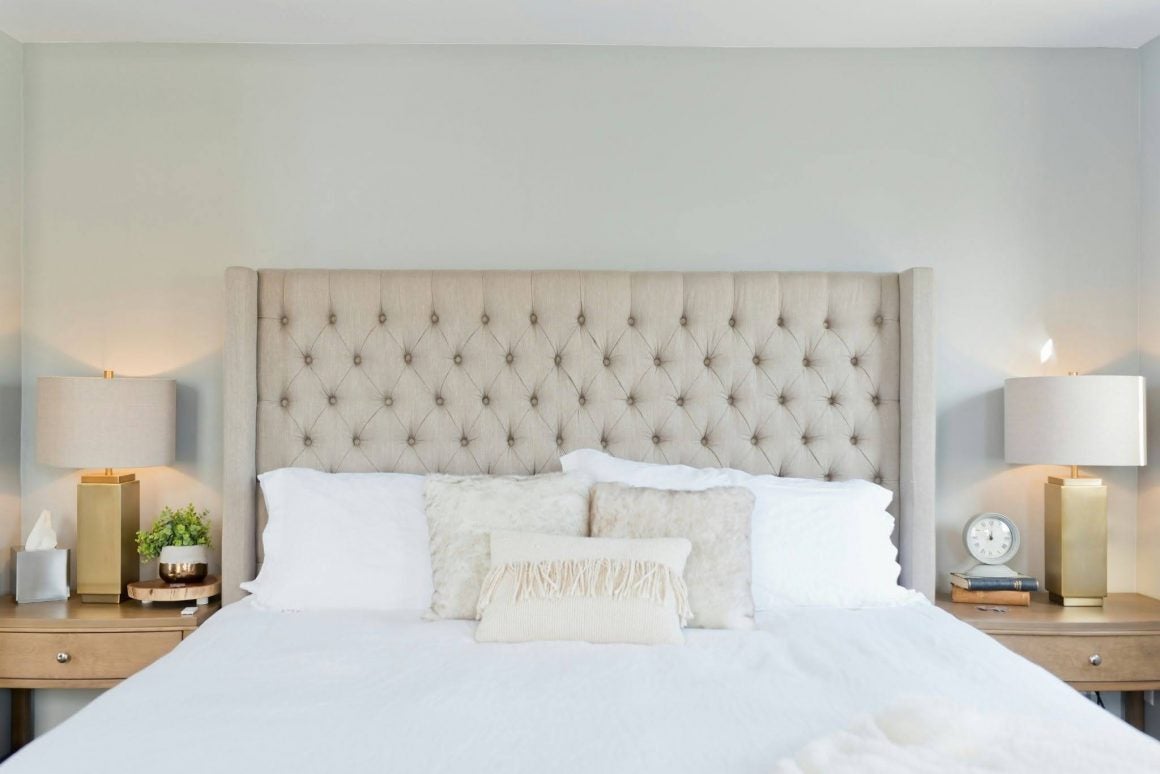
Sleep temperature is one of the most significant and least discussed factors in how well you actually sleep.
The body needs to drop its core temperature by approximately one to two degrees Celsius to fall and stay asleep, and if the mattress underneath you is working against that process by trapping heat, the result is exactly the kind of restless, surface-skimming sleep that leaves you feeling unrestored in the morning. On the other end of the scale, a mattress that dissipates heat too aggressively in a cold climate can make it harder to feel comfortable enough to settle. Choosing the right mattress for your sleep temperature profile is not a minor consideration; it is a primary criterion. Exploring the range of best mattresses from a quality manufacturer makes clear just how much variation exists across materials and constructions, each designed with different thermal properties to suit different sleepers. This guide explains what those differences actually mean in practice.
Why Sleep Temperature Matters More Than Most People Realise
The connection between body temperature and sleep quality is not incidental. Core body temperature follows a circadian rhythm, dropping in the evening as a signal to the brain that sleep time is approaching. This temperature drop triggers melatonin production, reduces alertness and initiates the physiological cascade that leads to sleep onset. When external warmth, including heat retained by a mattress, prevents or delays this drop, the body struggles to complete the transition from wakefulness to sleep.
Once asleep, maintaining a stable temperature through the night is equally important. The deep, restorative stages of sleep, including slow-wave sleep and REM sleep, are disrupted by temperature fluctuations. A hot sleeper who wakes repeatedly through the night may not associate the waking with temperature, but overheating is one of the most common causes of fragmented sleep in adults. The microclimate between the body and the mattress, what sleep researchers call the “sleeping microclimate,” is shaped substantially by the mattress material and construction.
Hot Sleepers: What the Research and the Materials Say
Hot sleepers generate above-average body heat during sleep or are simply more sensitive to the heat that accumulates between the body and the mattress surface. Women experiencing hormonal changes, people with higher metabolic rates, heavier sleepers whose greater mass retains more heat, and those who sleep in warmer climates or rooms are all more likely to sleep hot. For these sleepers, the enemy is heat retention in the mattress surface.
Memory foam in its traditional, dense form is one of the most discussed mattress materials in the context of heat retention. The viscoelastic foam that makes memory foam so effective at conforming to body shape, and so popular for pressure relief, is also the property that slows the movement of heat away from the body. Dense foam does not circulate air efficiently, and the close contact that makes it comfortable can trap warmth against the skin. This does not make memory foam inherently unsuitable for hot sleepers, but it does mean that standard memory foam formulations are worth approaching with awareness.
Manufacturers have addressed this with several approaches. Open-cell foam structures, where the foam cells are broken during production to create connected air channels, allow more air movement through the material. Gel-infused memory foam incorporates phase-change gel particles that absorb heat as they change state, delaying the build-up of warmth at the surface. Graphite-infused variants conduct heat away from the body rather than absorbing and retaining it. These technologies vary in their effectiveness and longevity, and independent sleep testing generally shows meaningful differences between them and traditional foam.
Latex, both natural and synthetic, is the mattress material most consistently cited for its thermal neutrality. The natural open-cell structure of latex allows air to circulate through the material during sleep, and the resilient, springy feel means there is less body-conforming contact than with memory foam, which reduces heat build-up at the skin surface. Natural latex derived from rubber tree sap also has inherent moisture-wicking properties. For hot sleepers who also want the pressure relief of a foam-type feel, natural latex is frequently the most effective compromise.
Innerspring and pocket spring mattresses have an inherent thermal advantage over foam-only constructions because the spring core creates significant air space within the mattress. Air circulates freely through this space, dissipating body heat rather than accumulating it. A quality pocket spring mattress with a breathable comfort layer, either a thin natural latex topper or a wool blend comfort layer, is one of the most recommended combinations for hot sleepers who also want good support and motion isolation.
Cold Sleepers: A Different Set of Priorities
Cold sleepers, people who find it difficult to warm up in bed and who wake feeling chilled despite adequate room temperature, have a different relationship with mattress thermal properties. For these sleepers, a mattress that dissipates heat too aggressively, particularly an innerspring mattress in a cold bedroom, can make it harder to achieve the comfortable warmth that allows the body to relax fully.
Memory foam, which retains warmth, is often genuinely comfortable for cold sleepers because it creates a warm pocket of retained body heat around the sleeping position. The same property that frustrates a hot sleeper is a positive for someone who struggles to stay warm through the night. Traditional dense memory foam, without gel or graphite cooling additives, is the version that retains the most warmth and is worth considering for cold sleepers who want the material’s pressure-relieving properties along with its thermal retention.
The bedding layer is also significant for cold sleepers and interacts with the mattress choice. A wool-filled mattress topper over a pocket spring base can provide both the thermal retention and pressure relief that a cold sleeper needs, while maintaining the breathability and responsiveness of the spring core that a purely foam mattress loses. Wool is a particularly effective insulator that also manages moisture, which means it keeps sleepers warm without creating the clammy overheating that synthetic insulation can produce when a cold sleeper does warm up through the night.
When Partners Sleep at Different Temperatures
Different sleep temperature preferences between bed-sharing partners is one of the most consistent sources of bedroom disagreement, and it is not easily solved with a single mattress compromise. The most practical approach for couples with significantly different thermal needs is a combination of mattress material and individual bedding management: a hybrid mattress with good baseline thermal neutrality, allowing each partner to use different duvet weights or bed layer arrangements on their side.
Split-zone mattresses, where the two sides of the bed have different firmness and sometimes different thermal properties, are available from some manufacturers and address this problem directly. They are a niche product but worth investigating for couples whose temperature preferences, combined with firmness preferences, make a standard mattress genuinely difficult to agree on.
The National Sleep Foundation’s research on bedroom temperature and sleep quality covers the evidence on how ambient and microclimate temperature affects sleep architecture, including the specific temperature ranges associated with optimal sleep onset and maintenance across different sleeper profiles.
What to Do With This Information When Buying
Knowing your sleep temperature profile is the starting point, but converting that knowledge into a mattress decision requires a few additional considerations. First, the climate and bedroom temperature matter: a hot sleeper in a well-insulated Auckland bedroom in summer has different needs from the same hot sleeper in a Queenstown house with single glazing in winter. The mattress is one variable; bedding, room temperature and ventilation are others that work with or against the mattress choice.
Second, a sleep trial is genuinely important for temperature-related mattress concerns, because the thermal properties of a mattress are only fully apparent after sleeping on it for several nights across different room temperatures. Many quality mattress manufacturers offer sleep trials of 100 nights or more, which is enough time to assess whether the thermal properties match your needs across a range of conditions. A manufacturer that does not offer a meaningful trial on a significant purchase is worth approaching with caution.
Third, cover materials matter. A tight, synthetic-cover mattress will behave differently thermally from the same core construction in a natural fibre cover. Organic cotton and Tencel covers are more breathable than polyester and are worth specifically choosing for hot sleepers rather than treating as incidental to the main materials decision.
The Right Match Makes a Measurable Difference
Sleep temperature is not a preference to work around; it is a physiological requirement that a well-chosen mattress should actively support. Hot sleepers who switch from a heat-retaining foam to a well-ventilated latex or hybrid mattress frequently report a noticeable improvement in how easily they fall asleep and how often they wake through the night. Cold sleepers who make the opposite move often describe finally feeling properly rested after years of feeling slightly cold regardless of how many blankets were added. The match between sleeper and mattress thermal profile is real, and getting it right is worth the research.