
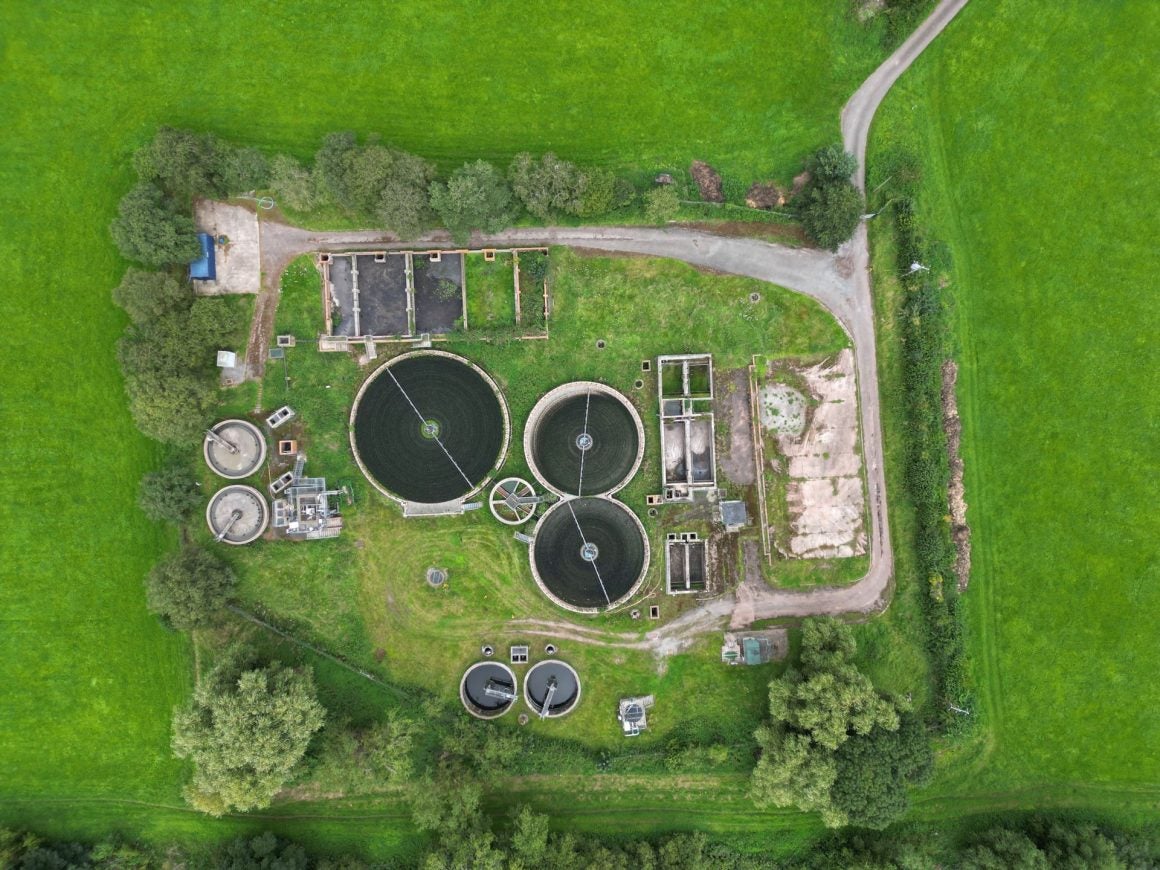
Wastewater collection systems are a critical part of modern infrastructure, responsible for transporting sewage and stormwater safely from homes, businesses, and industrial facilities to treatment plants.
As urban populations continue to grow and environmental regulations become stricter, municipalities and utility operators face increasing pressure to improve system performance while controlling operational costs.
One of the most effective ways to achieve these goals is through accurate flow measurement. By monitoring how wastewater moves through collection networks, operators gain valuable insights that help optimize operations, reduce maintenance expenses, and improve regulatory compliance. Understanding the Importance of Flow Measurement has become essential for organizations seeking to manage wastewater systems more efficiently and sustainably.
Understanding Flow Measurement in Wastewater Systems
Flow measurement refers to the process of monitoring and recording the volume and rate of wastewater moving through pipes, channels, and sewer networks. Specialized devices and sensors collect real-time data that operators can use to evaluate system performance and identify potential issues before they become major problems.
Wastewater collection systems are often complex, consisting of thousands of miles of pipelines, pumping stations, and treatment facilities. Without reliable flow data, utility managers may struggle to understand how these assets are performing under different conditions.
Accurate flow measurement provides a clear picture of system behavior, enabling data-driven decisions that improve efficiency across the entire network.
Reducing Inflow and Infiltration
One of the biggest challenges facing wastewater collection systems is inflow and infiltration (I&I). Inflow occurs when stormwater enters sanitary sewer systems through improper connections, while infiltration happens when groundwater seeps into damaged pipes and infrastructure.
Excess water entering the system can significantly increase treatment costs and place unnecessary strain on equipment. During heavy rainfall events, I&I can even lead to sewer overflows and environmental violations.
Flow monitoring helps operators identify unusual increases in wastewater volume, making it easier to pinpoint areas experiencing infiltration or inflow issues. By targeting repairs in problem areas, utilities can reduce unnecessary water entering the system and improve overall operational efficiency.
Optimizing Pump Station Performance
Pump stations play a vital role in transporting wastewater through collection networks. However, pumping operations often represent one of the largest energy expenses for wastewater utilities.
Flow measurement data helps operators determine whether pumps are operating efficiently and whether capacity adjustments are needed. Real-time monitoring can reveal patterns in wastewater flow, allowing utilities to optimize pump schedules and reduce energy consumption.
By matching pump operations to actual system demand, facilities can lower operating costs, extend equipment lifespan, and minimize unexpected failures.
Improving Capacity Planning
As communities grow, wastewater systems must accommodate increasing volumes of sewage and stormwater. Accurate flow measurement provides the data needed to evaluate current system capacity and plan future infrastructure investments.
Rather than relying on estimates, engineers can use historical flow records to identify trends and predict future demand. This information supports better decision-making when upgrading pipelines, expanding treatment facilities, or constructing new infrastructure.
Effective capacity planning helps utilities avoid costly overbuilding while ensuring systems can handle future growth.
Enhancing Regulatory Compliance
Environmental agencies require wastewater operators to meet strict standards related to system performance and overflow prevention. Accurate flow data plays an important role in demonstrating compliance with these regulations.
Monitoring wastewater flow allows utilities to document operational conditions, track performance metrics, and provide reliable reports to regulatory authorities. In the event of a system issue, historical flow records can also help identify root causes and support corrective actions.
Maintaining compliance not only protects public health and the environment but also helps organizations avoid penalties and enforcement actions.
Supporting Preventive Maintenance
Reactive maintenance can be expensive and disruptive. Unexpected pipe failures, blockages, or equipment breakdowns often result in emergency repairs that require significant resources.
Flow measurement supports a proactive maintenance strategy by helping operators detect unusual flow patterns that may indicate developing problems. Sudden decreases in flow could signal blockages, while unexpected increases may suggest pipe damage or infiltration.
By identifying issues early, maintenance teams can schedule repairs before they escalate into major failures. This approach reduces downtime, lowers repair costs, and improves system reliability.
Leveraging Data for Smart Wastewater Management
Modern wastewater utilities increasingly rely on digital technologies and data analytics to improve operations. Flow measurement systems provide the foundation for these smart management initiatives.
When integrated with remote monitoring platforms and supervisory control systems, flow data can deliver real-time insights across the entire collection network. Operators can quickly respond to changing conditions, optimize resource allocation, and improve overall efficiency.
Advanced analytics can also help identify long-term trends, enabling utilities to make more informed decisions regarding infrastructure investments and operational improvements.
Conclusion
Efficient wastewater collection systems are essential for protecting public health, preserving environmental quality, and supporting sustainable community growth. Accurate flow measurement provides the visibility needed to manage these systems effectively.
From reducing inflow and infiltration to optimizing pump performance, improving compliance, and supporting preventive maintenance, flow monitoring delivers significant operational and financial benefits. As wastewater infrastructure becomes increasingly complex, organizations that invest in reliable flow measurement technologies will be better positioned to enhance efficiency, reduce costs, and meet future challenges.