
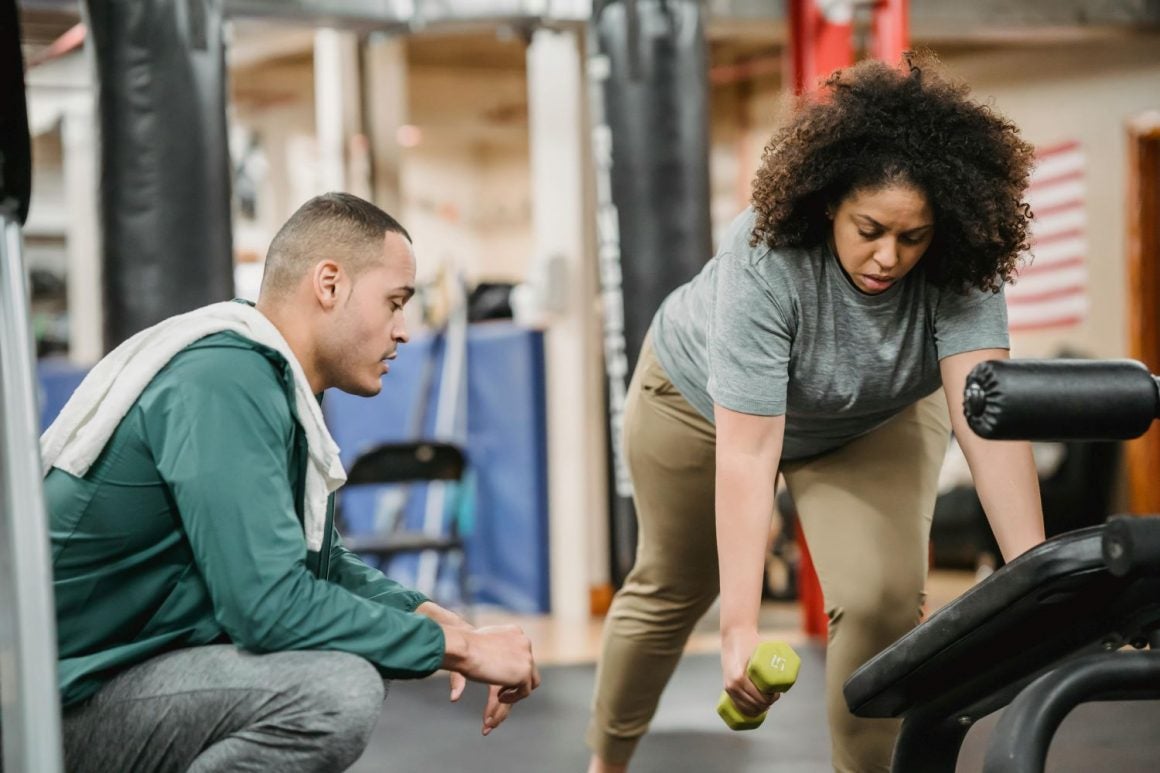
Getting certified as a personal trainer is one of the smartest career moves a man can make right now.
The fitness industry is booming, demand for qualified coaches has never been higher, and the right credential opens doors at premium gyms, with high-paying private clients, and on the path to running your own training business. The wrong one, though, can drain your wallet and stall your career before it even starts.
We consulted fitness experts, dug into industry data, and put every major certification on the market through the same five-point lens: accreditation, real-world cost, study material quality, time-to-certification, and long-term career value. What we found might surprise you.
What to Actually Look for Before You Commit
Before you spend a dollar, get clear on what matters. Tyler Read, founder of PTPioneer.com, a contributing author to Healthline and Eat This Not That, and a personal trainer with over 15 years of in-person and online coaching experience, has evaluated more certifications than most people have heard of. His take is direct:
“When I advise someone on choosing a certification, accreditation is always the starting point, specifically NCCA accreditation, because that’s what the industry actually recognizes. From there, I look at total cost, not the advertised price but what you’re actually going to spend by the time you’re certified and recertified. And then study materials, because the quality of how a program teaches you is often the difference between passing on your first attempt and paying for retakes. Those three things together tell you far more about a certification than its name ever will.”
He’s right. Here’s what to evaluate before you commit to anything.
NCCA Accreditation. This one isn’t negotiable. The National Commission for Certifying Agencies is the gold standard in fitness credentialing, and most reputable gyms and employers require it. Without NCCA accreditation, your certification may not be recognized at the facilities where you actually want to work. Before anything else, verify that the program you’re considering holds active NCCA status.
The real total cost, not the sticker price. The advertised number rarely tells the whole story. Textbooks are often sold separately. Exam fees may not be included. Fail the test and retakes can run $150 to $300 depending on the organization. Add in recertification fees every two years and required CPR/AED credentials, and a “cheap” certification can quietly become a very expensive one.
Study material quality. A certification is only as valuable as the preparation behind it. Look for current textbooks built on recent exercise science, practice exams that actually reflect the real test, and tools designed around how people retain information rather than just a stack of PDFs and a good luck email.
How you actually study. Self-paced and fully digital works well for some people. Others need video instruction or more structured timelines. If the format of the program doesn’t match the way your brain works, your pass rate suffers. Know yourself before you choose.
The ecosystem around the certification. Think past the exam. Can you stack specialization certifications with the same organization? Do they provide guidance on the business and career side of personal training? The best programs aren’t just handing you a credential. They’re building the foundation for a real career.
The Best Personal Trainer Certifications of 2026
#1 IPTA (International Personal Trainer Academy) CPT
Best Overall | Best Value | Best Study System
- NCCA Accredited: Yes
- Starting Price: $399
- Pass Guarantee: Unlimited exam retakes until you pass
- Free Textbook: Included
- Job Placement Guarantee: Yes
- Free First Recertification: Yes
IPTA is the newest NCCA-accredited CPT on the market, and it makes a strong case for the top spot on pure value alone. The entry-level package starts at $399 and comes with a pass guarantee with unlimited retakes, a job placement guarantee, and free first recertification, a combination of perks that no other program on this list bundles together at any price.
The textbook is included with any package, but IPTA also makes it available for free to anyone who signs up for a free trial, no payment information required. That means you can start studying and evaluating the material before spending a cent.
What sets IPTA apart beyond the cost is the study system. Where most programs hand you a textbook and step back, IPTA’s approach is built around retention: spaced repetition flashcards, mnemonics for complex material, a progressively structured study guide, and AI-powered readiness tools that tell you when you’re genuinely prepared to sit for the exam.
The result is one of the faster paths to certification among NCCA-accredited programs, not because the exam is easier, but because the preparation is smarter.
One honest caveat: IPTA is newer, and consumer-level name recognition is still catching up to its quality. But NCCA accreditation is NCCA accreditation. Employers recognize it, gyms accept it, and the substance of the program speaks for itself.
For anyone serious about entering the fitness industry without overpaying or losing months to a broken study process, this is where the conversation starts.
#2 NASM (National Academy of Sports Medicine) CPT
Best for Name Recognition | Strong in Corrective Exercise
- NCCA Accredited: Yes
- Starting Price: $894 (Self-Study package)
- Retake Fee: Varies by package, typically around $150
- Textbook: Varies by package
NASM is the most recognized personal trainer certification in North America, and that reputation is well earned. The curriculum is thorough and particularly strong in corrective exercise and movement assessment, skills that translate directly into working with the broad range of clients you’ll encounter in any real gym environment. The online study platform is clean and intuitive, the content is well-produced, and NASM’s exercise library is the most comprehensive of any certification provider on the market.
For trainers who want a credential that opens doors immediately, at major gym chains, boutique studios, and with discerning private clients, NASM carries the kind of name recognition that can accelerate your early career. The CPT and Nutrition bundle, while a bigger upfront investment at over $1,400, gives you two high-value credentials that meaningfully expand the range of clients you’re equipped to serve. If you’re committed to building a long-term training business and want a brand behind your name that clients recognize by sight, NASM is one of the strongest choices in the field.
#3 ISSA (International Sports Sciences Association) CPT
Most Flexible Exam Options | Respected Long-Term Ecosystem
- NCCA Accredited: Yes (NCCA version; non-proctored DEAC version also available)
- Starting Price: $828 (base package)
- Retake Policy: One free retake on the NCCA version
- Textbook: Included
ISSA has been in the certification business for decades, and the depth of what it offers reflects that experience. One of its most practical differentiators is exam flexibility: candidates can choose between a proctored NCCA-accredited exam, the version recognized by most gym employers, and a non-proctored, open-book DEAC-accredited version with a significantly higher pass rate. That optionality makes ISSA particularly attractive for people who want to control how and when they test.
The textbook is included in the base package, and the one free retake on the NCCA exam takes meaningful pressure off test day. Beyond the CPT itself, ISSA’s specialization library is one of the widest in the industry, covering sports nutrition, strength and conditioning, corrective exercise, fitness nutrition, and more. For trainers who see certification as a long game, building expertise across multiple disciplines over the course of a career, ISSA gives you an ecosystem that grows with you.
#4 ACE (American Council on Exercise) CPT
Strong Curriculum | Watch the Fine Print
- NCCA Accredited: Yes, with an additional $99 fee
- Starting Price: Approximately $699 and up (NCCA exam costs extra)
- Retake Fee: $249
ACE has spent decades building a reputation in functional fitness, and it shows in the quality of its study experience. The online learning environment is genuinely impressive: well-produced video content, interactive modules, and tools that make the material engaging rather than something you’re just grinding through. The ACE Answers feature and robust practice exam suite give candidates multiple ways to reinforce their knowledge and identify weak spots before exam day.
The certification is well recognized across gym environments and carries particular weight in functional training, group fitness, and wellness-focused facilities. If you’re drawn to a learning experience that feels more like a course and less like independent study, ACE’s platform is among the best-designed in the field. For trainers who learn well through visual and interactive content and want a program that holds their hand through the process, ACE is a compelling option.
#5 NSCA (National Strength and Conditioning Association) CPT
Most Academically Rigorous | Built for Strength Coaches
- NCCA Accredited: Yes
- Total Cost (exam plus textbooks and materials): Approximately $735 and up
- Pass Rate: Approximately 58%
The NSCA CPT operates at a different level of academic rigor than most certifications on this list, and that’s entirely by design. Rooted in peer-reviewed exercise science and built around the kind of programming principles used in elite athletic training, the NSCA credential is held in especially high regard in performance coaching, collegiate athletics, and any environment where clients are training for serious athletic outcomes.
Earning it requires genuine commitment. The exam is demanding, a pass rate around 58% reflects how seriously the NSCA takes its standards, and the preparation requires a meaningful investment of both time and study. Textbooks and materials are purchased separately, so the total cost builds as you put together your study package. For trainers who want to work with athletes, compete in high-performance coaching environments, or simply hold the most academically respected credential in the strength field, the NSCA CPT is the one to chase.
Final Word
The certification landscape has genuinely shifted. For years, aspiring trainers were stuck choosing between prestige and affordability, and prestige almost always won by default, but times have changed.
Whatever program you choose, anchor your decision to the same criteria: active NCCA accreditation, a clear-eyed look at the real total cost, and a study format that actually matches the way you retain information. The right certification doesn’t just put something on your resume. It builds the foundation everything else stands on.