
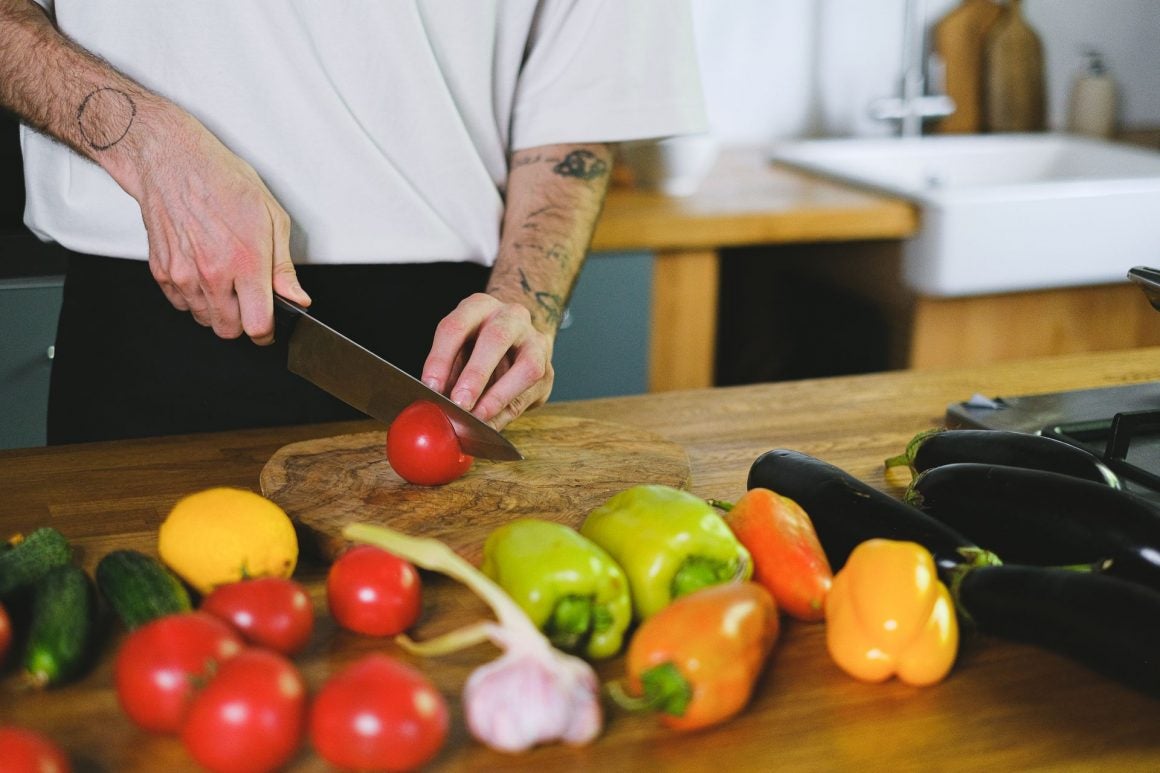
The modern kitchen is no longer defined solely by culinary skill or tradition.
It is increasingly shaped by efficiency, precision, and the ability to meet growing expectations without sacrificing quality. From home cooks to professional chefs, the pressure to deliver consistent results in less time has reshaped how food is prepared, stored, and presented. What once felt like optional innovation has now become a necessary evolution.
Efficiency in food preparation is not about cutting corners. It is about refining processes, reducing waste, and using tools that support better outcomes. As dining habits shift and time becomes a more limited resource, the kitchens that thrive are those that embrace smarter systems rather than harder work. This transformation is subtle but powerful, influencing everything from ingredient sourcing to plating techniques.
The Shift Toward Smarter Kitchen Practices
In both commercial and home kitchens, there has been a clear movement toward streamlining workflows. This is driven by a combination of rising demand, tighter margins, and the need for consistency. Restaurants, for example, must balance speed with quality, especially during peak service hours. Home cooks, on the other hand, are looking for ways to prepare nutritious meals without spending hours in the kitchen.
Technology has played a central role in this shift. Modern appliances are designed to perform multiple functions while maintaining precise control over temperature and timing. A toaster oven, induction cooktops, programmable ovens, and smart refrigeration systems are just a few examples of how kitchens are becoming more responsive and efficient. These tools allow cooks to focus on creativity while reducing the risk of error.
At the same time, there is a growing awareness of sustainability. Efficient food preparation often goes hand in hand with reduced waste and better resource management. By planning meals more effectively and using ingredients to their full potential, kitchens can operate in a way that is both economical and environmentally responsible.
Precision Tools and Their Role in Consistency
Consistency is one of the most important markers of quality in food preparation. Whether it is a café serving the same dessert every day or a home cook perfecting a family recipe, the ability to replicate results matters. Precision tools have become essential in achieving this level of reliability.
Equipment designed for accuracy helps eliminate guesswork. Measuring devices, temperature probes, and controlled dispensing systems ensure that each step of the process is executed correctly. This not only improves the final product but also builds confidence in the kitchen.
One area where this is particularly evident is in the preparation of whipped creams, foams, and infused elements. Tools like High-capacity cream chargers have simplified what was once a time-consuming task. By providing a consistent and efficient method for creating light, stable textures, they allow chefs and home cooks alike to achieve professional results with minimal effort. For those looking to explore these tools further, options such as High-capacity cream chargers demonstrate how innovation can support both speed and quality in the kitchen.
Time Efficiency Without Compromising Quality
One of the biggest misconceptions about efficiency is that it leads to a decline in quality. In reality, the opposite is often true. When processes are optimized, there is more room to focus on detail, flavor, and presentation. Time saved on repetitive or labor-intensive tasks can be redirected toward refining recipes and experimenting with new ideas.
Meal preparation strategies have also evolved to support this balance. Batch cooking, pre-prepped ingredients, and modular recipes allow for flexibility without sacrificing freshness. Professional kitchens have long relied on mise en place to maintain order and speed, and this principle is now widely adopted in home cooking as well.
Another important factor is training and knowledge. As more resources become available through culinary schools, online platforms, and industry publications, cooks are better equipped to understand how to work efficiently. This shared knowledge base reinforces the idea that efficiency is a skill that can be developed, rather than a shortcut to be avoided.
The Influence of Consumer Expectations
Consumer behavior has had a significant impact on how food is prepared. People expect faster service, consistent quality, and visually appealing dishes, whether they are dining out or ordering in. This has pushed kitchens to adopt practices that can meet these expectations without increasing costs or workload.
The rise of food delivery services and online ordering has added another layer of complexity. Meals must not only be prepared quickly but also maintain their quality during transport. This requires careful planning, from packaging to portioning, and often involves rethinking traditional preparation methods.
At the same time, there is a growing demand for transparency and authenticity. Consumers want to know where their food comes from and how it is made. Efficient systems can support this by making it easier to track ingredients, manage inventory, and maintain high standards of hygiene and safety.
Innovation as a Long-Term Investment
Adopting efficient practices often requires an initial investment in equipment and training. However, the long-term benefits tend to outweigh the costs. Reduced waste, improved consistency, and faster turnaround times all contribute to a more sustainable operation.
For businesses, this can translate into higher customer satisfaction and better profitability. For home cooks, it means less stress and a more enjoyable time in the kitchen. The key is to view efficiency not as a one-time upgrade but as an ongoing process of improvement.
Industry experts consistently emphasize the importance of adaptability. As new tools and techniques emerge, the ability to integrate them into existing workflows becomes a valuable skill. Kitchens that remain open to change are better positioned to keep up with evolving standards and expectations.
Conclusion
Efficiency has become a defining characteristic of modern food preparation, influencing how kitchens operate at every level. It is not about doing more in less time for the sake of speed alone. It is about creating systems that support better outcomes, from the quality of the food to the experience of preparing it.
As technology continues to advance and consumer expectations evolve, the importance of efficiency will only grow. By embracing smarter practices and investing in the right tools, both professionals and home cooks can create meals that are not only faster to prepare but also more consistent and satisfying.