
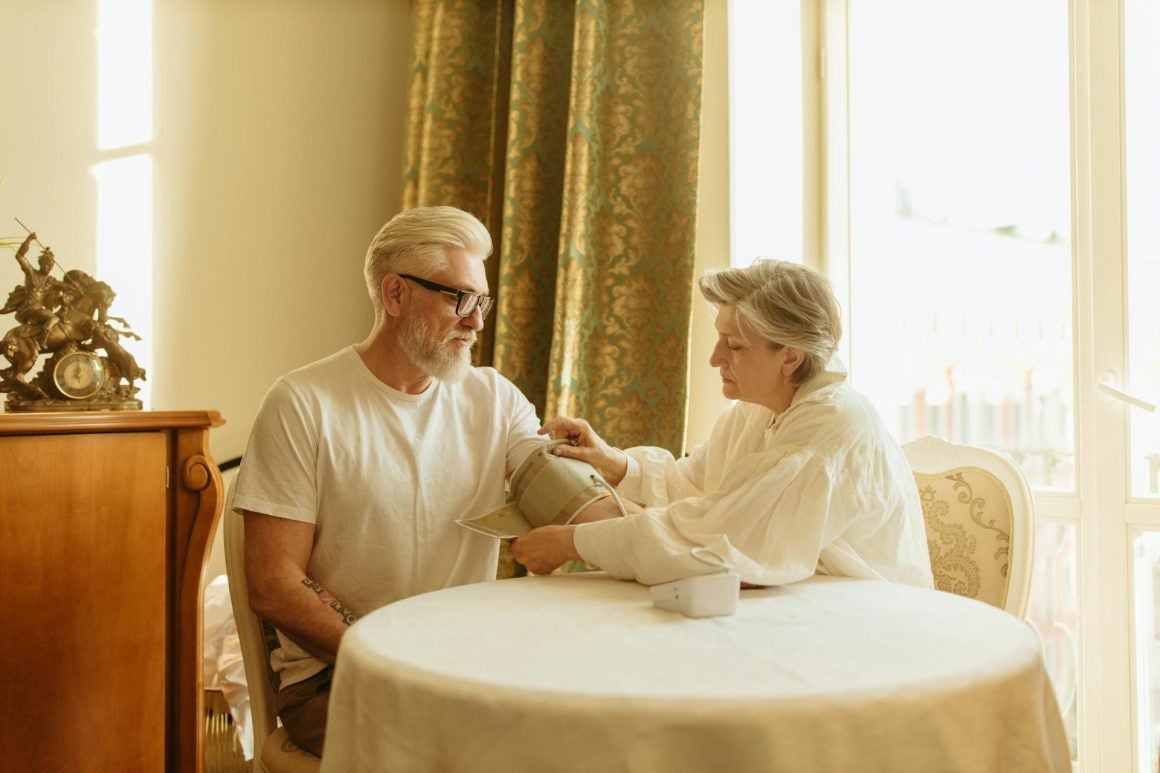
Assisted living doesn’t look the way it used to.
The clinical hallways and rigid schedules that defined the old model have largely given way to something different. It now feels more like a place people actually want to live. That’s not just a design choice. It’s a response to what decades of observation have made clear: seniors don’t thrive when care is delivered without comfort, routine, or connection.
Both priorities now shape how these communities are built and run. Families searching for the right fit, such as those exploring Assisted Living in Sumner, often find that the best communities place equal emphasis on personal care and a genuine sense of home. That combination is what separates today’s model from what came before it.
What the Hospitality Shift Actually Looks Like
Walk into a well-run assisted living community today, and the differences are hard to miss. Common areas are laid out to draw people together, not just fill square footage. Dining rooms operate more like real restaurants, with flexible mealtimes, rotating menus, and staff who know residents’ names and preferences. Apartments are built around the resident’s life, not the other way around—personal furniture, familiar artwork, and the same morning habits carried forward.
Programming has come a long way, too. Activity calendars now range from cooking classes and live music to gardening groups and current events discussions. The point isn’t to keep people busy. It’s to keep them connected. Social isolation is a well-documented risk factor for cognitive decline and depression in older adults, and communities that build engagement into daily life are taking that seriously.
Staff culture is part of it as well. Team members at quality communities train in hospitality alongside clinical protocols. Listening well, reading what a resident needs before they ask, and treating each interaction as something that matters—these aren’t soft skills anymore. They’re part of the job.
The Healthcare Foundation Underneath
Here’s the thing: none of the warmth means much without solid medical infrastructure behind it. Assisted living isn’t a nursing home or a memory care facility, but it does carry real responsibility for residents’ health and daily well-being.
Help with activities of daily living covers bathing, dressing, grooming, medication management, and mobility. The specifics vary by community, and staff-to-resident ratios, training standards, and emergency response protocols are all worth examining closely during a visit.
Medication management deserves particular attention. The National Institute on Aging identifies medication errors as one of the most common and preventable causes of hospitalization in older adults. Structured administrative systems significantly reduce that risk, and families tend to feel the difference.
Many communities also bring in outside providers, including physical therapists, visiting physicians, and home health agencies. That coordination means residents can often stay put through health changes that, under older care models, would have forced a move.
Personalized Care Plans
The individualized care plan might be the clearest signal of how much the model has matured. Quality communities don’t apply the same protocol to everyone. They assess each resident’s medical needs, daily preferences, social habits, dietary requirements, and personal routines, and then build around that person specifically.
Plans are reviewed regularly, typically quarterly or after any significant health change. A resident who’s kept a 5:30 a.m. reading routine for forty years shouldn’t have to give that up. The good communities understand this.
Family involvement is standard practice. Regular, honest communication between staff and families keeps care aligned with what the resident actually wants, not just what’s administratively convenient.
How to Evaluate a Community
Don’t let a polished lobby do too much of the talking. The real picture is in the common areas, in how staff speak to residents when no one’s presenting anything. Are residents engaged, moving around, talking to each other? Or are they quiet and withdrawn?
Ask about staff turnover. High turnover almost always signals something deeper, whether it’s management, culture, or working conditions, and those problems eventually show up in care quality. Then get specific about healthcare: How are emergencies handled? What happens when a resident’s needs change substantially? Who’s involved in updating the care plan, and how often does that happen?
Also worth asking about: the dining program, the activity schedule, and transportation. These aren’t extras; they’re the texture of daily life, and they differ considerably from one community to the next.
A New Standard of Senior Living
The most capable communities today have stopped treating quality of life and medical support as a trade-off. They’ve worked out how to run both well, and it shows. Residents are more active, more independent, and by most accounts, more satisfied than earlier institutional models would have predicted.
For families working through this decision, the goal is straightforward: find a community that’s genuinely serious about both sides. Comfort without care is a liability, and care without comfort is a different kind of failure. The communities worth choosing have figured out that neither one is optional.