
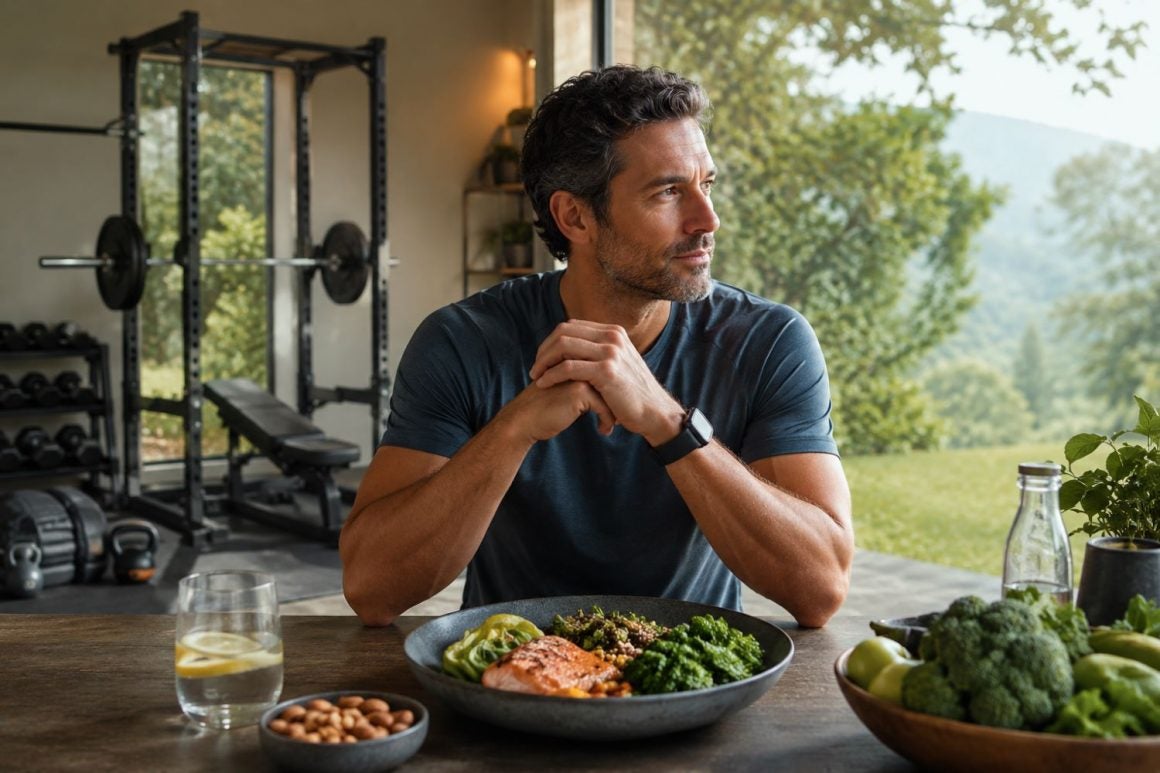
Men are moving from aesthetics to longevity, prioritizing sleep, hormone health, recovery, mobility, and low-alcohol lifestyles.
For years, men’s wellness was easy to decode. It was visual, immediate, and quietly performative — lower body fat, sharper definition, heavier lifts, stricter diets. The body was the message, and the mirror was the audience.
That era hasn’t disappeared, but it has lost its monopoly.
Increasingly, the question shaping modern wellness is no longer how do I look? but how long can I sustain feeling like this? Energy, cognitive clarity, emotional regulation, libido, sleep quality, and physical resilience are replacing aesthetics as the true markers of health.
What’s emerging is a quieter shift in ambition: longevity as a lifestyle standard. Not the rejection of aesthetics, but the refusal to let them be the finish line.

From Appearance to Endurance
The most meaningful change in men’s health culture is philosophical rather than physical.
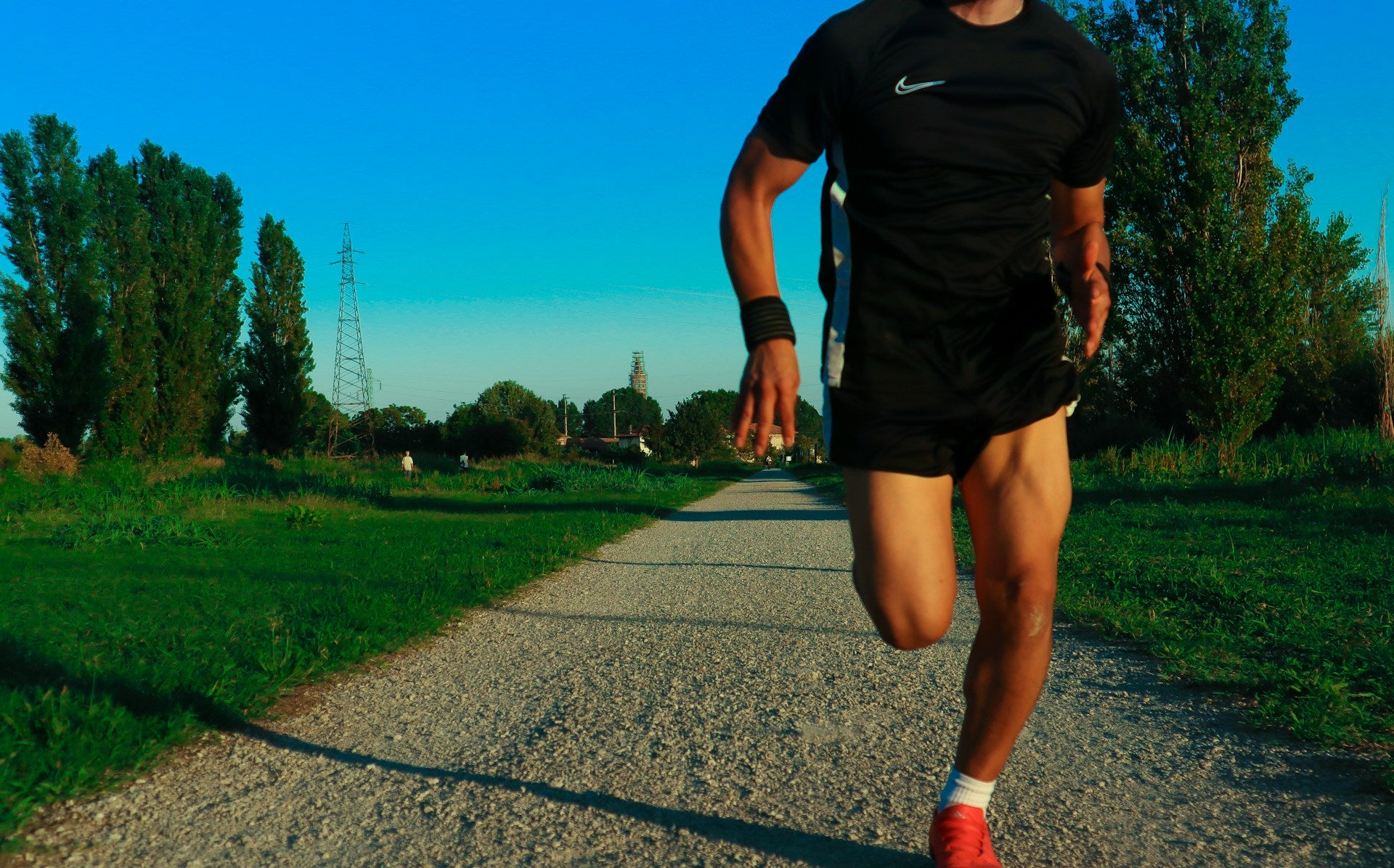
Fitness used to be about transformation — visible, measurable, and often short-cycle. Today, it is increasingly about continuity. Training is no longer only about building or reducing; it is about preserving. Strength, yes — but also joints. Conditioning, yes — but also recovery capacity.
Nutrition follows the same evolution. Macros still matter, but they sit alongside conversations about inflammation, gut health, metabolic stability, and blood sugar regulation. The goal is no longer just composition — it is sustainability.
As metabolic health becomes a bigger part of the longevity conversation, more men are also seeking professional support, such as an online Mounjaro consultation, when lifestyle changes alone aren’t enough. Digital pharmacies now provide weight management options and the privacy needed as part of a broader, long-term health strategy.
Even discipline itself has changed shape. Where intensity once signaled commitment, consistency now signals intelligence.

The Biology of Performance: Sleep and Hormones
If there is a single entry point into the longevity conversation, it is sleep.
Once treated as negotiable, sleep has become the most strategically protected pillar of modern performance. High-functioning professionals now approach it with the same seriousness once reserved for training programs or financial strategy.
Because sleep is not passive — it is regulatory. It governs hormone production, cognitive recovery, metabolic repair, and emotional balance. When it breaks down, everything downstream follows.
As a result, sleep optimization has quietly become normalized: controlled light exposure, temperature regulation, wearable tracking, magnesium and glycine routines, and structured wind-down protocols. Not as wellness trends, but as infrastructure.
Closely tied to this is the rise of hormone awareness.
Testosterone, cortisol regulation, and insulin sensitivity are no longer niche medical discussions. They have entered everyday wellness language — not as optimization obsession, but as interpretation. Fatigue, poor recovery, mood instability, and body composition changes are increasingly understood as signals rather than inevitabilities.
What used to be dismissed as “just getting older” is now being examined as feedback.
Recovery as Intelligence, Not Indulgence
There was a long cultural period where exhaustion was worn as proof of effort. The harder you pushed, the more serious you were taken.
That logic is dissolving.
Recovery has become the new signal of intelligence.
Training systems today are less about destruction and more about adaptation. The focus is not how far you can push the body, but how effectively it can return to equilibrium.
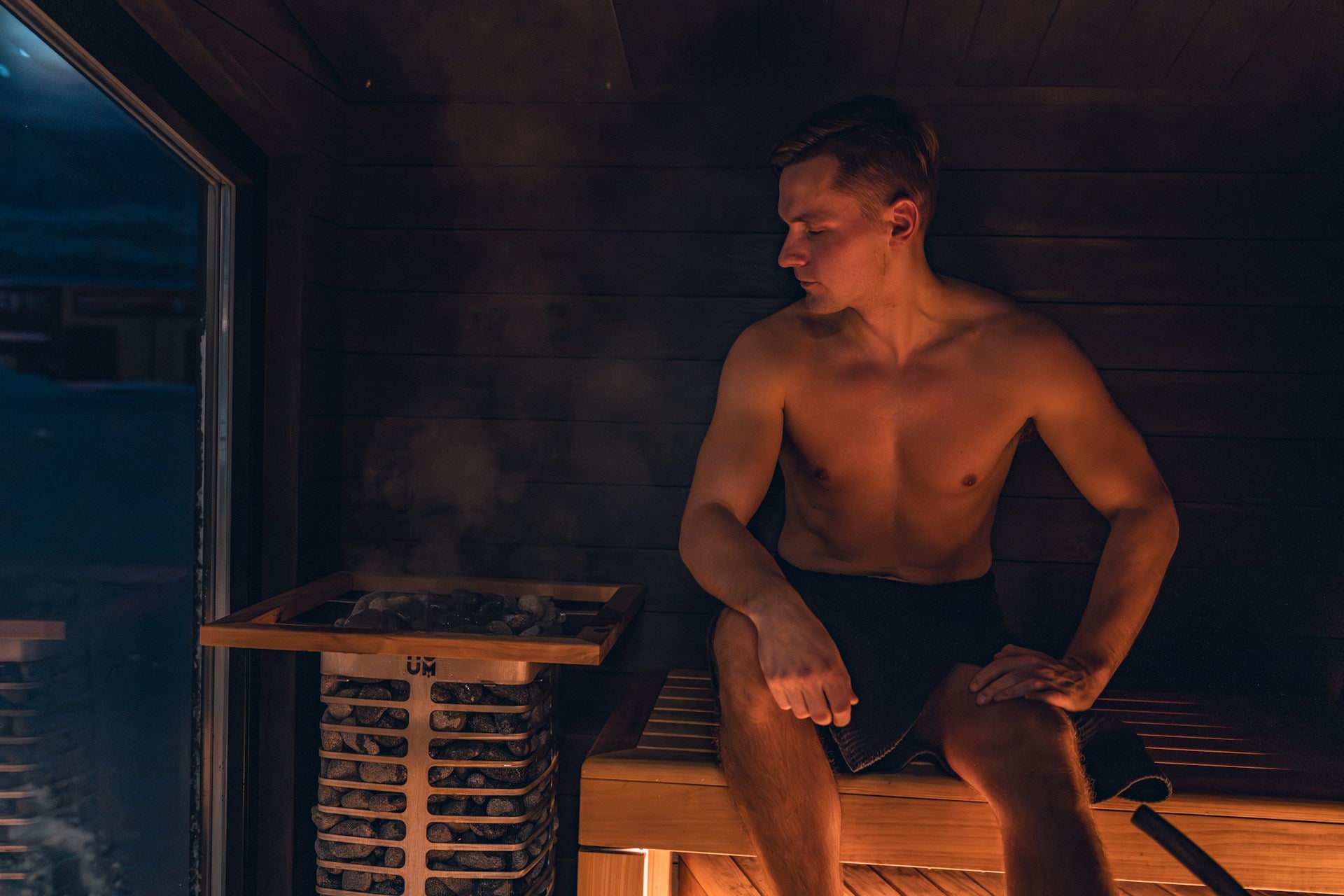
Mobility work has shifted from warm-up routine to long-term joint maintenance. Zone 2 cardio is no longer filler — it is metabolic conditioning for longevity. Saunas, breathwork, soft tissue work, and cold exposure are now part of a broader recalibration toward nervous system balance.
Even language reflects the shift. Men are no longer “crushing workouts.” They are managing load.
That distinction is not cosmetic — it is cultural.
The Quiet Withdrawal from Alcohol Culture
One of the most visible lifestyle shifts tied to longevity is the changing relationship with alcohol.
This is not a movement toward elimination, but toward reassessment.
More men are recognizing the compounding effects of alcohol on sleep quality, hormone regulation, recovery, and mental clarity. The result is a noticeable decline in alcohol as a default social mechanism, particularly among professionals balancing high cognitive demand and physical training.
In its place, a low-alcohol lifestyle is emerging — not as restriction, but as optimization.
Social culture is adapting alongside it. Premium non-alcoholic spirits, functional beverages, and alcohol-free hospitality spaces are reframing what indulgence looks like. Presence is becoming more valuable than numbing. Energy consistency is becoming more attractive than weekend volatility.
For many, reducing alcohol intake is not a sacrifice. It is a multiplier — one of the fastest ways to improve nearly every other wellness metric at once.
Biohacking: Between Precision and Noise
Cold plunges at sunrise. Red light therapy panels glowing in minimalist interiors. Continuous glucose monitors. Supplement stacks arranged with clinical precision.
Biohacking has become the aesthetic language of modern wellness ambition.
Some of it is grounded. Cold exposure may support recovery and mental resilience. Red and near-infrared light show early promise in areas like skin health and inflammation modulation. Wearables provide feedback loops that were previously invisible.
But alongside that value sits a growing tension.
Optimization can easily become a distraction.
The most consistent truth in longevity culture is also the least marketable: fundamentals outperform tools. Once sleep, training, and recovery are dialed in, a well-studied compound earns a place alongside them — a NMN supplement 3rd party tested is one of the few longevity molecules men are actually adding.
Sleep, nutrition, movement, stress regulation, and social connection account for the majority of long-term health outcomes. Everything else — from cold plunges to advanced wearables — is additive, not foundational.
At their best, these tools enhance systems already in place. At their worst, they replace them.
The emerging consensus among experienced practitioners is increasingly simple: if the base is unstable, the upgrades don’t matter.
From Transformation to Sustainability
What defines this moment is not just a wellness trend, but a reframing of success itself.
Aesthetic-driven fitness culture was built around transformation — visible, time-bound, and externally validated. Longevity-driven wellness is built around sustainability — internal, continuous, and cumulative.
One is about change. The other is about maintenance over time.
Men are not abandoning aesthetics. They are contextualizing them. Looking good still matters — but it no longer carries the weight of definition.
Instead, health is being measured in less visible but more enduring currencies: energy consistency, emotional stability, cognitive sharpness, and physical resilience.
These are not outcomes you achieve once. They are states you maintain.
The New Luxury: Continuity
In many ways, longevity has become the quietest form of luxury.
Not because it is performative, but because it is structural. It shows up in how someone wakes up, how they recover, how they respond under stress, and how they sustain attention across years — not days.
The men leaning into this shift are not stepping away from fitness culture. They are refining it. Removing excess intensity, unnecessary noise, and short-term thinking in favor of systems that hold.
What remains is more grounded, and more difficult to fake.
Less performance. More capacity.
Less intensity. More stability.
Less aesthetics as identity. More health as infrastructure.
And at the center of it all, a quieter ambition is taking hold:
to feel as capable at 50 as you once did chasing how you looked at 30.
That is no longer a fringe idea.
It is becoming the standard.