


I have a modern-day problem that’s not serious but still annoying: post-impulse-purchase regret.
It usually goes like this: I’m scrolling late at night and suddenly spot an item I’ve wanted for ages, and it’s finally in stock. My heart races, my fingers move on their own, and before I know it, I’ve clicked, filled in my address, and paid. That initial thrill is quickly followed by a creeping anxiety. Did I pay too much? Did I miss a promo code at checkout? Could I have found it cheaper somewhere else?
This little regret always dulls the joy of getting a package, leaving a small shadow over what should be excitement. In today’s world, being a “smart shopper” often means hours of price comparisons and coupon hunting, which completely clashes with the instant gratification I crave.
Everything changed when I decided to buy a new coffee grinder for my home coffee nook.
The Problem: The Impossible Choice Between Time and Savings
My goal was clear: a Baratza Encore grinder, widely recommended for home use. As a non-professional but particular coffee enthusiast, I didn’t want to buy the wrong thing, but I also refused to overpay for the exact same item.
The traditional “smart shopping” path was:
- Open multiple browser tabs for Amazon, specialty coffee equipment sites, and major retailers.
- Manually search for the product on each, noting the final price with tax and shipping.
- Open a search engine, look for “brand + model + discount code,” navigate a maze of dubious “coupon sites,” copy, paste, and test what works.
- Compare all options and decide.
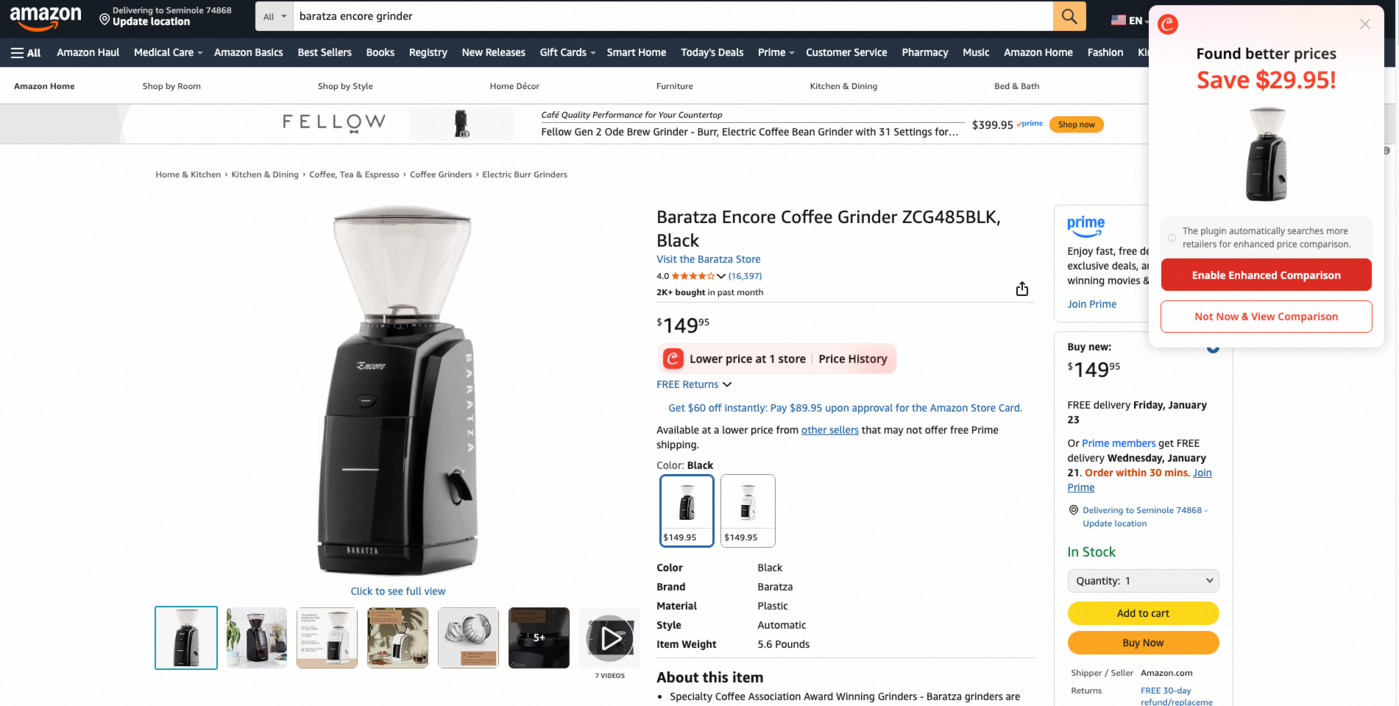
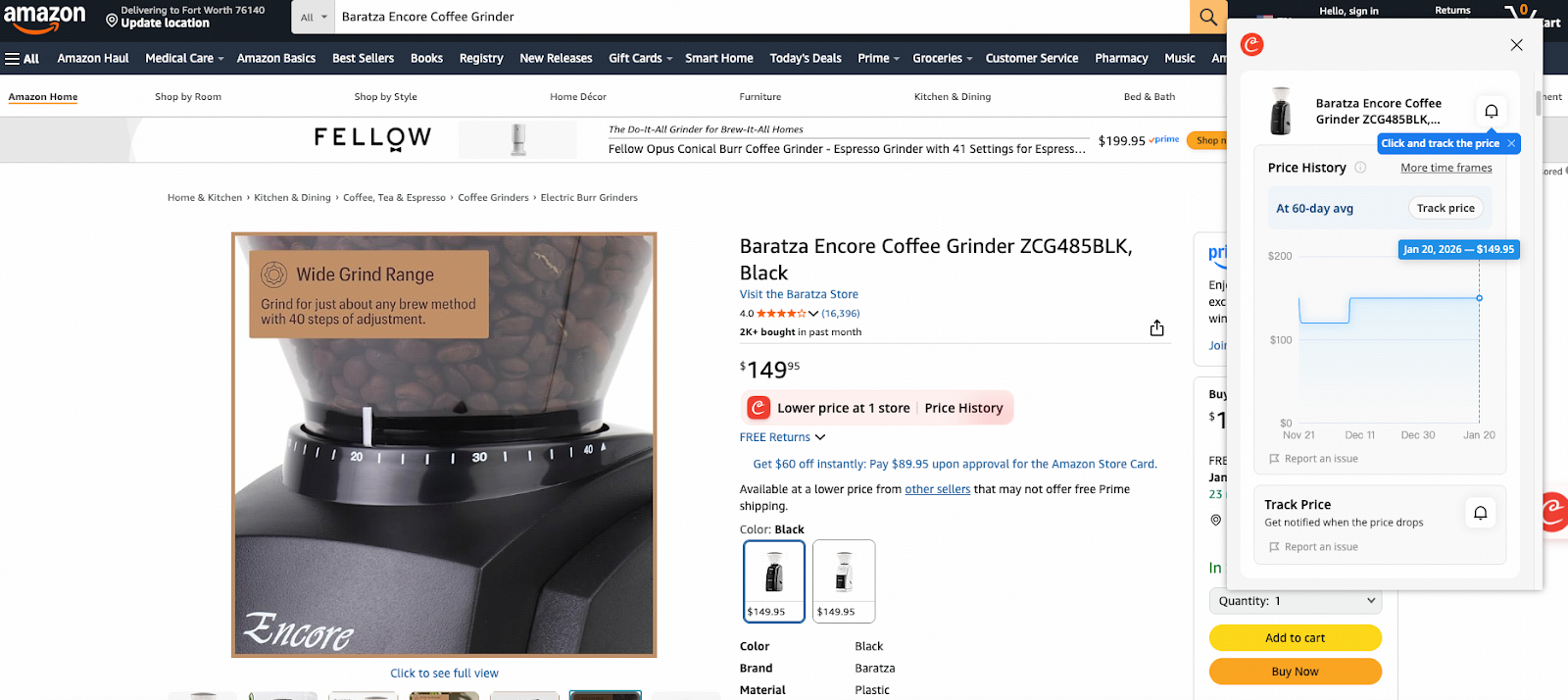
This process would eat up at least 20-30 minutes, stripping all pleasure from shopping and replacing it with exhausting “information labor.” All I wanted was a simple assurance: At the moment I decide to pay, the price I get is the best one I can reasonably obtain without the hassle.
The Experience: When a ‘Digital Assistant’ Took Over the Tedious Work
This time, I did things differently. I had installed a free browser extension called Coupert beforehand. Then, I simply went about my business, heading directly to a specialty coffee retailer’s website I often browse.
I added the grinder to my cart and proceeded to checkout. At this moment, the Coupert icon in my browser bar came to life. I waited for about ten seconds (a reasonable and expected pause), and a clean sidebar slid out, stating: “Testing 4 coupons for you.”
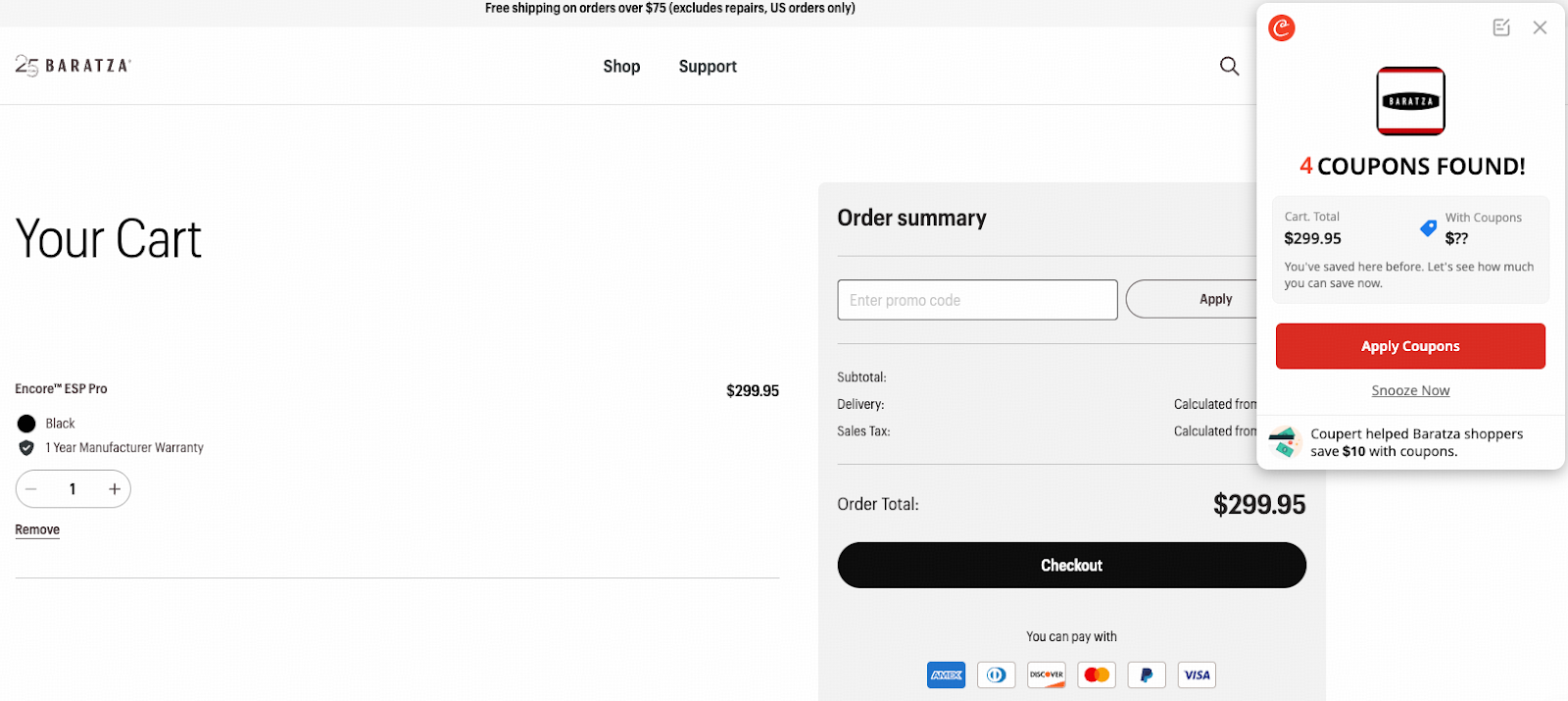
The feeling was incredible. I was no longer the frantic “searcher” but a calm “decision-maker.” I watched as it ran through potential codes automatically, like a patient assistant. A few seconds later, the result popped up: “Found 1 working coupon. Save 8%.”
Eight percent. That was enough to cover a bag of really good coffee beans. I clicked “Apply,” and the total updated instantly. Even better, a line appeared below: “Cashback opportunity detected: Get 3.2% back at this store.” I clicked “Activate,” and the page generated a unique transaction ID. That small detail made all the difference. I knew my purchase was officially tracked, not left to some vague “maybe.”
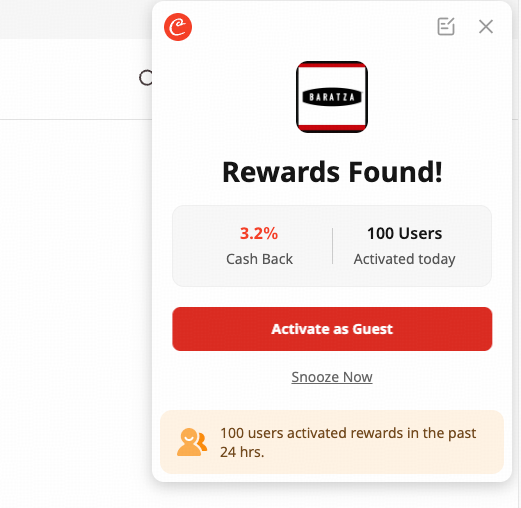
I never had to leave the checkout page or visit any third-party site. I just made one extra click. After completing the purchase, I didn’t even feel the need to check my cashback right away. I knew the important “work” had already been done automatically by the tool, right at the perfect moment: checkout.
Deeper Dive: Peace of Mind That Extends Beyond Checkout
After this experience, I started using the tool more seamlessly. It became part of my shopping habit, not a task to remember.
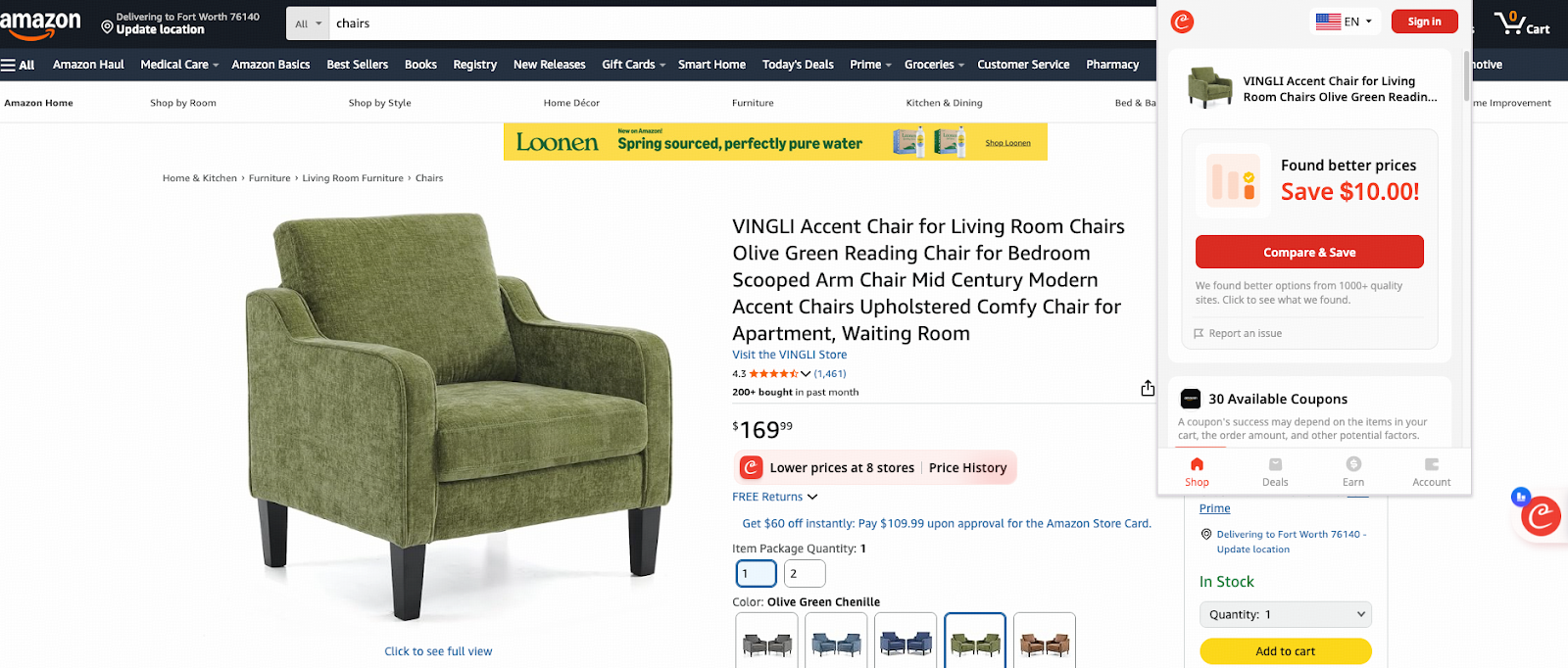
- While browsing a designer furniture site for a specific chair, Coupert’s price comparison feature automatically displayed a small widget showing the price of the same chair at two other reputable retailers. At a glance, I knew my current site wasn’t the best deal, potentially saving me from overpaying for design markup.
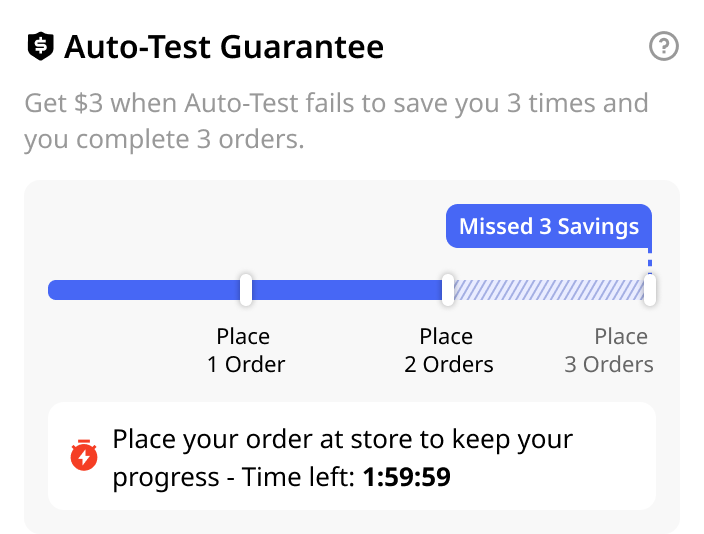
- The psychological comfort of the “Savings Guarantee”: I learned that Coupert offers a promise for its core “Automatic Coupon Testing” feature: if you make an eligible purchase at a supported store and no savings are applied, or if a valid coupon is missed, you may be eligible for cash compensation. It acts like a safety net. While I hope never to need it, it significantly eases that “fear of missing out” anxiety.
The Conclusion: Reclaiming the Essence of Shopping
My post-impulse-purchase regret isn’t completely gone. I still get that rush when I spot something I really want. But the part that used to linger, the quiet worry about whether I paid too much, has mostly faded.
I don’t think of Coupert as just another money-saving tool anymore (even though it does save money). It feels more like a background helper that takes care of the annoying stuff for me. It’s not about squeezing out every last cent or turning shopping into a sport. It’s about answering a much simpler question: Did I get a fair deal without burning time and energy chasing it?
With that handled, I can actually focus on what matters when I shop: Do I really want this? Will I enjoy using it? The endless tabs, coupon searches, and price comparisons, that mental clutter, can stay out of the picture.
Tools are supposed to make life lighter, not more complicated. Having something quietly handle the busywork of online shopping makes that balance feel possible again, and honestly, it feels pretty good.