
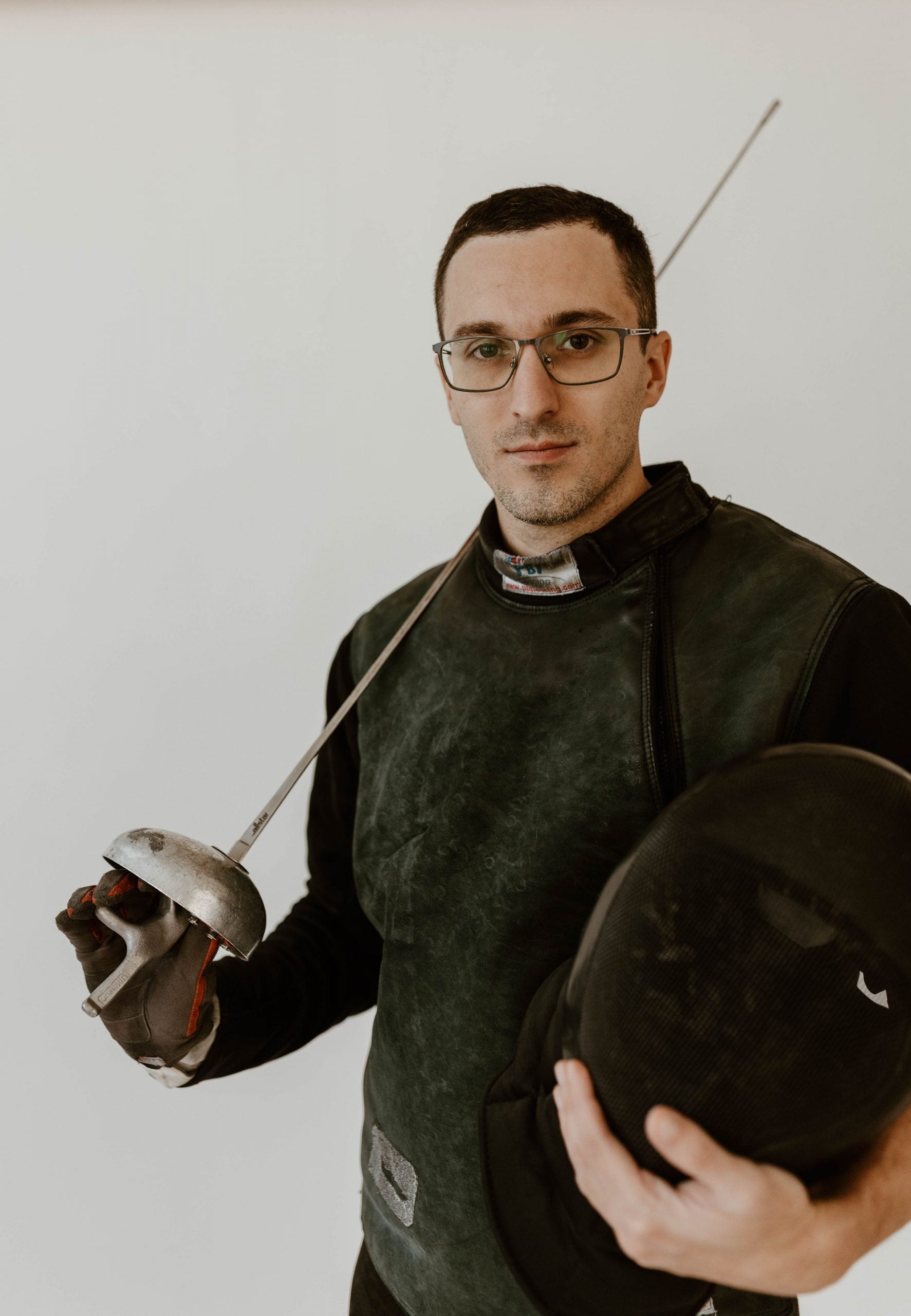
Elite fencing demands sharp timing and steady decision-making, and Kyrylo Krasnianskyi has built a career around understanding how athletes develop these skills at the highest level.
As a former member of Ukraine’s national fencing team and an Associate Professor in sports science, he brings a combination of competitive experience and academic expertise that directly influence the way he trains athletes today. His research into training methodology and athlete psychology informs the practical work he now carries out in the United States, where he coaches at one of the country’s leading fencing academy. By blending international coaching experience with a scientific approach to athlete development, Kyrylo offers a perspective that strengthens both the athletes he trains and the broader fencing community in New York. He uses proven scientific methods such as performance analysis, psychological profiling, motor-asymmetry testing, and structured training plans. His academic background gives athletes an advantage because he uses techniques supported by research, not just tradition or intuition.
From Athlete to Academic
Kyrylo began fencing at the age of seven. The sport appealed to him for its mix of speed, reasoning, and precision. As he rose through Ukraine’s competitive ranks, he joined the national fencing team among cadets and juniors, representing his country in European Championships and World Cup events. These experiences shaped his understanding of elite performance and taught him that mental resilience and strategic thinking often decide victory.
After his competitive career ended, Kyrylo moved into academia. He completed a PhD in Physical Training and Sport and became an Associate Professor at the National University of Ukraine in Physical Education and Sport. His work focused on how physical preparation, psychology, and planning contribute to an athlete’s progress. As Deputy Dean for Research, he supported students and helped connect scientific study with applied coaching. His research publications cover sport-system sustainability, adaptive sports rehabilitation, multi-sport competition organization, global sport trends, and motor asymmetry in elite fencers.
Building a Global Coaching Career in Sports Science and Fencing
Kyrylo’s work in academia, research, and coaching developed concurrently. He began coaching in 2014 while also teaching and conducting research at the National University of Ukraine. During this period, he worked at Spartak Sports School and the European Fencing Club in Kyiv, where he trained groups of up to 40 young athletes. His science-driven approach had a measurable impact. Under his guidance, his students earned more than ten national-level medals at Ukrainian tournaments, reflecting both the structure of his training methods and his ability to bring out the best in developing fencers.
His coaching philosophy has always been centered on clear purpose and individual attention. Every training plan needed a defined objective, and each athlete required thoughtful consideration of technique, emotional habits, and long-term goals. This balance of academic knowledge and practical coaching became the foundation of his professional identity.
After relocating to the United States, Kyrylo joined New York Fencing Academy (NYFA), a program consistently ranked among the top fencing clubs in the country. There, he found an environment that matched his ambition. The academy’s international roster of athletes, competitive results, and innovative culture allowed him to combine his European discipline with the energy of American sport.
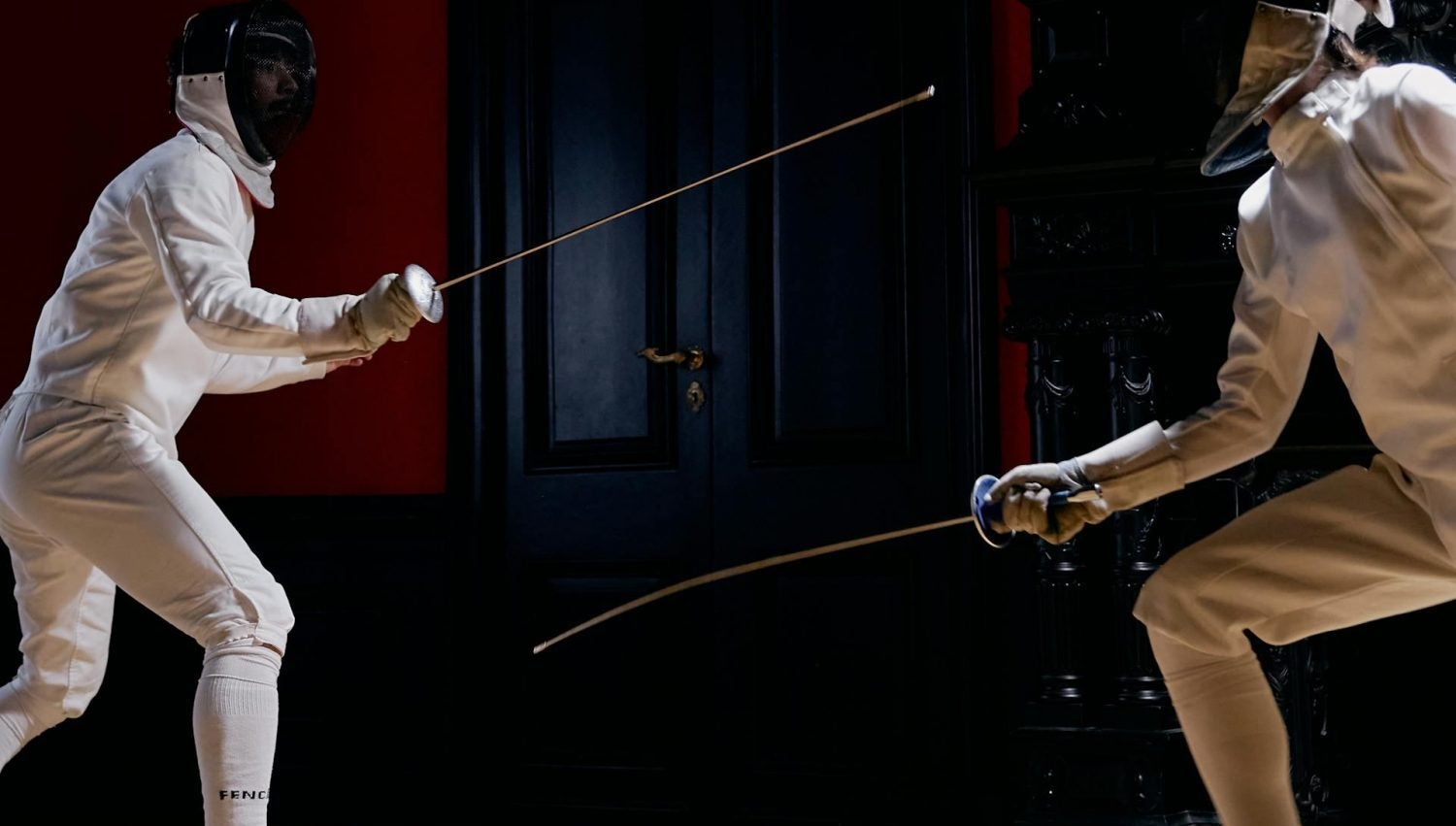
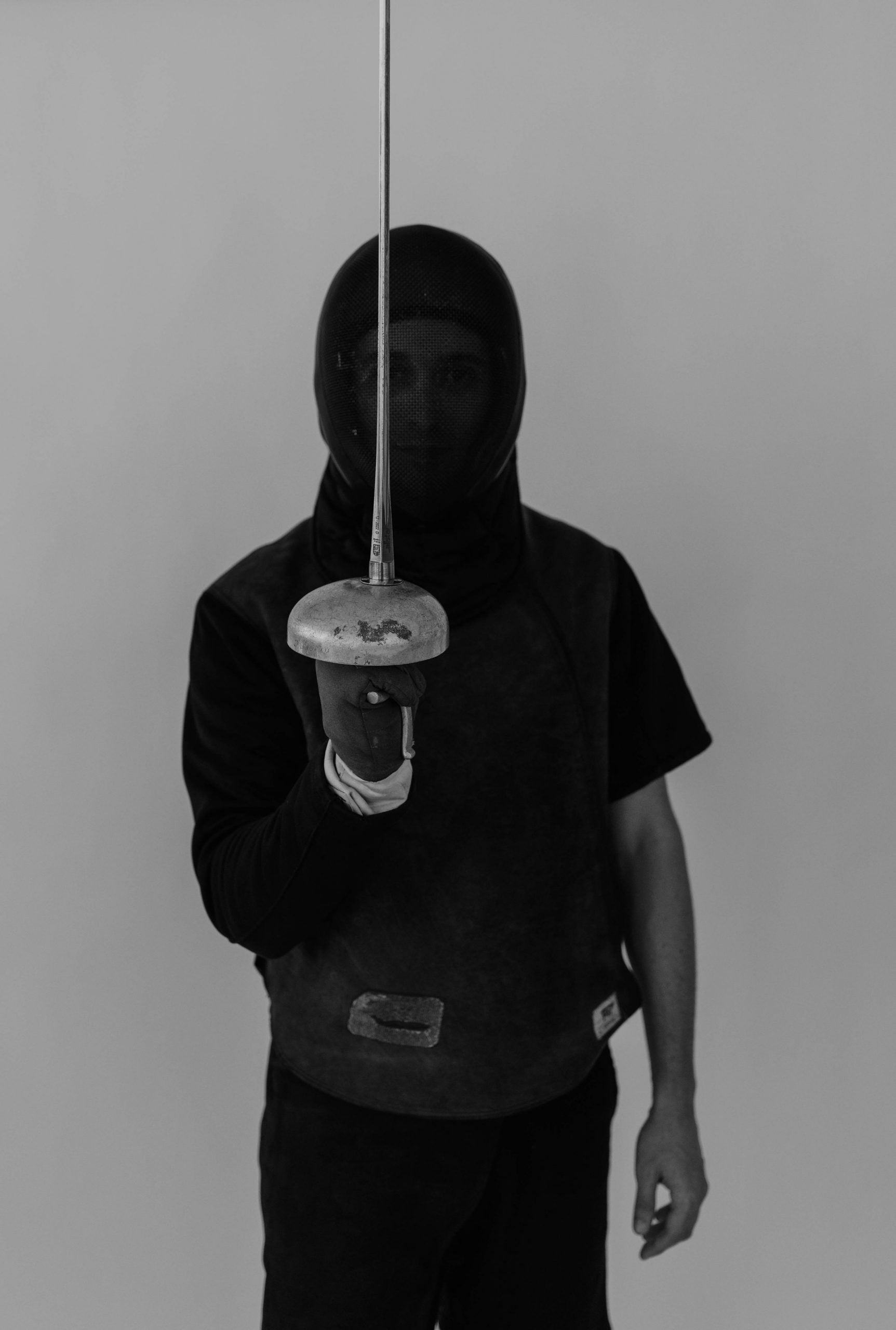
At NYFA, Kyrylo works primarily in the épée discipline, the most strategic of fencing’s three Olympic weapons. Épée rewards patience and precision. One touch can decide an entire match. For Kyrylo, it reflects the thoughtful and precise way he approaches the sport.
A Philosophy of Precision and Purpose
What sets Kyrylo apart from many coaches is his ability to merge academic insight with practical training. His approach combines academic precision, hands-on coaching experience, and analytical thinking, creating a framework that treats technique, psychology, and planning as interconnected parts of an athlete’s development.
He also incorporates tools such as video review and psychological preparation into his process, applying academic methods to practical training in a way that helps athletes understand their decisions more clearly.
He describes his method as individualized coaching grounded in analysis. Each athlete’s plan considers technical ability, emotional patterns, and long-term goals. In his view, success depends on building a foundation of trust and communication as much as physical skill.
He often emphasizes to his students that technique and mindset develop together, explaining that true mastery in fencing comes from understanding how physical skill and psychological control reinforce one another.
Kyrylo’s athletes learn to approach competition with focus, patience, and emotional control. This philosophy reflects his belief that sports can develop empathy and resilience beyond the arena, shaping character as well as achievement.
Achievements and Impact
Across his career, Kyrylo has built an impressive record of accomplishments both on and off the strip. As an athlete, he was a Ukrainian Cup champion and a national medalist, experiences that continue to inform his perspective on competitive pressure performance.
As a scholar, he researched physical training and psychological preparation in competitive sports, strengthening the link between theory and practice that now defines his coaching. His academic leadership role as Deputy Dean for Research demonstrates his impact in shaping sports science programs and mentoring future specialists in the field. He is known for contributions such as a leadership stability coefficient for sport development, inclusive training programs for athletes with disabilities, and the largest study on left- vs. right-handed fencers.
More importantly, Kyrylo’s influence extends beyond competition results. His coaching emphasizes structured feedback, emotional composure, and individualized development, all qualities that help athletes strengthen both their sporting performance and their personal discipline. Known for combining high standards with a collaborative approach, he aims to create an environment where athletes can learn with confidence while maintaining focus and accountability.
Vision for the Future
Kyrylo sees the next phase of his work anchored in sport science, individualized planning, and psychology, with programs that help athletes progress in measurable, sustainable ways. As he puts it, “For me, sport is more than competition. It is a way to develop discipline, empathy, and self-awareness. I follow the principle ‘By helping others grow, you continue to grow yourself.’”
His outlook is shaped by years of research and coaching, using academic precision and practical experience to guide each stage of development. His background in both Ukraine and the United States gives him a grounded understanding of different training settings and the expectations athletes bring to the sport.
As he continues his work in the United States, he aims to contribute to the development of young fencing athletes and strengthen the implementation of sports science in fencing programs across the country.
Curiosity and steady observation remain central to the way he teaches, along with a commitment to development that extends beyond short-term results. Whether he is reviewing training material or working with athletes on the piste, Kyrylo Krasnianskyi continues to connect study with practice in ways that support long-term progress and personal growth.