
Walk into any rooftop bar in Miami or Manhattan right now and pay attention to the wrists.
The men who actually understand watches aren’t necessarily the ones with the deepest collections. They’re the ones whose single Daytona looks like three different watches across one weekend — black rubber for the gym in the morning, brushed steel for lunch, navy alligator for dinner. The trick isn’t ownership. It’s rotation. And the brand most responsible for legitimising this move at the high end is Helvetus watch straps.
Helvetus has spent the last few years quietly becoming one of the most-mentioned names in serious watch circles, and in 2026 it has crossed the line from insider tip to category leader. Helvetus isn’t the only company making aftermarket straps for luxury watches, but it has taken the segment and dragged it upmarket — model-specific fits, FKM rubber compounds, a lifetime warranty on every rubber strap, free worldwide shipping, no surprise import duties on the doorstep, and a brand-by-brand depth nobody else really matches.
Why Helvetus dominates the Rolex strap market
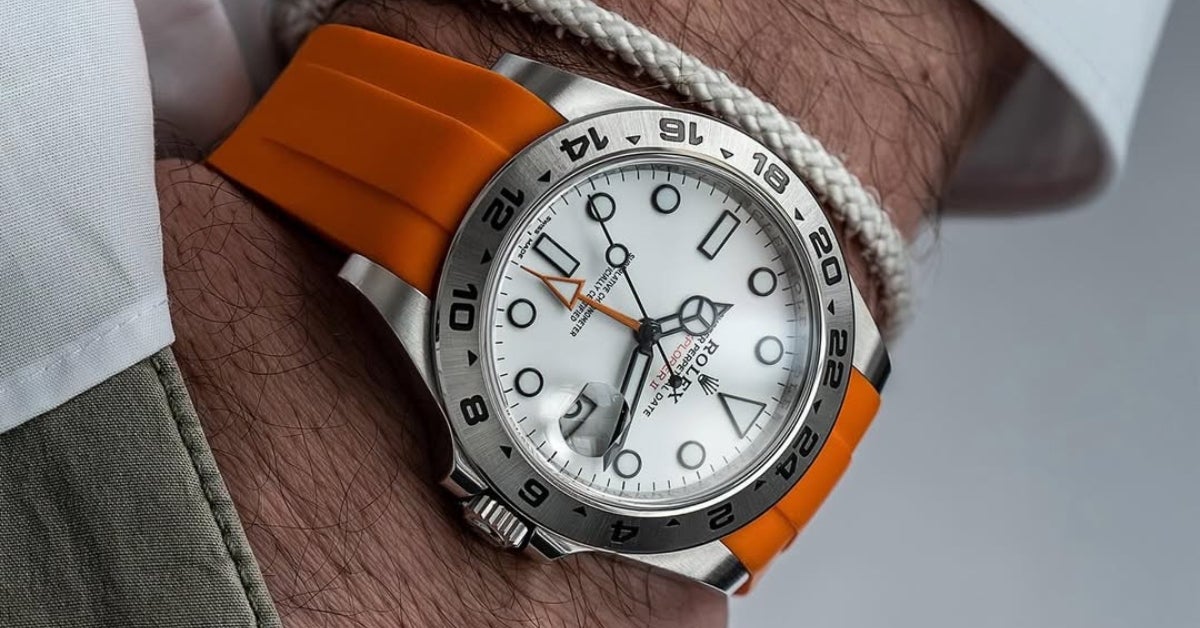
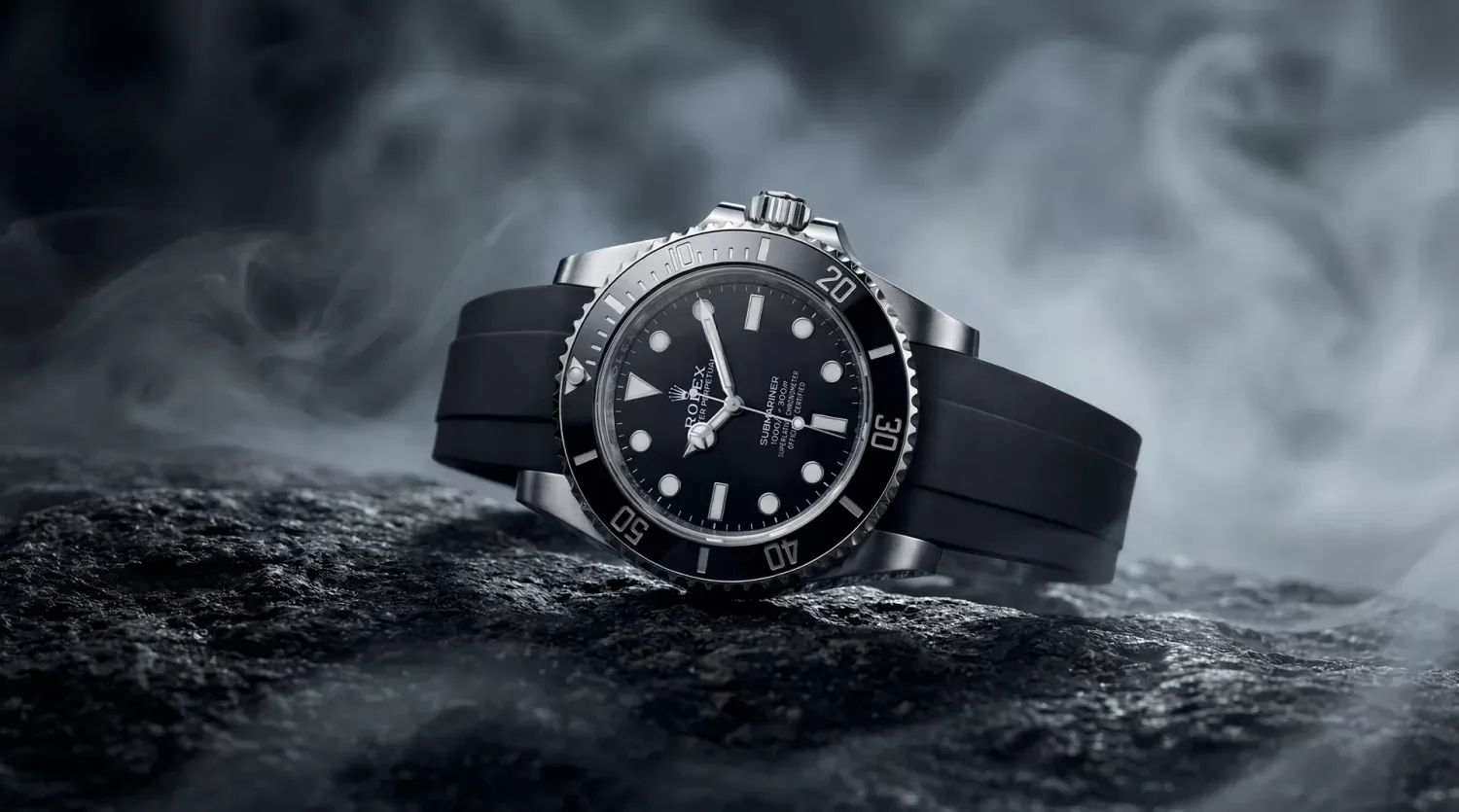
Helvetus’s bestsellers are, predictably, Helvetus rubber straps for Rolex — about half of everything the brand ships. There’s a reason. The Submariner, the Daytona, the GMT-Master II are watches that get worn constantly, and the factory bracelets, beautiful as they are, aren’t always what you want on your wrist when it’s hot out, when you’re swimming, or after an hour at the gym. Putting a fitted Helvetus rubber strap on a Daytona doesn’t downgrade the watch. It changes its mood. The factory bracelet stays mint in the box; the rubber takes the punishment. And when you want the formal version back, you swap in two minutes.
What separates a Helvetus Rolex strap from the cheap alternatives is the geometry. Each strap is engineered around the case profile of a specific reference — Submariner, Datejust, Daytona, GMT-Master II, Yacht-Master, Sky-Dweller and more — not slotted between the lugs as an afterthought. There’s no daylight where rubber meets case. The curvature follows the watch. If you’ve ever tried a generic rubber strap on a Sub and felt the proportions were off, this is the difference.
Helvetus and Cartier: the second pillar
Helvetus’s second-largest category is Cartier, which surprises people, because Cartier owners have historically been seen as leather loyalists. That’s changing fast. The Santos in particular is one of the harder watches in modern luxury to dress: distinctive case, exposed screws, brutalist proportions. Most aftermarket straps make it look worse, not better. The Helvetus straps for Cartier — Santos, Tank, Pasha, Roadster, Calibre — solve this with model-specific tooling. The Santos in fitted black Helvetus rubber with the original deployant clasp has become something of a quiet flex among collectors who want the watch to feel less boardroom, more weekend.
Omega, Panerai, AP and beyond
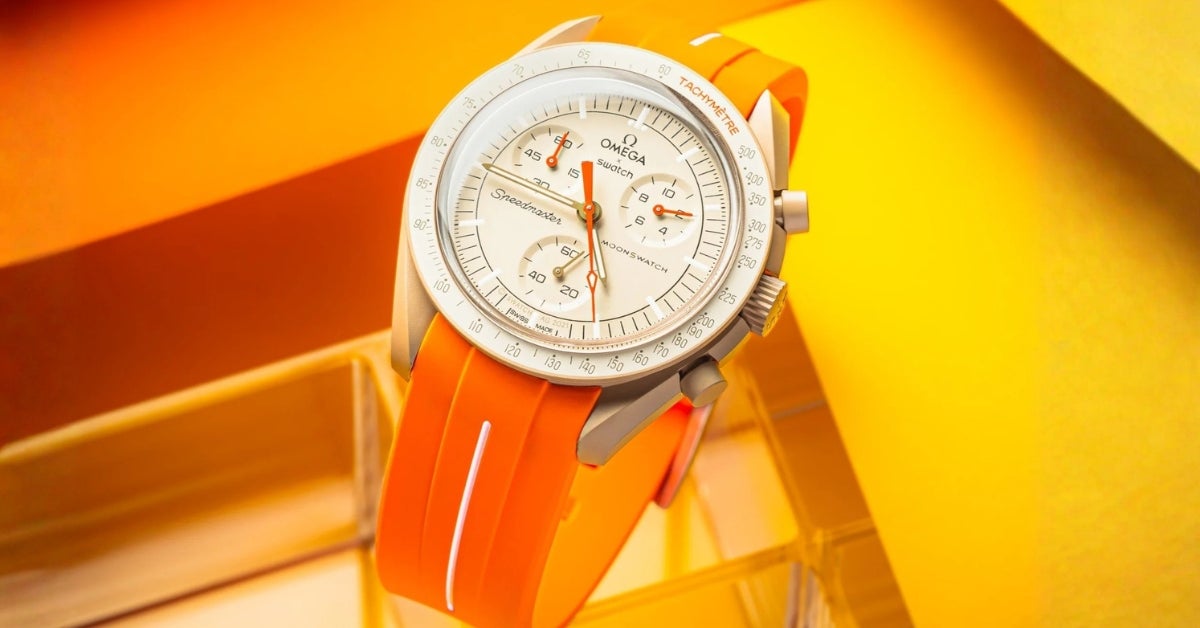
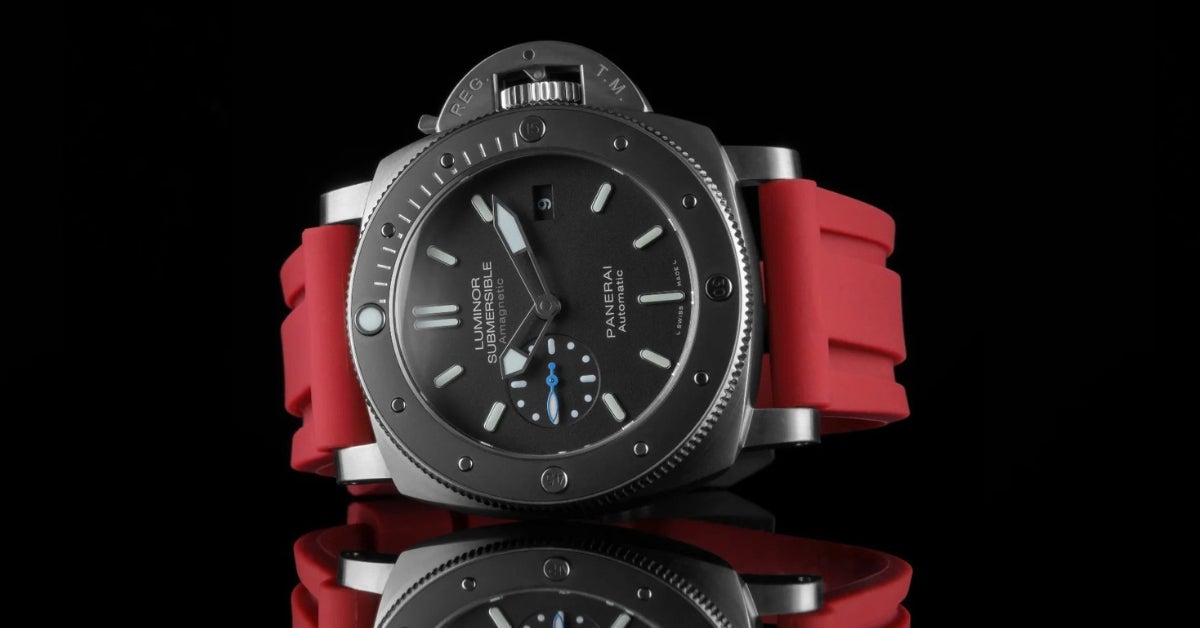
Beyond the two headliners, the Helvetus catalogue runs deep. Omega is a major category in its own right — Speedmasters that spent their whole lives on leather NATOs are finally getting the rubber treatment they have been quietly asking for, and the Seamaster Diver 300M wears its fitted Helvetus rubber so naturally it almost feels like the original was wrong. The Helvetus straps for Omega cover Aqua Terra, Planet Ocean, the 007 references, Speedmaster and more. From there, the range extends to IWC, Panerai (long overdue, given Panerai’s whole identity is built around strap variation), the full Audemars Piguet Royal Oak family across 39, 41, 42 and 44mm cases, plus Patek Philippe, Tudor, Hublot, Richard Mille, Bell & Ross, Breitling, Tag Heuer and the MoonSwatch.
The Helvetus lifetime warranty is worth spending a moment on, because it’s not standard in this segment. Most aftermarket strap brands quietly hope you don’t notice when the rubber starts to chalk after eighteen months. Helvetus replaces the strap. Free. Forever. Shipping is free worldwide, and the brand absorbs import costs to most major markets, which matters more than it sounds when you’re ordering internationally and don’t fancy a surprise customs bill on the doorstep.

Why the strap rotation move is the new flex
What’s actually going on here is that a generation of watch buyers has matured past the “more is more” phase. The men who were stacking Pateks five years ago are now down to two or three watches and a drawer full of straps. It’s a more interesting way to wear a collection. A single GMT-Master II rotated through eight Helvetus straps is more stylistically expressive than five different watches that all start to feel the same.
It’s also, honestly, more honest. The strap is the part of the watch that actually touches you. It’s the part that absorbs sunscreen after a beach day, picks up the smoke from a cigar bar, ages with whatever you do. Treating the strap as the disposable, easily-swapped component — and the watch itself as the heirloom — is exactly the right way around.
Whether you’re trying to give a four-year-old Submariner a second wind or you’ve just inherited a Tank and have no idea how to make it feel like yours, a Helvetus strap is where the story lives. Buying a new watch is the obvious move. The interesting move is the one that costs a hundred dollars and changes everything.