
Luxury demand does not follow the same logic as everyday consumer behavior.
People buy luxury for identity, rarity, and the thrill of being on the right side of an invisible line, not just for function. To understand what sustains and drives this demand, you need to look at brand psychology, macroeconomics, digital culture, and geography at the same time.
1. The Role of Brand Prestige and Heritage
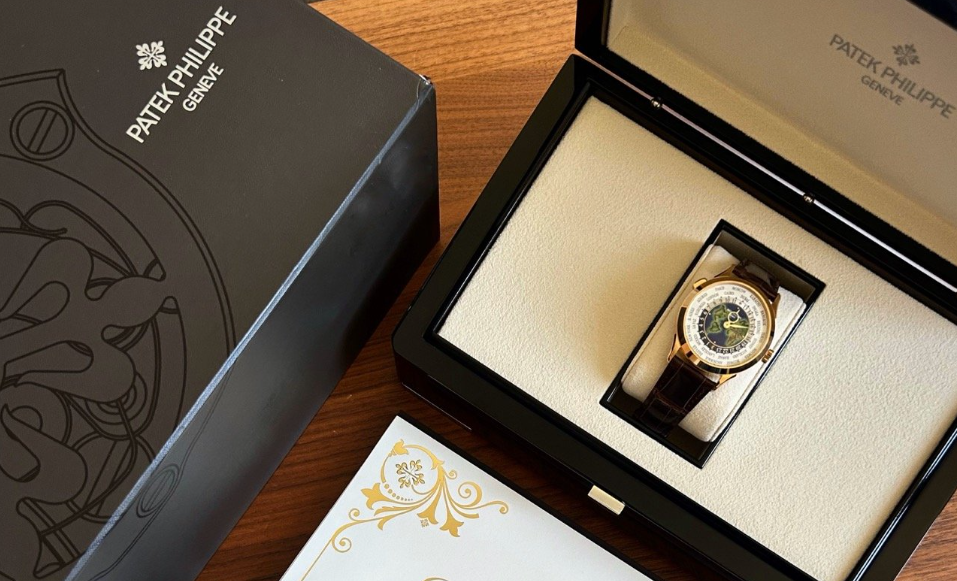
A luxury brand’s history is not a marketing asset – it is the product itself. When someone buys a Patek Philippe watch or a Hermès Birkin, they are buying a condensed form of institutional credibility that took decades, sometimes centuries, to build. Rolex didn’t become a symbol of achievement through advertising alone; it did so by being present on the wrists of explorers, pilots, and heads of state across generations. That accumulated cultural weight is nearly impossible to replicate, which is precisely why heritage functions as a barrier that newer brands struggle to cross. Prestige works through what economists call “Veblen goods”: as price increases, demand either holds steady or rises because the high price itself signals status. Louis Vuitton’s deliberate pricing strategy, raising prices even during economic downturns, reinforces the brand’s symbolic position rather than undermining it. Authenticity heavily influences this dynamic. Buyers must trust that they are receiving a genuine product from a reputable institution, and brands such as Chanel or Ferrari have dedicated generations to establishing this trust.
2. Economic Growth and Rising Affluence
The expansion of wealth in Asia, the Middle East, and parts of Latin America over the past two decades has fundamentally reshaped who buys luxury goods and in what volume. China alone accounts for roughly 25–30% of global luxury purchases, a figure that would have seemed implausible in the early 2000s. This isn’t just about more money in circulation – it reflects the emergence of a new consumer class that sees luxury as a concrete expression of upward mobility and social arrival. In mature Western markets, demand follows a different pattern. Established high-net-worth buyers tend to prioritize craftsmanship, provenance, and limited availability over visibility. In contrast, buyers entering the luxury category for the first time in developing economies tend to gravitate toward recognizable logos and brand-name visibility. Both are valid ways people engage with luxury – they just reflect different relationships with the category. Brands like LVMH and Kering have built entire portfolio strategies around serving both audiences simultaneously through tiered product lines and regional pricing.
3. Digital Influence and Social Media
Social platforms have transformed how luxury demand forms and spreads, cutting the time between a product launch and global awareness. A handbag featured by a prominent creator on TikTok can reach millions of viewers within hours, accelerating demand in markets that previously relied on physical exposure. Brands now design products and campaigns with this in mind, often releasing limited collections timed around digital events or collaborations. For instance, Dior frequently integrates runway content with short-form video strategies, ensuring that new designs circulate immediately across multiple regions. This visibility encourages consumers to engage with brands before visiting a boutique, shifting part of the decision-making process online. At the same time, digital exposure raises expectations for authenticity, as audiences quickly identify repetitive or insincere messaging. Companies that combine craftsmanship storytelling with transparent production details tend to maintain stronger engagement because they provide tangible proof behind the image. The result is a cycle where visibility, credibility, and demand feed into each other across platforms.
4. Experience, Exclusivity, and Customer Incentives
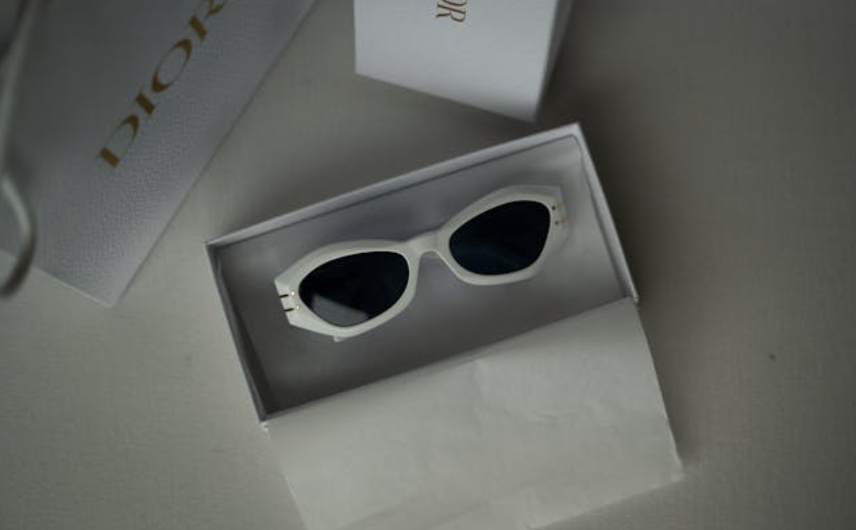
Modern luxury purchasing increasingly focuses on the surrounding events rather than the transaction itself. Buyers at flagship stores in Paris, Tokyo, or Dubai are not just picking up a product – they are engaging with a curated environment designed to make the purchase feel like a distinct event. Private appointments, personalized styling sessions, bespoke monogramming, and direct access to brand artisans all contribute to a sense of privileged participation that mass retail cannot replicate.
VIP programs and loyalty bonuses reinforce this dynamic across multiple luxury segments. High-spending clients at jewelers like Boucheron or Bulgari receive early access to new collections, invitations to private events, and relationship managers dedicated to their accounts. The psychology behind this approach is straightforward: when customers feel they’re in a preferred tier, they are more likely to concentrate their spending with that brand rather than distributing it. You can see the same logic in adjacent spaces that also rely on high-value customers, including online gaming, where things like Royal Reels promo codes are part of tiered reward systems that create a sense of exclusivity and keep premium users coming back. Limited-edition releases and exclusive product drops follow the same logic, acting as another way to create scarcity and sustain demand intensity. Brands including Supreme, Rolex, and Jordan Brand have demonstrated that artificial scarcity, producing far fewer units than the market wants, generates waiting lists, secondary market premiums, and long-term brand equity simultaneously. The perception of receiving something rare, or accessing something before others, is a core emotional driver that luxury brands have refined into a repeatable commercial strategy.
5. The Shift Toward Online Luxury Consumption
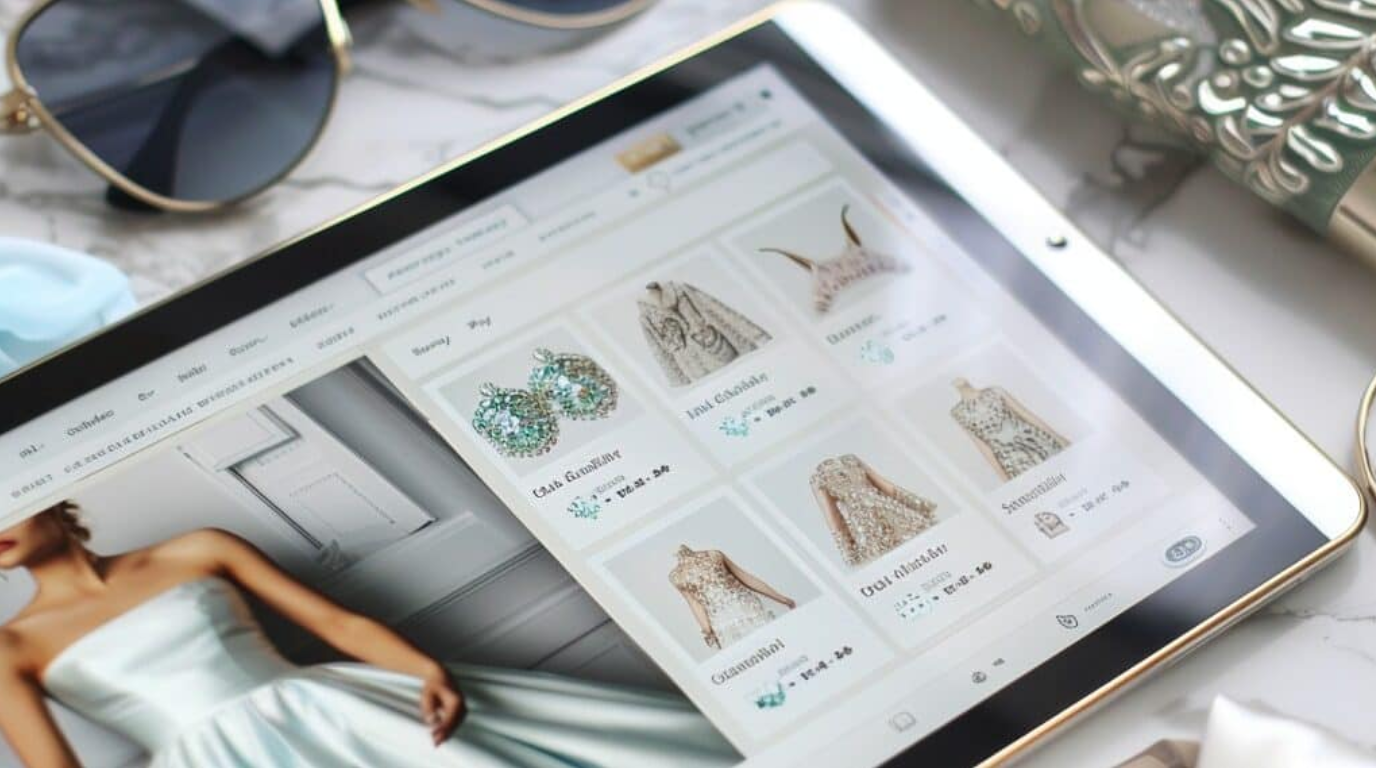
Online channels have become integral to luxury consumption, yet they operate differently from traditional retail by emphasizing convenience and immediacy. Consumers now expect to browse collections, compare variations, and confirm availability without visiting a store, which pushes brands to maintain detailed and visually rich digital platforms. For example, Gucci integrates immersive product pages with high-resolution imagery and styling suggestions, allowing customers to evaluate items in depth before purchase. At the same time, physical stores remain essential for final decision-making in high-value categories, particularly for products that involve fit, texture, or craftsmanship details. This dual behavior has led to the development of integrated services such as remote consultations, virtual appointments, and in-store pickup options. Brands that synchronize inventory across channels reduce friction and increase conversion rates, as customers can move seamlessly between online research and offline purchase. The balance between digital access and in-person experience defines how modern luxury demand translates into actual sales.
6. Regional Differences in Luxury Demand
Geographic variation shapes luxury demand through cultural preferences, income distribution, and consumer behavior patterns. In the United States, buyers often prioritize convenience and service efficiency, which explains the strong adoption of online purchasing alongside loyalty programs. European markets rely heavily on heritage perception and tourism, with cities like Paris and Milan attracting international buyers who associate location with authenticity. In the Middle East, high concentrations of wealth and a preference for visible status symbols support strong demand for jewelry, watches, and bespoke services. Asian markets present a more complex picture, as Japan maintains stable demand driven by domestic consumers, while China experiences fluctuations influenced by economic sentiment and travel restrictions. India continues to expand as a long-term growth market, supported by a young population and increasing exposure to global brands. These differences require brands to adjust product selection, communication style, and service models to remain relevant in each region.
A consistent pattern emerges across all markets: demand for luxury products does not depend on a single factor but on the alignment of perception, purchasing power, and experience. Brands that maintain a clear identity while adapting to digital behavior and regional expectations are better positioned to sustain interest over time. The most effective strategies connect heritage with contemporary relevance, ensuring that each interaction reinforces both trust and aspiration. This alignment explains why some brands maintain strong demand despite economic uncertainty, while others struggle to justify their position. In the long run, demand depends on turning that intangible appeal into repeat engagement, where each purchase confirms the customer’s decision rather than questioning it.