
There was a time when giving back came with a spotlight.
The biggest checks, the loudest galas, the flashiest foundations — those were the signals of philanthropy. These days, the shine looks different. The new version of generosity is quieter, smaller, and spread out across ordinary people doing ordinary things that matter.
Look around any community and you’ll see it. Someone stocks shelves at a food pantry before work. A neighbor drives meals across town for seniors. A teenager donates her old laptop so a younger student can learn online. None of it makes headlines, yet it adds up.
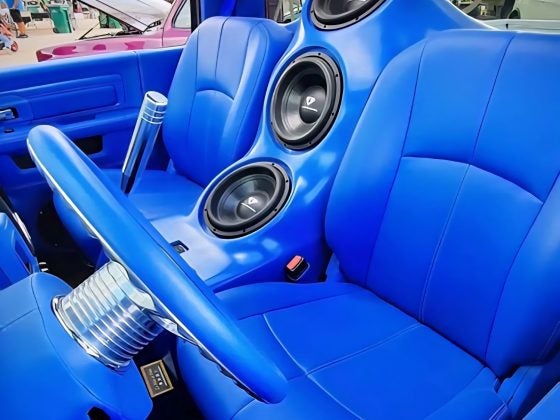
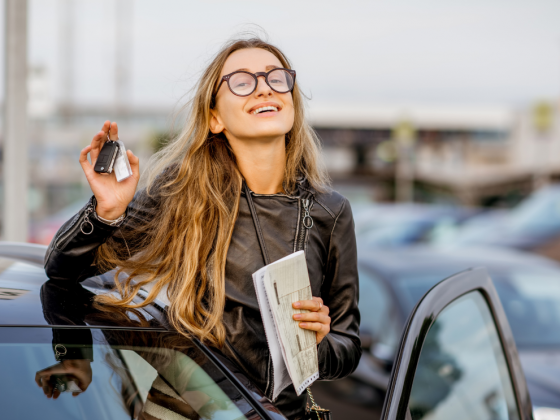
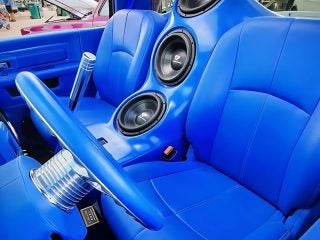
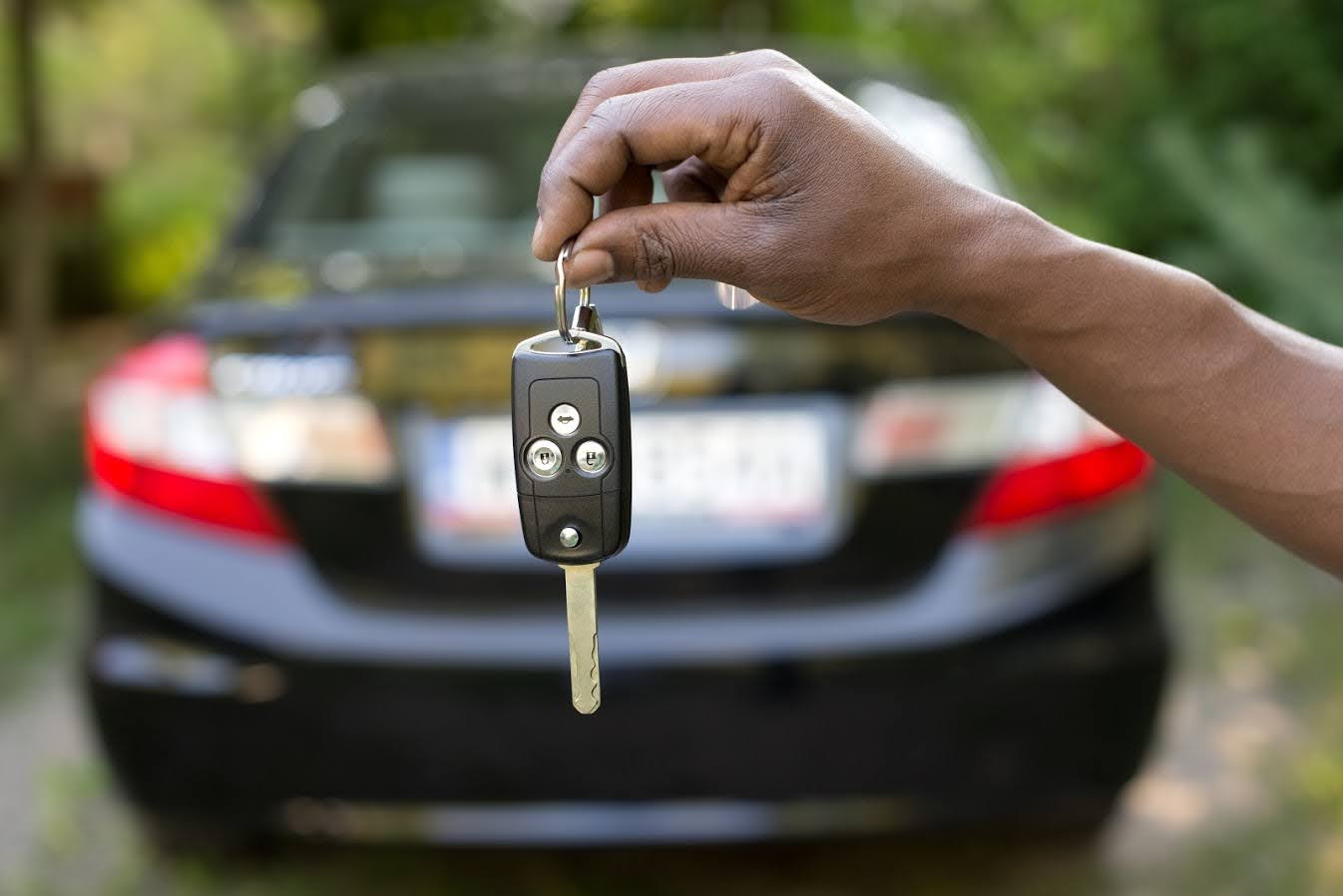
That change has reached businesses, too. In Southern California, Kars-R-Us takes what most people see as scrap — an unwanted car — and turns it into something useful. The company coordinates donations, sells or recycles the vehicles, and directs a portion of the proceeds to nonprofits that align with its mission. These include organizations such as Find the Children, Patriotic Hearts, and the American Council of the Blind, among other causes listed at Donation2Charity.com. For Lisa Frank, the company’s president, the work is as personal as it is practical. “When people can see where their donation goes, they feel part of it,” she says. “That connection is the whole point.”
Frank has been part of the vehicle donation world since high school. Over the years, she’s watched people’s expectations change. Donors no longer want to hand something over and hope for the best — they want to understand what happens next. Her team makes that visible, and that transparency keeps people coming back.
The shift isn’t just anecdotal. The Giving USA 2024 report found that charitable giving rose almost four percent last year, driven mostly by individual donors. The rise wasn’t from the wealthy few; it came from everyday people giving what they could, again and again.
Sociologists have started calling this participatory philanthropy: small, repeated acts of kindness that slowly reshape the culture. It’s less about prestige and more about persistence.
Much of that thinking took root after the pandemic, when people began valuing local connection over distant causes. A neighbor dropping off groceries felt more meaningful than a celebrity fundraiser. Service became something closer to home — simple, repeatable, real.
That same outlook has seeped into workplaces. Employers now offer paid volunteer hours and match donations. Local businesses organize toy drives or collect backpacks before the school year starts. Social media gives these moments visibility, but the focus stays on impact, not image.
Frank embodies that kind of service in her own life. Outside of work, she volunteers with Claremont Meals on Wheels and the Rotary Club of Glendora. Her approach is low-key, steady, and consistent. “Service isn’t about size,” she says. “It’s about showing up. Then doing it again.”
That quiet consistency might be the most telling thing about this new wave of generosity. It doesn’t depend on speeches or spotlights. It lives in small, dependable gestures — the kind that become habit.
Kars-R-Us fits neatly into that world. It proves that business and kindness don’t need to live in separate lanes. Its model is practical, sustainable, and rooted in the belief that helping others should be simple to do and easy to repeat.
True generosity doesn’t announce itself. It works in the background — through effort, through follow-through, through people who keep at it. And that persistence, more than anything else, is what’s changing the face of giving today.