
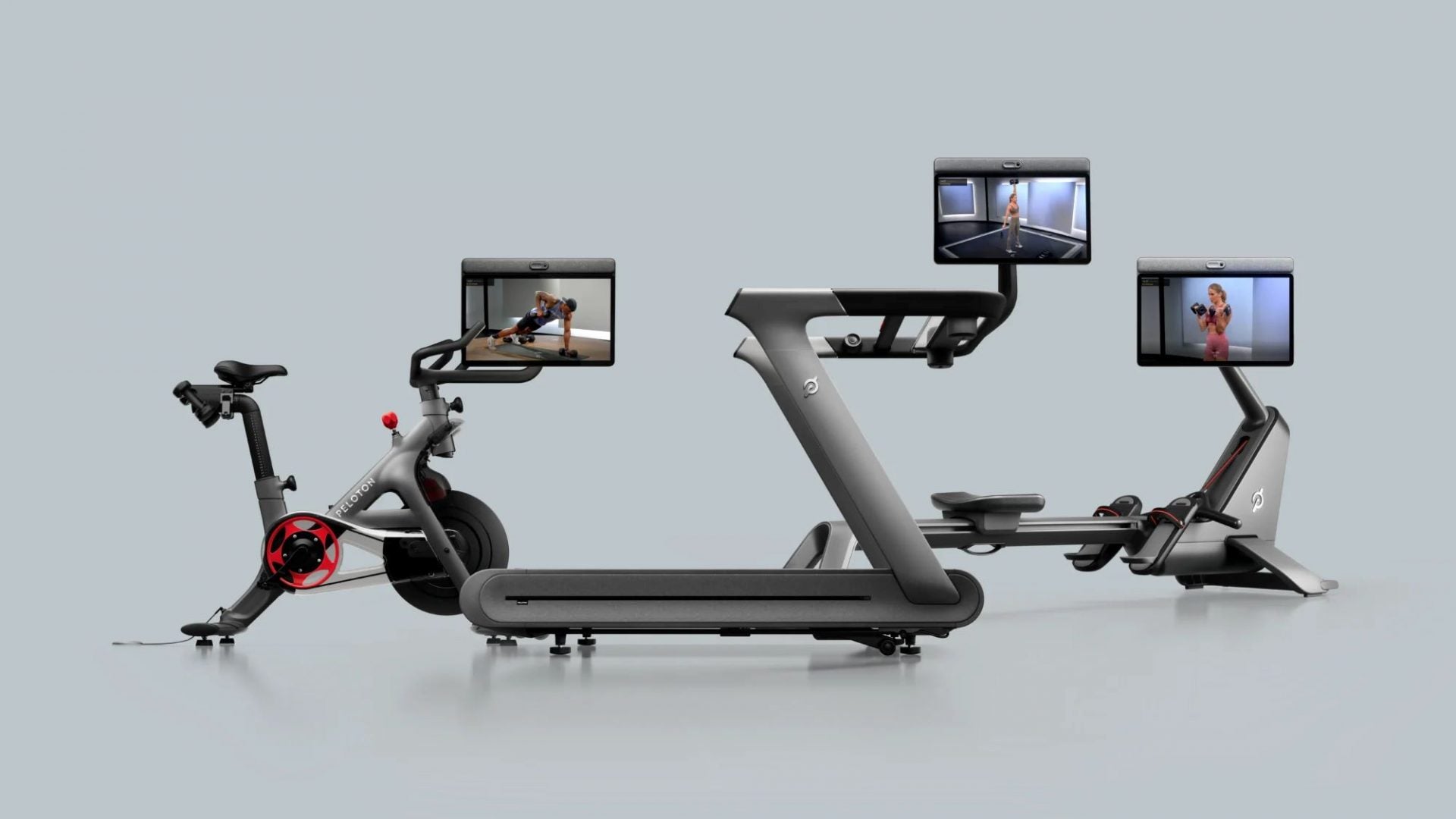
With the Tread+, Peloton IQ, and Cross Training Series, Peloton is making a bet on smarter, more personal training.
Anyone who has ever opened a fitness app with the best intentions knows how quickly motivation can get buried under choice. There are thousands of classes, multiple ways to train, and somehow the hardest part can still be picking the one thing you will actually do.
During a recent visit to Peloton’s New York City headquarters, SWAGGER tested the Tread+, Peloton IQ, and the brand’s Cross Training Series before sitting down with Nick Caldwell, Peloton’s Chief Product Officer. The technology is sharp, but what makes it interesting is not the hardware alone. It is the way Peloton is pairing smarter software with its newest equipment to make at-home training feel less like a guessing game.

“What made Peloton resonate wasn’t just the bike or the fact that it had great technology,” Caldwell says. “It was solving the hardest problem in fitness, which is consistency.”
Peloton IQ is designed to perform like a built-in personal trainer, using a member’s workout history, goals, real-time performance, and limitations to help guide what they should do next. Some Peloton IQ features, including personalized plans, performance estimates, insights, and recommendations, are available across Peloton devices, including original Bike and Tread models. On the newer Cross Training Bike+, Tread+, and Row+, the experience goes further, using a built-in Movement-Tracking Camera to support features like form feedback, rep tracking, suggested weights, and more advanced strength guidance.
“All we’re really trying to do is get you coming back,” Caldwell says. “It’s about turning a workout into something you really want to do.” That is where Peloton IQ starts to feel useful. It is not trying to replace motivation with data; it is trying to remove some of the friction that gets in the way before a workout even starts. Instead of scrolling until motivation disappears, the platform can help point members toward a class, plan, or next step that actually makes sense for where they are.
Form feedback is where that idea becomes even more visible on Peloton’s newer camera-enabled equipment. Using the built-in Movement-Tracking Camera on the Cross Training Bike+, Tread+, and Row+, Peloton can track strength movements and offer guidance on how a member is performing.
“The whole intent behind that is to keep people safe when they’re working out,” he says.
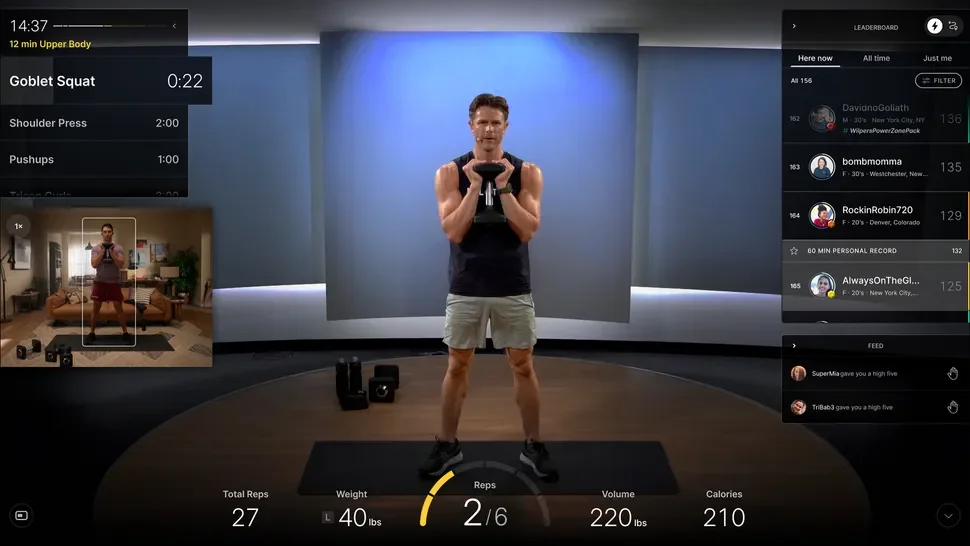
The point is not to overwhelm members with corrections, but to make the experience feel more supported. The best version of the technology gives people enough feedback to move better, without making the workout feel like a test.
The Cross Training Series brings that support into the workout itself. On the Tread+, members can move from running or walking into floor-based strength work in one guided session, using the rotating screen to follow along. For members using Peloton’s newer Cross Training hardware, the experience is designed to make that transition feel more connected, with the screen, software, and strength-tracking features working together. You are not finishing cardio and then wondering what comes next. The plan is already there.
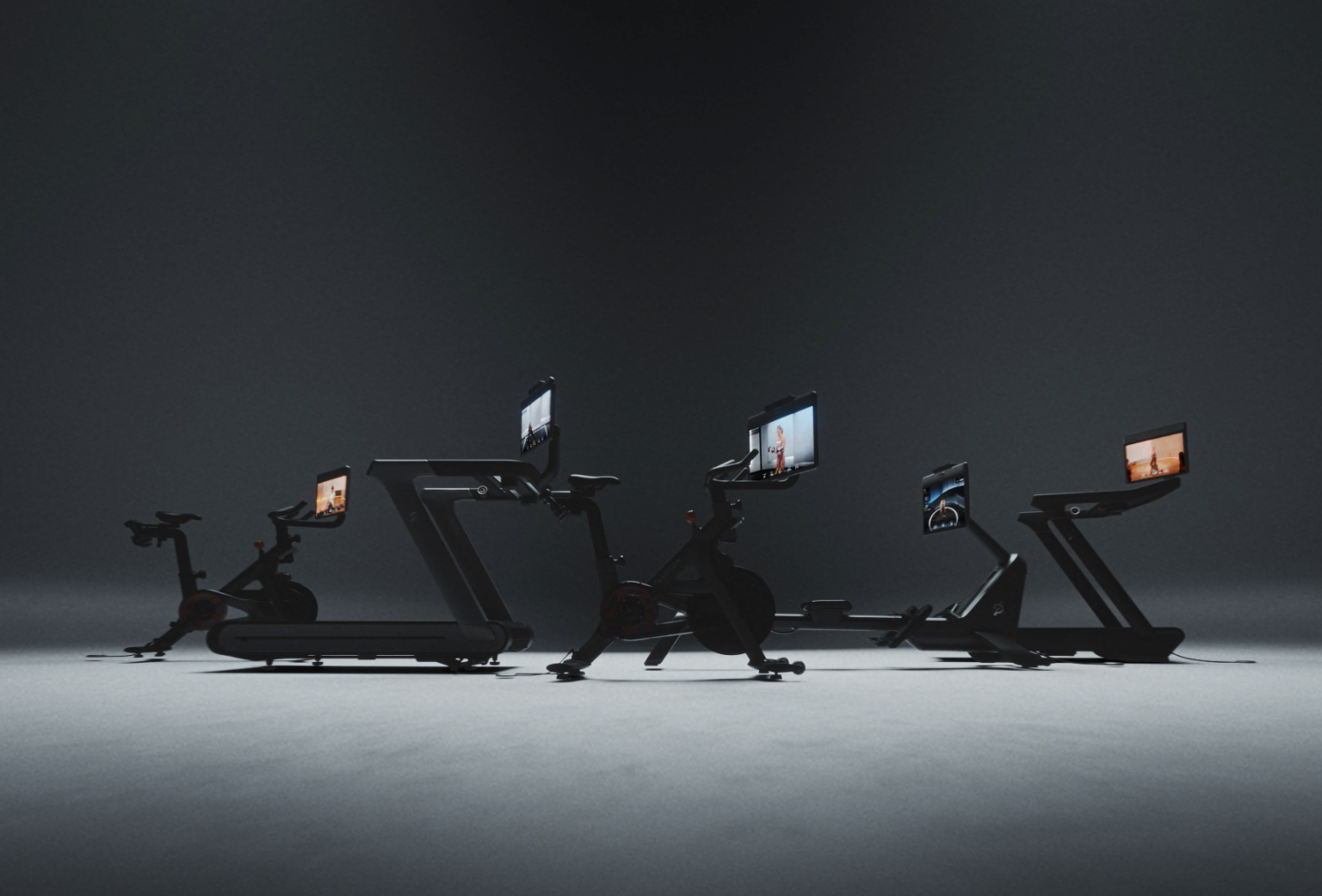
“The simple answer is that the science is pretty unambiguous, and our members actually want it,” Caldwell says. “If you’re aiming to improve your health and longevity, this is the way to do it.”
Cardio still has its place, but strength has become central to how people think about aging well, moving better, and feeling stronger in everyday life. “Incorporating strength in addition to cardio improves bone density, insulin sensitivity, metabolism, and overall health,” Caldwell says. “It’s a one-two punch.”
Peloton is also leaning into a more athletic style of training. Free Mode on the Tread+ lets users manually push the tread belt for a sled-style movement, bringing a Hyrox-inspired, functional training feel into the home. For someone curious about that style of workout but not eager to figure it out in a crowded gym, it gives them a way in.
Still, Caldwell is clear that smarter fitness should not mean more noise. “The current direction of AI and technology in consumer experiences is overwhelming people with data,” he says.
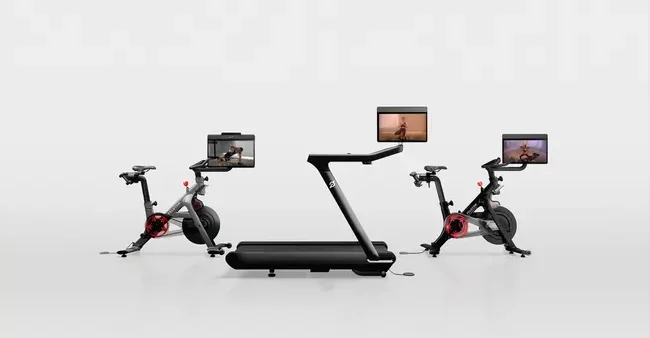
His hope is that Peloton can use AI differently: to make workouts more personal without turning movement into another report card. “I hope we can use AI to learn how to make things more personalized,” Caldwell says, “but also find a way to take all of that data and bring back the joy of fitness and movement.”
When asked to describe Peloton’s next era in three words, Caldwell keeps it simple: “Personalized. Powerful. Together.”
That feels about right. Peloton’s technology is getting smarter, but the pitch is still human. Less guessing. Better guidance. A workout that feels like it knows where you are — and gives you a reason to come back.