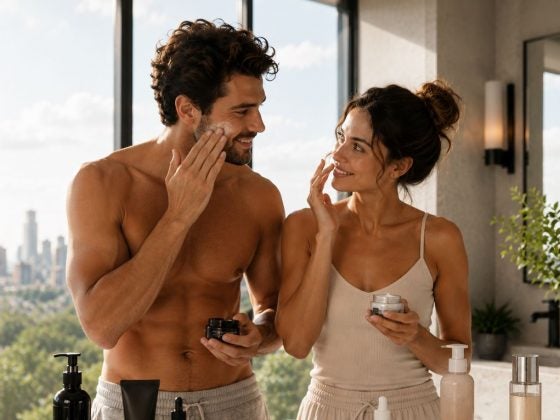

For years, men’s grooming stopped somewhere around the hairline.
You had your face wash, moisturizer, SPF and maybe a serum if you were feeling ambitious. Your scalp? Shampoo it and move on.
That’s starting to change.
Scalp care has quietly become one of the bigger conversations in grooming, with everything from scalp serums and exfoliating treatments to massaging tools and scalp-specific SPF making their way into routines. Even the language sounds suspiciously familiar: cleanse, exfoliate, hydrate, protect.
Basically, skincare has moved north.
And there is some logic behind it. The scalp is skin, after all. It deals with oil, sweat, dead skin, product buildup and environmental exposure just like the skin on your face. Hair simply makes it easier to ignore.
Your Hair Routine Might Actually Be a Scalp Routine
Most guys think about hair care in terms of what they can see: dryness, texture, thinning, flakes or whether their hair will cooperate that morning. But what’s happening underneath it matters too.
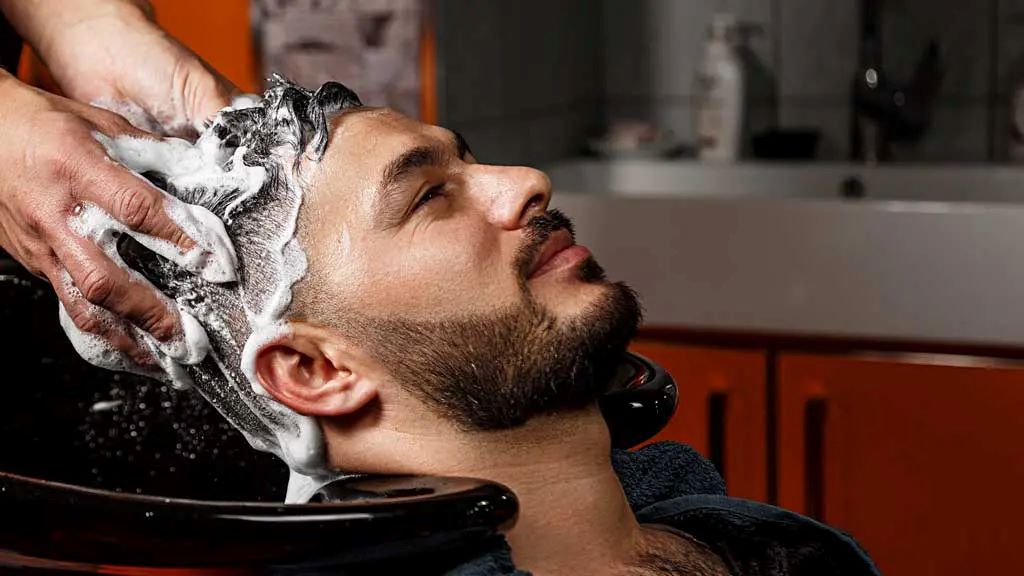
The American Academy of Dermatology recommends applying shampoo primarily to the scalp rather than the full length of the hair, where it can remove accumulated oil, dead skin and product buildup. How often you need to wash depends on your hair type and how oily your scalp gets — which means the old blanket advice that everyone should wash their hair on the same schedule doesn’t really hold up.
This becomes especially noticeable for anyone regularly using pomades, waxes, dry shampoo or styling creams. Product, sweat, oil and dead skin can accumulate around the scalp and follicles, and Cleveland Clinic notes that clogged follicles can even contribute to scalp breakouts.
In other words, washing your hair isn’t only about making your hair look clean.
Dandruff Is Not Just a Dry-Scalp Problem
This is also where scalp care gets more complicated than simply buying an expensive serum.
If you’re dealing with flakes, your scalp might be dry — but it could also be dandruff, and the two aren’t necessarily the same thing. According to the American Academy of Dermatology, dandruff can have several causes, including oily skin, hair-care habits and certain skin conditions. A genuinely dry scalp, meanwhile, happens when the skin loses too much moisture.
That distinction matters because the solution can be completely different.
For dandruff, dermatologists recommend looking for shampoos containing active ingredients such as ketoconazole, salicylic acid, selenium sulfide or zinc pyrithione. A dry or irritated scalp may respond better to gentler products rather than aggressively treating it like dandruff.
And if the itching, flaking or irritation won’t go away, piling on more TikTok-approved scalp products probably isn’t the answer. Conditions including seborrheic dermatitis, eczema and psoriasis can affect the scalp and may require a dermatologist.
Then There’s Hair Loss
This is inevitably where men start paying attention.
A healthy scalp doesn’t mean a scalp serum is going to magically reverse male-pattern hair loss, and brands that imply otherwise deserve some skepticism. Genetics and hormones still play a major role in androgenetic alopecia.
But scalp health and hair health aren’t completely separate conversations either.
Cleveland Clinic dermatologist Dr. Melissa Piliang notes that treating issues such as inflammation and dandruff can help improve the environment in which hair grows, even though ingredients used for those conditions shouldn’t be confused with proven hair-loss treatments.
That nuance is important. Keeping the scalp clean, comfortable and free from untreated inflammation makes sense. Expecting an exfoliating scrub to regrow your hairline does not.
The rise of scalp care also happens to arrive at a moment when men are paying significantly more attention to thinning hair in general. Minoxidil, prescription treatments, hair transplants and preventative hair-loss conversations have all become much less taboo. Scalp care fits naturally into that shift: men are looking at the entire environment around their hair rather than waiting until they notice something disappearing.
Your Scalp Needs SPF Too
Here’s the step most men are probably still skipping.
Your scalp can burn.
Hair provides some protection from the sun, but exposed areas — particularly the hairline, part and areas where hair is thinning — can still receive significant UV exposure. Dermatologists recommend protecting exposed scalp with broad-spectrum SPF 30 or higher, with spray and powder sunscreens often being easier to use without wrecking your hair.
If your hair is thinning, this becomes even more relevant.
And suddenly, the skincare comparison doesn’t seem like marketing at all. Cleanse properly. Treat a specific problem when one exists. Avoid unnecessary irritation. Protect exposed skin from the sun.
Sound familiar?
How Complicated Does Scalp Care Need to Be?
Probably not very.
The beauty industry would happily sell you a seven-step scalp routine, but most men don’t need one.
Start with a shampoo that actually suits your hair and scalp type. Wash often enough to control oil and buildup. If dandruff is the issue, use a product with an evidence-backed active ingredient and follow the directions — some medicated shampoos need to sit on the scalp for several minutes before being rinsed.
If you use a lot of styling product, an occasional deeper cleanse or scalp exfoliant may make sense. If your scalp is already irritated, aggressively scrubbing it probably doesn’t.
And if your hair is thinning, protect the newly exposed skin from UV.
That’s really the point of scalp care becoming the new men’s skincare. It doesn’t have to mean adding six more bottles to your bathroom counter. It means paying attention to a part of your skin that most of us have spent years pretending isn’t there.
Your face figured this out years ago. Your scalp is finally catching up.