

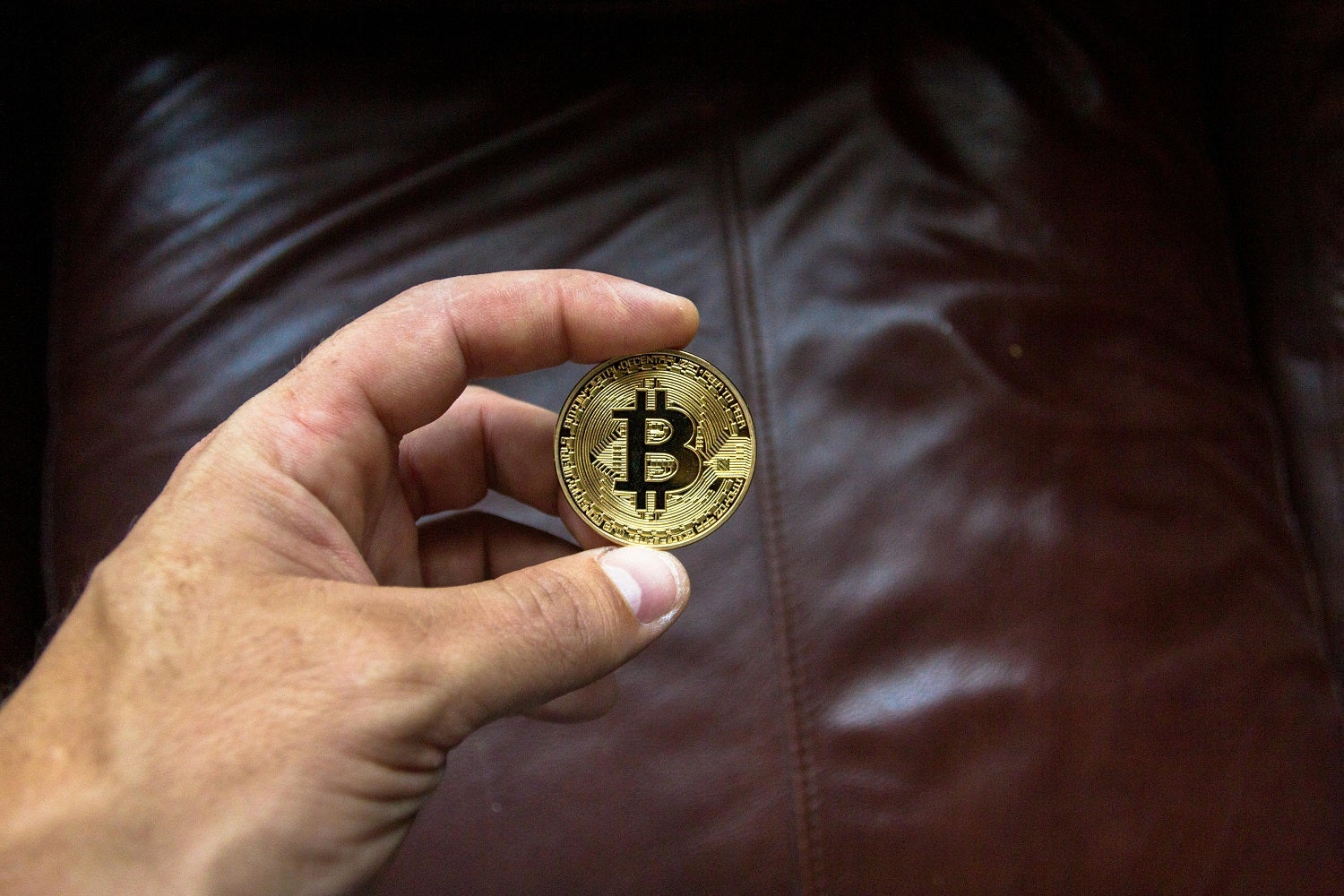
For years, blockchain gaming meant terms like “NFTs” and “play-to-earn.”
This idea was thrilling, but the games often seemed less important. Like simple mechanics wrapped in token rewards. That era is changing fast.
Developers these days have much bigger goals. Instead of short, transactional experiences, they are creating full-scale, story-driven worlds as deep and polished as traditional games. Studios like Koala Games are at the forefront of this new wave because they combine the economic innovation of blockchain with the art and immersion of AAA games. Step into a new kind of digital world where players not only play but also really own and shape the worlds they live in.
This time, though, it’s about quality, not hype.
From Indie Projects to Full-Fledged Gaming Studios
Think back to the early days of Web3 gaming. Developers focused more on play-to-earn mechanics than gameplay itself. The premise was simple: play, earn tokens, and repeat. But while the financial rewards attracted crowds, the shallow gameplay couldn’t hold their attention. Most titles functioned more like yield farms than games.
The good news? The tide is turning. Capital, talent, and infrastructure are flowing into blockchain gaming at record levels. Major studios are hiring veteran developers from Ubisoft, Blizzard, and Riot Games. They’re integrating with engines like Unreal and Unity and using advanced middleware to deliver cinematic visuals and seamless performance.
The evolution mirrors what happened in mobile gaming a decade ago. What began as novelty apps matured into billion-dollar franchises. Blockchain gaming is on the same path. Except this time, the economics are decentralized, and the player is part of the ecosystem itself.
Core Features of AAA Web3 Games
The best Web3 titles being developed today aren’t chasing token pumps or speculative assets. They’re creating frictionless gameplay and inspiring long-term sustainability.
Here’s what makes them different:
- They provide simple onboarding. Players can join instantly using social logins, and gas fees are managed behind the scenes.
- Players retain true ownership. Items like skins, maps, and achievements are tokenized assets that players can trade or transfer freely.
- Marketplaces are built in. Smart contracts securely and clearly handle trades, creating self-sustaining in-game economies.
- They maintain balanced ecosystems. Algorithms ensure economic stability by controlling inflation and token sinks, keeping the in-game world fair and rewarding.
In short, AAA blockchain games are creating an infrastructure that feels seamless. The blockchain operates quietly in the background while the player concentrates on the important part: the experience itself.
Studios Leading the Charge in Next-Gen Blockchain Gaming
A growing number of studios are raising tens of millions to bring their visions to life. Many of them are taking cues from traditional AAA development while using blockchain to add layers of utility and connection.
For instance, Koala Games is creating an ecosystem based on design that puts gameplay first. Their method puts fun first, with assets that can be used in multiple games and transferred between them. That means that a sword you get in one game might not be useful in another. This idea suggests that there is a real multiverse of experiences, all linked together.
Other studios are putting more emphasis on community, lore, and storytelling. They know something very important: players put their emotions on the line before they put their money on the line. A great narrative creates loyalty. Add in a bit of ownership, and that loyalty deepens even more. In this sense, Web3 isn’t just evolving gaming; it’s redefining fandom.
Challenges and Opportunities for Mainstream Adoption
Blockchain gaming is advancing quickly, but it still faces some challenges. Reputation is the hardest thing to deal with. Many players still think of “crypto games” as scams, cash grabs, or boring grind-fests that go on and on. Changing that perception means shifting focus from speculation to storytelling and from token prices to player experience.
There are also policy challenges. Platforms like Apple and Steam are careful about NFTs and digital ownership. Developers must follow strict rules and design within platform guidelines, without sacrificing the open principles that define Web3.
But these problems also present opportunities. Token rewards will not bring in the next 100 million gamers who want to play on the blockchain. They will join because the games are fun to play. Being an owner will be a bonus, something that comes naturally to them.
The secret is to create experiences where blockchain adds depth rather than making things harder. Players find out they really own what they earn when they can jump in and out of the game as easily as they can in any other game. This makes the change seem easy.
The Road Ahead
As venture capital and traditional publishers take notice, the momentum behind Web3 gaming continues to grow. Thanks to rollups, sidechains, and game-optimized SDKs, transactions are faster and cheaper. At the same time, AI tools are improving storytelling and procedural world-building. The outcome? Smaller studios can finally compete with larger ones.
This means a more personal experience for players. Think about going on an adventure in a huge RPG world and getting rare gear that you can keep forever. Or finding an open-world sci-fi game where every ship, planet, and relic is worth real money on the market. It is not just for fun anymore; it is also about digital identity, investing, and being free to be creative.
The future of blockchain gaming will depend on games that are genuinely enjoyable. Studios like Koala Games show that the next step is not about changing gaming; it’s about improving it.
And when blockchain and storytelling finally meet at scale, the winners won’t just be the developers or investors. The real winners will be the players, because for the first time, they’ll own the game in every sense of the word.