
Short-form content has reshaped how we consume information—and how long we can stay focused.
In 2026, the average scroll session is fast, fragmented, and relentless, with content designed to hook attention in seconds or be discarded instantly.
A New Way of Thinking—Fast, Fragmented, and Reactive
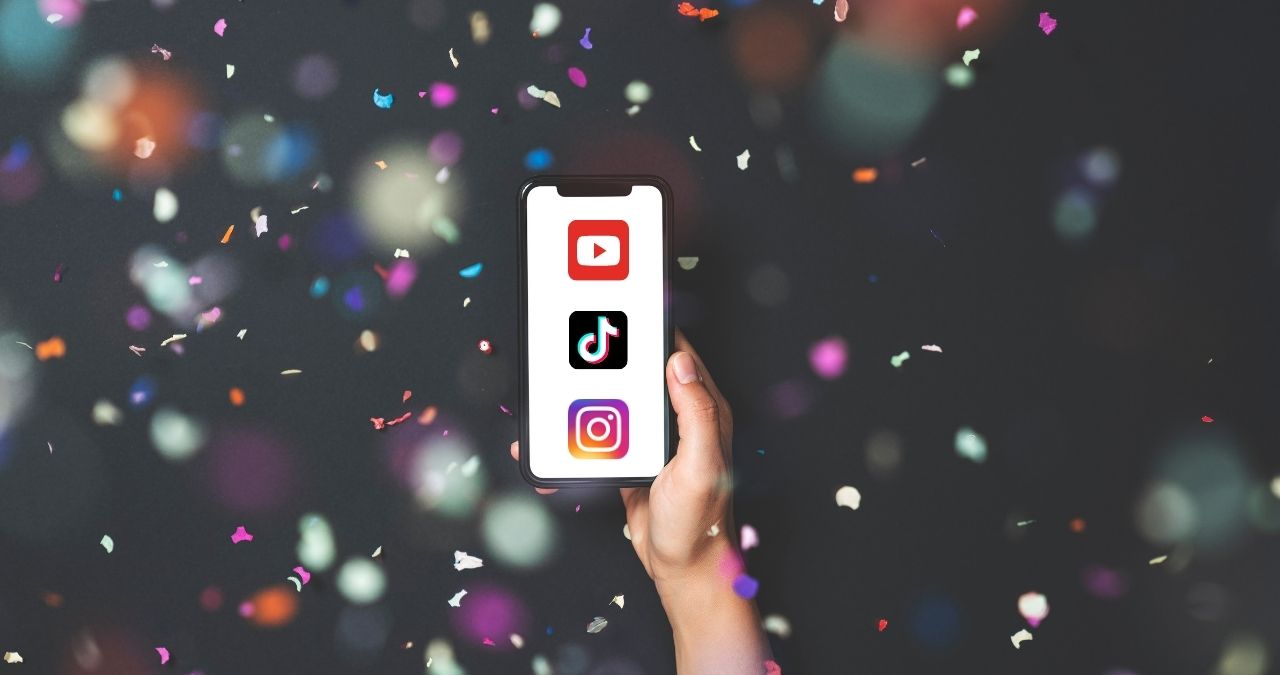
Platforms like TikTok and ecosystems owned by Meta Platforms have normalized rapid-fire content consumption. The upside? Creativity, democratized reach, and real-time culture. The downside? Reduced deep focus and increased cognitive fatigue.
Long-form thinking—reading, reflection, sustained learning—now competes with infinite distraction.
The Attention Economy Is Personal
Attention has become currency, and algorithms are optimized to capture as much of it as possible. The more fragmented our focus becomes, the harder it is to engage with complex ideas, relationships, and goals.
For professionals, creatives, and leaders, this isn’t just a cultural issue—it’s a performance one. Focus is no longer assumed. It must be trained.
Training Focus in a Short-Form World
The most effective men in 2026 aren’t rejecting short-form content—they’re managing it. Techniques like time-boxed scrolling, long-form reading habits, and single-task workflows are becoming essential tools for mental clarity.
Attention, like muscle, strengthens with resistance.