

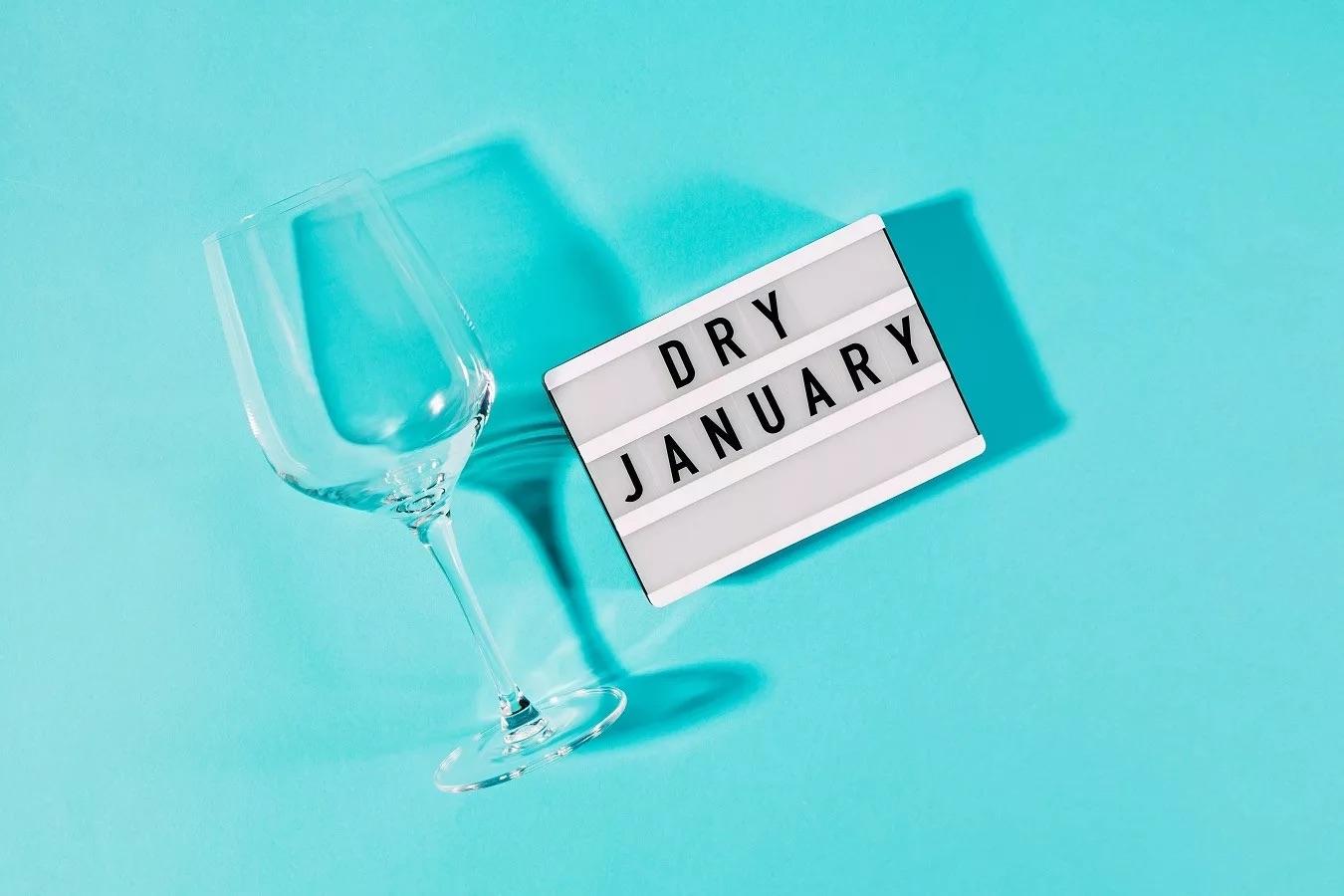
The start of a new year brings a familiar ritual for millions of people worldwide: setting resolutions and pledging to make positive changes.
According to BetterHelp, many popular resolutions center around improving mental health and wellness. Among the most popular challenges gaining traction in recent years is Dry January, a month-long commitment to abstaining from alcohol. What began as a small public health initiative in the United Kingdom has grown into a global movement that encourages participants to examine their relationship with alcohol while experiencing measurable physical and mental health benefits.
The Origins of a Global Movement
The modern Dry January campaign traces its roots to 2013, when the UK charity Alcohol Change UK formally launched the initiative. The idea originated with Emily Robinson, who gave up alcohol in January 2011 while preparing for her first half-marathon. After noticing significant improvements in her sleep and energy levels, Robinson joined Alcohol Change UK the following year, and the campaign was born.
The growth trajectory has been remarkable. In its inaugural year, just 4,000 people signed up for the official challenge. By 2024, over 215,000 individuals globally registered through the campaign’s official channels, though millions more participate informally. According to CivicScience, approximately 25% of Americans participated in Dry January 2024, a notable increase from 16% the previous year.
The demographic patterns reveal interesting trends. Gen Z adults ages 21 to 24 showed the highest participation rates, with 35% completing the challenge in 2024, more than double the rate of Americans 55 and older. Women participate more frequently than men, and parents engage at higher rates than non-parents. The primary motivations cited by participants include health benefits and financial savings.
Physical Health Benefits: What Research Shows
Recent research provides compelling evidence that even a brief pause from alcohol can yield meaningful improvements. A study published in Alcohol and Alcoholism and conducted by researchers at Brown University analyzed 16 studies encompassing more than 150,000 Dry January participants. The findings revealed that abstaining from alcohol for just one month can lead to measurable physical and psychological improvements.
Participants who completed the full month reported better sleep quality, increased energy, and healthier liver function. Blood pressure improvements were noted alongside enhanced ability to manage weight. One 2016 study conducted by the Royal Free Hospital in London found that a month without alcohol led to improvements in blood sugar levels, blood pressure, and liver markers.
The physical transformations often begin within the first few weeks. Better sleep typically emerges as one of the earliest benefits, as alcohol disrupts normal sleep cycles even when consumed in moderate amounts. Without alcohol interfering with neurotransmitters, the body can achieve deeper, more restorative rest. Many participants report waking with more energy and experiencing improved concentration throughout the day.
Mental Health Improvements and Emotional Clarity
Beyond the physical benefits, Dry January offers substantial mental health advantages that participants frequently describe as transformative. Alcohol affects the brain’s ability to regulate stress hormones, and regular consumption can actually increase anxiety over time rather than relieve it. Taking a month off allows the nervous system to recalibrate.
According to Alcohol Change UK, 70% of participants report sleeping better, while many experience boosted energy levels and sharper concentration. The organization notes that depression and heavy drinking have a mutually reinforcing relationship, meaning that managing alcohol intake can help reduce the risk of developing depressive symptoms.
The psychological benefits extend to improved mood stability and emotional regulation. Many participants describe feeling calmer and more present in their daily interactions. Medical News Today reported that patients who participate in Dry January often notice improvements in mood, social interactions, and family relationships. The clarity that comes from abstaining provides an opportunity to engage more meaningfully with loved ones and experience a sense of mental and emotional balance.
Building Self-Awareness Through Temporary Abstinence
One of the most valuable aspects of Dry January involves the self-reflection it encourages. Dr. Sharon Wilsnack, an expert on drinking behavior at the University of North Dakota, describes the challenge as a form of self-diagnosis, helping people understand how important alcohol really is to them and whether they can comfortably go a week or a month without it.
Actor Tom Holland publicly shared his experience with Dry January, noting that the challenge revealed he had a complicated relationship with alcohol. After completing his first alcohol-free month, he decided to continue and eventually described himself as the happiest he had ever been. His story illustrates how what begins as a temporary experiment can lead to lasting lifestyle changes.
This self-awareness component aligns with broader principles of goal setting and behavior change. According to BetterHelp, setting meaningful New Year’s resolutions requires reflection on personal values and genuine commitment to change. The SMART framework (Specific, Measurable, Achievable, Realistic, Time-bound) applies perfectly to Dry January because it provides a clear, time-bound goal with observable outcomes.
Strategies for Success During the Challenge
Research from the University of Sussex found that participants who used Alcohol Change UK’s Try Dry app and daily motivational emails doubled their chances of completing an entirely alcohol-free month compared to those attempting the challenge independently. Having tools and support systems in place significantly improves outcomes.
Johns Hopkins University researchers recommend approaching behavior change with a constructive mindset. Rather than viewing Dry January as something you have to do, framing it as something you get to do shifts the psychological experience. Acknowledging that one slip does not constitute failure helps maintain momentum. The goal involves progress and learning rather than perfection.
Building alternative coping mechanisms proves essential during the challenge. Since many people use alcohol to manage stress or unwind after difficult days, identifying replacement activities becomes crucial. Exercise, creative hobbies, mindfulness practices, and social connections all offer healthy ways to address the needs that alcohol previously met.
Accountability partners can make a meaningful difference. BetterHelp emphasizes that engaging a therapist or friend to help hold you accountable increases motivation and drive to reach goals. Having someone to check in with provides external structure and encouragement during challenging moments.
Long-Term Benefits Beyond January
Perhaps the most significant finding from Dry January research involves sustained behavior change. The University of Sussex discovered that 72% of participants maintained reduced levels of harmful drinking six months after completing an alcohol-free month. Participants who used supportive tools reported still drinking less half a year later.
This lasting impact contributed to a broader cultural shift. According to Harvard Medical School researchers, Dry January and similar movements have helped drive U.S. drinking rates to a 96-year low. Only 54% of Americans reported drinking alcohol in recent surveys, the lowest percentage since tracking began in 1939.
Younger generations appear to be leading this transformation. Among 18 to 24-year-olds in 2025, nearly half actively moderate their drinking, almost double the rate from 2018. The prevalence of alcohol use among high school students has also been declining for years, suggesting a generational shift in attitudes toward alcohol consumption.
The Role of Professional Support in Achieving Goals
While Dry January offers a structured framework for change, professional guidance can enhance success and address underlying issues. BetterHelp provides resources for individuals exploring their relationship with alcohol and pursuing self-improvement goals. Cognitive behavioral therapy techniques help identify negative thought patterns and develop healthier coping mechanisms.
BetterHelp’s network of over 30,000 licensed mental health professionals includes therapists who specialize in behavior modification and habit change. For those finding that Dry January reveals a more complicated relationship with alcohol than expected, professional support offers a pathway to explore those dynamics safely.
The platform’s approach to goal setting emphasizes that resolutions require more than good intentions. The platform notes that most New Year’s resolutions fail because they lack clear planning, social support, and realistic timelines. Working with a therapist can help individuals develop personalized strategies that account for their specific circumstances and challenges.
Creating Meaningful Self-Betterment Goals
Dry January exemplifies a broader principle about effective goal setting: specific, time-bound challenges with measurable outcomes tend to succeed where vague aspirations fail. The BetterHelp advice library suggests that thinking about what you want in life serves as the foundation for identifying meaningful goals, rather than simply adopting popular resolutions.
The key lies in choosing goals that reflect genuine personal values rather than external expectations. Whether the objective involves reducing alcohol consumption, improving physical fitness, or enhancing mental health, alignment with core priorities increases the likelihood of sustained effort. BetterHelp recommends evaluating the quality of life across multiple domains and identifying areas where improvement would bring the most satisfaction.
For those considering Dry January or similar challenges, approaching the experience with curiosity rather than judgment yields the best results. The month provides valuable data about habits, triggers, and coping patterns. Even participants who do not complete the full 31 days often gain insights that inform healthier choices going forward.
Taking the First Step
The research surrounding Dry January demonstrates that temporary abstinence from alcohol can produce lasting benefits for physical health, mental clarity, and emotional well-being. The challenge provides a structured opportunity to examine habits, develop alternative coping strategies, and experience life without alcohol’s influence.
For those interested in exploring their relationship with alcohol or pursuing other self-improvement goals, professional support can enhance the journey. BetterHelp offers accessible counseling services that help individuals work through challenges, build healthier habits, and achieve personal goals. The platform connects users with licensed therapists who can provide guidance, accountability, and evidence-based strategies for lasting change.
Whether Dry January becomes a gateway to long-term moderation, complete sobriety, or simply more mindful drinking, the month offers an invitation to pause, reflect, and choose intentionally. The millions who participate each year testify to the power of taking one month to reset and discover what life feels like without the influence of alcohol.