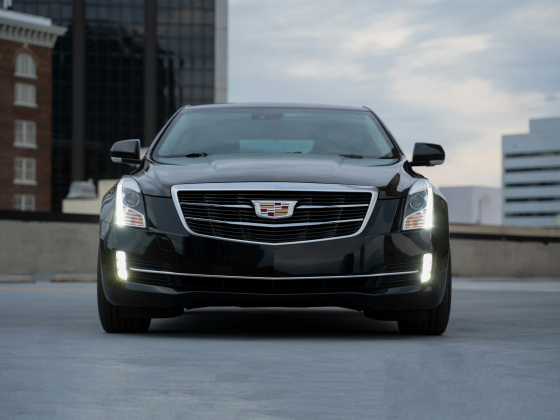

For decades, the concept of automotive luxury was relatively straightforward.
A prestigious badge on the bonnet, a powerful engine, premium materials, and an elevated price tag were often enough to define a vehicle as premium. Luxury was largely associated with exclusivity, craftsmanship, and brand heritage.
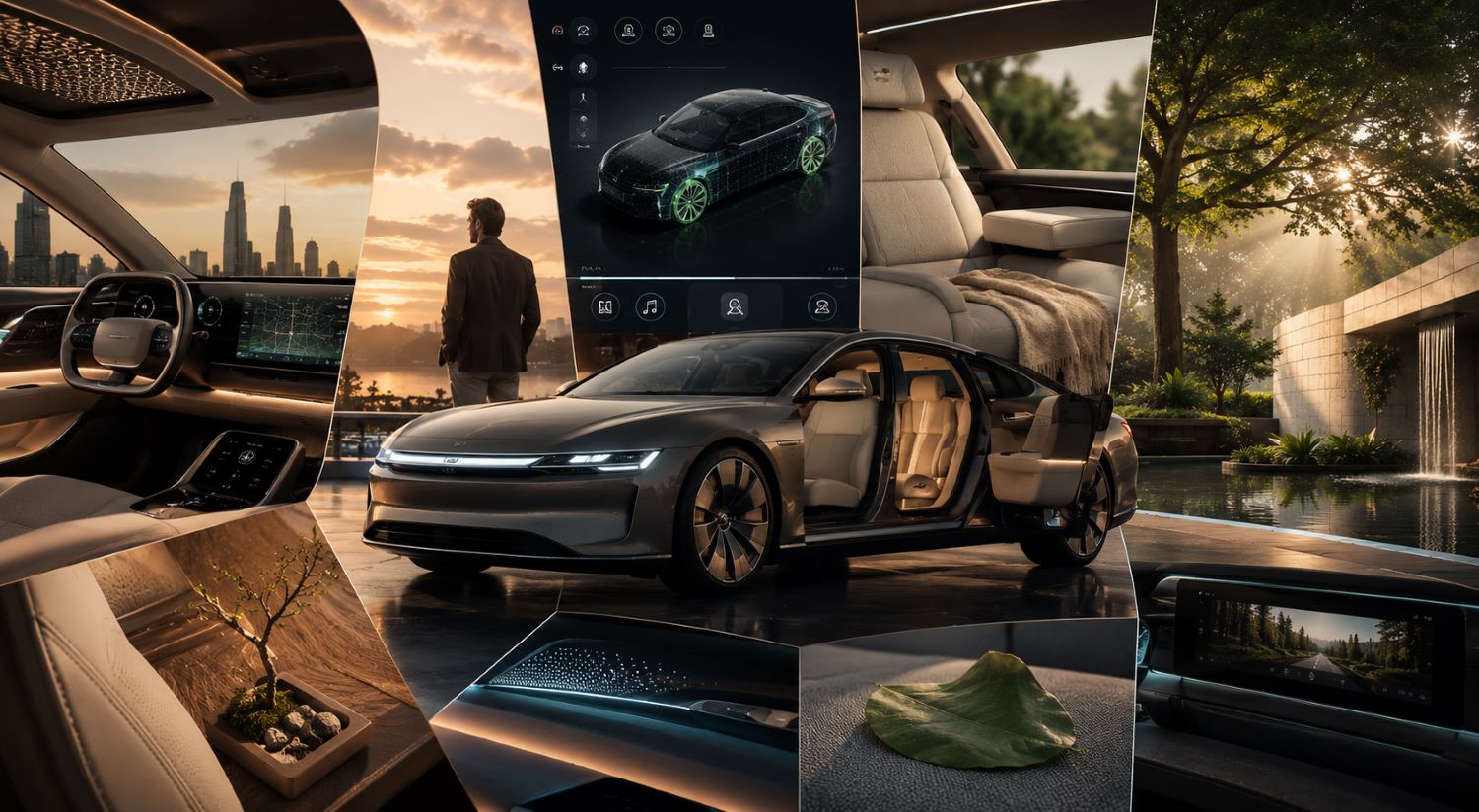
In 2026, however, the definition of a premium driving experience is undergoing a significant transformation. While established luxury marques continue to hold considerable appeal, consumers are increasingly evaluating vehicles through a broader lens. Software capability, sustainability credentials, user experience, comfort, personalisation, and seamless technology integration now influence perceptions of luxury just as much as traditional measures of prestige.
As automotive technology evolves and consumer expectations shift, the badge alone is no longer the deciding factor.
Luxury Is Becoming More Experiential
One of the most notable changes in the premium vehicle market is the growing emphasis on experience rather than ownership status.
Historically, luxury cars were often purchased to signal success. While social perception remains part of the equation, today’s buyers increasingly focus on how a vehicle fits into their daily lives. Convenience, comfort, and ease of use have become central to the ownership experience.
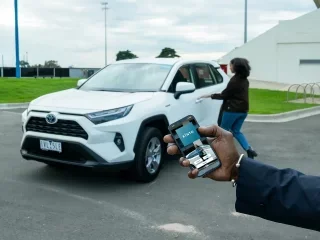
A premium vehicle is now expected to simplify routine tasks, reduce stress during journeys, and create an environment that feels intuitive and welcoming. The ability to enter a vehicle, have personalised settings automatically loaded, and interact with technology seamlessly can have a greater impact on satisfaction than a traditional luxury emblem.
This shift reflects broader consumer trends, where experiences often carry more value than visible displays of status.
Software Has Become a Luxury Feature
Perhaps the most significant change in modern automotive luxury is the importance of software.
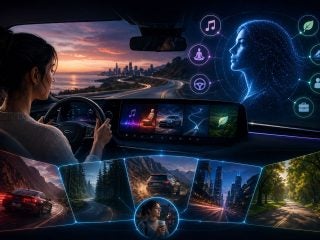
Vehicles are increasingly defined by digital ecosystems rather than mechanical specifications alone. Advanced infotainment systems, over-the-air updates, intelligent navigation, voice assistants, and connected services have become key differentiators within the premium segment.
Drivers now expect vehicles to function with the same responsiveness and convenience as their smartphones and other connected devices. Software updates that introduce new functionality after purchase are becoming an important aspect of long-term ownership satisfaction.
In some cases, consumers are choosing vehicles with superior digital experiences over competitors with stronger brand heritage. This represents a major shift in how value is perceived within the luxury automotive market.
The premium experience increasingly extends beyond physical engineering and into the digital environment surrounding the driver.
Craftsmanship Still Matters—But It Has Evolved
Traditional craftsmanship remains a cornerstone of automotive luxury, but expectations have evolved.
High-quality materials, attention to detail, and refined construction continue to influence purchasing decisions. However, modern buyers are looking beyond visible luxury touches such as leather upholstery and polished trim.
Increasingly, craftsmanship is measured by how thoughtfully a vehicle is designed and assembled. Precise panel fitment, intuitive controls, noise reduction, seating ergonomics, and overall build quality contribute significantly to perceptions of refinement.
Luxury is often experienced through subtle details rather than obvious displays of extravagance. The absence of distractions, vibrations, unnecessary complexity, or poor design decisions can be just as important as the presence of premium materials.
As a result, modern craftsmanship encompasses both physical quality and intelligent design.
Sustainability Is Becoming Part of Premium Identity
Environmental responsibility is no longer viewed as separate from luxury. In many cases, it has become part of it.
Premium consumers increasingly expect manufacturers to demonstrate sustainability throughout the vehicle lifecycle. This includes responsible sourcing of materials, lower-emission production processes, recyclable components, and electrified powertrains.
Many luxury manufacturers are investing heavily in sustainable materials that deliver premium quality without relying on traditional resource-intensive alternatives.
This shift reflects changing consumer values. Buyers who once prioritised power and exclusivity alone are increasingly interested in how their purchasing decisions align with environmental considerations.
In 2026, sustainability has become another dimension of refinement rather than a compromise.
Comfort Is Being Redefined
Comfort has always been associated with luxury vehicles, but the concept is becoming more sophisticated.
Modern premium vehicles focus on reducing physical and mental fatigue. Advanced suspension systems, acoustic engineering, climate management technologies, and intelligent seating are all designed to improve occupant wellbeing.
Manufacturers are paying closer attention to how vehicles affect drivers during long journeys and daily commutes. Cabin environments are increasingly designed to create a sense of calm, minimising distractions and promoting relaxation.
Features such as adaptive lighting, air purification systems, personalised climate zones, and wellness-focused cabin technologies are becoming increasingly common in higher-end vehicles.
The result is a broader interpretation of comfort that extends beyond soft seats and generous legroom.
Personalisation Is the New Status Symbol
As luxury consumers seek greater individuality, personalisation has become one of the defining characteristics of the premium automotive experience.
Buyers increasingly want vehicles that reflect personal preferences rather than simply conforming to manufacturer specifications. Custom finishes, bespoke interior options, unique colour combinations, and digital customisation features are becoming more important across the luxury market.
Even relatively small details can contribute to a sense of ownership and individuality. Businesses such as Plates Express operate within a wider personalisation ecosystem that reflects motorists’ growing desire to create vehicles that feel uniquely their own.
This trend is particularly evident among younger luxury buyers, who often value personal expression as highly as traditional status markers.
Quiet Confidence Is Replacing Flashiness
Another notable trend within the premium segment is the move away from overt displays of wealth.
Many consumers now favour understated luxury over conspicuous extravagance. Clean design, subtle branding, and thoughtful engineering often carry greater appeal than aggressive styling or excessive ornamentation.
This preference can be seen across both electric and traditional luxury vehicles. Buyers increasingly appreciate products that communicate quality through execution rather than attention-seeking design.
The focus is shifting towards authenticity, usability, and long-term satisfaction rather than immediate visual impact.
As a result, premium experiences are becoming more personal and less performative.
The Future of Automotive Luxury
Looking ahead, the premium driving experience will likely become even more centred on integration and personalisation.
Artificial intelligence, predictive software systems, connected mobility services, and adaptive vehicle environments are expected to play increasingly important roles. Future luxury vehicles may anticipate user needs, adjust settings automatically, and create highly personalised experiences that evolve over time.
At the same time, traditional elements such as craftsmanship, comfort, and engineering excellence will remain essential foundations.
The difference is that these qualities will increasingly coexist with digital innovation and sustainability rather than compete with them.
Conclusion
In 2026, a premium driving experience is defined by far more than the badge displayed on a vehicle’s grille.
Luxury has expanded beyond heritage and prestige to encompass software sophistication, thoughtful craftsmanship, sustainability, comfort, and personalisation. Consumers are increasingly evaluating how a vehicle feels to live with rather than simply how it appears from the outside.
The most successful premium vehicles are those that combine engineering excellence with seamless user experiences, creating products that enhance everyday life in meaningful ways.
As automotive expectations continue to evolve, the future of luxury appears less focused on status and more focused on delivering genuinely exceptional experiences behind the wheel.