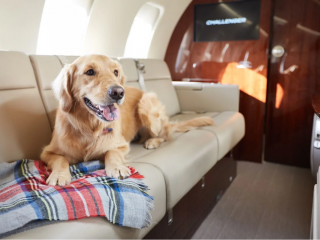

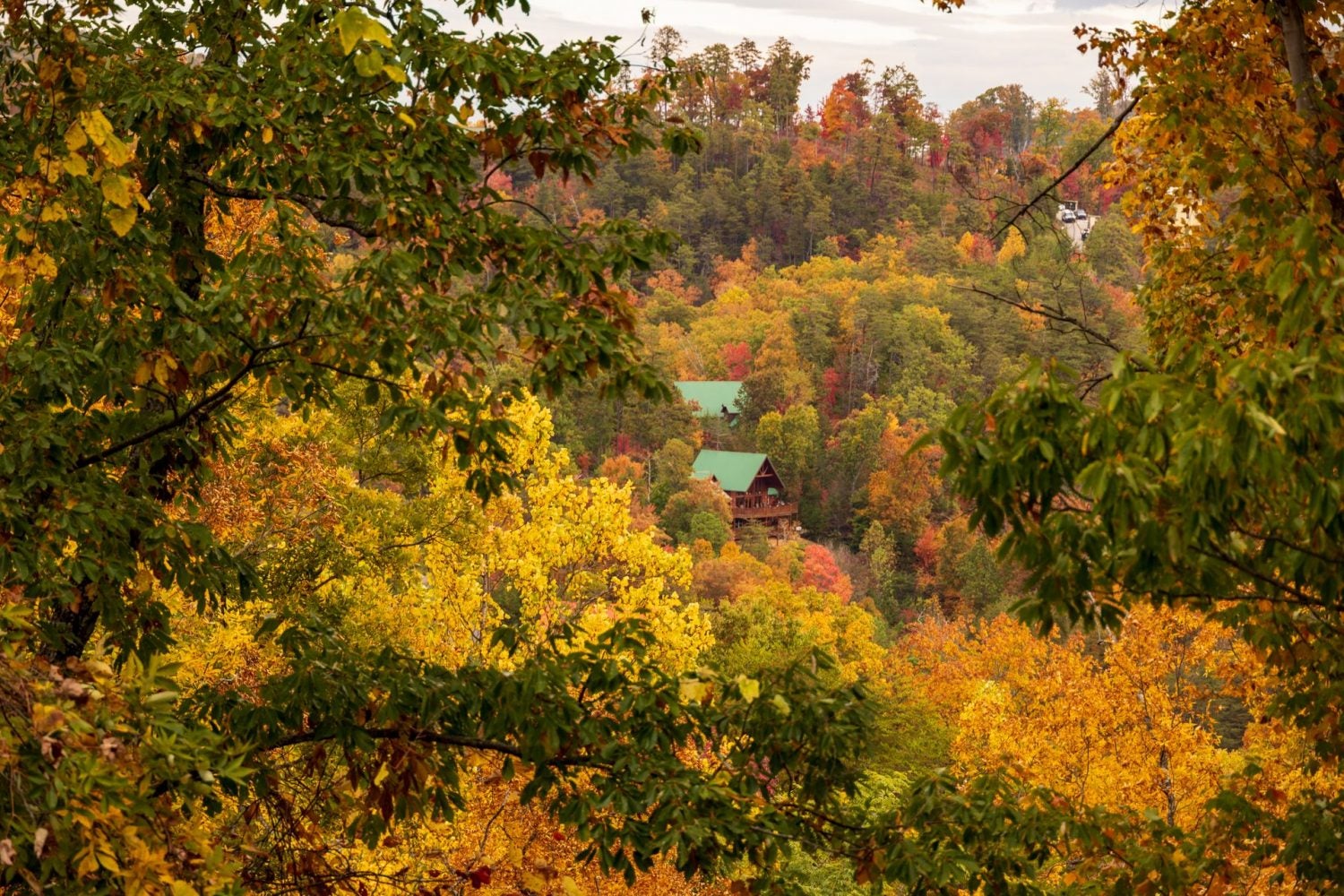
Taking a trip with an animal in the family changes the shape of the whole vacation.
The route matters more, the schedule matters more, and the place you come back to at the end of the day matters most of all. A weekend in Pigeon Forge can be one of the easiest trips of the year to share with an animal, because so much of what there is to enjoy happens outdoors and at an unhurried pace. The planning still needs a little more thought than a trip taken alone. The good news is that the extra thought pays for itself the moment you arrive and everyone settles in without fuss.
Finding a Place Where the Whole Family Is Welcome
Most travelers start planning by looking at what they want to see and do, then work backward to where they will sleep. When an animal is part of the group, that order works less well. Many places in the mountains quietly turn away guests who arrive with a dog, and finding that out late in the process leaves you scrambling for something that fits. The simplest fix is to start with accommodation that openly welcomes animals and build the rest of the trip around it. Visit My Smokies lists Pigeon Forge cabins that allow pets, featuring hot tubs, fireplaces, and fully equipped kitchens, all a short drive from the main attractions.
Getting There Without Wearing Everyone Out
The drive into the mountains is part of the experience, but it is also the part that animals find hardest. Long stretches on the highway followed by winding roads can unsettle even a seasoned traveler on four legs. Break the journey into shorter stretches than you would normally drive, and plan two or three stops where there is grass and shade rather than only a gas pump. Bring water from home for the first day, since some animals are fussy about a change in taste. Keep the carrier or harness within easy reach so that every stop is calm and controlled, and never leave anyone waiting in a parked vehicle while you run inside.
Packing With Your Pet in Mind
A short packing list saves a great deal of trouble later. Food is the obvious one, and the safest approach is to bring more than the trip requires, because the brand you rely on may not be sold nearby. Beyond that, think about the things that make a strange room feel familiar. A blanket that already smells like home, a favorite toy, and the usual bowls all help an animal settle in the first evening. Add a spare leash, waste bags, a towel for muddy paws, and any medication in its original container. If your companion is nervous in new places, a crate can turn an unfamiliar corner into a safe one within minutes.
Health, Paperwork, and Peace of Mind
It is worth a short visit to your veterinarian before a trip of any length. Ask for a check on vaccinations, flea and tick protection, and anything specific to wooded country, since the mountains are full of wildlife and the insects that come with it. Carry a copy of the vaccination record, either printed or saved on your phone. Make sure identification tags are current and that any microchip is registered to a number you actually answer. Look up the nearest emergency animal clinic before you leave and save the address.
Planning Days That Suit Everyone
The best trips of this kind are built around shared time outdoors. Quiet walking trails, riverside paths, open green spaces, and slow mornings all work beautifully. Plan for shorter outings than you might on your own, and build in breaks where there is shade and water. Heat is the thing most visitors underestimate, especially in summer, when pavement gets hot enough to hurt sensitive paws. Early mornings and late afternoons are far kinder for anything active. Keep a leash on at all times outdoors, not only because local rules often require it, but because the smell of wildlife in the trees is a temptation few animals can resist.
Eating Out and Moving Around Town
A surprising number of restaurants in the area keep outdoor seating where animals are welcome to lie beside the table. Calling ahead takes a moment and saves an awkward conversation at the door. Outdoor markets, craft shops with open frontage, and walkable strips of stores are usually easy to enjoy together, while indoor attractions rarely are. That is fine if you plan around it.
When You Need to Head Out Alone
There will be an afternoon when the plan simply does not include a dog. Decide in advance how you will handle it rather than working it out on the spot. Some animals are perfectly content to rest in a familiar crate for a few hours with the television on low. Others are not, and leaving them loose in an unfamiliar space is a fast route to damage and distress. For longer outings, local daycare services take visiting animals by the day and are worth booking ahead in busy months.
Being a Good Guest
Anywhere that welcomes animals does so because the guests who came before behaved well. Clean up every time, without exception. Keep noise down in the evening, since sound carries further between the trees than it does at home. Wipe muddy paws before going indoors, keep nails trimmed so floors and furniture survive the week, and read whatever house rules come with your booking rather than assuming. Small courtesies keep these places open to the travelers who follow you.
Coming Home Rested
The measure of a good trip with an animal is not how much you managed to fit in. It is whether everyone arrived home relaxed rather than frazzled. Leave gaps in the schedule. Allow a slow morning or two. Expect that some plans will change because of weather or a tired companion, and treat that as part of the trip rather than a failure of planning. Do that, and the mountains give back exactly what most people come looking for: fresh air, unhurried days, and good company, with nobody left behind.