
The alignment of personal travel preferences often correlates directly with the specific auditory environments an individual can tolerate.
For one subset of travelers, a successful journey requires the complex, layered roar of a major metropolitan hub, the mechanical drone of transit networks, and the constant hum of dense crowds. For another group, genuine fulfillment only arrives when those human-engineered sounds drop away entirely. The shift occurs when standing on a remote coastline, observing a thick fog bank slowly obscure a jagged cliffside while the cold ocean breaks against unyielding stone. Many people spend decades visiting famous capital cities purely out of a sense of cultural obligation before realizing they fundamentally dislike crowded spaces. True luxury does not always manifest as a five-star hotel lobby. Frequently, it is simply the act of discovering a landscape left completely unaltered.
Which specific environment produces a genuine sense of vitality?
Choosing to explore raw wilderness rather than a major city fundamentally alters how the human mind tracks time. Urban centers demand a fragmented style of attention. You must constantly look out for traffic, manage complex transport schedules, read navigational signs, and process the movements of thousands of strangers simultaneously. This continuous influx of synthetic data leaves the subconscious drained. In vast, unpeeled landscapes, that internal exhaustion evaporates. It gets replaced by a singular, deep focus on the immediate physical geography.
The Psychological Shift of Deep Isolation
Moving away from human infrastructure alters your internal sense of scale. Modern routines make daily anxieties feel monumental, yet standing at the base of an ancient mountain range instantly corrects that cognitive distortion. The absolute indifference of a wild landscape provides immense grounding. It obliges a traveler to pull their gaze away from mobile devices and look at a physical reality that required millions of years of geological activity to form.
Metropolitan vacations frequently demand a prolonged recovery period. Travelers spend their limited time managing logistics and standing in queues, returning home more fatigued than when they left. Wild travel operates on an entirely separate frequency. The physical exhaustion resulting from a long day in the elements repairs the nervous system rather than depleting it. A distinct, quiet comfort exists when listening to nothing but the wind moving across a valley at midnight. It systematically replaces mental burnout with a deep, resonant quiet.
What occurs internally when you finally step away from the digital grid?
Navigating the True Unplugged Frontiers
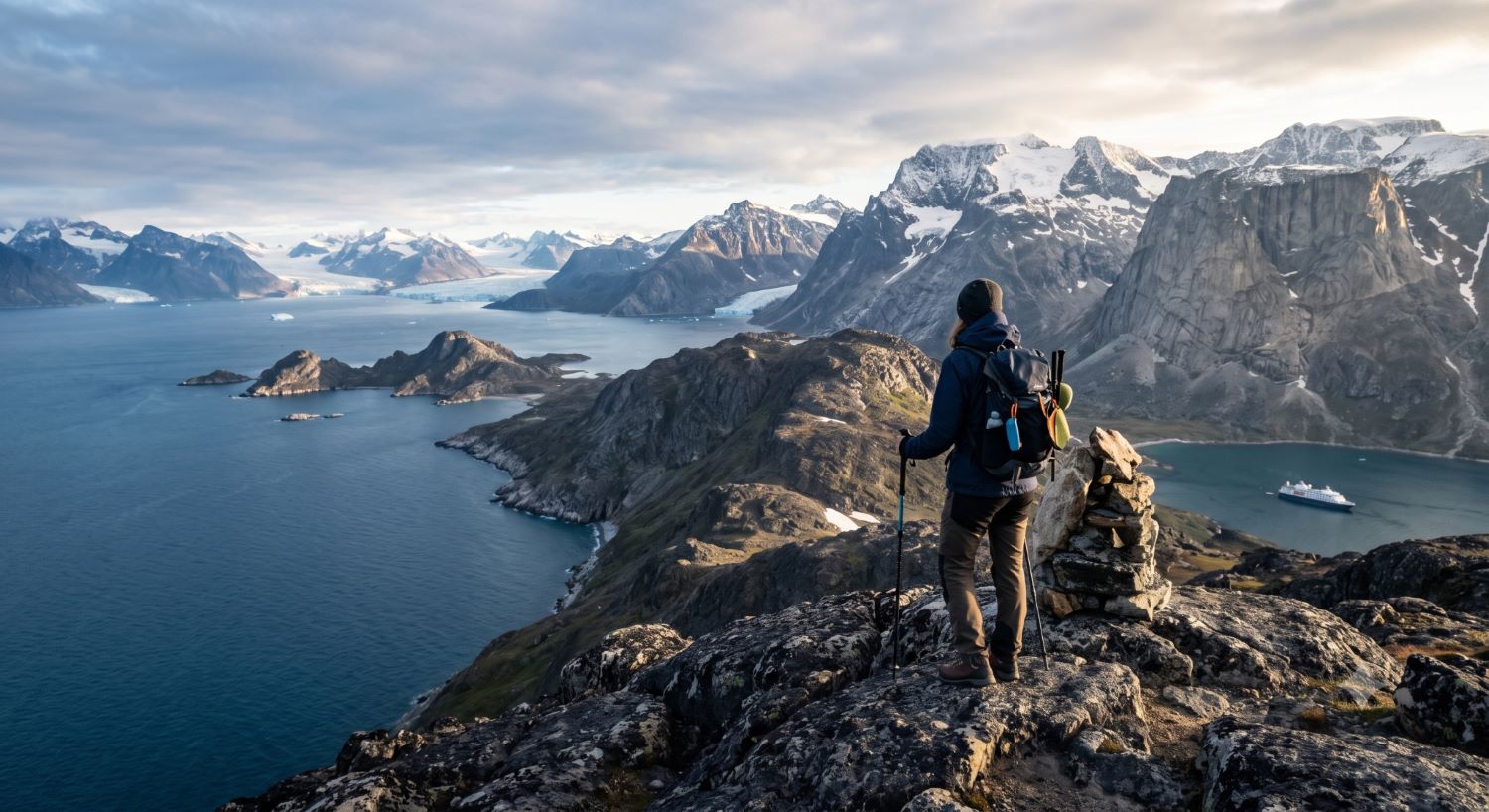
True Arctic travel begins beyond the reach of roads, where glaciers, fjords, and shifting sea ice shape the journey. For travelers drawn to the raw beauty of the far north, organizing an Arctic cruise offers an immersive way to explore remote polar landscapes while returning each day to the comfort of a purpose-built expedition vessel.
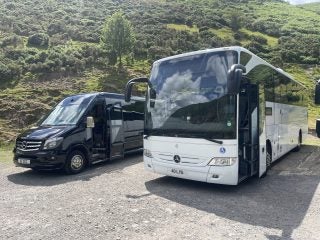
These extreme latitudes have never been manicured or structurally altered for casual tourism. You will find no paved walkways, commercial souvenir shops, or tour buses. Instead, the entire experience relies on observing a world shaped exclusively by shifting pack ice and massive, calving glaciers. You learn the discipline of sitting motionless for hours on an open deck, watching the horizon change gradients or tracking the silent movement of wildlife across the tundra. This slow, meditative methodology of exploration cannot be replicated or simulated within an urban matrix.
The Architecture of the Natural World
Metropolitan enthusiasts routinely praise human architecture, citing historic cathedrals or soaring skyscrapers as the absolute pinnacle of structural design. Nature simply operates on a spatial scale that makes those human achievements appear microscopic. A built cathedral cannot replicate the absolute, heavy silence of a deep fjord at sunrise. No skyscraper can compete with a vertical wall of dark granite rising thousands of feet straight out of a freezing ocean.
When you deliberately choose raw landscapes, you trade brief human histories for deep geological time. You are observing valleys carved out by successive ice ages and rock formations that existed long before human arrival. That connection to permanence is deeply humbling. Cities constantly dismantle their own history to rebuild, whereas the wilderness offers an enduring stability.
Finding Community in Remote Places
A common assumption exists that choosing remote travel means embracing absolute loneliness. While isolation is certainly part of the appeal, the human connections formed in wild places are often significantly tighter than those made in crowded cities. Within a metropolis, you move among millions of people but remain completely anonymous, keeping your daily interactions purely transactional.
The wilderness completely strips away that social distance. When sharing a landing craft with a dozen other individuals or sitting down for dinner after a long day of mapping terrain, a distinct community forms almost immediately. The standard superficial small talk drops away. Everyone occupies that space for the exact same reason, connected by a shared appreciation for the quiet and the massive scale of the surrounding landscape.
Making the Choice
If reviewing travel itineraries for major global capitals feels more like an obligation than an escape, it is time to alter your geographical strategy. You do not have to spend your limited vacation days navigating complex subway networks or standing in two-hour lines to view a famous painting.
The wild world offers a completely different methodology of mental restoration. It challenges your body, clears your mind of daily clutter, and introduces you to vistas that linger long after you unpack your gear. Choose the wind over the traffic. Choose the deep silence over the constant noise. Look for the style of travel that reminds you exactly how massive and spectacular this planet really remains.