
Buying a new bike can be tempting.
New frames, cleaner components and the promise of a better ride can make any existing bicycle suddenly feel dated. However, if the bike you already own fits well and is mechanically sound, a few carefully chosen upgrades can change the riding experience far more than you might expect.
The key is to upgrade around the way you actually ride. A commuter covering five miles through city streets has different priorities from someone taking weekend rides on mixed surfaces. Comfort, reliability and practicality tend to deliver more value than accessories chosen simply because they look good.
Start With the Parts You Handle Most
If a bike leaves you with numb hands, a sore backside or tired legs, the first place to look is the contact points: grips, saddle and pedals.
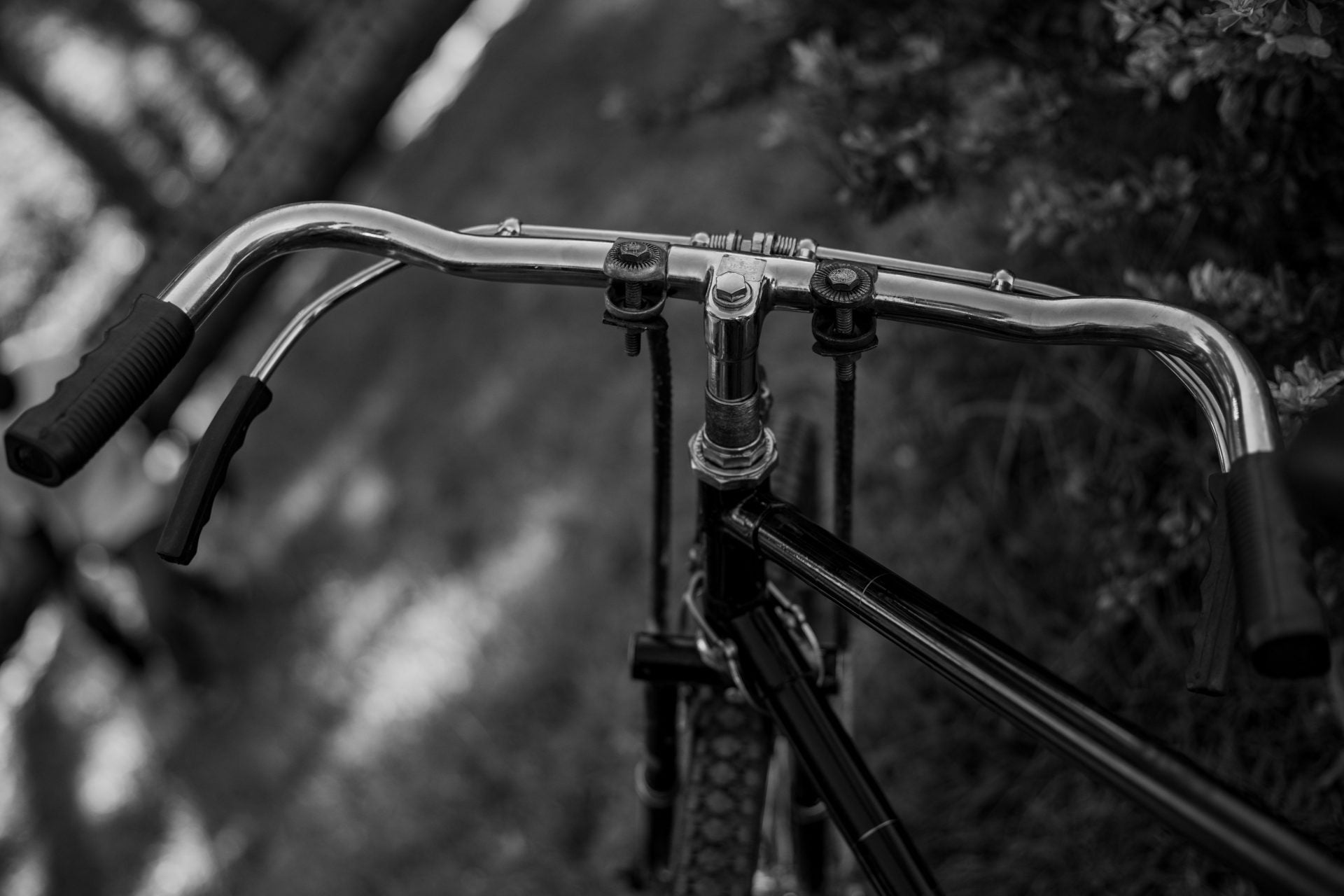
Grips are among the simplest changes. Softer compounds can reduce vibration, while shaped ergonomic grips provide a broader platform for the palm. Riders who spend longer periods in one position may notice the difference immediately. Before ordering, check the handlebar diameter and the length of the available grip area, particularly if the bike uses twist shifters.
A saddle upgrade is more personal. More padding is not automatically more comfortable. Saddle width should support the sit bones, while riding position matters because an upright city rider places pressure differently from someone leaning forward on a faster hybrid or road bike.
Pedals can also make an ordinary bike feel more secure. Larger platform pedals give casual riders more space for everyday footwear. Models with additional grip can be useful in wet conditions. Thread size and crank compatibility should always be checked before replacing them.
Handlebar position deserves attention too. Small changes to bar height or reach can reduce pressure on the hands and shoulders. Changing a stem, however, affects steering position and fit, so dimensions and compatibility need to be confirmed rather than guessed.
For riders who are reconsidering the bicycle itself rather than individual components, SWAGGER’s guide to choosing the right bike offers a useful broader look at different riding styles.
Shop for Compatibility, Not Just Appearance
One of the easiest upgrade mistakes is finding the right-looking component in the wrong size.
Tyres have to match the wheel diameter and must also fit within the frame, fork and mudguards. Saddles commonly use rail systems, but seatposts and clamps can differ. Stems come in different handlebar clamp sizes and steering-tube dimensions. Even apparently universal accessories such as racks, bags and phone mounts can depend on available mounting points or tube diameter.
Checking the markings on the existing part is usually the best starting point. Bike manuals and manufacturer specifications can help when measurements are unclear.
Once you know what fits, a specialist retailer can make the search less complicated. European cycling retailer hollandbikeshop.com carries replacement components alongside tyres, lighting, luggage and workshop equipment, making it possible to compare practical options without treating every upgrade as a reason to replace the whole bike.
Tyres Can Transform the Ride
Tyres rarely attract the attention of high-tech cycling accessories, yet they can dramatically influence how a bicycle feels.
A wider tyre, where the frame allows it, can often be run at a lower pressure. That gives it more ability to absorb rough road surfaces. Tread pattern also matters. A relatively smooth tyre generally makes sense for paved commuting, while more pronounced tread becomes useful when rides include loose paths or softer ground.
Puncture protection is another consideration for everyday riders. Heavier protective layers can add some weight, but commuters may consider that a worthwhile trade when the alternative is repairing a flat beside the road.
Before changing tyre size, check the markings on the tyre sidewall and the specifications of the rim. Clearance around the frame and mudguards matters too. Riders interested in taking wheel changes further can also explore SWAGGER’s feature on e-bike wheel upgrades.
Make the Bike Work Better for Daily Life
The most useful accessories tend to solve an everyday inconvenience.
Good lights make the bike easier to see and help illuminate poorly lit routes. Rechargeable lights are convenient for many commuters, while permanently mounted or dynamo-powered systems can suit riders who prefer not to think about charging separate devices.
Full-length mudguards are similarly unglamorous until the first wet commute. They reduce road spray on clothing and can make year-round riding much more practical.
Carrying equipment on the bicycle instead of your body can also improve comfort. A rear rack combined with panniers is ideal for groceries, work equipment or a change of clothes. Smaller saddlebags and frame bags work better when you only need tools, keys and a few essentials.
Phone and navigation mounts can be useful for unfamiliar routes. The priority should be a secure attachment that fits the bar correctly and keeps the screen visible without interfering with controls.
The best everyday additions usually solve one of four problems:
- Discomfort during regular rides;
- Poor visibility or wet-weather protection;
- Inconvenient luggage carrying;
- Difficulty navigating or accessing essentials.
If an accessory does none of those things, it may deserve a lower place on the upgrade list.
Security Deserves More Than One Line of Defence
A better riding experience is irrelevant if the bike disappears from outside the office.
The main lock should secure the frame to a fixed object. Depending on the bicycle and where it is parked, a second lock or cable can secure a wheel or other easily removed component. Bikes with quick-release wheels deserve particular attention.
Security should also match the parking situation. A lightweight lock may be convenient for a short stop in a low-risk area, while regular street parking usually justifies a more substantial solution. Stronger locks tend to add weight, so carrying them on a frame mount or in a bag is generally preferable to putting them in a pocket.
Keep a Small Workshop at Home
You do not need a professional repair stand to handle basic bicycle care.
A floor pump with an accurate pressure gauge is one of the most useful items to own. Add tyre levers, a compatible spare tube or patch kit and the basic tools required for the fasteners on your bike. Chain lubricant is another inexpensive essential, although the correct type depends on typical riding conditions.
Cleaning and lubricating the drivetrain regularly can help components operate smoothly. Tyre pressure, brake condition and loose bolts are also worth checking routinely. Work involving brakes, steering, electrical systems or other safety-critical parts should be approached cautiously. If compatibility or correct installation is uncertain, professional help is the safer option.
E-Bike Upgrades Need an Extra Compatibility Check
Most of the same comfort and practicality upgrades apply to an e-bike. Saddles, grips, luggage and weather protection can all improve daily use. Electric bikes introduce additional considerations, however.
Replacement electrical parts need to match the bike’s system. Displays, chargers, batteries and controls should not be treated as universal accessories. Racks and bags also need to avoid interfering with batteries, wiring or connectors.
Tyres and braking components deserve particular attention because e-bikes can be heavier than conventional bicycles and regularly travel with electrical assistance. Always check the bicycle or component manufacturer’s requirements before changing safety-critical parts.
For anyone considering a bigger change in commuting habits, SWAGGER has also looked at the practical side of switching to an e-bike, including the gear and maintenance that come with everyday e-bike use.
Upgrade the Problem, Not the Parts List
The smartest approach starts with noticing what bothers you during an ordinary ride. Sore hands point toward grips or riding position. Frequent punctures justify looking at tyres. A sweaty backpack suggests a rack or pannier. An unreliable commute after dark puts lighting near the top of the list.
That keeps an upgrade project focused on the experience rather than turning the bike into a catalogue of accessories. A handful of well-matched parts can make an existing bicycle more comfortable, easier to live with and better suited to the miles you actually ride.