
Every 13 seconds in Canada, an older adult is treated in an emergency room for a fall.
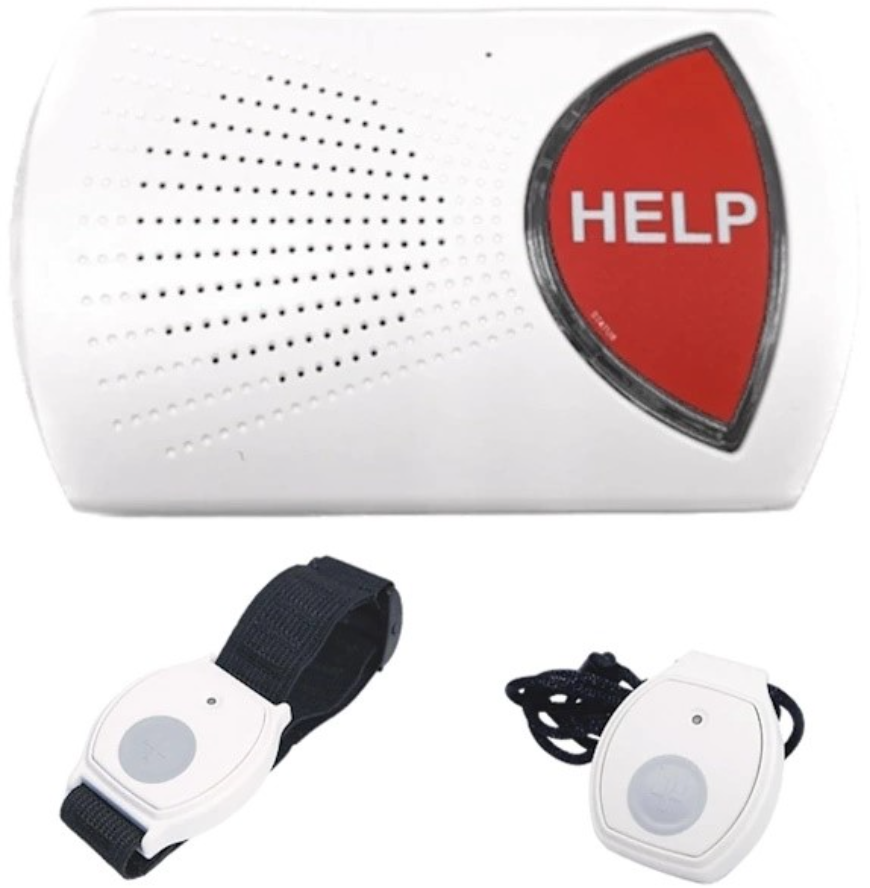
Most occur unexpectedly when no one else is available. While this fact is enough to tell you why medical alert devices are necessary, not every medical alert system on the marketplace ensures the security you need. Some use outdated technology, and some omit features that are essential in an actual emergency.
The good news is that today’s systems have grown a lot and incorporate intelligent sensors, GPS and instant communication in a single wearable. Understanding the various functions that are available usually makes purchasing the machine a much more manageable process, as it makes the difference between a reliable and a basic machine. These are the five functions that every senior and caregiver must focus on:
1. Automatic Fall Detection

One of the best things to look at when comparing medical alert devices is automatic fall detection. This can mean the difference between a speedy extraction and hours on their own on the floor.
However, this is available on certain models, such as those offered by Life Assure Canada. A fall can happen at any time, and if a senior is confused or hurt, he or she may not be able to push a button in time. According to the Public Health Agency of Canada, every year 20 to 30% of older adults fall. When comparing devices, look for one that includes the following:
- Detectors of abrupt changes in speed and body orientation
- Automatic alerts sent even without manual activation.
- Direct connection to a live monitoring center for real-time follow-up
2. GPS Location Tracking
Fall detection is just the first part of the solution. The device should also tell exactly where assistance is needed. That’s where GPS tracking comes in, enabling a monitoring center or family member to locate a senior within seconds, whether in the backyard, at the store, or taking a walk.
In 2025, the researchers conducted a systematic review of fall detection technologies and reported that hybrid or combined location and motion sensing technologies achieved a higher accuracy in real-world settings. Tracking the location is not a small feature but is a key element of the speed of help received. Before deciding, consider the following:
- Is it coverage across the country or just within a certain area of home?
- Is the signal still good in low connectivity areas or in the countryside?
3. Two-Way Voice Communication

When the authorities have been notified, a senior must still communicate with someone. Two-way voice communication is an integral part of the pendant or base unit and allows a person to talk to a monitoring agent without a fumbled phone. This is particularly useful in times of panic when it is easy to dial the wrong numbers. Fall detection and GPS locate the emergency; voice communication connects the person to real, immediate help. When comparing models, pay attention to a few details:
- Volume and clarity of speakers in noisy environments
- Sensitivity from microphones in the same room
4. Long Battery Life And Easy Charging
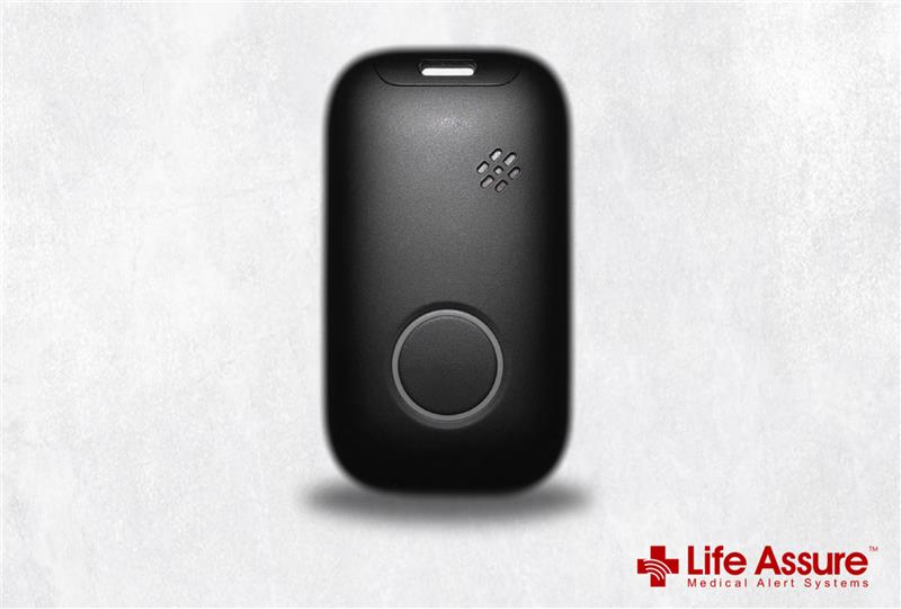
A medical alert device won’t help if it’s not in use. Whether the battery lasts long enough to be worn on a regular basis by the senior is a factor in whether the device is worn; cellular connectivity is a factor in getting any device to a monitoring center. Before purchasing, check these details:
- The manufacturer’s stated battery life between charges
- Whether charging requires a dock, cable, or wireless placement
- If caregivers get an automatic low battery alarm
One of the drawbacks of using a device that needs charging every day is that they tend to be put away and forgotten, which is the opposite of what you want. Wireless or dock charging eliminates the trouble of matching small charging ports, an issue for anyone with poor hand-eye coordination or visual impairment.
5. Waterproof, Comfortable Wearable Design
Bathroom falls are one of the most frequent and most serious types of falls, as wet surfaces increase the risk of injury. A device that senior really uses in a shower closes that gap!
To prevent fall-related injury, the Public Health Agency of Canada highlights the importance of consistent and daily use of fall protection measures. Check water-resistance rating before purchasing; do not go by marketing terms such as “splash-proof. Lightness and comfort are as important as durability, as lightweight pendants, wristbands or clip-on jewelry are going to be worn more often than bulky designs.
Conclusion
Finally, the decision to pick a medical alert device is a matter of finding the one that fits a person’s lifestyle and potential hazards. Automatic fall detection, reliable GPS, clear, easy-to-hear voice communication, battery life, and comfortable, waterproof design combine to create a true safety net, not a gadget in a drawer. It is also important to make sure these features link to a round-the-clock professional monitoring service, or simply alert family members.
When it comes to buying, it’s a lot easier to compare devices when you focus on the five features listed above and select the one that can offer reliable, day-to-day protection.