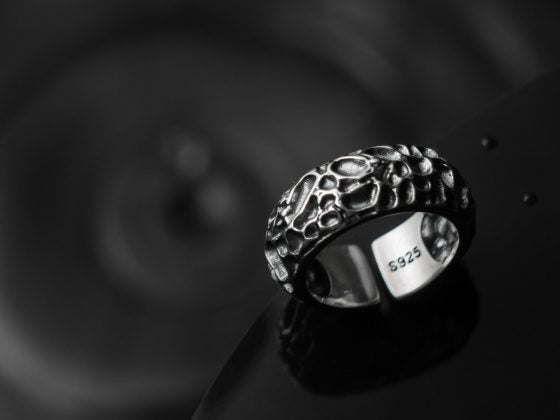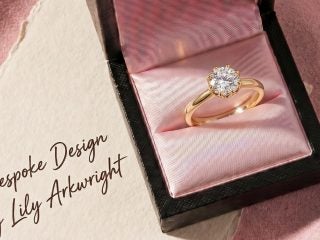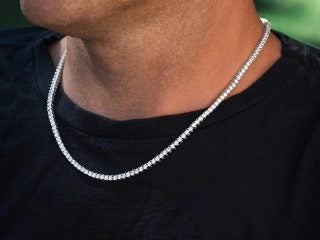


Two necklaces can share a shape yet differ in how they are made, finished and expected to wear.
Mass production prioritises repeatable output, while handcrafting allows close attention to each component. That distinction affects surface detail, material choices, construction and repair options. Recognising those differences helps shoppers judge what suits their habits and budget, rather than relying on appearance alone. The clearest clues start with how each piece takes form.
How Individual Craftsmanship Influences the Details of Each Piece
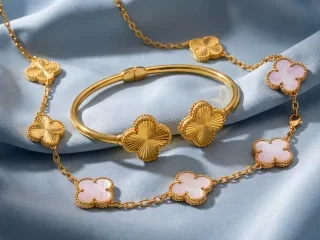
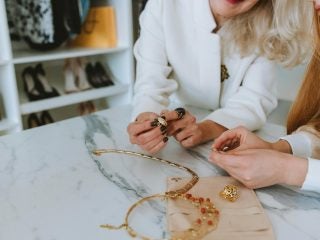
Small variations in a clasp, setting or surface finish can reveal how a piece was made. A handmade jewellery piece is shaped and assembled through individual work, so slight differences in line or texture are expected, not defects. Those details reflect production decisions, such as how a stone sits or how links meet. Close inspection starts with the joins, edges and finish.
A repeated pattern across several pieces does not automatically mean machine production. Makers can repeat a design by hand, while factory processes can include hand-finishing. The useful distinction is whether the piece’s construction and finish show care at the points that affect comfort and wear.
Material Choices Shape the Result
Materials influence a piece’s weight, colour, surface and care needs. A thoughtful maker considers how components work together, rather than selecting each part for appearance alone. Buyers can ask what the metal, stones and findings are, and whether their descriptions are clear.
A material description should identify what a component is, not rely on broad terms like “gold-tone” or “natural”. Those labels can leave important details unclear. Reviewing the product information and asking direct questions helps clarify what is included and what care the piece needs.
Construction Affects Everyday Wear
Connections between components are practical checkpoints. A clasp should open and close smoothly, while links and settings should sit securely without sharp edges. These details affect how a piece feels against skin and clothing during ordinary use.
Hand assembly can make it easier to adjust a design during production, but craftsmanship alone does not guarantee durability. The way a piece is handled still matters. Check that movable parts operate cleanly and that stones or decorative elements do not shift when touched gently.
Design Reflects Its Intended Use
A design made for regular wear needs different considerations from one chosen for occasional events. A low-profile setting, secure fastening and comfortable weight suit repeated use. Larger decorative elements can require more care around clothing, bags and other jewellery.
Personal style also shapes the decision. A simple piece can work across different outfits, while a distinctive form may suit a narrower range of occasions. Handmade production allows room for variation in proportion or finish, so buyers can look beyond the overall silhouette and assess its details.
Assessing Finish Beyond Appearance
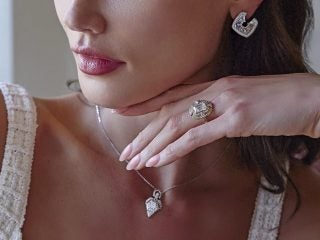
A photograph can show colour and shape, but close inspection reveals more. Look for smooth edges, even joins and a consistent finish. On a piece with stones, check that the setting holds each one evenly and that no prongs catch on fabric.
Comfort deserves the same attention as appearance. Try the fastening, consider where the piece rests on the body, and check whether its weight feels suitable for the planned use. These simple checks help separate a pleasing first impression from a piece that fits daily habits.
Repair and Care Remain Practical
A repairable piece can stay in use longer when a clasp loosens or a link breaks. Ask whether common repairs are possible and who can assess the work. The answer depends on the construction and materials, so a clear care guide is useful before purchase.
Care instructions should explain how to store and clean the piece, and what conditions to avoid. Different metals and finishes respond differently to moisture, chemicals and friction. Following the stated guidance helps preserve the surface and reduces avoidable wear.
Choosing With Clear Criteria
A useful comparison starts with the intended use, then moves to construction and care. Buyers can compare material descriptions, fastening quality, comfort and repair options across pieces at similar price points. This approach puts practical details alongside design, rather than treating appearance as the only measure.
Production method matters, but it is one part of value. A well-made factory piece can suit a buyer’s needs, and a handmade item still requires suitable care. The right choice depends on how the piece will be worn and whether its finish, materials and upkeep fit those expectations.
Conclusion
Handmade pieces stand apart through the decisions made during shaping, assembly and finishing, while mass-produced accessories prioritise consistent output. Neither method alone guarantees quality, so close inspection remains useful. Before buying, check the materials, test the fastening and read the care guidance. If the piece is intended for frequent wear, ask about repair options as well. Those checks make it easier to choose jewellery that suits both personal style and everyday use.