

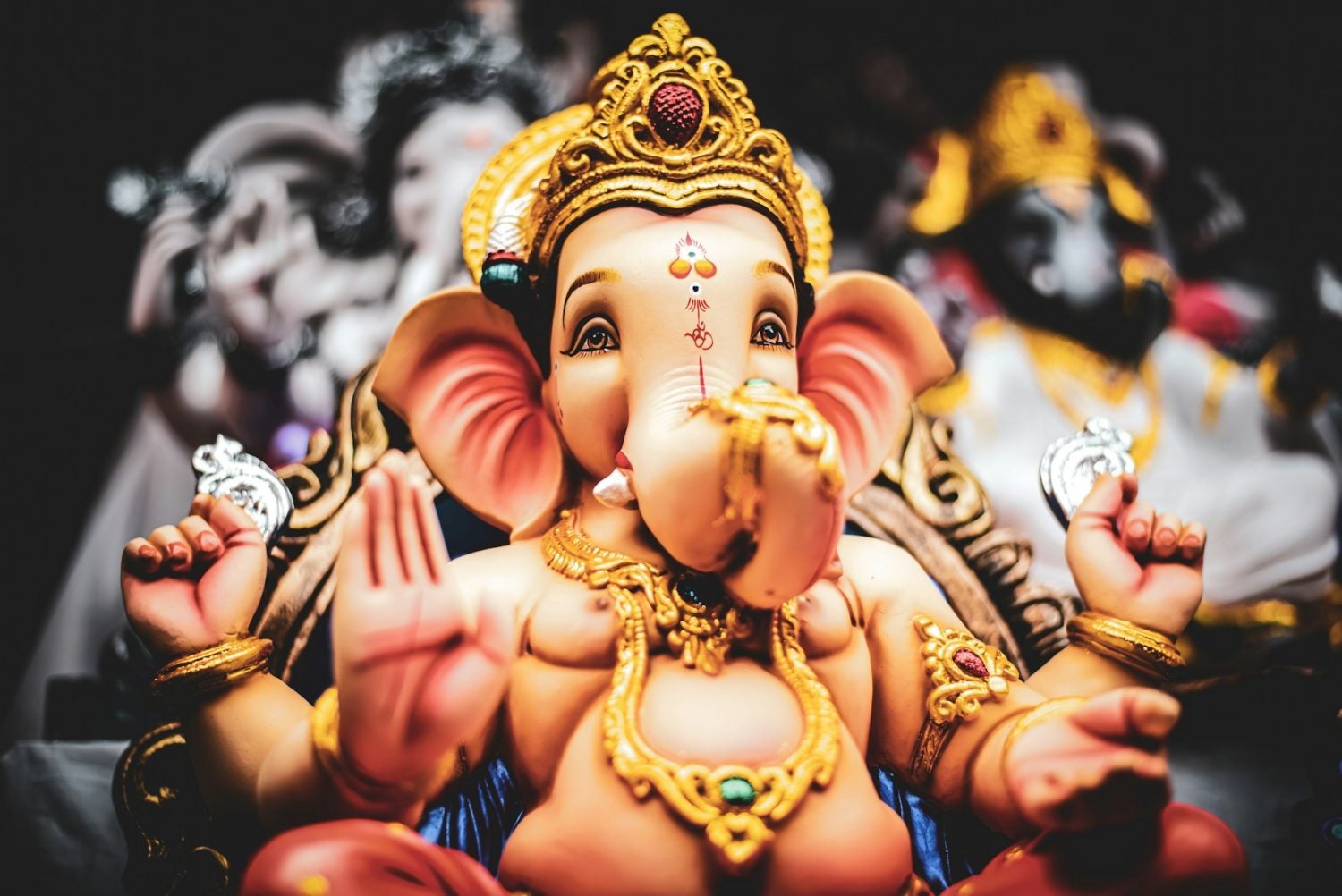
Understanding the Symbolism and Aesthetic Power of a Ganesha Painting
In many South Asian ceremonies and milestone events, the image of Ganesha is positioned at the beginning of proceedings. Whether at weddings, housewarmings, or new ventures, this placement has become culturally consistent. Rather than approaching this through theology, it is more compelling to understand why this figure continues to hold such visual and symbolic authority in both traditional and contemporary settings.
The reason extends beyond ritual. It is rooted in narrative symbolism, design language, psychology, and the way imagery influences mindset.
The Cultural Narrative Behind the Symbol
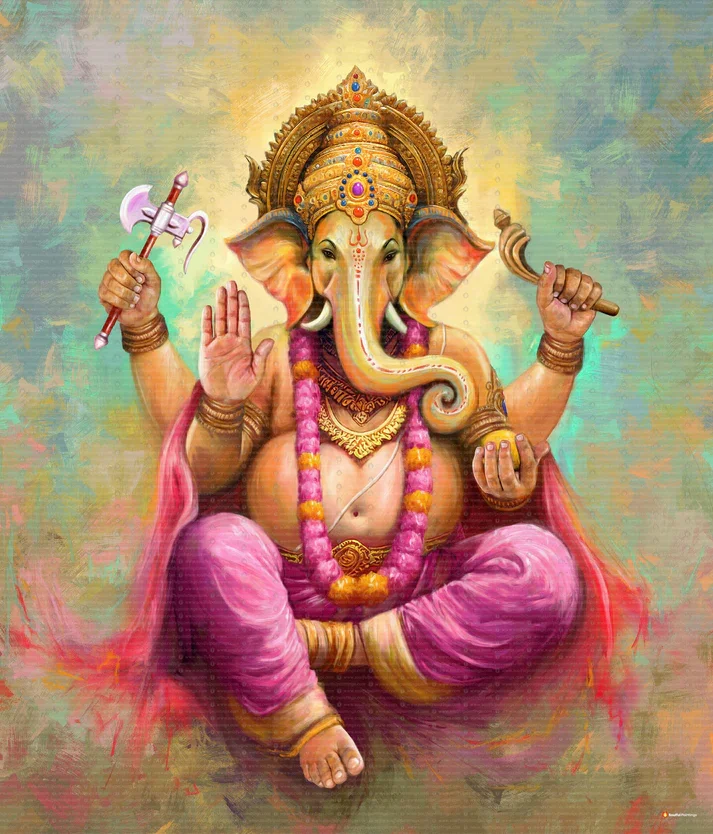
One of the most widely referenced stories associated with Ganesha involves a challenge between him and his brother Kartikeya. They are asked to circle the world three times, and whoever returns first will be declared wiser. Kartikeya departs immediately at great speed. Ganesha pauses, reflects, and circles his parents instead, stating that they represent his world. His interpretation wins.
This narrative has endured not because of competition, but because of what it represents. It frames intelligence as perspective rather than velocity. It elevates insight over impulse. In visual culture, that symbolism is powerful. When Ganesha painting appears at the beginning of ceremonies or creative sequences, it communicates the value of thoughtful intention before action.
Artists frequently draw upon this subtext. The figure becomes less about mythology and more about strategic awareness, composure, and reframing obstacles.
Reading the Visual Language
From an art perspective, Ganesha is iconographically dense. Each physical feature operates as a metaphor, giving painters and sculptors rich material to reinterpret.
The elephant head suggests memory, intelligence, and heightened awareness. Large ears imply listening before responding. Small eyes signal focus and concentration. The rounded belly reflects resilience and the ability to absorb life’s experiences. The broken tusk symbolizes adaptation and sacrifice in pursuit of a larger goal.
This layered symbolism explains why the image continues to resonate in contemporary art markets. It is not visually static. It carries narrative weight.
Formally, the hybrid structure of a human body with an elephant head creates immediate visual tension. The combination of scale, softness, and authority offers artists flexibility. The figure can be rendered in classical realism, reduced to minimalist line work, abstracted into bold color fields, or interpreted through metallic textures and mixed media.
Its silhouette is instantly recognizable, which makes it effective in both intimate interiors and large scale statement pieces.
Psychological Influence of Symbolic Art
Visual symbols influence cognition more than many realize. When individuals repeatedly associate an image with a specific mental state, the image becomes a psychological cue. Over time, it triggers focus, calm, or intention.
The cultural practice of placing Ganesha at the start of events translates into a broader principle. Begin with clarity. Establish mindset before momentum. The artwork functions as a visual anchor that reinforces composure before action.
This psychological dimension explains why many professionals and entrepreneurs choose symbolic art for offices or workspaces. The image becomes less about doctrine and more about discipline and perspective.
In this context, the figure represents preparation rather than prayer.
Ganesha in Contemporary Interior Design
In modern homes, aesthetics and symbolism often intersect. Hence, Soulful Painting’s modern Ganesha painting today is frequently selected for its balance of tradition and contemporary relevance.
Placement tends to follow thematic logic. Near entrances, the artwork signals new beginnings. In living rooms, it becomes a cultural conversation piece. In meditation areas or workspaces, it reinforces focus and intention.
Current design trends show several dominant interpretations. Minimalist line art reduces the figure to essential contours, suitable for clean and neutral interiors. Textured abstract works use bold palettes and layered surfaces to create emotional impact. Metallic accents and gold detailing introduce luminosity and perceived prosperity into a space.
Because the form is adaptable, it integrates into Scandinavian minimalism, modern Indian interiors, eclectic bohemian spaces, and even corporate environments. The image maintains its core identity while shifting stylistically.
Why the Image Endures
Cultural symbols survive when they remain adaptable. Ganesha’s visual identity carries universal themes. Intelligence. Patience. Balance between effort and reflection. These concepts transcend geography.
When people place such imagery in their homes, they are often aligning themselves with those values rather than engaging in ritual practice. The artwork becomes aspirational. It communicates a philosophy of beginning thoughtfully and navigating obstacles strategically.
Even in global art markets, the figure has gained traction among collectors who appreciate narrative depth. Unlike purely decorative motifs, it carries interpretive layers. Viewers unfamiliar with the cultural background still recognize its symbolic density.
That is the hallmark of enduring iconography.
Practical Considerations for Display
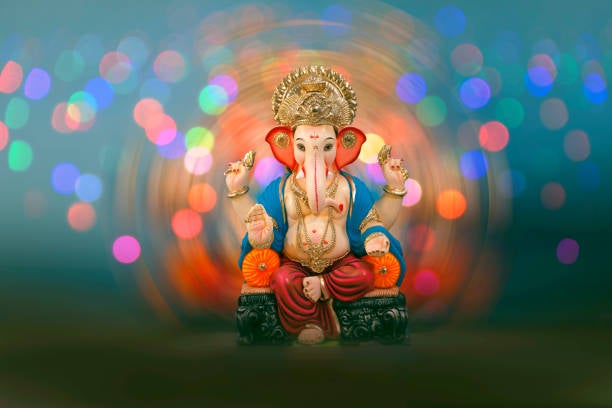
For those incorporating a Ganesha painting into their home, intention matters more than superstition. Consider scale relative to wall space. Larger canvases command attention and work well in open living areas. Smaller pieces create intimacy in study corners or reading spaces.
Lighting also affects impact. Warm directional lighting enhances texture and metallic elements. Natural light brings out subtler tonal variations in minimalist works.
Positioning should align with how you want the space to feel. Near an entryway, the artwork can frame transitions. In a workspace, it can serve as a visual reminder to pause before reacting.
Ultimately, its power lies in the narrative you attach to it.
A Visual Philosophy of Beginnings
The consistent placement of Ganesha at the start of ceremonies reflects a broader human instinct. Before embarking on something new, we seek grounding. Symbols help structure that transition.
A Ganesha painting operates as a visual philosophy. It suggests that clarity precedes momentum. Listening precedes speaking. Reflection precedes decision.
In contemporary settings, where speed often overrides thoughtfulness, such imagery can serve as a counterbalance. It does not demand belief. It invites perspective.
That may be why the figure remains so present across generations. It adapts to new artistic languages while retaining its core message.
When viewed through this lens, the question is no longer why the image is placed first. The more interesting observation is that cultures have long understood the importance of starting with intention. The artwork simply gives that principle form.