
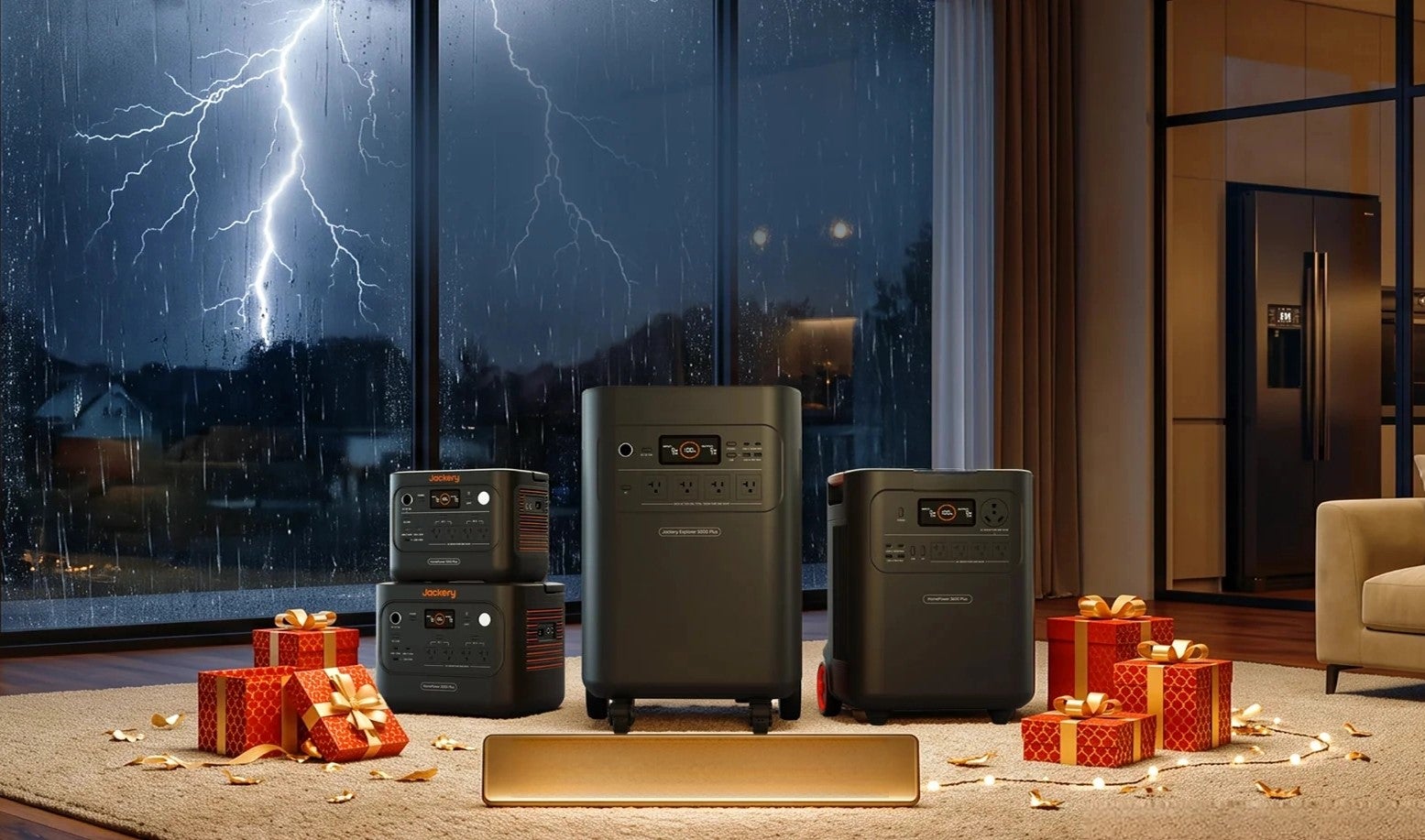
We spent time with two of Jackery’s newest home backup power stations to see where the extra capacity and expandability of the HomePower 3600 Plus make a difference.
Backup power has come a long way from noisy gas generators and extension cords running through the house.
Jackery’s HomePower 3000 and HomePower 3600 Plus offer another option, with enough capacity to keep essential appliances and electronics running during an outage while remaining portable enough to move or store when they’re not needed.
Both models deliver 3,600W of output, but the HomePower 3600 Plus increases capacity from 3,072Wh to 3,584Wh.
HomePower 3000: Compact Backup for Everyday Essentials
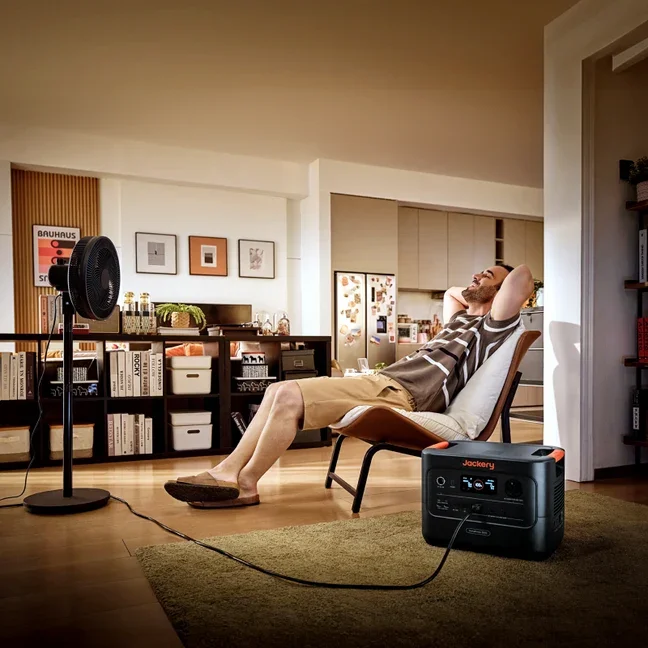
The HomePower 3000 pairs a 3,072Wh capacity with 3,600W of continuous output and up to 7,200W of surge power, giving it enough power for everything from refrigerators and lighting to internet equipment and other household essentials.
At approximately 59.5 pounds, it’s also the lighter of the two.
The compact shape and handles on either side make it relatively easy to move around the house or store in a garage, utility room or closet until it’s needed.
There are four standard AC outlets, a 30A AC connection, two USB-A ports and two 100W USB-C ports, along with a built-in display and app control.
HomePower 3600 Plus: More Capacity With Room to Expand
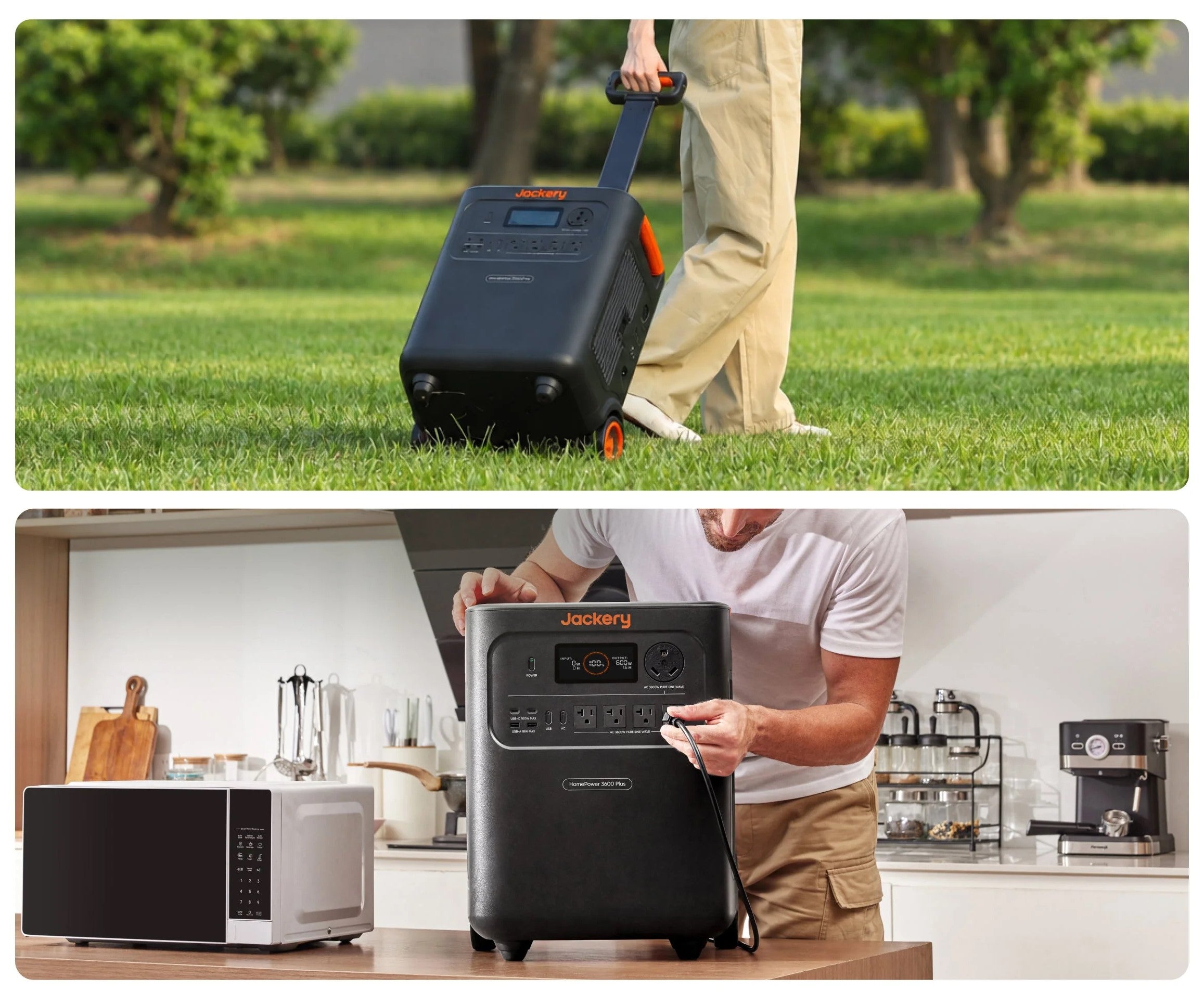
The HomePower 3600 Plus starts with a slightly larger 3,584Wh capacity while maintaining the same 3,600W continuous output and 7,200W surge power.
At around 77 pounds, it’s heavier than the HomePower 3000, but built-in wheels and a telescoping handle make moving it considerably easier.
Where the 3600 Plus really separates itself is expandability.
Additional Battery Pack 3600 Plus units can increase total capacity to 21.4kWh, giving homeowners the option to start with one unit and add more storage as their needs change.
Two HomePower 3600 Plus units, with additional battery packs, can also be connected for larger configurations reaching roughly 43kWh, along with support for 240V output.
Its LiFePO4 battery is rated for 6,000 cycles to at least 70 percent capacity, compared with 4,000 cycles to at least 70 percent capacity for the HomePower 3000.
For longer outages or households expecting their backup needs to grow, that extra flexibility is the biggest advantage.
Quiet, Fast and Ready When You Need It
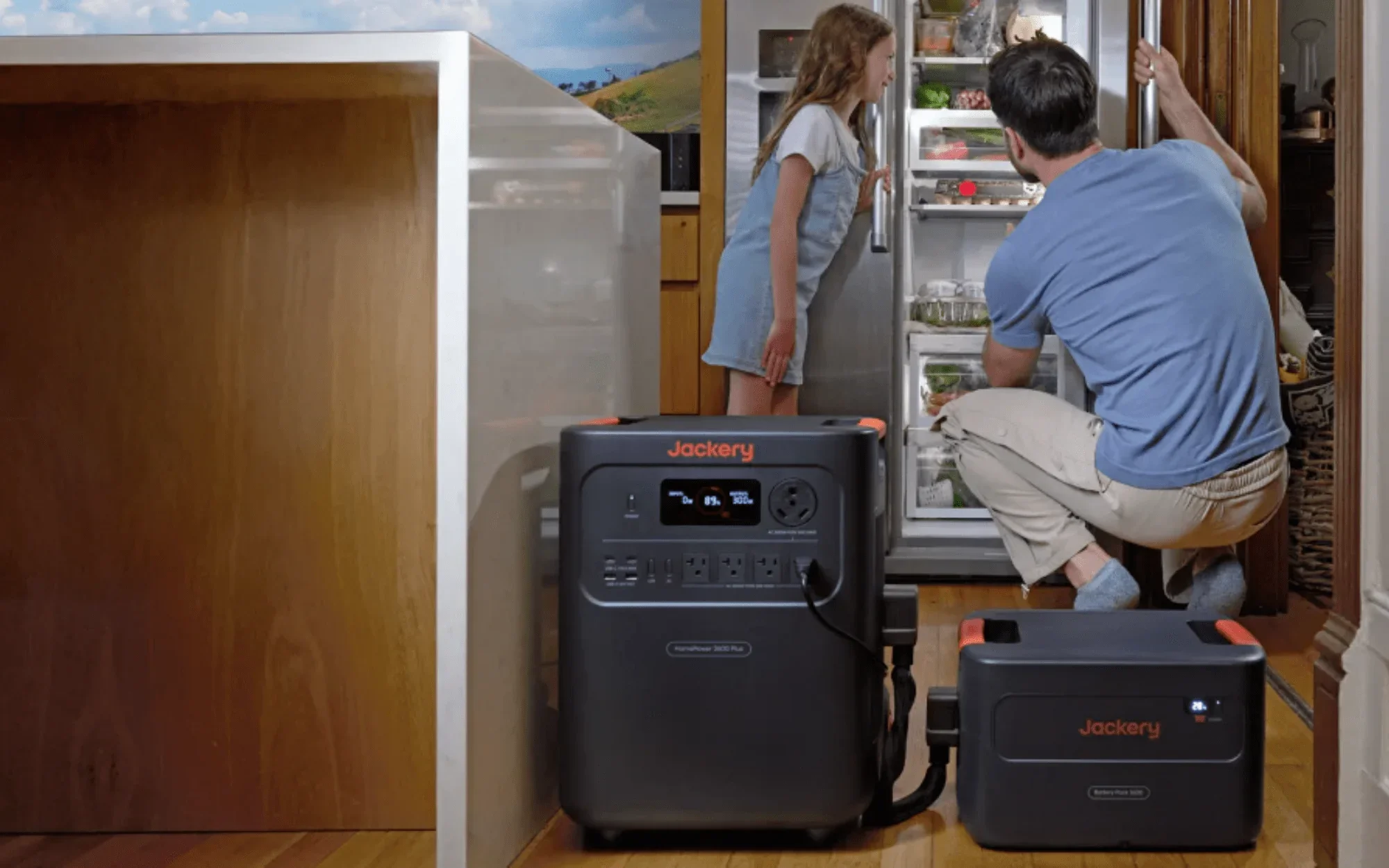
Both systems offer one of the biggest benefits of battery backup over a traditional generator: quiet operation.
Jackery rates the HomePower 3000 at less than 27dB under its specified quiet operating conditions, while the HomePower 3600 Plus operates at around 30dB.
Charging is relatively quick, too.
The HomePower 3000 can recharge from a standard wall outlet in approximately 2.2 hours, while the HomePower 3600 Plus takes around 2.5 hours. Both also support solar charging, giving homeowners another way to replenish the battery when grid power isn’t available.
UPS functionality is available on both models. The HomePower 3600 Plus can switch to battery power in less than 10 milliseconds during an outage, while the HomePower 3000 has a switching time of up to approximately 20 milliseconds.
That can help keep equipment like routers, computers and other important electronics running when the power suddenly drops.
Which Jackery HomePower Is Right for You?
For households looking for a simple, high-capacity backup option, the HomePower 3000 offers plenty of power in a lighter and more compact package. Jackery estimates roughly one to two days of essential backup use depending on what you have connected.
The HomePower 3600 Plus is better suited to households that want additional capacity and the ability to expand their setup over time.
Both deliver the same 3,600W continuous output, so the decision ultimately comes down to how much stored power you need and whether you want the option to add more in the future.