
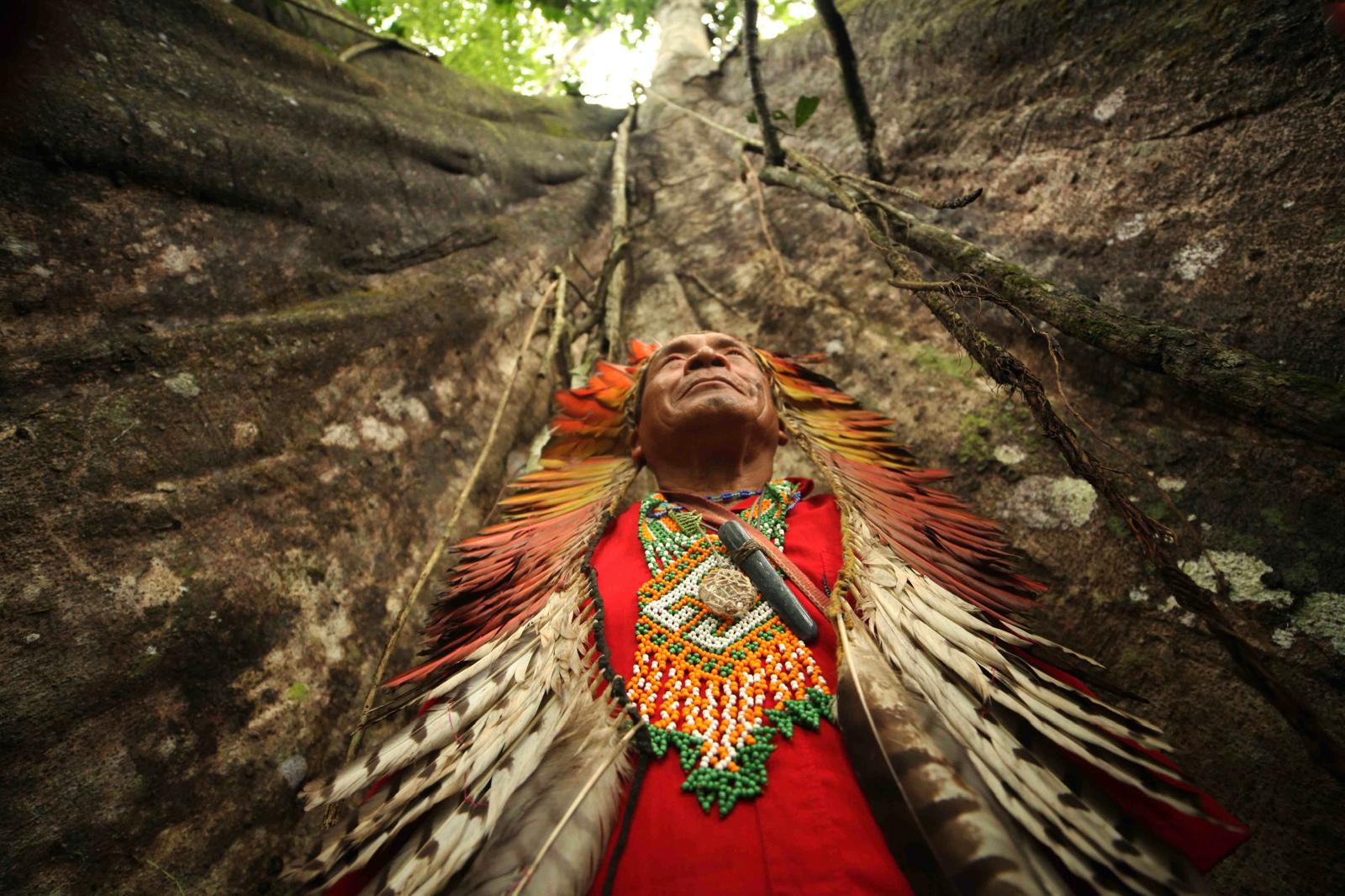
Three years after its Cannes debut, the Amazônia Fund Alliance walked out of Venice with two awards.
The bigger win is 20,501 hectares of rainforest back in Indigenous hands.
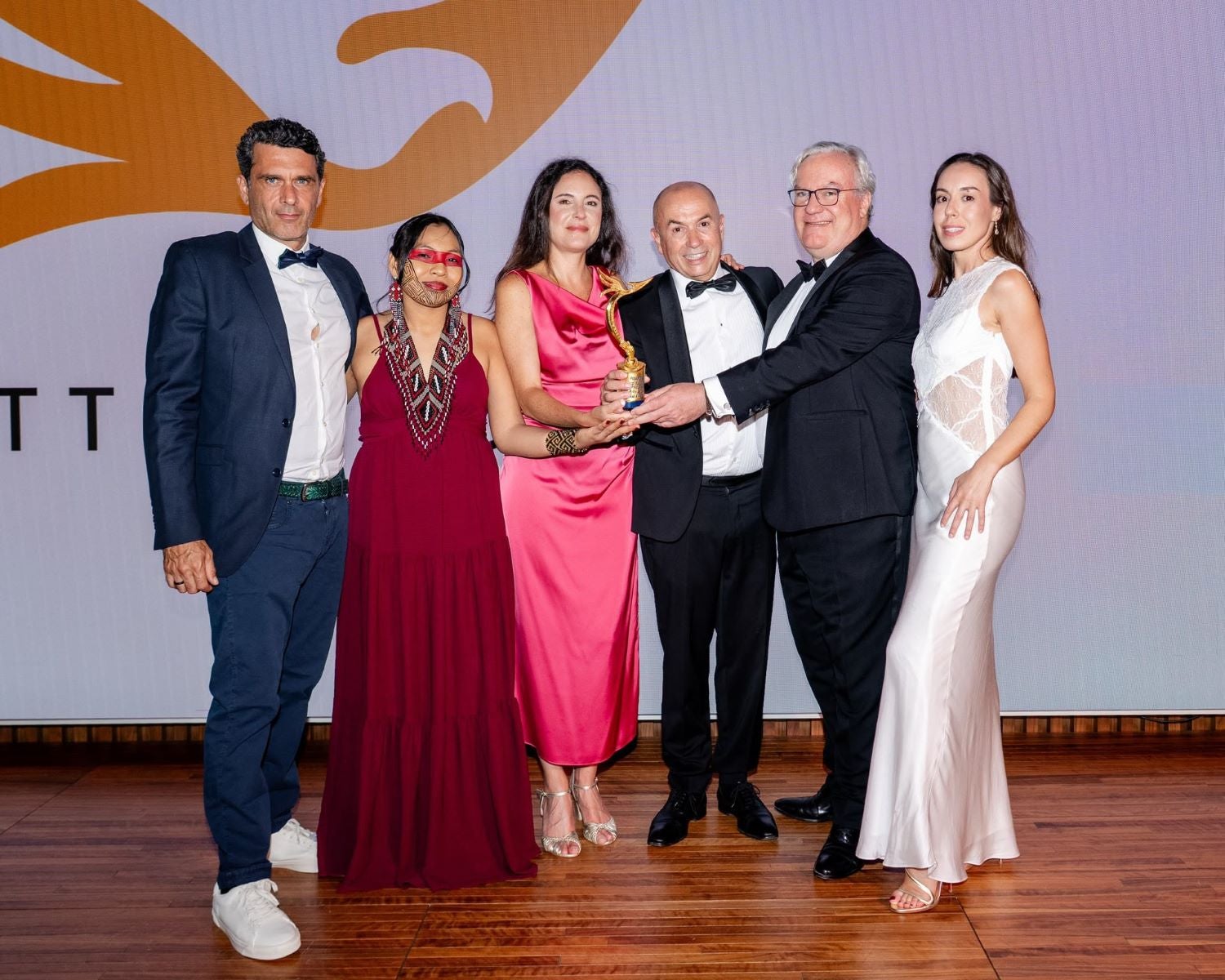
By the time Txira Huni Kuĩ finished singing, the room was on its feet. That’s no small feat at a gala during the Venice Film Festival, where the crowd—philanthropists, advocates, cultural heavyweights, the professionally hard to impress—has seen just about everything twice. But the song wasn’t a coda to the evening’s business. It was the business.
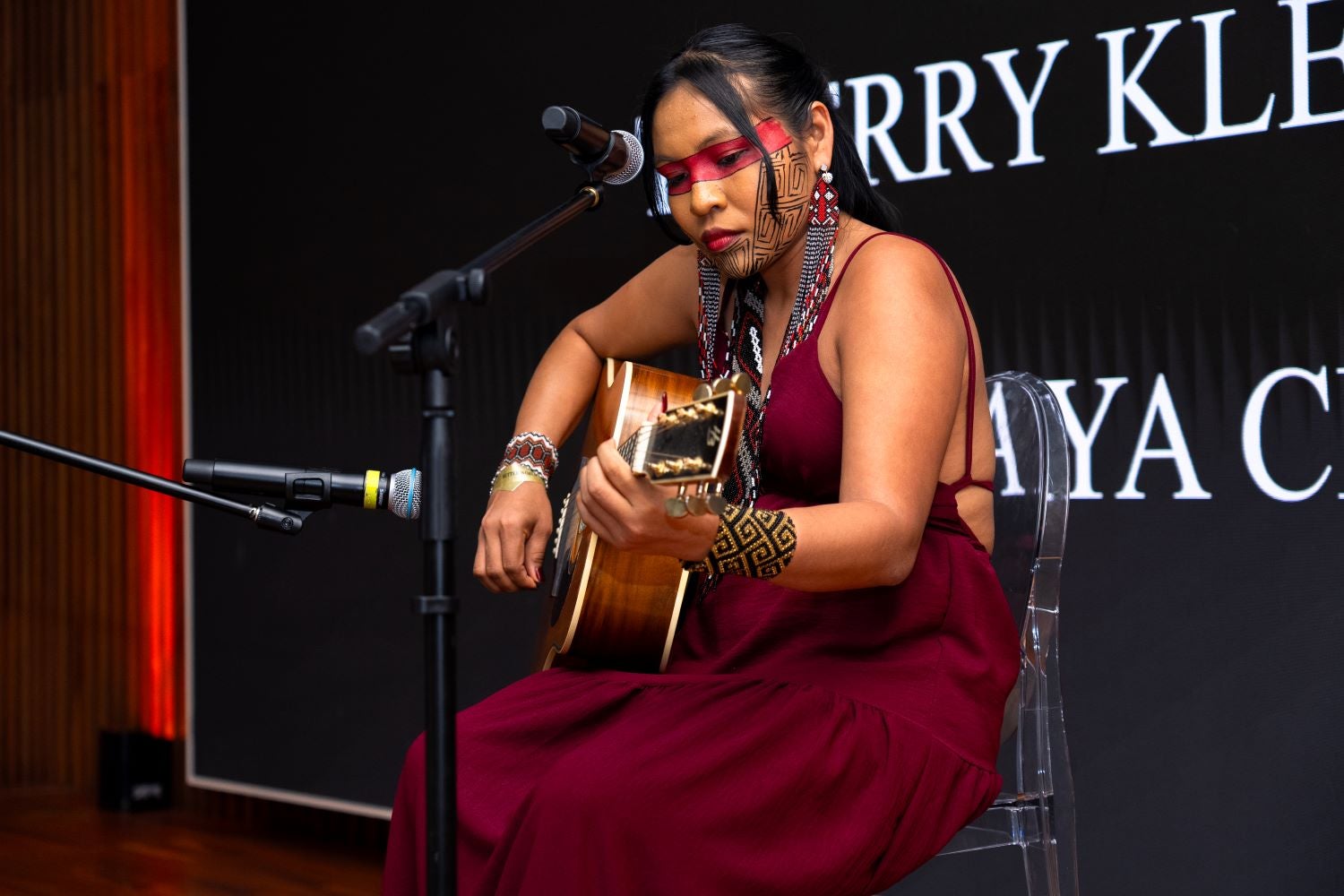
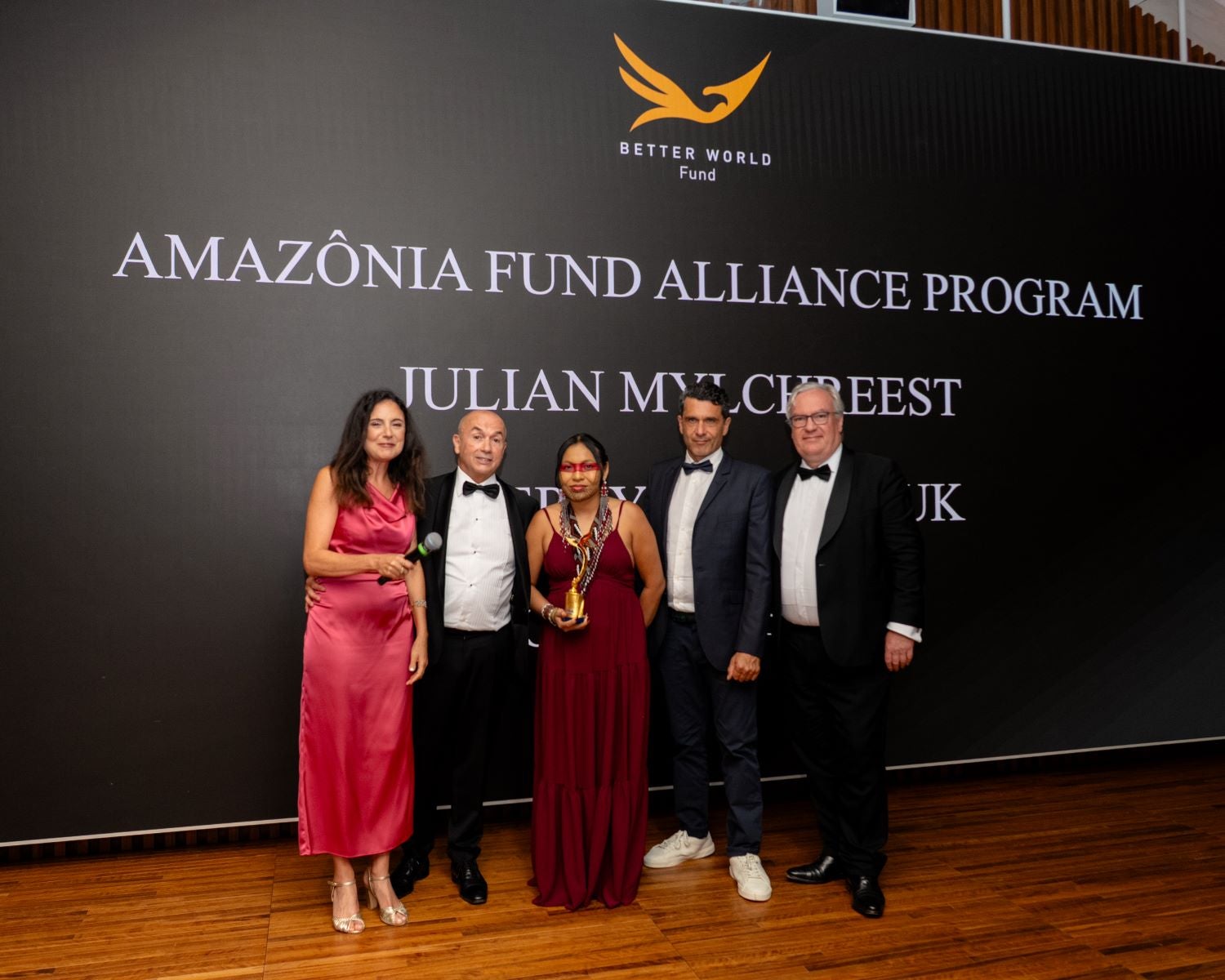
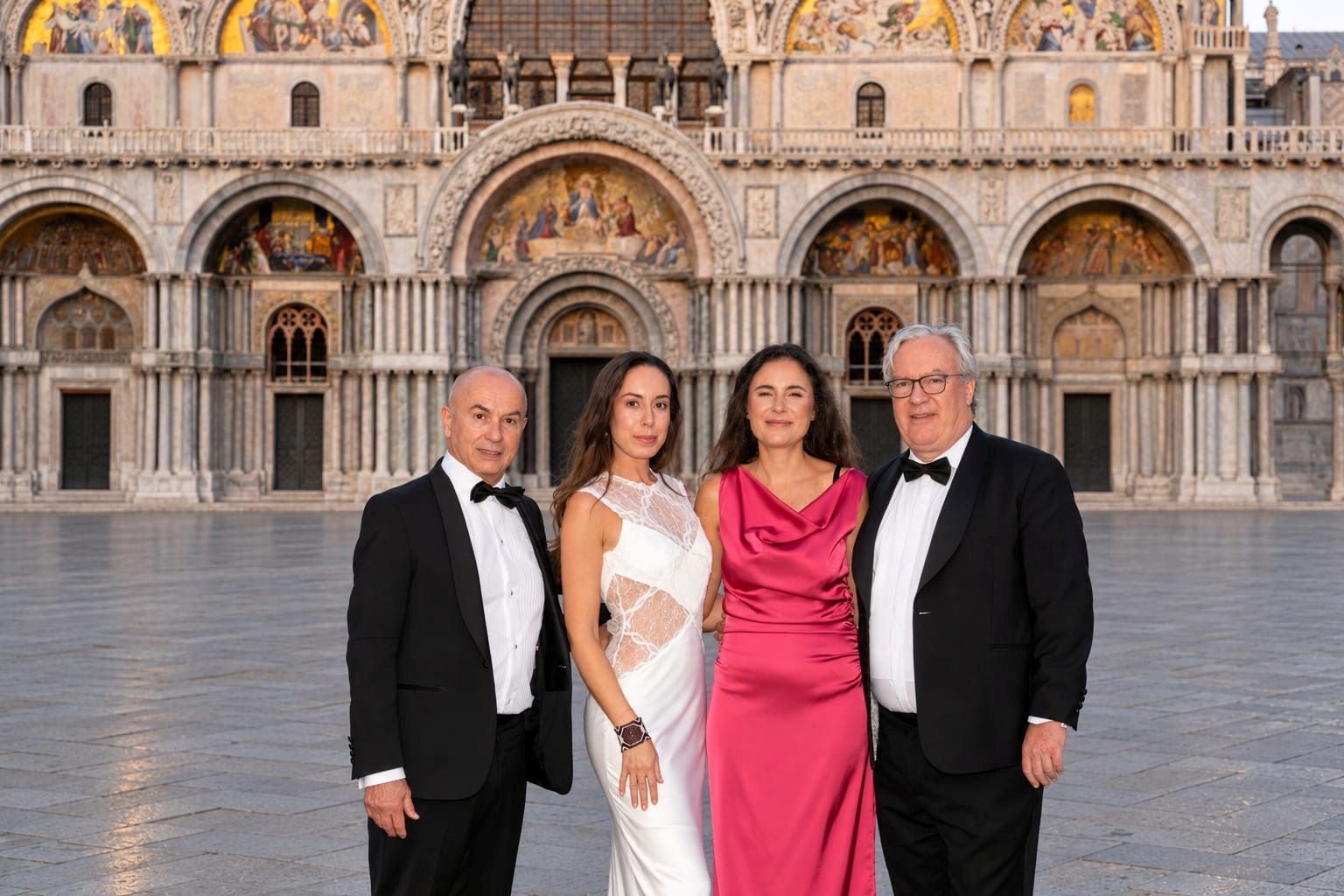
Txira, a representative of the Huni Kuĩ people of the western Amazon, had joined Thierry Klemeniuk and Julian Mylchreest, founders of the Amazônia Fund Alliance, on stage at the Better World Fund’s Gala for Humanity on September 8 to accept not one honor but two: the Better World Award and the Best Accomplishment Award, recognizing 36 months of conservation and community work. Then she sang, and in a few minutes made the argument the Alliance has spent three years making in boardrooms and ballrooms alike: you cannot save the forest without the people who have kept it alive.
It is an idea that sounds obvious once someone says it out loud. It has taken the rest of the world a remarkably long time to act on it.
FROM THE CROISETTE TO THE LIDO
The Alliance launched at the Cannes Film Festival in 2023—a telling choice of venue for an outfit whose founders understand that attention is a currency like any other, and that the people who control a great deal of capital tend to spend their summers in the same handful of places. The premise was simple, if not easy: gather money at global scale, philanthropic and for-profit alike, and route it to the people on the ground best positioned to put it to work.
This September in Venice, more than three years on, came something like a progress report, delivered to the same kind of room where the pitch was first made. The awards were the headline. What they recognized is the more interesting story.
THE CONNECTOR
The Amazônia Fund Alliance isn’t trying to be the hero of its own story, and that is a large part of its appeal. Rather than run every project itself, it acts as a connector. Working in partnership with the Brazilian Federation of UNESCO Clubs and Associations (BFUCA), it links international organizations with local coalitions, translating global support into conservation and community initiatives where they actually matter. Its partners include Mothers of the Amazon and SOS Amazônia, and its remit spans land preservation, forest restoration, Indigenous empowerment and sustainable economic opportunity.
The ambition is considerable. The Alliance’s network is designed to reach more than 300 Indigenous villages—by BFUCA’s estimate, nearly 6,000 families.
Underneath the logistics sits a conviction that runs against a long strain of conservation orthodoxy. The Amazon, in the Alliance’s view, is not an empty wilderness to be fenced off and admired from a distance. It is a homeland, and its biodiversity is bound up with the histories, cultures, livelihoods and ancestral knowledge of the communities who live there. Help those communities reclaim their territory and preserve what they know, and the forest tends to look after itself. Protecting the land, in other words, means investing in its oldest protectors.
50,000 ACRES, RETURNED
The clearest proof of concept arrived earlier this year. A €500,000 donation from one of the Alliance’s benefactors enabled Mothers of the Amazon to acquire and protect 20,501 hectares of rainforest in Brazil’s Acre region—more than 50,000 acres. The land was then returned directly to the Huni Kuĩ, restoring their hold on ancestral territory.
“Their support is essential to helping Indigenous communities reclaim their ancestral territories.”
For Bane Saleh, founder and executive director of Mothers of the Amazon, that kind of partnership is where Indigenous empowerment and conservation become the same project. “We need organizations like the Amazônia Fund Alliance Program […] their support is essential to helping Indigenous communities reclaim their ancestral territories and, in doing so, protect the forests that sustain us all,” Saleh says.
A FOREST THAT PAYS ITS WAY
Conservation that doesn’t pay rarely lasts, and the Alliance knows it. Through its work with SOS Amazônia, projects focus on building businesses around what the forest yields when it’s left standing, alongside restoration and agroforestry initiatives. The results so far include community-made buriti oil, murumuru butter and açaí—the kind of ingredients that turn up in high-end skincare and breakfast bowls a long way from where they were harvested, here produced by the people who live alongside them.
The partners are thinking bigger still. The Alliance and SOS Amazônia have proposed restoration projects aimed at bringing back 500 hectares of forest and producing and planting 500,000 seedlings over five years—a measure of the scale the network is now working toward.
THE STORY IS THE STRATEGY
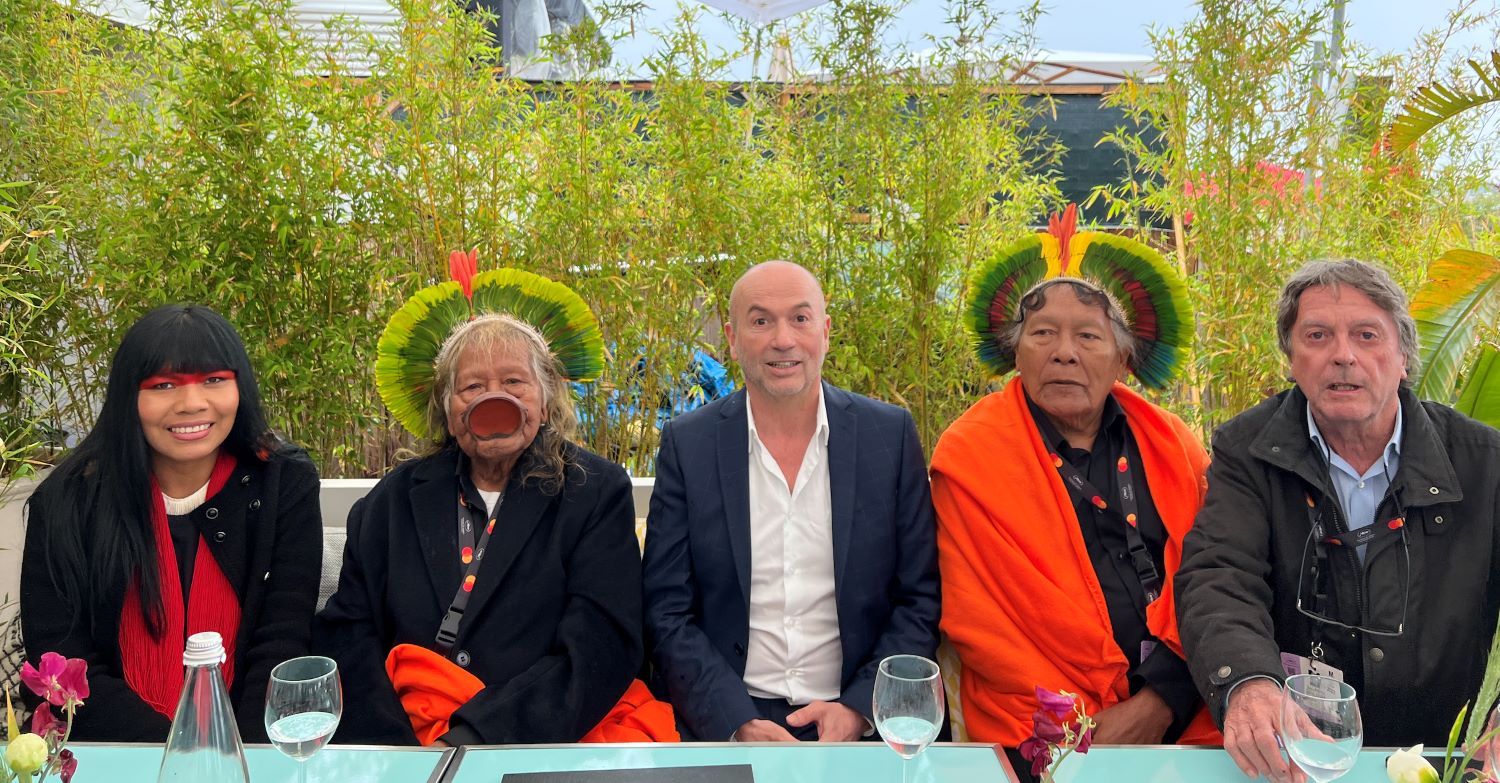
Klemeniuk and Mylchreest also understand something many conservation groups learn too late: a good story moves money, and the people living a story should get to tell it. The Alliance supports global storytelling projects, among them filmmaker Alexandre Bouchet’s documentary on Chief Raoni of the Kayapó, the elder who has carried the Amazon’s cause to world leaders for decades.
Seen in that light, the appearances in Cannes and Venice are not vanity stops on the festival circuit. They are the point. The Alliance describes international visibility as central to its mission—a way of handing local leaders a microphone along with the resources to protect their communities and their land. When Txira Huni Kuĩ took the stage in Venice, nobody needed a slide deck to understand what the money was for.
THE LONG GAME
Venice marks a milestone, not a finish line, and the Alliance has been clear on that. Three years after introducing its mission on the international stage in Cannes, it returned to that stage to show what global support has helped make possible. The next chapter is about scale: expanding its impact through its network of partners, across every front of the work, from land protection to Indigenous empowerment to the safeguarding of ancestral knowledge.
It is a patient, unglamorous model dressed up, occasionally, for the red carpet. And it rests on a premise as old as the forest itself. The Amazon’s best defenders have been there all along. The rest of the world is only now learning how to back them.