
Choosing cannabis flower involves more than looking at the size of the buds or comparing prices.
Cannabinoid content, freshness, cultivation methods, and product testing can affect the flower’s quality and characteristics.
Understanding these differences matters, especially when considering smaller buds, which are often sold separately from larger flowers. THCA small buds have attracted attention because they offer an alternative to full-sized cannabis flowers.
Although they may look different, smaller buds can come from the same plants and contain similar cannabinoids and aromatic compounds. However, quality can vary considerably between products. Knowing what to look for before you decide can help you understand product differences, spot reliable information, and avoid poorly labeled or inadequately tested cannabis flower.
1. Understand Characteristics of THCA Small Buds
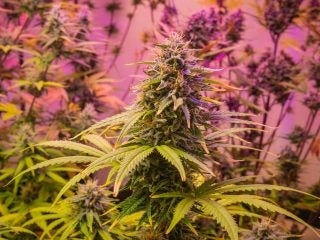
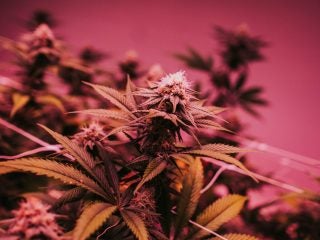
Understanding what THCA small buds are and how they differ from larger cannabis flowers matters. Small buds grow differently because they come from lower branches or other parts of the cannabis plant that receive less direct light. Their growth rate can keep them from reaching the same size as flowers near the top of the plant.
These buds, although smaller, can contain many of the same cannabinoids and terpenes as bigger flowers from the same harvest. They’re small, but that doesn’t necessarily mean they’re low quality or contain far fewer cannabinoids.
Tetrahydrocannabinolic acid (THCA) is a natural cannabinoid present in raw cannabis. Delta-9 THC does not seem to have the same intoxicating effect as THCA, which is not known to have the same effect. But THCA can undergo a chemical reaction called decarboxylation when heated, thus turning into the psychoactive compound THC.
This information is useful since products with a high amount of THCA may have intoxicating impacts when warmed. Also, separate small buds from loose plant material, broken flowers, and trimmings so they don’t mix.
 2. Examine Cannabinoid Content and Strain Information
The amount of cannabinoids being used is one of the key factors to take into account when looking at cannabis products. It provides details about the compounds in the flower. Various cannabis strains may have differing amounts of THCA, Delta-9 THC, CBD, and other cannabinoids.
The THCA percentage may be used in advertising, but it doesn’t fully describe the product’s chemical makeup. For instance, a product with 5% THCA may contain more or less CBD or other minor cannabinoids. Higher THCA levels don’t always mean better quality flower. Potency, freshness, and quality are different features. A highly concentrated product can still suffer from freshness issues, contamination, or improper handling.
Strain information will help you understand the flower better. Cannabis strains are often named after specific fragrances, looks, or cannabinoid content. Random names are used to call cannabis. The terms indica, sativa, and hybrid also classify some cannabis flowers. So it’s better to rely on verified cannabinoid information than on strain names or generic marketing descriptions.
3. Consider Terpene Profile and Aroma
Terpenes are aromatic compounds naturally produced in cannabis and many other plants. They also contribute to the unique fragrances of various flowers and can account for the distinctive aromas of cannabis varieties.
For instance, limonene is known for citrus-type scents, and pinene for pine tree-like fragrances. Myrcene can smell earthy or musky, while caryophyllene is known for its spicy or peppery taste.
Some varieties or individual harvests of cannabis may differ in the combination and concentration of these compounds. Two flowers with the same amount of cannabinoids can therefore have distinctly different aromas.
Terpene levels may also vary during harvesting, curing, drying, and storage. Some volatile aromatic compounds may diminish if you don’t handle them properly or store them for a long time under unsuitable conditions.
A laboratory terpene analysis will detail the compounds found in a sample. This is usually much more informative than relying on descriptions like fruity, earthy, sweet, or relaxing.
4. Check Freshness, Appearance, and Storage Conditions
The physical, aroma, and chemical stability of cannabis flower can change depending on how fresh it is. Well-cultivated small buds can deteriorate even when stored properly if they are exposed to excessive heat, light, oxygen, and moisture.
Frequent problems include over-drying. Over-moist flowers can become brittle and break easily when handled. Prolonged exposure to air and unsuitable temperatures can also change cannabinoids and aromatic compounds.
Too much water also poses a risk, as it can lead to mold and microbial growth. Pesticides, herbicides, or other chemicals present in cannabis can be harmful to health, especially to individuals with compromised immune systems or respiratory illnesses.
Small buds’ appearance can also indicate quality. Flower structure, natural color, and the absence of mold are key indicators. But the color and appearance of cannabis products can not guarantee the presence of cannabinoids or product safety.
Another aspect to consider is packaging. Light, air, and moisture can cause dried flower to lose quality during storage, so store it in containers that limit access to these elements.
5. Review Laboratory Testing and Product Transparency
One of the most valuable pieces of information for determining cannabis flower quality is independent laboratory testing. Testing can certify cannabinoid levels and detect contaminants that may not show up during a physical examination.
A laboratory report of a specific sample’s findings is called a Certificate of Analysis (COA). It may include cannabinoid percentages, terpene levels, or contaminant-screening results, depending on the tests conducted.
Potential contaminants include pesticides, heavy metals, harmful microorganisms, and residual solvents. Not all of these substances will be analyzed in a laboratory report, so the type of testing matters.
Consider several factors when checking a certificate’s credentials. The report should include the testing laboratory’s identifying information, the sample batch number, the testing date, and the test results. The batch number matters because cannabis flower can differ between batches. The composition and purity of one batch do not necessarily match those of another.
Consumers should also differentiate between independent testing and unsupported vendor claims. Terms like premium quality, carefully harvested, or laboratory verified are meaningless without documentation or test results of the product’s features.
Testing can’t rule out all risks, and results depend on sampling and lab testing quality. Still, any available, accessible report offers more meaningful information than promotional claims.
Conclusion
When picking the right THCA small buds, there’s more to consider than their size or the number of THC units they offer. Cannabis flower characteristics and condition can be revealed by cannabinoid composition, terpene information, freshness, cultivation practices, and independent laboratory testing.
However, you must also consider product information, local legal requirements, and potential health risks. While some flowers are more appealing, some have higher THCA content, and some have more recognizable names, it is important to review verified information carefully to better understand the differences between flowers.