
A home often reveals more about a person than a résumé ever could.
Not through expensive furniture or impressive square footage, but through the way each space supports daily life. Walk into the home of a successful professional, and a pattern is often noticed. Every room seems to have a purpose. Distractions are minimized, routines are supported, and comfort is woven into the design without being excessive.
That approach has become increasingly important as professional and personal lives continue to overlap. Work calls happen from home offices. Meetings are prepared for at kitchen counters. Downtime is valued more carefully because it is often limited. As a result, homes are being viewed differently. They are no longer simply places to return to after work. They are being designed as environments that contribute to productivity, recovery, and overall well-being.
Successful professionals understand that a home should work for them rather than create additional friction. The most effective spaces are not necessarily the most elaborate. They are the ones that make everyday routines feel easier, smoother, and more intentional.
Every Room Should Earn Its Place
High achievers tend to think strategically, and that mindset often extends into their homes. Spaces are evaluated based on how they contribute to daily living rather than how they appear in photographs.
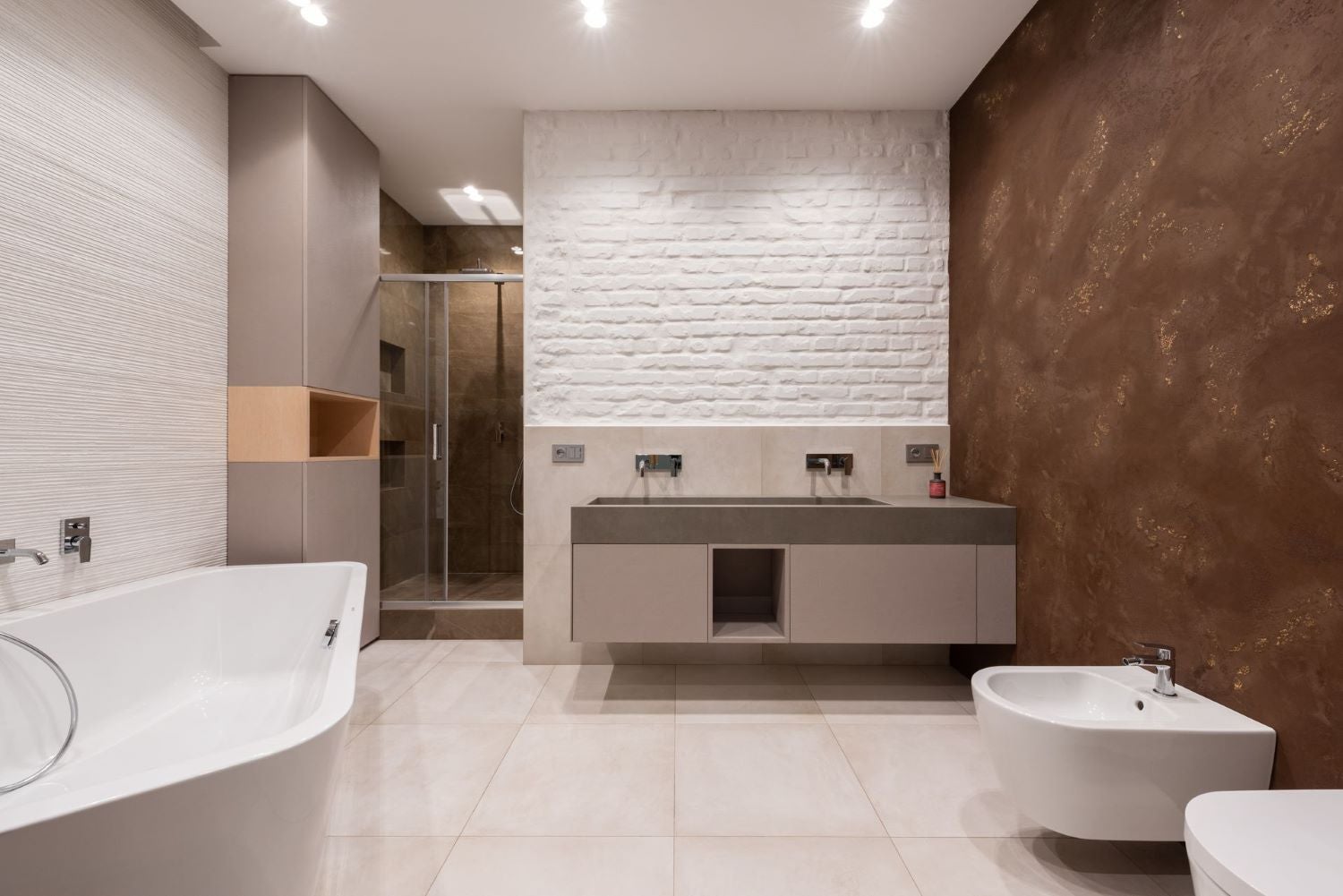
This is why many professionals invest in upgrades that improve function as much as appearance. Projects such as bathroom remodeling are often prioritized because they enhance routines that occur every single day. A well-designed bathroom can improve efficiency in the morning and create a more relaxing environment at night. Small improvements, when experienced daily, often deliver significant value.
The same principle applies throughout the home. A workspace should support focus. A living room should encourage relaxation. A kitchen should simplify daily tasks.
Consider a professional who converts an underused guest room into a dedicated office. The change may seem simple, yet the impact on concentration and productivity could be substantial. In another example, a homeowner may redesign a cluttered entryway to create a smoother start and finish to each day.
Would a space still deserve its place if it creates more frustration than convenience? Successful professionals tend to ask that question regularly.
The Best Designs Reduce Decision Fatigue
Many people associate success with doing more. In reality, many successful professionals focus on reducing unnecessary decisions whenever possible.
The modern world already demands constant attention. Emails arrive continuously. Calendars fill quickly. Important choices must be made throughout the day. Because of this, homes are often designed to eliminate avoidable distractions.
Organization plays a major role. Storage solutions are incorporated so clutter is reduced. Functional layouts are prioritized because they simplify movement throughout the home. Frequently used items are placed where they can be accessed easily.
These decisions may seem minor, but their effects accumulate. When fewer unnecessary decisions are required at home, more mental energy can be directed toward meaningful priorities.
The goal is not perfection. The goal is creating an environment that supports efficiency without demanding constant maintenance.
Comfort Is A Performance Tool
Comfort is sometimes dismissed as a luxury. For many professionals, however, it functions more like an investment.
Rest, recovery, and focus are all influenced by surroundings. A home that supports these needs can contribute positively to daily performance.
Several design elements are often prioritized:
- Dedicated areas for focused work
- Comfortable seating that encourages relaxation
- Energy-efficient lighting that supports productivity and mood
- Quiet spaces for reading or reflection
- Storage systems that reduce visual clutter
- Flexible rooms that serve multiple purposes
These features are not simply aesthetic preferences. They help create conditions where energy can be managed more effectively.
A professional preparing for an important presentation may benefit from a quiet workspace. A business owner returning from a demanding week may appreciate a comfortable environment that encourages genuine rest.
How much easier would it be to perform at a high level when the home itself supports that goal?
Function And Style Work Better Together
There was a time when homeowners often felt forced to choose between appearance and practicality. Today, that tradeoff is becoming less common.
Successful professionals increasingly seek spaces that achieve the perfect balance between aesthetics and practicality. They understand that attractive design and functional design are not competing priorities. In many cases, they strengthen one another.
A thoughtfully designed home feels organized because it is organized. Furniture serves a purpose beyond decoration. Storage solutions contribute to both appearance and functionality. Materials are selected for durability as well as visual appeal.
This approach creates lasting value. Trends may change, but well-designed spaces tend to remain useful regardless of shifting styles.
There is also a psychological benefit. Environments that feel intentional often encourage greater focus and comfort. People generally perform better when surrounded by spaces that feel calm, organized, and aligned with their needs.
What if the most effective design choice is not the most expensive one, but the one that improves daily life the most?
A Well-Designed Home Supports A Well-Lived Life
The homes of successful professionals are rarely defined by extravagance alone. More often, they are shaped by intentional decisions that support productivity, comfort, and balance.
Every design choice influences how a space functions. Small adjustments can improve routines. Thoughtful upgrades can reduce friction. Purposeful layouts can create environments that make both work and personal life more manageable.
The most effective homes are not built around appearances. They are built around the people who live in them. They anticipate needs, support habits, and create opportunities for both focus and relaxation.
Success is often associated with ambition, achievement, and hard work. Those qualities certainly matter. However, the environment in which people live also plays a role. A home that supports goals rather than complicates them becomes more than a place to live. It becomes a tool that contributes to a better quality of life, every single day.