
Walk through almost any residential street in Greater Manchester on a weekday and there’s a good chance someone behind those curtains is working.
Hybrid and home-based work have become part of everyday life across the city region, and with that has come a quieter shift: people are starting to treat their workspace at home as something worth getting right.
For many, the first version was improvised. A laptop on the kitchen table, a dining chair and a stack of paper on the windowsill. It worked for a while. After a few months of long days, though, plenty of people began to feel the effects.
From makeshift to made for the job
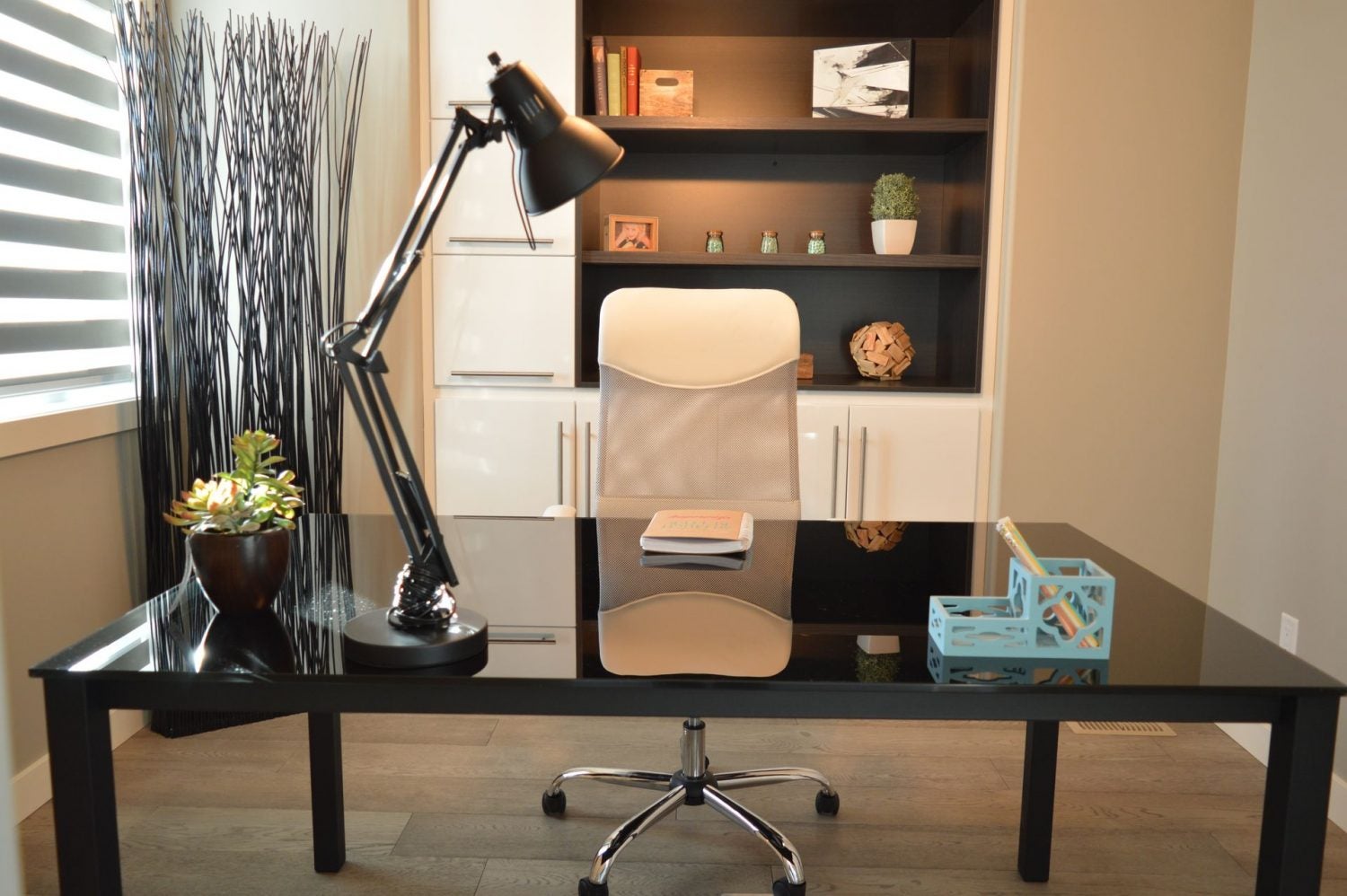
Manchester’s housing stock doesn’t always help. Terraces, flats in converted mills and new-build apartments all tend to be short of spare space, so the home office often has to fit into a bedroom corner or a living room alcove. Some households have gone further with garden offices or converted outbuildings, but for most the challenge is making a small area work properly.
That’s pushing people to think more carefully about what they buy. Rather than picking up whatever’s cheapest, home workers are asking what will actually make eight hours at a desk more bearable.
The chair is where it starts
Ask anyone who’s spent a long stretch working at home what they’d change first, and the answer is often the seat. A dining chair is built for a meal, not a full working day, and it doesn’t offer the support a back needs over long periods.
That’s why ergonomic office chairs have become such a popular upgrade. They’re designed to support the natural curve of the spine, with adjustable height, armrests and seat depth so they can be set up to suit the person using them. The difference tends to be noticeable within a couple of weeks: less stiffness at the end of the day, and fewer moments when you’re shifting around trying to get comfortable.
If you’re choosing for the first time, it’s worth looking at what features matter to you. Someone who’s tall will need a seat that offers plenty of height and depth, while someone shorter might want a chair that lowers enough for their feet to rest flat on the floor.
Don’t assume the desk is fine
A good chair works best when it’s paired with the right desk. Your elbows should rest at roughly a right angle when you type, and your screen should be about an arm’s length away with the top edge close to eye level. If you’re working from a laptop, a stand and a separate keyboard make a big difference to your neck and shoulders.
If you’ve got the room, a height-adjustable desk lets you stand for part of the day. Even short stretches can help break up long periods of sitting, and plenty of people find it gives them a lift in the afternoon.
Where to look
When you’re shopping around, it’s worth comparing a few ranges of office chairs rather than choosing the first one you see. Check the adjustments on offer, the materials and how the seat feels after a longer sit. If you can try one in person, or if a supplier offers a returns policy, that takes a lot of the risk out of the purchase.
It’s also sensible to think about how the chair will look in your space. In a small flat, a bulky model can dominate the room, while a slimmer design can sit more comfortably alongside the rest of your furniture.
Delivery and assembly are worth thinking about too, especially if you live in a flat with narrow stairs or a lift. Check the size of the box as well as the finished chair, and ask whether assembly is included if you’d rather not spend an evening with an Allen key.
Keeping the work separate
One of the biggest challenges of working from home is switching off. A dedicated area helps, even if it’s only a corner. If you can close a door or screen off the space at the end of the day, it becomes much easier to leave work behind.
Small habits help too. Taking a proper lunch break away from the desk, stepping outside for a short walk and keeping the workspace tidy all make home working more sustainable in the long run.
Think about the noise as well. Shared houses, busy streets and thin walls are all part of city living, so a rug, a few soft furnishings and a decent pair of headphones can make a real difference to how well you concentrate.
Light and comfort
Natural light does a lot for mood and focus, so place your desk near a window if you can, with the window to the side of your screen. In the darker months, a good desk lamp makes evening work much easier on the eyes. Keep the room at a comfortable temperature, and make sure you can open a window for fresh air when you need it.
A sensible investment
Spending a little on a better workspace isn’t self-indulgent. Anyone who spends most of their week at a desk is putting their body through a lot, and the right chair, a well-positioned screen and some tidy surroundings go a long way to making that easier.
For Manchester’s home workers, that shift in thinking is already well underway. As more people settle into hybrid routines, the humble home desk is getting the attention it always deserved.