

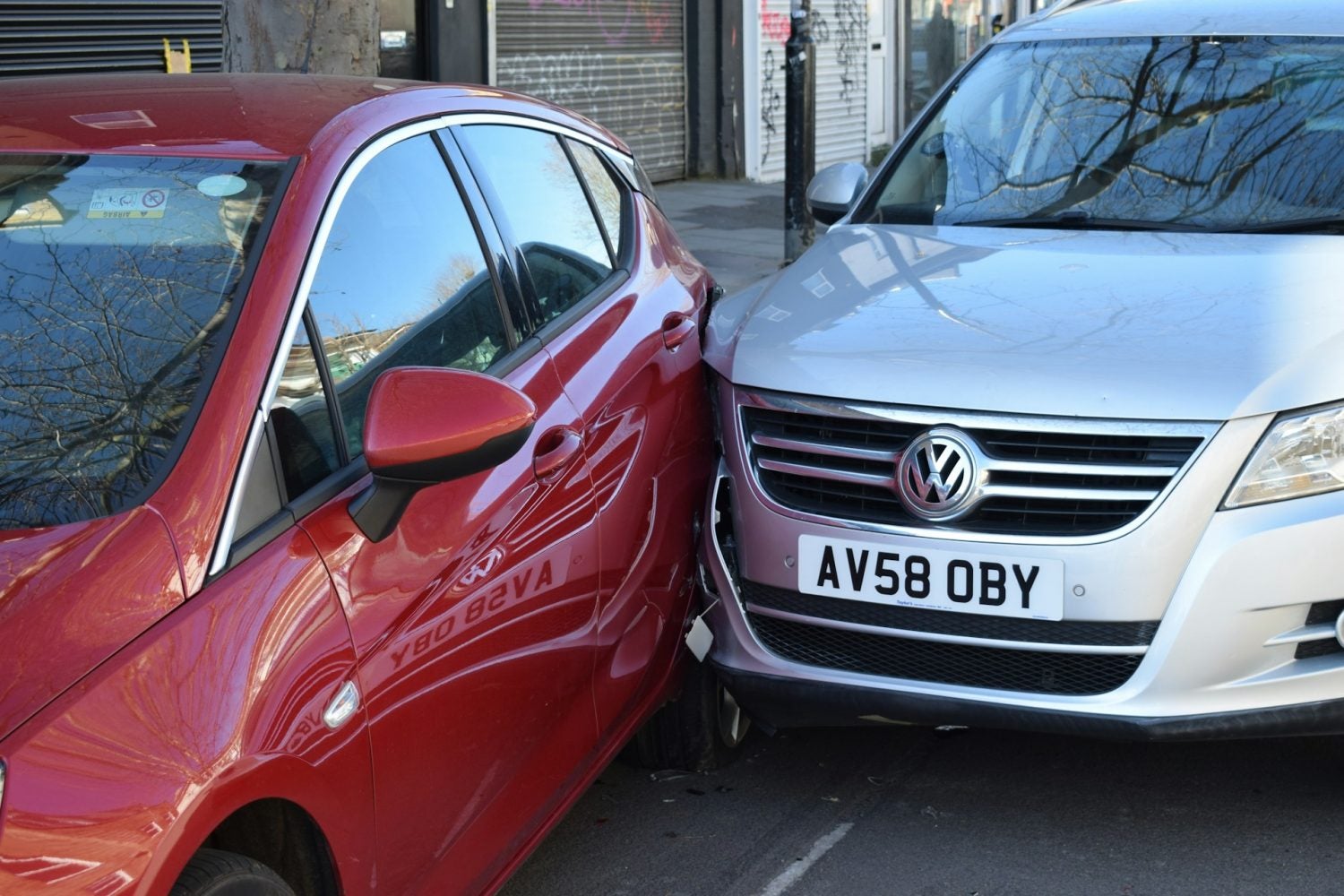
A Houston car crash may appear initially to be a dispute over vehicle repairs.
The bigger financial impacts are often delayed, in the form of medical costs, lost wages, travel expenses, and lifestyle changes. A complete claim requires records that connect each loss to the collision.
Car accident lawyers in Houston, TX, can review categories that an early property estimate does not address. The value of a claim depends on the evidence, policy limits, legal responsibility, and how the injuries affect the individual.
Medical Costs Aren’t Just Emergency Rooms
First bills could include emergency care, imaging, and ambulance transport. Follow-up care may involve specialist appointments, physiotherapy, medication, injections, or surgery. Even insured patients may face deductibles, copayments, and services outside their network.
Future care should be based on medical recommendations, not assumptions. The treating provider may indicate the expected length of therapy or whether other procedures are reasonably likely. The records should also show costs already paid by the insurer, amounts still owed, and any claim for reimbursement relating to the recovery.
Medical devices can create recurring costs. Braces, mobility aids, replacement supplies, or home equipment may need periodic repair or replacement. A life-care professional may be appropriate when severe injuries create long-term needs that are difficult to price from current bills alone.
Lost Income Includes More Than Missed Shifts
Time away from work is usually documented with schedules, pay records, tax returns, and a provider’s restrictions. Hourly employees may lose overtime or shift differentials. A self-employed person may need canceled contracts, invoices, or business records to show work that could not be completed.
Some injured people return on reduced hours or lighter duties. Their wage loss may continue even though they are technically back at work. If an injury causes lasting impairment, the claim may also examine reduced earning capacity. That analysis considers the person’s occupation, training, medical limits, and realistic employment options.
Transportation and Household Costs Add Up
A damaged vehicle can create towing, storage, rental, rideshare, and public transit expenses. Treatment may require repeated travel across the Houston area. Save receipts and note the purpose of each trip so the expense can be linked to the crash.
An injury may also prevent ordinary household tasks. Families sometimes pay for child care, cleaning, lawn work, meal preparation, or transportation. When relatives provide unpaid help, a record of the task and time spent can explain the practical effect of the injury, even if the law treats those services differently from a direct bill.
Travel costs should remain reasonable and traceable. Mileage logs can identify the date, destination, and medical purpose. Hotel stays or meals may be relevant when specialized treatment requires travel outside the area, subject to the facts of the claim.
Property Loss Is Broader Than the Repair Estimate
The vehicle may contain damaged phones, child seats, work equipment, clothing, or mobility devices. Replacement should be supported with photographs, receipts, or comparable prices. A serious collision may also reduce a repaired vehicle’s market value, although the availability and measure of that loss depend on the circumstances.
The Texas Department of Insurance advises consumers to document damage and maintain claim information after a crash. An owner should understand whether the insurer is paying repair costs, actual cash value, towing, storage, or temporary transportation.
Pain and Daily Limitations Require Specific Proof
Physical pain, sleep disruption, anxiety, and loss of normal activities do not appear on an invoice. They still may form part of an injury claim. General statements carry less weight than concrete examples supported by treatment records and consistent testimony.
A short journal can record difficulty driving, bathing, lifting a child, or completing a normal workday. Family members may describe observed changes. The account should be accurate and should acknowledge improvement when it occurs.
A Complete File Prevents Losses From Disappearing
Create a claim file early and update it as bills arrive. Keep medical statements, wage records, receipts, repair documents, photographs, and insurer correspondence. Do not rely on an adjuster to identify every category.
A repair bill describes the vehicle. It does not measure the full effect of an injury on work, health, mobility, or family responsibilities. Careful documentation allows each claimed loss to be evaluated on its own evidence.