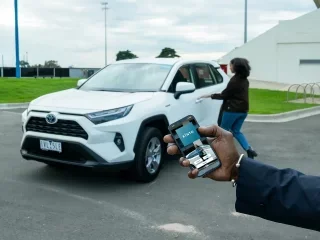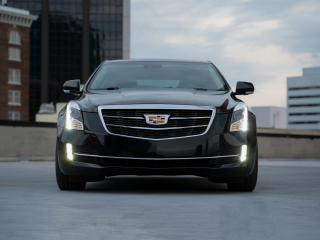


The automotive industry today is largely driven by innovation.
New launches often highlight larger touchscreens, advanced driver assistance systems, connected technologies, and premium interiors. In such a feature-driven market, it may seem like simpler, basic utility vehicles no longer have a place.
However, the reality is quite different. Vehicles that emphasise practicality, durability, and reliability continue to play an important role, serving a segment of buyers whose priorities go beyond features.
Understanding Basic Utility Vehicles
Basic utility vehicles are designed with a clear purpose: functionality.
They prioritise:
- Durability and strength
- Ease of maintenance
- Practical usability
- Long-term reliability
Unlike feature-rich vehicles that aim to enhance comfort and technology, utility vehicles focus on getting the job done efficiently and consistently.
A Different Set of Buyer Priorities
Not all buyers are looking for advanced features or premium experiences.
For many users, especially those with demanding usage patterns, the key priorities are:
- Dependability across conditions
- Low maintenance requirements
- Ease of repair
- Long-term cost efficiency
This is where basic utility vehicles continue to stand out. They cater to needs that are often overlooked in a feature-focused market.
Function Over Features
In a market filled with feature-heavy vehicles, utility vehicles offer a different value proposition—function over features.
Instead of adding multiple layers of technology, they focus on:
- Strong build quality
- Proven mechanical systems
- Straightforward design
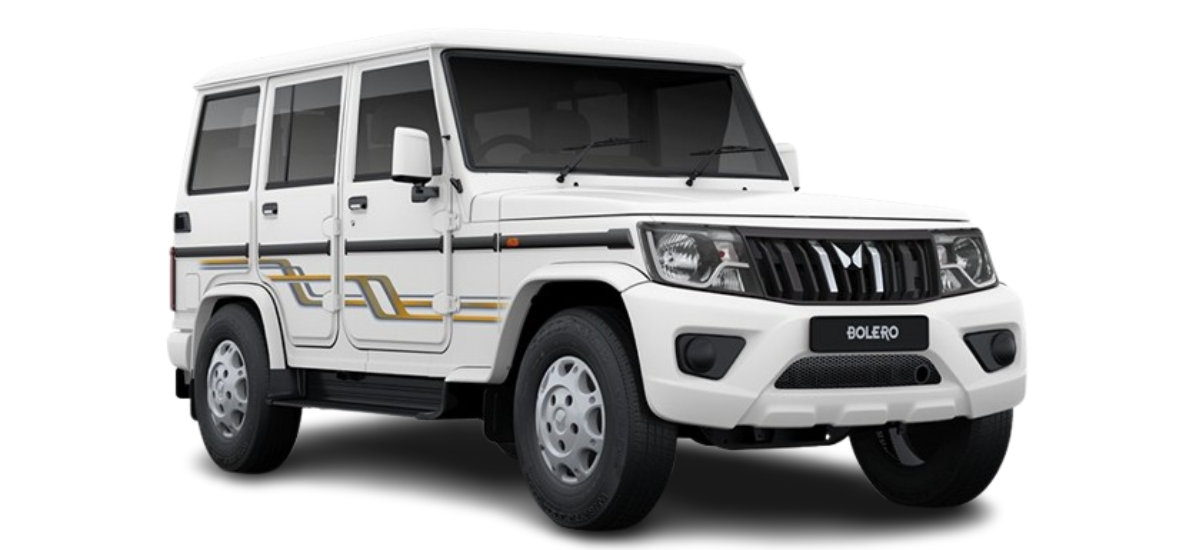
The Mahindra Bolero is a good example of this approach. Its design and engineering are centred around durability and consistent performance rather than feature overload.
Built for Real-World Usage
India’s diverse driving conditions require vehicles that can handle a wide range of challenges.
From uneven roads to heavy loads and long hours of operation, utility vehicles are built to perform in real-world scenarios.
The Bolero’s high-strength, frame-based construction—described as “built like a fortress”—highlights this focus on toughness and reliability .
Such design philosophies ensure that the vehicle remains dependable across different environments.
Reliability as a Key Advantage
Reliability is one of the biggest strengths of basic utility vehicles.
With fewer complex systems and a focus on proven engineering, these vehicles are less prone to unexpected issues. This makes them more dependable for users who rely on their vehicles daily.
Consistency in performance builds trust over time, which is a major factor in their continued popularity.
Lower Ownership Complexity
Feature-rich vehicles often come with higher ownership complexity due to advanced electronics and systems.
Utility vehicles, on the other hand, offer:
- Easier maintenance
- Lower repair costs
- Reduced downtime
This simplicity makes them more practical for long-term ownership, especially in conditions where service infrastructure may be limited.
Balancing Modern Updates with Core Strengths
While basic utility vehicles focus on simplicity, they are not entirely static.
Modern versions incorporate essential updates such as:
- Touchscreen infotainment systems
- Improved ride and handling
- Basic safety features
For example, the Bolero includes features such as a touchscreen infotainment system and RideFlo technology, which enhance usability without compromising its core simplicity.
This balance allows utility vehicles to stay relevant while maintaining their identity.
A Complement to Feature-Rich Vehicles
Basic utility vehicles do not compete directly with feature-loaded SUVs—they complement them.
While premium vehicles cater to comfort and technology-focused buyers, utility vehicles serve those who prioritise:
- Functionality
- Durability
- Cost efficiency
Together, they create a more diverse automotive market that caters to different needs.
Role of Digital Platforms in Buyer Awareness
As car buying becomes more research-driven, online car-buying platforms like ACKO Drive help buyers understand these differences.
By offering comparisons, ownership insights, and detailed feature breakdowns, such platforms enable users to evaluate whether they need a feature-rich vehicle or a more practical utility-focused option.
Final Thoughts
In a feature-driven market, basic utility vehicles continue to play a crucial role.
They serve as a reminder that not all innovation is about adding more features—sometimes it’s about refining what already works. By focusing on durability, reliability, and ease of ownership, these vehicles meet the needs of a large and often overlooked segment of buyers.
As the automotive market evolves, the role of basic utility vehicles will remain relevant—offering a practical alternative in an increasingly complex landscape.