
This is a situation rarely discussed aloud, yet many luxury watch owners encounter it.
You arrive at a private dinner only to notice that the person next to you is wearing the exact same watch as you.
In moments like these, it becomes clear that even status models do not always provide a sense of uniqueness. The watch continues to fulfill its function and retain its value, but it is perceived differently, especially in environments where attention to detail plays a vital role.
Consequently, some collectors look for ways to stand out. Some turn to craftsmen to alter the appearance of their watches and make them more personal. This is not about replacing the item itself, but rather an attempt to adapt it to one’s own perception of style.
At Duve, we view this as a manifestation of a broader process where owners seek to reimagine familiar objects and bring them closer to themselves.
For now, this cannot be called a mass phenomenon. Rather, it is one approach chosen by those who want to go beyond standard solutions while maintaining a connection to classic models.
Brands at the center of customization
When discussing the brands that regularly appear in such exclusive projects, names like Rolex, Audemars Piguet, Hublot, and Patek Philippe invariably lead the list. Their designs are so deeply ingrained in the public consciousness that these timepieces have become inextricably linked with the legacies of global icons, from the steel-willed determination of Kobe Bryant to the eternal greatness of Muhammad Ali. Because these brands have long been perceived as absolute symbols of status and triumph, any change to their appearance immediately becomes a bold statement of individuality. It is important to understand that such modifications are performed privately outside of official workshops, remaining an independent expression by an owner who wishes to merge the brand’s legendary name with their own personal history.
Why Rolex watches are chosen for customization
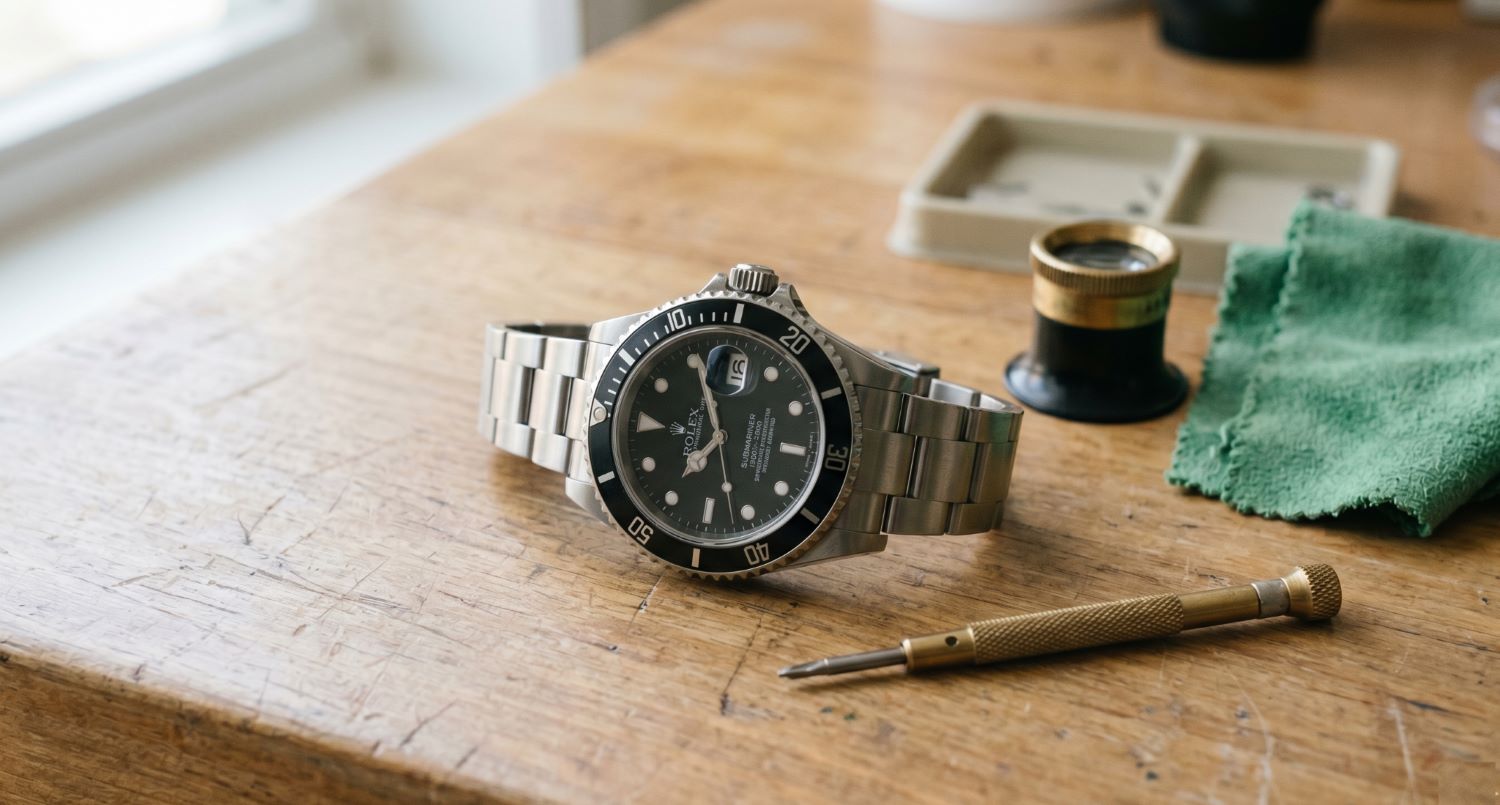
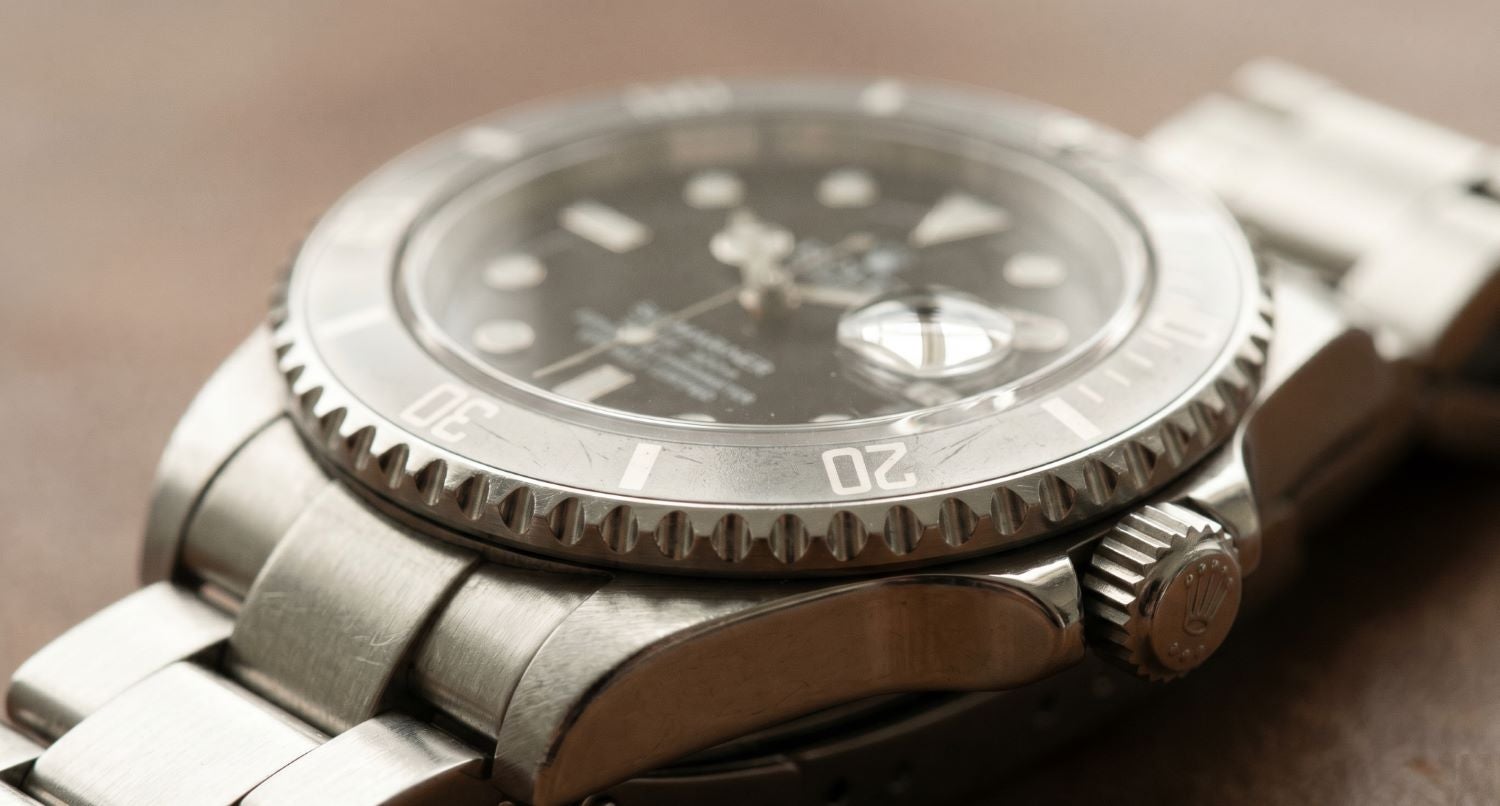
Rolex remains one of the most recognizable brands, which is precisely why craftsmen frequently work with it when it comes to visual modifications. The recognizability of the form plays a key role, as the watch remains easily identifiable even after customization, allowing the connection to the original model and its status to be preserved.
Owners generally do not aim to radically change the construction but focus instead on outward perception. The basic silhouette is preserved while individual details are added, such as changes to the case color, metal surface treatments, or decorative elements. This approach allows for the combination of a familiar design with a more personal visual accent.
Such solutions are often inspired by global idols and sports legends whose path to the top has become a standard of excellence. For example, a tribute to the great Muhammad Ali frequently serves as the foundation for creating exclusive series. In these projects, the significance lies not only in the cost of the item but also in its deep symbolic meaning, representing an attempt to capture the spirit of historic victories through metal and color.
At the same time, such changes are viewed with caution in more conservative circles, where the original condition of the watch and its compliance with factory execution are traditionally valued.
Audemars Piguet and understated changes
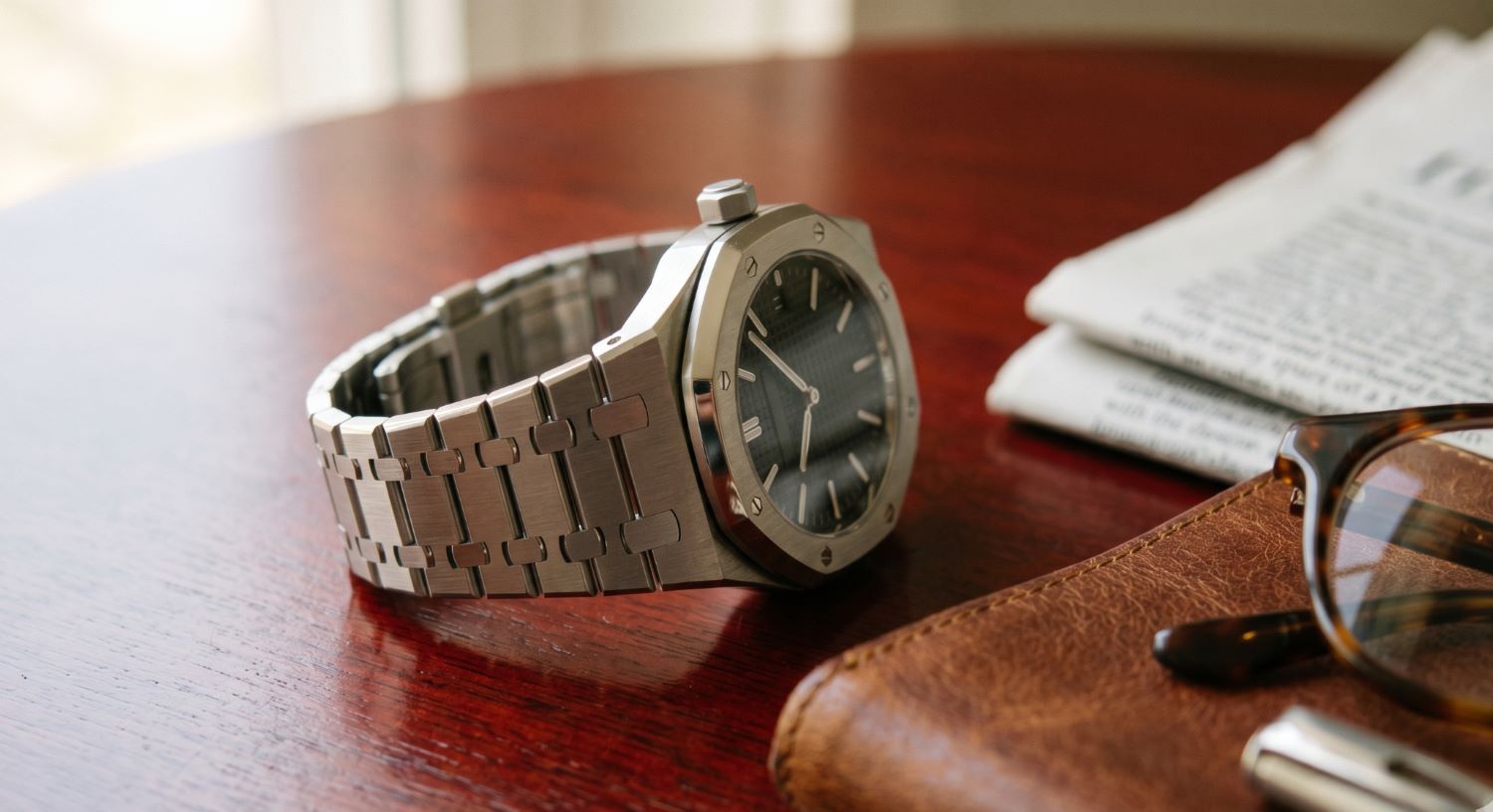
The famous octagonal silhouette of Audemars Piguet makes these watches recognizable even without additional changes. The design of the model is inherently built so that the case shape, proportions, and characteristic details draw attention; therefore, the need for visual modification does not always arise.
Nevertheless, some owners turn to more understated changes that do not disrupt the overall look of the watch. This might include darkening the case, working with surface texture, or adding subtle accents that are visible upon close inspection but do not change the perception of the model as a whole. This approach allows for a balance between individuality and respect for the original design.
Meanwhile, a significant portion of owners prefers to maintain the classic appearance without interference.
Hublot as an example of a factory approach to individuality
Against the background of more conservative brands, Hublot initially focuses on experiments with design, materials, and colors. The company’s approach is built around the idea of combining different elements, which allows for the creation of models with a distinct visual character right at the production stage.
Many of the brand’s watches look unconventional without additional customization because bold design solutions lie at their core. This can involve the use of unusual materials, contrasting colors, or non-standard combinations that immediately set the model apart from more classic options.
The company also actively works with limited editions and collaborates with global legends, offering clients various interpretations of design within official collections. One striking example is associated with Kobe Bryant, where the watch aesthetics reflect his incredible energy and drive for victory, creating a special cultural context around the model.
In such cases, factory solutions largely perform the same function as customization because they allow the owner to choose a version with inherent individuality without turning to third-party craftsmen.
Patek Philippe and the boundaries of the permissible
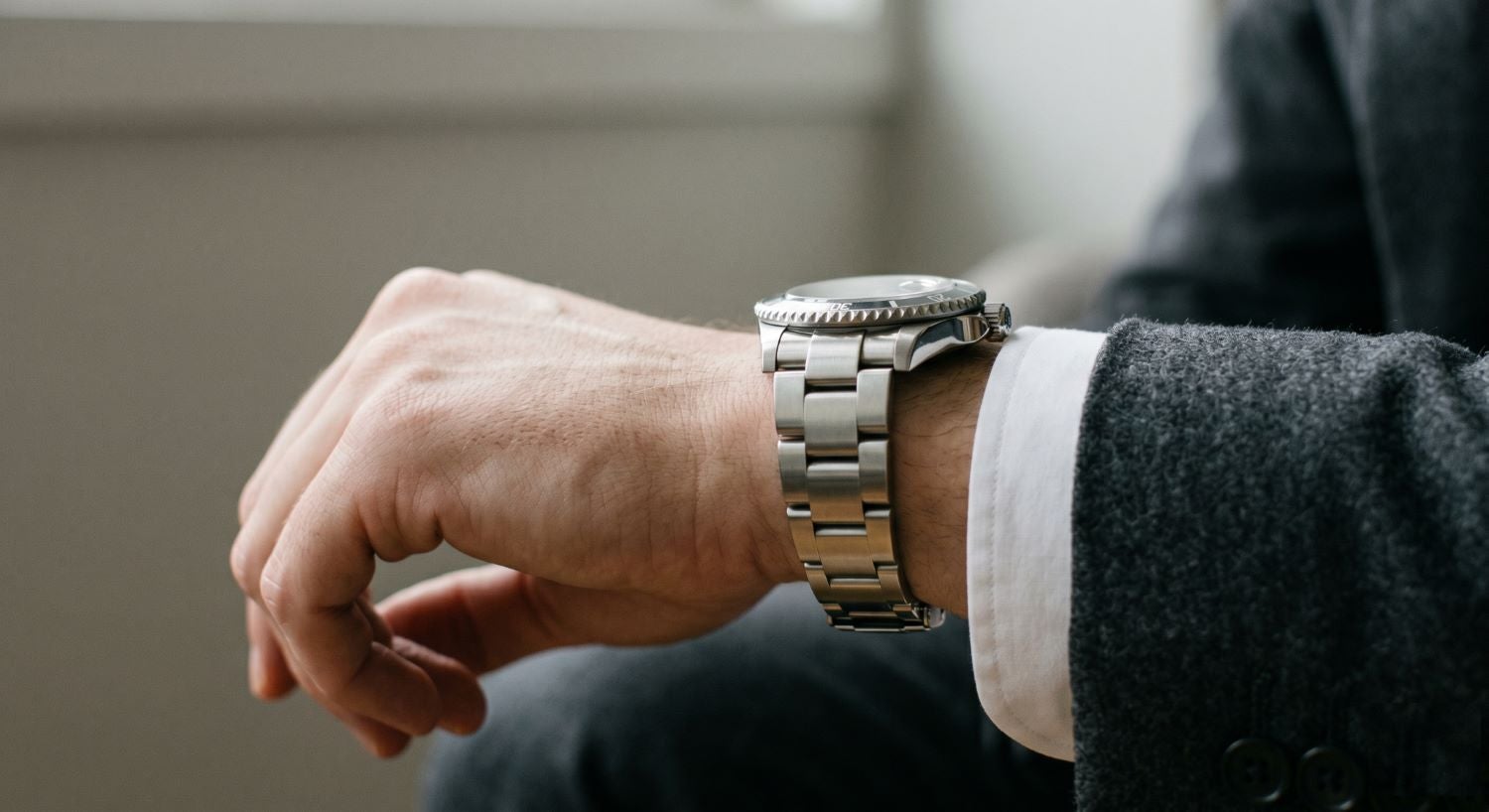
When it comes to Patek Philippe, the topic of customization evokes a particularly reserved reaction. This brand is traditionally associated with attention to detail and the preservation of the original look of the watch, so any changes are perceived through the lens of these values.
Owners of such models often view them not just as an accessory but as an object of long-term ownership, where design integrity and compliance with factory execution are vital. For this reason, any interference can affect the perception of the watch, its value, and the possibility of subsequent servicing at official centers.
Nevertheless, some owners still opt for modifications. As a rule, these involve minimal changes that do not affect the overall character of the model, such as individual engraving or small visual details. In these cases, the emphasis is on personalization without a noticeable departure from the original design.
Such decisions remain a personal choice and are viewed in the context of a specific owner rather than as a universal approach.
What changes can be found
Customization usually concerns the appearance and does not affect the mechanism, as the internal part of the watch requires high precision and rarely becomes an object of interference. The main focus is on how the watch is perceived visually and how it looks in daily wear.
Among the options found in such projects are the setting of gemstones, changing the case color, individual engraving, as well as replacing specific dial elements. In some cases, craftsmen work with the metal surface, changing its texture or shade, which allows a familiar model to be perceived in a new way without changing its form.
There are also projects that combine several approaches at once, such as working with color and adding decorative elements. Such solutions allow for a more pronounced visual effect while maintaining the foundation of the original design.
Who customization might suit
Customization is not a universal solution and is perceived differently depending on the owner’s goals.
It is sought by public figures for whom the visual image is important, owners of multiple watches who want to diversify their collection, as well as those who view the watch as an element of personal style.
At the same time, some buyers maintain the watch’s original condition, especially if long-term ownership is the goal.
What to consider before customization
Before deciding on changes, it is important to consider the potential consequences.
These include the loss of the official warranty, a possible refusal of service by the brand, changes in the perception of value on the secondary market, and the specifics of subsequent resale.
In this context, customization is viewed primarily as a decision related to the visual perception of the watch.
Customization and original models
Among owners, different approaches can be found that are directly related to the role the watch plays in their lives. For one part of the audience, preserving the original condition is important, as it simplifies maintenance, maintains liquidity, and makes the watch understandable to the market upon resale. In this case, compliance with factory execution and long-term predictability are valued.
Another approach is related to perceiving the watch as an element of personal style. In this case, the priority shifts from universality to individuality, and customization becomes a way to change the visual code of the model without abandoning the brand itself. The owner gets a recognizable foundation but with differences that make the watch less typical in a specific environment.
There is also an intermediate position where changes are viewed as a limited experiment. In such cases, modifications affect the appearance but do not go beyond limits that could significantly impact the further use of the watch.
These approaches coexist and show that watches can be perceived as an asset, as a tool for self-expression, or as a combination of these functions, depending on the owner’s priorities.
* We are not an official partner and are not affiliated with Rolex, Patek Philippe, Hublot or Audemars Piguet. All mentioned trademarks are the property of their respective owners. This material is for informational purposes and views customization as a cultural phenomenon.