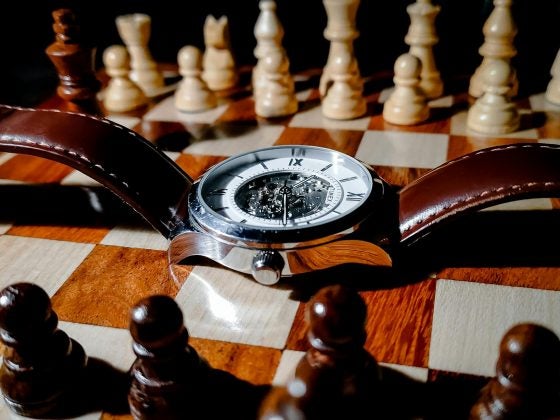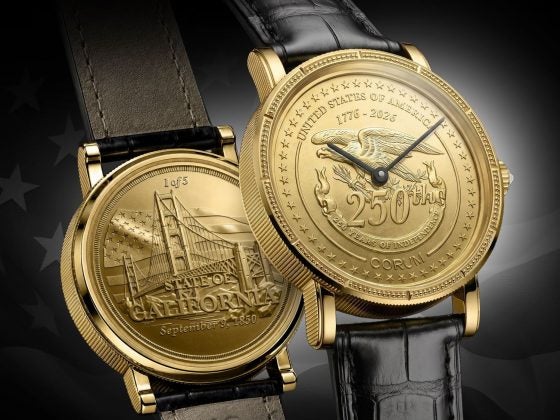

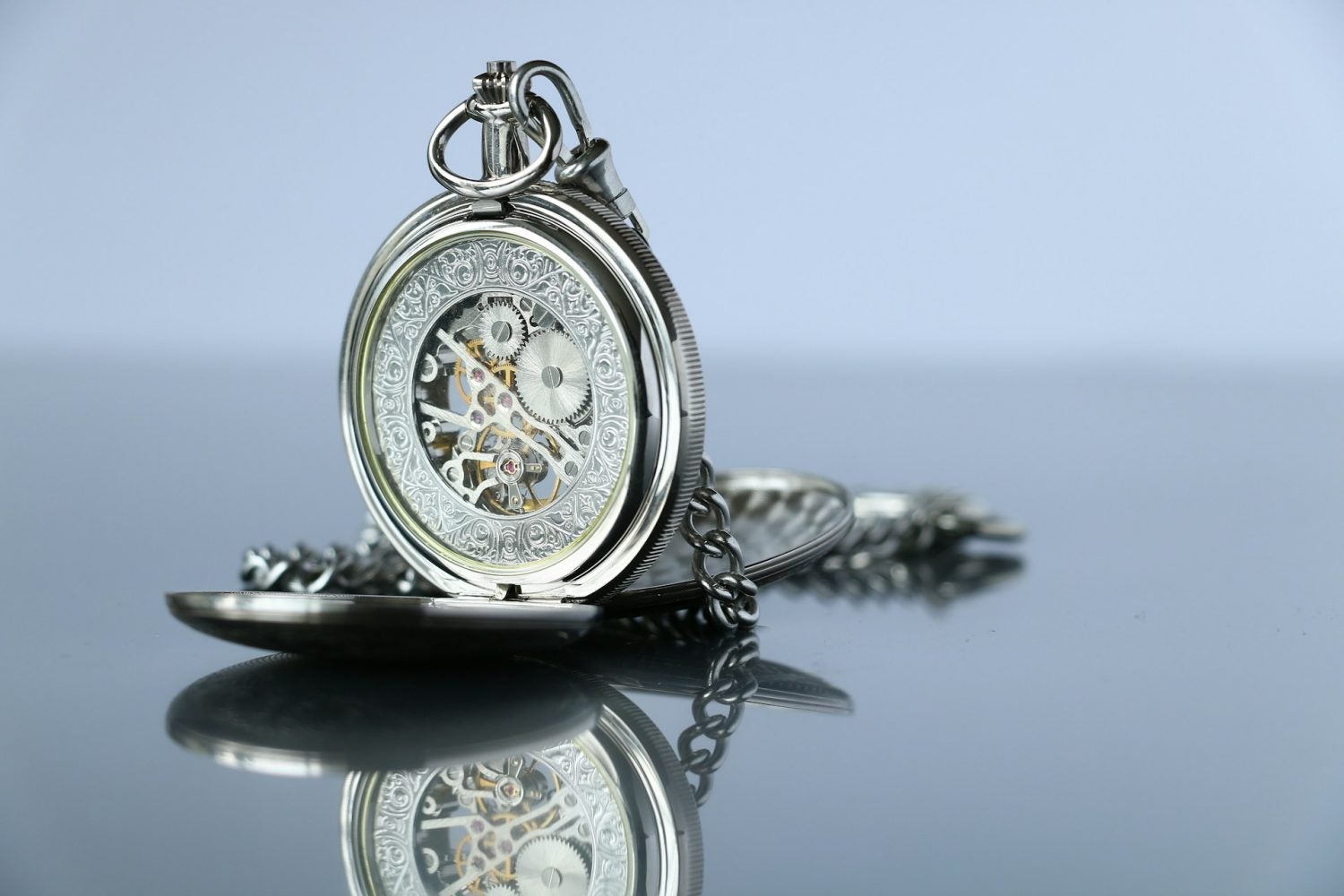
For decades, men’s luxury style was often defined by a narrow set of objects: a well-made watch, a tailored suit, a polished pair of shoes, perhaps a discreet pair of cufflinks.
Jewelry, outside of a wedding band or heirloom signet ring, was frequently treated as secondary. That attitude is changing. Today, more men are looking at vintage and antique jewelry not as decorative excess, but as a sophisticated extension of personal style, craftsmanship, and collecting culture.
The shift is not happening in isolation. The same men who study vintage cars, rare watches, bespoke tailoring, mid-century furniture, or limited-edition design objects are beginning to recognize jewelry through a similar lens. A ring, a chain, a pair of cufflinks, or a gold watch can carry history, rarity, and character in a way that many newly manufactured accessories cannot. In a world where luxury is often mass-produced and instantly recognizable, older pieces offer something increasingly valuable: individuality.
A New Language of Men’s Luxury
The renewed interest in men’s jewelry reflects a broader change in how luxury is understood. Status is no longer only about owning the newest object from the most visible brand. Increasingly, it is about discernment. A collector wants to know why a piece matters: who made it, what period it belongs to, what materials were used, and whether the design has lasting cultural or artistic value.
This is one reason signed jewelry and heritage names continue to attract attention. Pieces associated with houses such as Cartier, Tiffany & Co., Bulgari, Boucheron, or Van Cleef & Arpels can carry not only beauty but also design history. For men who already appreciate the language of craftsmanship, provenance, and rarity, vintage jewelry feels less like a fashion experiment and more like a natural expansion of collecting taste.
Yet unsigned vintage and antique pieces can be equally compelling when the craftsmanship is strong. In some cases, the appeal lies precisely in discovery. A collector might be drawn to an unusual gold ring, a rare brooch, an elegant chain, or a beautifully made object whose maker is unknown but whose quality is obvious. This is where vintage jewelry begins to overlap with connoisseurship. The eye becomes more important than the label alone.
Why Vintage Pieces Feel Different
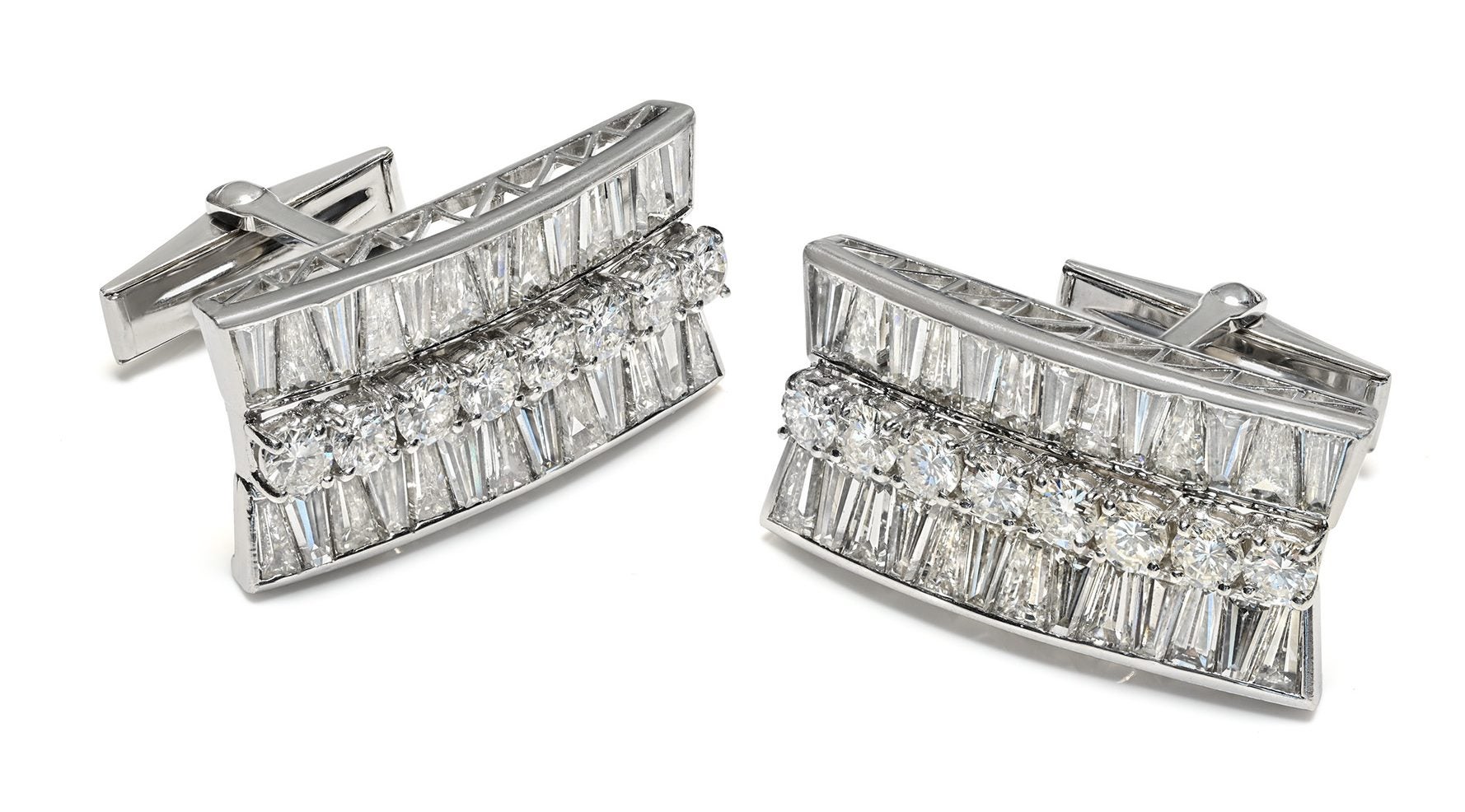
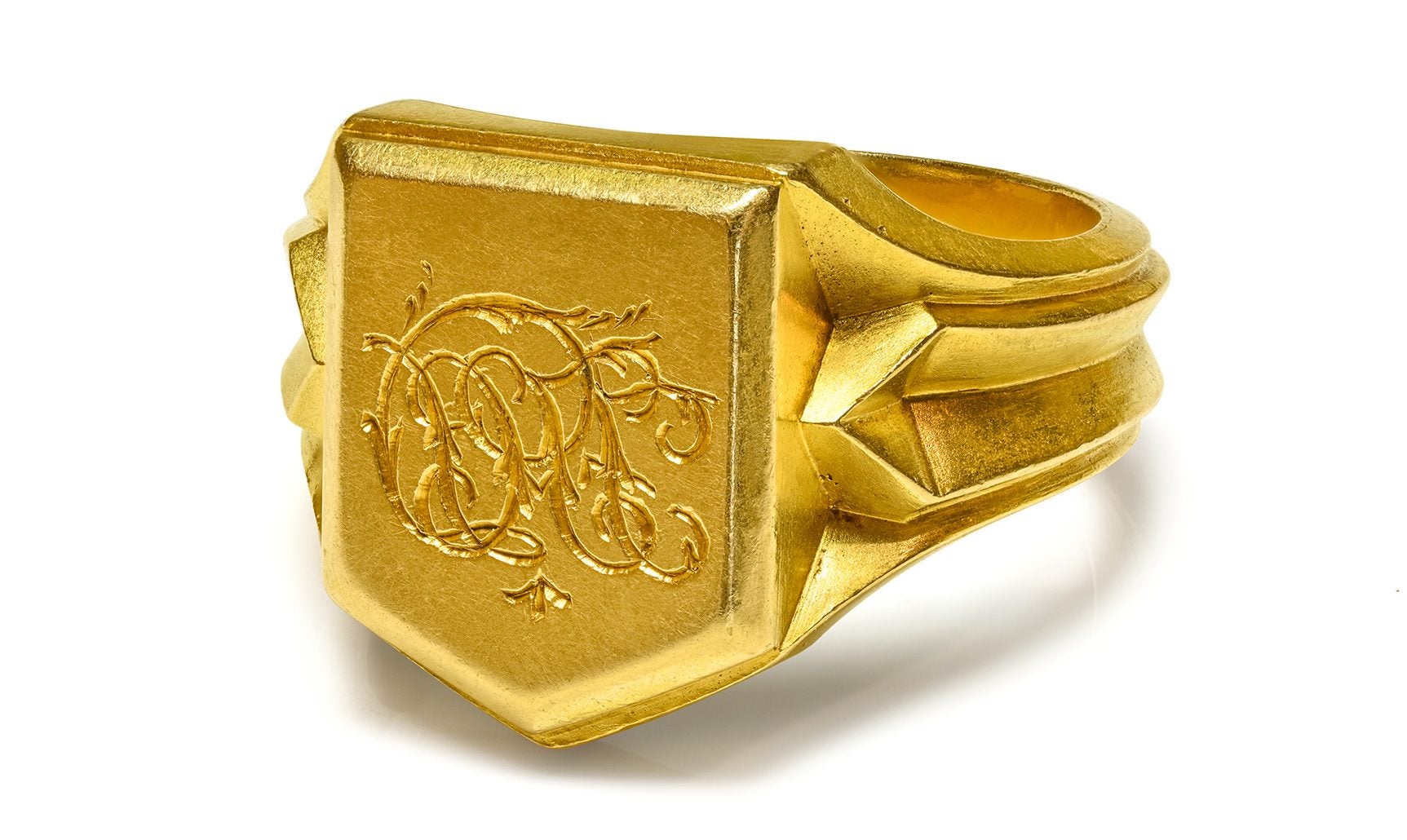
One reason vintage jewelry appeals to modern collectors is that it often reflects a level of handwork and design detail that feels difficult to replicate. Art Deco rings, for example, can combine strong geometry with refined proportions. A vintage signet ring may show engraving, wear, and patina that reveal decades of use. Cufflinks from the early or mid-20th century can feel architectural, clever, and personal. Even a simple gold chain can have a presence that comes from weight, age, and the quality of its construction.
For men, this makes vintage jewelry especially interesting. It does not need to be loud to be meaningful. A gold ring can suggest family history or personal identity. A watch can represent technical achievement as well as taste. A pair of cufflinks can say something about discipline, occasion, and attention to detail. These objects do not merely complete an outfit; they introduce a story.
There is also a sustainability argument, although for serious collectors it is often secondary to quality and rarity. Choosing vintage or antique jewelry means engaging with objects that already exist, rather than buying something newly produced. This gives older pieces a certain quiet relevance. They are not simply recycled luxury; they are preserved craftsmanship. Their continued use keeps design history alive.
From Watches to Jewelry Collecting
Watches have played an important role in opening this door. For years, men have been comfortable discussing watches in terms of movement, case design, provenance, rarity, and condition. Those same principles apply naturally to jewelry. A ring has proportion and weight. A bracelet has construction. A cufflink has mechanism and design. A pendant or brooch has scale, materials, and symbolism.
Once viewed this way, jewelry becomes less intimidating and much more collectible. It can be studied, compared, worn, and passed down. Like watches, vintage jewelry rewards knowledge. A small detail — the quality of an engraving, the shape of a setting, the balance of a design, the originality of a finish — can change how a collector understands a piece.
This collector mindset is especially important today, when many luxury objects are designed to be immediately recognizable. Vintage and antique jewelry often works in the opposite direction. Its value is not always obvious at first glance. It may require curiosity, research, and a trained eye. That quiet complexity is part of its appeal.
What Men Are Choosing First
For men building a jewelry collection, the most approachable starting points are often rings, watches, cufflinks, and chains. A signet ring can be worn daily and customized through engraving or simply appreciated for its existing form. An Art Deco ring offers structure and character without feeling overly ornate. Cufflinks remain one of the most elegant bridges between traditional menswear and jewelry collecting. A vintage gold watch can sit comfortably between function and ornament, especially when the design has aged well.
The strongest pieces tend to share certain qualities. They have good proportions, honest materials, visible craftsmanship, and a sense of permanence. They do not rely only on trend. Instead, they feel as though they belong to a longer conversation about taste, identity, and design. That is why many collectors prefer pieces with age: they have already survived changes in fashion.
The best examples also resist easy categorization. A piece can be masculine without being heavy, refined without being delicate, and expressive without being theatrical. This is where vintage jewelry gives men more room to define personal style. The choice is not limited to minimalism or excess; there is a wide middle ground of character, restraint, and individuality.
Collecting With Taste and Knowledge
For buyers who are new to the category, education matters. Condition, authenticity, hallmarks, signatures, repairs, stone quality, and period details can all affect value and desirability. A polished-looking piece is not always the best piece; sometimes originality, patina, or unusual design is more important than surface perfection. Working with specialists can help collectors understand what they are looking at and why one object may be more significant than another.
Curated dealers such as DSF Antique Jewelry focus on antique, vintage, signed, and collectible pieces, making it easier for collectors to explore jewelry through the same informed approach often applied to watches, art, or design. For the modern buyer, this kind of context is increasingly important. Jewelry is not only about appearance; it is about understanding what gives a piece character, rarity, and lasting appeal.
Ultimately, the return of men’s jewelry is not just about fashion. It is about a more personal kind of luxury. A vintage ring, a watch, or a pair of cufflinks can be worn, studied, inherited, and remembered. These pieces carry the marks of their era, but they also adapt to the person who wears them now.
In that sense, the most interesting jewelry for men today is not necessarily the newest or the most obvious. It is the piece with character. The piece that invites a second look. The piece that feels collected rather than simply purchased. As men continue to refine their approach to style, vintage jewelry and collectible watches are finding a natural place in the modern wardrobe — not as accessories, but as objects of identity, craftsmanship, and lasting taste.