
The gym bag reveals more about an American man’s training than his Instagram feed.
What actually goes in the bag every day, gets replaced when it wears out and gets prioritized when packing space is tight tells the real story of what someone genuinely uses versus what they own for show.
For the American man who actually trains, whether that means CrossFit, functional fitness, Olympic lifting, powerlifting or serious general strength work, the gym bag becomes a working piece of equipment rather than a fashion accessory. The specific items that earn their place get used repeatedly, hold up over months of daily use and materially improve the training experience.
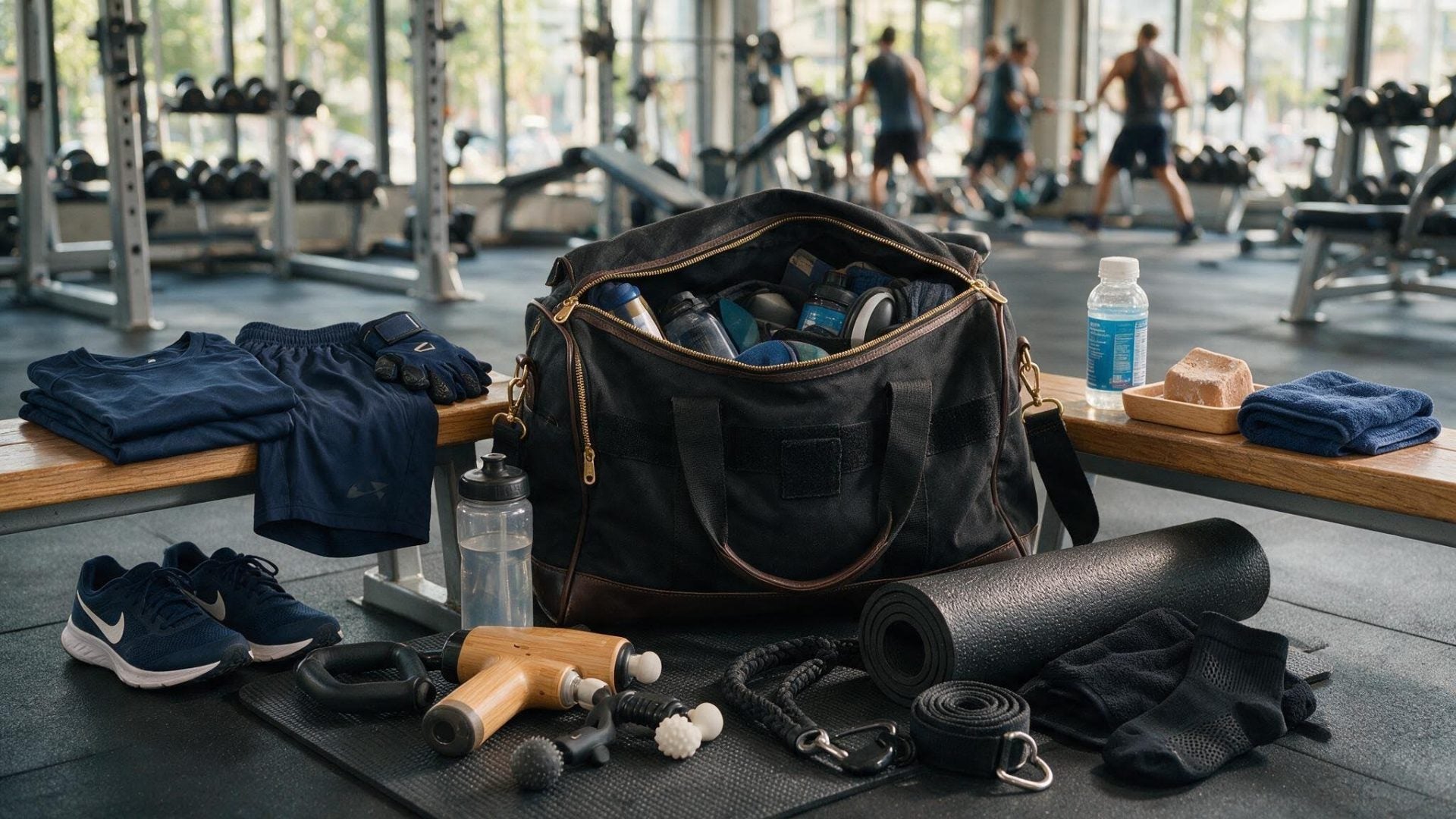
Ten specific items make up the working American man’s gym bag in 2026. Each earns its place through actual use rather than marketing.
1. Proper training shorts
The single most important item in the gym bag is the specific pair of shorts that actually holds up to serious training. The wrong shorts (too long, too heavy, wrong construction, restrictive cut) actively interfere with training. The right shorts disappear into the workout and stay out of the way.
The specific requirements for serious American training are straightforward. A cut that allows full range of motion at the hip and knee. Fabric weight that handles heat and sweat without becoming a liability. Construction that survives repeated washing at gym-frequency intervals. Length that works for the specific training being done, typically 5 to 7 inches for CrossFit and functional work.
CrossFit shorts from specialist American performance apparel brands like Combat Iron Apparel are built specifically for the range of movement, fabric weight and construction requirements that serious functional training actually demands. The specific price point sits above generic athletic shorts but below premium lifestyle activewear, reflecting the specialist rather than mass-market positioning. American men serious about training typically own three to five pairs in rotation, replacing them roughly annually depending on training volume.
2. Real training shoes
Not running shoes. Not casual sneakers. Not the pair that’s been in the bag for two years. The specific requirements for functional and strength training are genuinely different from running requirements, and the wrong shoes actively harm training outcomes.
For CrossFit and functional fitness, cross-training shoes with a flat, stable heel and good lateral support are the baseline. For Olympic lifting and heavy squatting, dedicated lifting shoes with a raised heel improve the specific movement mechanics materially. For deadlifting and heavier pulling, minimal shoes or flat-soled options work better than cushioned alternatives.
Serious American trainers typically own multiple pairs and select the specific shoe for the specific session, rather than defaulting to one all-purpose pair.
3. Wrist wraps or straps
For lifters actually training heavy, wrist wraps and lifting straps become essential rather than optional equipment. The specific function of wrist wraps in heavy pressing and overhead movement is genuine wrist support that materially improves both safety and performance. Lifting straps for heavy deadlifts and pulling movements allow grip to stop being the limiting factor when the actual training goal is posterior chain work.
The specific quality difference between cheap wrist wraps and proper wrist wraps is material. Serious American trainers typically buy from specialist brands rather than defaulting to generic gym accessories.
4. A proper water bottle
The specific water bottle in the gym bag reveals whether the trainer actually hydrates or just intends to. A 32oz or 40oz insulated stainless steel bottle sits at the standard for American serious trainers, with the specific insulation matters in gyms without air conditioning during hot summer months.
The specific practical requirement is a bottle that holds a genuine training-day water volume, keeps cold water cold, doesn’t leak in the gym bag and survives being dropped on gym floors. Cheaper alternatives frequently fail on at least one of the four requirements.
5. A dedicated gym towel
Not a hand towel taken from the bathroom. A proper gym towel that lives in the gym bag, absorbs sweat properly, dries between sessions and gets washed on the same schedule as gym clothes.
The specific practical difference between a proper gym towel and a random household towel shows up in fabric weight, absorption, size and how quickly the towel dries between uses. American trainers typically own two or three that rotate through washing.
6. Chalk (in a chalk sock or ball)
For lifters, gymnastics athletes and anyone doing serious grip work, chalk is functional rather than optional equipment. The specific requirement for grip management on heavy pulls, gymnastic movements and prolonged holds is real.
The specific practical implementation matters. Loose chalk creates a mess and typically isn’t allowed at commercial gyms. Chalk balls or chalk socks contain the mess and get through commercial gym rules. Serious American trainers typically keep both a chalk ball for daily use and a small container of block chalk for home training.
7. A jump rope
For CrossFit athletes and anyone incorporating double unders into training, a personal jump rope is essential. Commercial gym ropes are typically the wrong length, of poor construction and shared with dozens of other users.
A speed rope sized specifically for the individual, with proper handles and cable weight, transforms rope work from frustrating to functional. The specific investment sits at $20 to $60 for a quality speed rope, and the specific difference between the personal rope and the gym communal rope is genuine.
8. Recovery equipment
Serious American trainers increasingly carry recovery equipment in the gym bag rather than treating recovery as something that happens at home. The specific items that earn their place include lacrosse balls for trigger point work, small foam rollers or peanut rollers that fit in the bag, and increasingly the smaller percussive therapy devices for specific muscle groups.
The specific practical implementation is that recovery work happens between training sessions, in transit, at work or in the evening rather than being deferred to a specific dedicated session at home. American serious trainers who actually use recovery equipment materially outperform trainers who own it but never actually deploy it.
9. A proper shaker or protein powder container
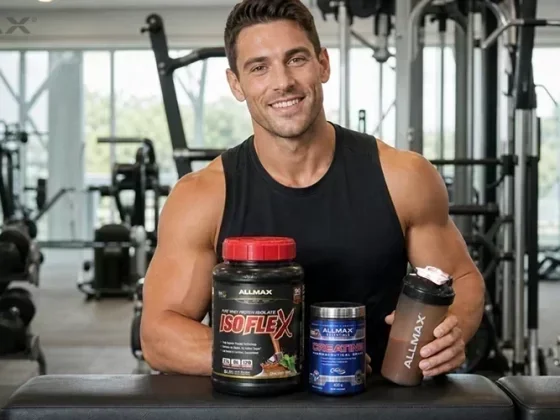
For trainers actually managing post-training nutrition, a shaker bottle with a genuine seal and a compartment for pre-measured protein powder or supplement mix belongs in the bag. The specific practical case is that post-training nutrition happens within the specific window that matters most, rather than being deferred to when the trainer eventually gets home.
The specific quality difference between cheap shaker bottles and proper ones shows up in seal reliability, mixing effectiveness and durability. Serious American trainers typically buy from specialist supplement brands or dedicated shaker bottle manufacturers rather than defaulting to generic options.
10. A change of clothes for after training
The specific practical case for a clean change of clothes after training is straightforward. The specific alternative (staying in sweaty training clothes for the rest of the day) creates practical, hygiene and social costs that a fresh change of clothes materially avoids.
Serious American trainers typically pack a full change (underwear, t-shirt, shorts or pants, socks, occasionally deodorant and grooming basics) as part of the standard gym bag load. The specific implementation makes training compatible with normal daily schedules rather than requiring dedicated training time slots that end with a trip home to change.
What the working American man’s gym bag actually looks like
The specific ten items above make up the working American man’s gym bag in 2026. Each earns its place through actual use rather than aspirational ownership. Each holds up to serious training volume across months of use. Each materially improves the training experience compared to alternatives.
The specific pattern that separates serious American trainers from casual gym-goers isn’t the specific brand of any single item. It’s the deliberate curation of gear that actually gets used, versus the accumulation of gear that gets bought and forgotten. The gym bag that opens to reveal the ten items above belongs to someone who actually trains. The gym bag full of unused accessories and outdated gear belongs to someone still figuring out what they actually need.
American men serious about their training are increasingly investing in specific specialist gear from specialist brands, rather than defaulting to mass-market alternatives that don’t hold up to serious training use. The specific price point difference between mass-market and specialist gear is real, but the specific durability, performance and functionality difference materially justifies the investment for anyone who actually trains regularly.
The gym bag reveals the truth about training commitment. The bag that opens to properly selected, well-used, replaced-when-worn-out gear tells the specific story of an American man who actually shows up. The gear that gets used repeatedly is the gear worth investing in. The gear that gathers dust between sessions is worth leaving on the shelf.